Disclosure: As an Amazon Associate, we earn from qualifying purchases. If you click a link on this page and make a purchase, we may receive a small commission at no extra cost to you.
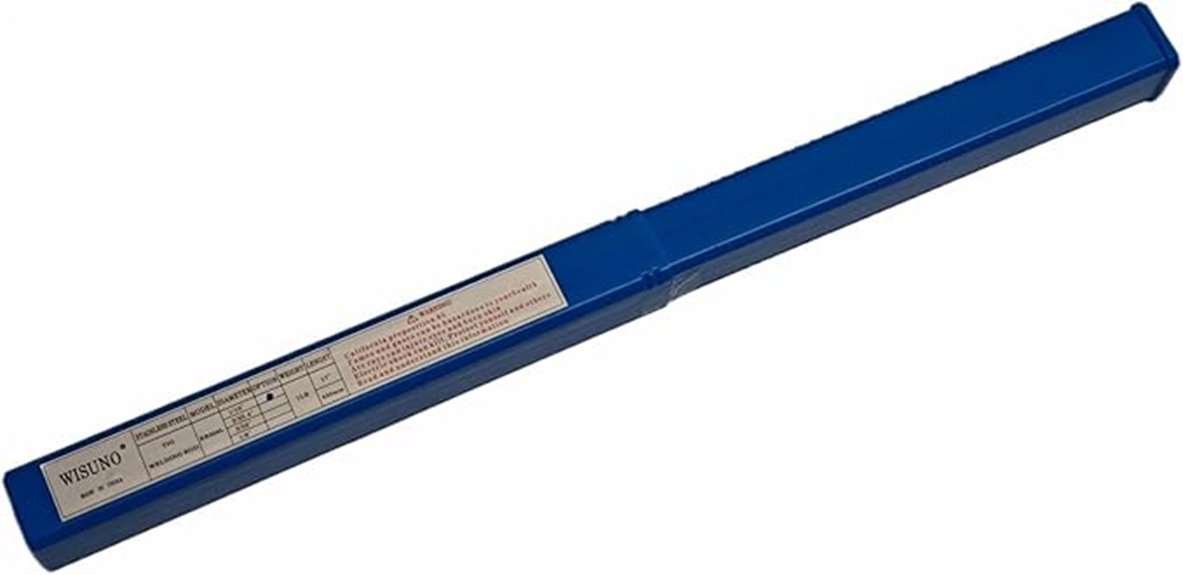
Choosing TIG filler rod gets harder when you need a clean stainless weld, not just a rod that melts. These ER308L stainless TIG welding rods are made for stainless steel projects that call for a low-carbon 308L filler, with a listed size of 1/16" x 17" and a 1 lb package weight. Their main strengths are corrosion resistance, smooth arc behavior, and clean bead appearance. The main limitation is compatibility, since ER308L is not a universal filler for every metal or stainless grade.
Quick Verdict
Rating: 8/10, recommended with caveats
Best For: TIG welders working on stainless steel projects that specifically call for ER308L filler rod.
Bottom Line: These rods make sense if you want a low-carbon stainless filler for clean, corrosion-resistant TIG welds. Skip them if you need aluminum filler, a different stainless alloy, or a confirmed brand-specific certification before purchase.
| Specification | Detail |
|---|---|
| Product type | Stainless TIG welding filler rods |
| Filler classification | ER308L |
| Rod size | 1/16" x 17" |
| Package weight | 1 lb, listed as 1LB in the source article |
| Material profile | Low-carbon stainless filler with chromium-nickel content |
| Welding process | TIG welding |
| Best use | Stainless steel projects that require ER308L filler rod |
| Not for | Aluminum welding or projects requiring a different filler alloy |
| Storage note | Keep rods dry, clean, and protected from oil, dust, and moisture |
| Brand note | Brand was not confirmed from the supplied article or accessible product data |
What Are These ER308L Stainless TIG Welding Rods?
These are stainless steel filler rods for TIG welding. The article identifies them as ER308L type, with a 1/16" diameter, 17" rod length, and 1 lb package weight. That makes them a small-diameter stainless filler option for welders who need controlled filler addition on compatible stainless steel work.
The “L” in ER308L points to a low-carbon version of the filler type. In practical use, that matters because lower carbon content helps reduce the risk of weld-area problems tied to carbide formation and hot cracking. You still need the right base metal, shielding gas, joint prep, machine setup, and technique to get a strong weld.
These rods are best viewed as a consumable for stainless TIG work, not as a universal repair rod. They can help you create smooth, clean-looking beads when the filler matches the job, but they will not solve poor fit-up, dirty metal, or the wrong filler selection.
Who Should Buy It?
Best For
- TIG welders who need ER308L filler for stainless steel projects.
- Hobbyists and shop users working on clean stainless joints and small repairs.
- Buyers who want a 1/16" filler rod for more controlled filler feeding.
Skip If
- You need filler for aluminum, mild steel, cast iron, or another non-matching metal.
- Your welding procedure calls for ER309L, ER316L, or a different stainless filler.
- You need a brand-specific certification, mill test report, or verified industrial compliance document.
Before You Buy: Match the filler rod to your base metal and welding procedure before ordering. ER308L is useful for the right stainless job, but it is not a replacement for aluminum filler or for stainless grades that require another filler alloy.
Features of Stainless TIG Welding Rods
Stainless TIG welding rods need more than a shiny finish. A good filler rod should feed smoothly, melt predictably, and support the corrosion resistance expected from the finished joint. These ER308L rods focus on those needs through their stainless composition, low-carbon design, and small 1/16" size.
1/16" x 17" Rod Size
The listed 1/16" diameter gives you a smaller filler rod for controlled TIG work. That can be helpful when you work on thinner stainless material, detailed joints, or areas where too much filler would create a bulky bead. The 17" length may also feel easier to handle in tight spaces than longer rods.
The tradeoff is that shorter rods do not last as long during extended beads. For long shop runs, you may need to change rods more often. For smaller repairs and detailed bead control, that shorter format can still be practical.
Low-Carbon ER308L Composition
The article describes the rods as having an ultra-low carbon composition. That detail matters because low-carbon stainless filler helps reduce hot crack susceptibility and supports cleaner weld quality when used correctly. It is especially useful when your project needs a stainless weld that can hold up in demanding environments.
You should still avoid treating the filler classification as a shortcut. Base metal grade, joint design, heat input, shielding gas, and cleaning all affect the final result. The rod can support a strong weld, but your setup decides how well it performs.
Chromium-Nickel Stainless Profile
The high chromium-nickel content noted in the article supports corrosion resistance and durability. That makes this filler type useful for stainless work where the weld needs to resist rust better than a plain carbon-steel joint. It also helps the finished bead keep a clean stainless appearance.
This does not mean the weld is suitable for every corrosive setting. Chlorides, chemicals, heat, and cleaning agents can change material requirements. For critical food, chemical, pressure, or code work, follow the project specification or ask a qualified welding professional.
Arc Behavior and Bead Appearance
The source article highlights stable arcs and good molten pool fluidity. For you, that can mean easier puddle control, smoother filler addition, and cleaner bead shape when the machine settings and prep work are right. This is one reason ER308L is often chosen for both functional and decorative stainless projects.
Bead appearance still depends on technique. Dirty stainless, poor gas coverage, overheated material, or moving too slowly can create discoloration and weak results. Use the rod as part of a complete process, not as a fix for poor preparation.
Benefits of Using ER308L TIG Filler Rod
The biggest benefit of ER308L filler is its balance of weldability and stainless corrosion resistance. It gives you a practical filler choice for compatible stainless steel applications where clean appearance and long-term durability both matter. The small diameter also helps when you need controlled filler placement.
- Corrosion-resistant stainless welds: The chromium-nickel stainless profile helps support durable joints in the right environments.
- Cleaner TIG control: The 1/16" size lets you add filler gradually instead of overbuilding the bead.
- Low-carbon design: The ER308L type helps reduce hot crack risk when used with proper technique.
- Smoother bead finish: Stable arc behavior and good puddle fluidity can help you create cleaner weld beads.
Pro Tip: Before welding the final part, run a short test bead on scrap stainless of the same thickness. It helps you confirm amperage, filler speed, shielding gas coverage, and bead color before you work on the real joint.
Applications for Stainless TIG Welding Rods
These ER308L stainless TIG rods fit projects where the base metal and procedure call for ER308L filler. The article mentions use in food processing equipment, chemical pipeline work, functional stainless joints, and decorative applications. Those are sensible examples because stainless welds often need both clean appearance and corrosion resistance.
For food-processing or chemical-service equipment, do not rely on a general product listing alone. Check the job specification, base metal grade, cleaning process, and any required code or documentation. For hobby and shop use, these rods can be a practical choice for stainless brackets, repairs, light fabrication, and visible bead work.
Compatibility and Safety
ER308L rods are not suitable for aluminum welding. Aluminum requires aluminum filler material, different cleaning methods, and a setup that fits the alloy. Using ER308L on aluminum will not give you the weld quality or structural result you need.
Welding machine compatibility should not be reduced to one fixed amperage number. The right output depends on your material thickness, tungsten size, joint design, travel speed, and shielding gas setup. Make sure your TIG machine can handle the stainless thickness you plan to weld, then set amperage based on the job rather than the filler rod alone.
Wear proper welding safety gear every time. Use a welding helmet with the correct shade, TIG gloves, flame-resistant clothing, and eye protection when cleaning or grinding. Work in a safe, ventilated area and keep flammable materials away from sparks and hot metal.
How It Performs in Real Use
For Stainless Repair Work
For small stainless repairs, the 1/16" filler size gives you good control over filler addition. That helps when you need to avoid a large bead or excess heat on thinner material. Clean the joint first, since oil, rust, or shop dust can quickly hurt puddle quality.
For Food or Chemical Equipment Projects
The article notes food processing and chemical pipeline applications. In those settings, the rod’s stainless composition and low-carbon design can support corrosion-resistant welds when the filler matches the base metal. For regulated or critical work, confirm the material requirements and inspection standards before welding.
For Decorative Stainless Beads
ER308L can work well when bead appearance matters. Stable arc behavior and smooth molten pool flow can help you create a cleaner finished bead. For the best look, keep heat input controlled and protect the weld from contamination during and after welding.
For Practice and Skill Building
These rods are also useful for practicing stainless TIG technique. The smaller filler size makes it easier to see how filler timing affects bead width and shape. Practice on scrap first, then adjust travel speed and filler angle before moving to finished work.
How to Use It Correctly
Start by confirming that ER308L is the right filler for your base metal. Then clean the workpiece until the joint area is free of oil, paint, rust, and dirt. Stainless steel also benefits from a dedicated stainless brush so you do not transfer carbon steel contamination onto the surface.
Keep your filler rod clean while you weld. Do not lay rods on oily benches, dusty floors, or damp surfaces. If a rod becomes dirty, clean it before use or set it aside for non-critical practice work.
Control heat input carefully. Too much heat can discolor stainless, widen the heat-affected zone, and reduce finish quality. Use a steady torch angle, add filler consistently, and keep shielding gas coverage stable until the puddle and tungsten area are protected.
Storage and Maintenance
Store stainless TIG rods in a dry container or clean rod tube. Moisture, dust, and shop oils can affect weld cleanliness and bead appearance. A sealed storage tube also helps keep the rods straight and easy to handle.
Do not mix these rods with other filler types unless they are clearly labeled. Mixing ER308L with aluminum, mild steel, ER309L, or ER316L rods can lead to costly mistakes. If you keep several filler types in your shop, label each container by classification, diameter, and date received.
Pros and Cons
Pros
- ER308L filler type supports corrosion-resistant stainless TIG welds.
- Low-carbon composition helps reduce hot crack susceptibility.
- 1/16" diameter gives you good control on smaller or detailed welds.
- Stainless chromium-nickel profile supports durable, clean-looking beads.
- Useful for functional repairs, fabrication, and decorative stainless work.
Cons
- Not suitable for aluminum or projects that need a different filler alloy.
- Brand, certifications, and warranty details were not confirmed from the source article.
- The 17" rod length may require more rod changes during long welds.
Is It Worth the Price?
These ER308L stainless TIG rods are worth considering if you need a small-diameter stainless filler for compatible TIG welding work. The value comes from the low-carbon ER308L type, corrosion-resistant stainless profile, and 1/16" control for detailed welds.
They make the most sense for welders who already know ER308L matches the job. They are not the best fit if you need verified brand documentation, a specific industrial certification, or a different filler alloy for your base metal.
How It Compares to Alternatives
Compared with ER309L or ER316L filler, ER308L is the better choice only when your stainless project calls for this filler type. ER309L is often considered for certain dissimilar-metal situations, while ER316L may be chosen for stainless work that needs a different alloy match.
The safest comparison is not brand versus brand. It is filler classification versus your base metal and service conditions. These rods make sense when ER308L is the right match and you want a 1/16" TIG filler in a 1 lb package.
Frequently Asked Questions
Can ER308L rods be used for aluminum welding?
No. ER308L rods are stainless steel filler rods, not aluminum filler rods. Aluminum welding requires a compatible aluminum filler and the right TIG setup for that alloy.
What size are these stainless TIG welding rods?
The article lists the rods as 1/16" x 17" with a 1 lb package weight. The 1/16" diameter is useful when you want controlled filler addition on compatible stainless work.
What welding machine output do I need?
There is no single amperage that fits every ER308L job. Your settings depend on stainless thickness, joint design, tungsten size, travel speed, and shielding gas coverage. Follow your machine manual and test on scrap before welding the final part.
How should I store stainless TIG welding rods?
Store them in a dry, clean rod tube or sealed container. Keep them away from moisture, oil, dust, and mixed filler rods so you do not contaminate the weld or grab the wrong alloy.
What safety gear should I use with TIG welding rods?
Use a welding helmet with the right shade, TIG gloves, flame-resistant clothing, and proper eye protection for cleaning or grinding. Work in a safe area with good ventilation and keep flammable materials away from heat and sparks.
How do I clean stainless steel before welding?
Remove oil, dirt, paint, rust, and surface contamination before you strike an arc. Use a clean stainless brush or dedicated prep tools so you do not transfer carbon steel particles onto the stainless surface.
Who should skip these ER308L TIG rods?
Skip them if your project calls for aluminum filler, mild steel filler, ER309L, ER316L, or another specific alloy. Also skip them for critical code work unless you can confirm the required documentation before purchase.
The Bottom Line
These ER308L stainless TIG welding rods are a solid fit for welders who need a 1/16" low-carbon stainless filler for compatible TIG work. Their best strengths are corrosion resistance, controlled filler feeding, and clean bead potential, while the main limitation is that product-specific brand and certification details were not confirmed.
Buy them if ER308L matches your project and you want a practical stainless filler rod for shop, repair, or decorative welding. Skip them if you need a different alloy, aluminum filler, or documented industrial compliance before ordering.