Disclosure: As an Amazon Associate, we earn from qualifying purchases. If you click a link on this page and make a purchase, we may receive a small commission at no extra cost to you.
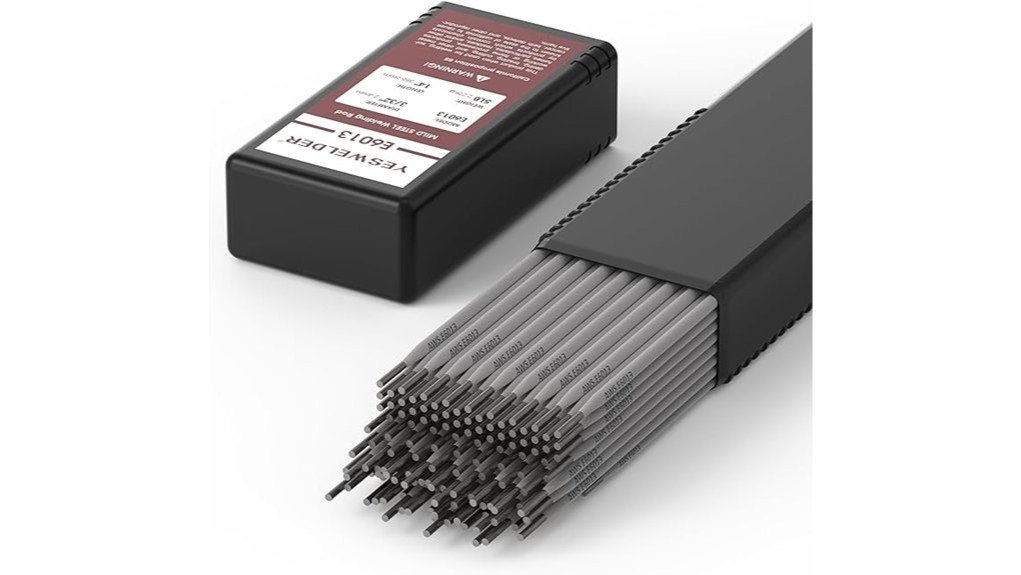
Choosing the right stick electrode matters when you want clean welds on mild steel without fighting heavy spatter or stubborn slag. The YESWELDER E6013 3/32” 5LB Welding Rod is made for general-purpose stick welding, especially light-gauge metal, sheet metal, duct work, and shallow-penetration jobs. This review helps you decide if its 3/32-inch size, 14-inch length, AC/DC compatibility, and 45A-90A range fit your welder and projects. It is a practical pick for many home, repair, and light fabrication tasks, but it is not the best choice for every thick structural weld.
Quick Verdict
Rating: 8.6/10
Best For: Welders who need an easy-running E6013 rod for mild steel, light-gauge metal, sheet metal, and general shop use.
Bottom Line: The YESWELDER E6013 3/32” rod is a strong everyday choice if you want low spatter, easy slag removal, and AC/DC flexibility. The main tradeoff is shallow penetration, so you should choose a different electrode for heavier structural work or deeper root passes.
| Specification | Detail |
|---|---|
| Brand | YESWELDER |
| Model | E6013-5LB-2.4 |
| ASIN | B0C9LQ5DZG |
| Product Type | E6013 carbon steel stick electrodes for arc welding |
| Rod Diameter | 3/32 inch |
| Rod Length | 14 inches |
| Pack Weight | 5LB pack, listed item weight about 5.21 pounds |
| Package Dimensions | 14.21 x 2.4 x 2.4 inches |
| Recommended Amperage | 45A-90A |
| Current Compatibility | AC or DC welding current |
| Welding Position | All-position welding |
| Best Use | Mild steel, light-gauge metal, sheet metal, duct work, and poor-fit conditions |
| Package Quantity | 1 pack |
| Storage Note | Store dry and protected from moisture before use |
What Is the YESWELDER E6013 3/32” Welding Rod?
The YESWELDER E6013 3/32” 5LB Welding Rod is a mild-steel, general-purpose stick electrode for shielded metal arc welding. The E6013 classification is known for a smooth arc, shallow penetration, and a slag system that is usually easier to remove than more aggressive rods.
This 3/32-inch version is best suited to lighter mild-steel work where you do not want excessive heat input. It runs on AC or DC current, which makes it useful for many transformer welders, inverter welders, and low-voltage AC machines that support the correct amperage range.
The main selling point is ease of use. If you are building basic shop projects, repairing thinner mild steel, or welding sheet metal and duct work, the low-spatter behavior and easy slag removal can help you spend less time cleaning and more time finishing the job.
Before You Buy: This is an E6013 rod with shallow penetration. It is not the best first choice for heavy structural welds, deep root passes, or jobs where your project requires a different electrode classification. Match the rod to your machine, base metal, joint design, and welding code requirements before starting.
Who Should Buy It?
Best For
- Beginners who want a forgiving stick electrode for mild steel practice.
- DIY welders working on light-gauge metal, sheet metal, and duct work.
- Shop users who want an AC/DC rod that runs on many compatible stick welders.
Skip If
- You need deep penetration for thick steel or critical structural work.
- Your welder cannot run 3/32-inch electrodes in the 45A-90A range.
- You need a low-hydrogen electrode such as E7018 for a specific project requirement.
Key Features and Specifications
The YESWELDER E6013 3/32” rod gives you a common size for light and medium-light welding jobs. At 14 inches long, each rod offers enough working length for practical shop use while staying easy to handle on smaller projects.
The 45A-90A recommended range is one of the most useful details to check before you buy. On thin material, starting lower in the range can help reduce burn-through. On slightly heavier mild steel, moving higher within the range can help keep the arc stable and the puddle more controlled.
Compatibility with both AC and DC current is a major benefit if you use more than one welding machine. It also makes the rod easier to recommend for home garages and small shops where welders may vary from basic AC units to compact inverter machines.
Arc Performance and Ease of Use
This rod is designed for low spatter and easy slag removal. That matters because spatter cleanup can slow down basic fabrication, and slag that chips away cleanly makes it easier to inspect your bead between passes.
The E6013 style also helps when your fit-up is not perfect. It is commonly used for shallow penetration and poor-fit conditions, so it can be more forgiving than rods that dig harder into the base metal.
For beginners, the easier arc behavior can make practice less frustrating. For experienced welders, the main value is speed and finish quality on light-duty mild-steel jobs where a smooth bead is more important than deep penetration.
Fit, Compatibility, and Machine Setup
Before buying, check that your stick welder can handle 3/32-inch electrodes and can be adjusted within the 45A-90A range. You should also confirm whether your machine runs AC, DC, or both, then set polarity according to your welder, rod guidance, and project needs.
This YESWELDER rod works well on low-voltage AC machines, which is helpful if your setup is a smaller home or hobby welder. Still, your results depend on clean base metal, proper amperage, stable travel speed, and the right arc length.
Pro Tip: If the rod sticks or the bead looks cold, raise amperage in small steps within the recommended range. If the puddle feels too hot or you start burning through thin metal, lower amperage and shorten your arc length.
Best Applications for This Rod
The YESWELDER E6013 3/32” rod makes the most sense for mild steel projects where clean appearance, easy control, and simple cleanup matter. Good examples include light brackets, patch work, sheet metal, duct work, small repairs, and practice beads.
Its shallow-penetration behavior can help on thinner material because it is less aggressive than deeper-digging electrodes. That said, you still need correct preparation and proper fit-up. No electrode can fully make up for dirty steel, poor joint design, or unsafe welding technique.
How It Performs in Real Use
For Beginner Practice
If you are learning stick welding, this rod gives you a smoother starting point than many harsher electrodes. The low spatter and easy slag removal help you see your mistakes faster, which makes each practice bead more useful.
For Sheet Metal and Light-Gauge Steel
The 3/32-inch diameter and shallow penetration are useful when you want more control on thinner mild steel. You still need to manage amperage carefully, but the rod is a sensible match for sheet metal and duct-work tasks listed for this product.
For General Shop Repairs
For non-critical mild-steel repairs, this electrode is convenient because it runs on AC or DC and handles all-position welding. It can be a practical rod to keep in your shop when you need quick repairs without a lot of cleanup.
For Poor-Fit Conditions
The rod is designed to work in poor-fitted conditions, which can help when a joint is not perfectly tight. It is still better to prep and fit the workpiece correctly, but this rod gives you some forgiveness on basic repair and fabrication jobs.
Safety and Storage Notes
Welding rods are simple tools, but welding is not risk-free. Wear a proper welding helmet, gloves, flame-resistant clothing, and eye protection. Work in a well-ventilated area and keep flammable materials away from the weld zone.
Store the rods in a dry place and keep them protected from moisture and contamination. Damp electrodes can affect arc quality and weld consistency. If rods look damaged, wet, rusty, or contaminated, do not rely on them for important work.
Always follow your welder manual, the electrode label, and any project-specific welding requirements. If you are welding load-bearing parts, pressure components, vehicle frames, trailers, or code-regulated work, get guidance from a qualified welding professional.
Common Mistakes to Avoid
One common mistake is treating every mild-steel rod as interchangeable. E6013 is useful, but it is not the same as E6011, E6010, or E7018. Each rod type has different arc behavior, penetration, and use cases.
Another mistake is running too much amperage on thin steel. The 45A-90A range gives you room to tune the arc, but you should adjust based on metal thickness, position, and bead shape. Clean the base metal before welding, keep your arc steady, and chip slag before adding another pass.
Pros and Cons
Pros
- 3/32-inch size works well for many light mild-steel jobs.
- Runs on both AC and DC welding current.
- 45A-90A range fits many compatible home and shop stick welders.
- Low spatter helps reduce cleanup after welding.
- Easy slag removal makes bead inspection and finishing simpler.
Cons
- Shallow penetration is not ideal for heavy structural welding.
- You need correct amperage and technique to avoid sticking or burn-through.
- Not a substitute for rods required by specific welding codes or procedures.
Is It Worth the Price?
The YESWELDER E6013 3/32” 5LB Welding Rod is a strong value for the price if you regularly weld mild steel and want an easy-running rod for everyday use. The 5LB pack gives you enough electrodes for practice, repairs, and multiple light-duty projects without buying a tiny sample pack.
You get the most value if your projects match what this rod does best: shallow-penetration work, light-gauge metal, sheet metal, duct work, and general shop welding. It is not the best fit if you need deep penetration or a rod specified for critical structural welds.
How It Compares to Alternatives
Compared with E7018 rods, this E6013 is usually easier for casual users to run and clean, but E7018 is often chosen when low-hydrogen performance and stronger structural procedures are required. Compared with E6011 rods, E6013 tends to feel smoother and cleaner, while E6011 is known for deeper digging action on rougher or dirtier steel.
Other 3/32-inch E6013 options from brands such as Forney, TOOLIOM, Saker, and Sunstac are worth comparing if you want a different pack size or price point. The YESWELDER version makes the most sense if you want a 5LB pack from a welding-focused brand with AC/DC compatibility and easy slag cleanup.
Frequently Asked Questions
What is the YESWELDER E6013 3/32” rod best used for?
It is best for mild steel, light-gauge metal, sheet metal, duct work, and general repair jobs. Its shallow penetration and easy slag removal make it a practical choice when appearance and control matter.
Can you use this rod with AC and DC welders?
Yes, this rod is listed for AC or DC welding current. Confirm that your welder supports 3/32-inch electrodes and can run within the recommended 45A-90A range.
What amperage should you use for YESWELDER E6013 3/32” rods?
The recommended range is 45A-90A. Start lower for thinner metal and increase gradually if the bead looks cold, the arc feels unstable, or the rod keeps sticking.
Is E6013 good for beginners?
Yes, E6013 is often beginner-friendly because it has a smoother arc, low spatter, and slag that is generally easier to remove. You still need proper PPE, clean metal, and good technique.
Can this rod be used outdoors?
You can use stick electrodes outdoors when conditions are safe, but avoid welding in unsafe wind, rain, or wet work areas. Keep the rods dry and follow safe welding practices for your environment.
How should you store these welding rods?
Store them in a dry, sealed container away from moisture, dirt, oil, and direct water exposure. Dry rods help maintain steadier arc behavior and more consistent weld quality.
Is this the right rod for thick steel?
Not usually. This E6013 rod is better for shallow-penetration mild-steel work. For thicker steel or structural jobs, you may need a different electrode and a qualified welding procedure.
What welding machines are compatible with these rods?
They are compatible with stick welding machines that can run 3/32-inch E6013 electrodes at 45A-90A. This includes many AC, DC, and inverter stick welders, but you should check your machine manual first.
The Bottom Line
The YESWELDER E6013 3/32” 5LB Welding Rod is recommended for welders who want a clean, easy-running stick electrode for mild steel, light-gauge metal, sheet metal, duct work, and general repairs. Its biggest strengths are AC/DC compatibility, low spatter, and easy slag removal, while its main limitation is shallow penetration. Skip it if your project calls for heavy structural welding, deep penetration, or a different electrode classification.