Disclosure: As an Amazon Associate, we earn from qualifying purchases. If you click a link on this page and make a purchase, we may receive a small commission at no extra cost to you.
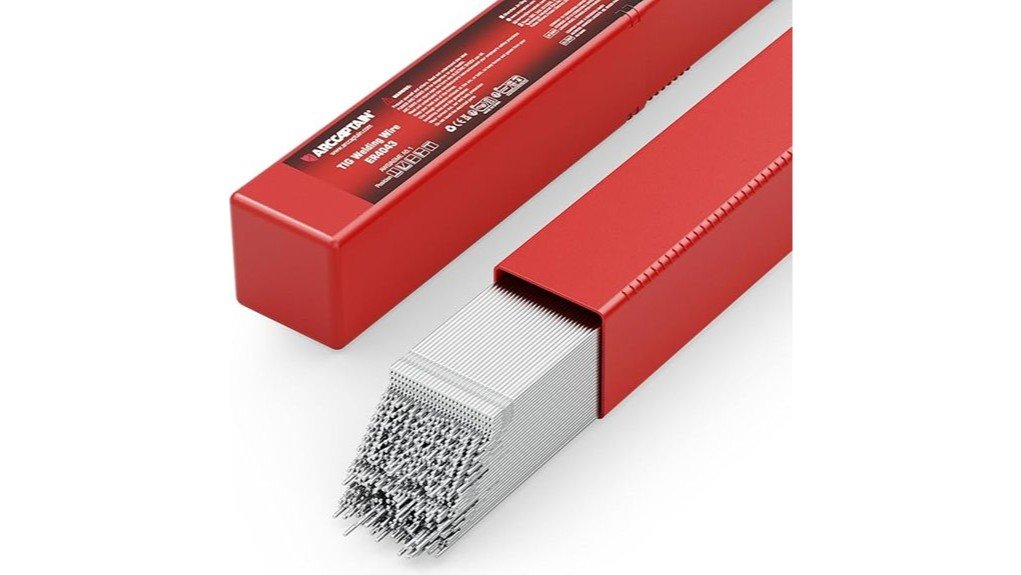
Choosing the right aluminum filler rod matters when you want cleaner TIG welds, better puddle control, and less finishing work after the job is done. The ARCCAPTAIN Aluminum TIG Welding Rod ER4043 is a 3/32″ by 16″ filler rod made for aluminum alloy workpieces and castings. Its high silicon content is meant to improve fluidity and heat resistance, which can help you form smoother weld seams when your setup and technique are correct. This review breaks down the rod’s specifications, best uses, limitations, storage needs, and safety points so you can decide if it fits your welding projects.
Quick Verdict
Rating: Recommended with caveats
Best For: TIG welders working on compatible aluminum alloys, castings, repair jobs, and fabrication projects that benefit from a smooth-flowing ER4043 filler rod.
Bottom Line: The ARCCAPTAIN Aluminum TIG Welding Rod is a practical choice if you need 3/32″ ER4043 rods with good fluidity and clean bead potential. It is not a shortcut for poor prep, incorrect shielding gas, or mismatched base metal, so you still need proper setup and welding skill.
Key Takeaways
- The ARCCAPTAIN Aluminum TIG Welding Rod ER4043 has a 3/32″ diameter and 16″ length, making it useful for many aluminum TIG welding tasks.
- Its high silicon content alloy supports better fluidity and heat resistance during the welding process.
- The rod is designed for aluminum alloy workpieces and castings, but it should still be matched to the correct base metal before use.
- It is commonly used with 100% argon or helium shielding gas, depending on the welding setup and application.
- Proper storage in a cool, dry place helps reduce oxidation risk and supports more consistent performance over time.
- Good weld results still depend on clean material, correct TIG settings, proper shielding gas coverage, and the welder’s technique.
| Specification | Detail |
|---|---|
| Brand | ARCCAPTAIN |
| Product type | Aluminum TIG welding rod |
| Filler classification | ER4043 |
| Diameter | 3/32″ / 2.4 mm |
| Length | 16″ / 406.4 mm |
| Package weight noted in article | 5 lb rod pack |
| Material note | High silicon content aluminum alloy filler rod |
| Common shielding gas | Typically used with 100% argon or helium |
| Best use | Aluminum alloy workpieces, castings, repair work, and fabrication jobs |
| Storage note | Store in a cool, dry place to help prevent oxidation |
What Is the ARCCAPTAIN Aluminum TIG Welding Rod?
The ARCCAPTAIN Aluminum TIG Welding Rod ER4043 is a filler rod used during TIG welding of compatible aluminum materials. In this article, the rod is described as 3/32″ in diameter, 16″ long, and supplied as a 5 lb pack. That size gives you a practical balance between control and filler volume for many aluminum repair and fabrication tasks.
The main feature is its high silicon content alloy. In welding use, that detail matters because better fluidity can make the puddle easier to control and can help produce a smoother seam. The rod is also described as heat resistant, which supports cleaner work when your amperage, travel speed, tungsten setup, and shielding gas are dialed in correctly.
This rod is best viewed as a solid consumable for welders who already understand the basics of aluminum TIG welding. It can help you get neat results, but it will not fix dirty base metal, poor fit-up, weak shielding gas coverage, or the wrong filler choice for the alloy you are joining.
Before You Buy: ER4043 is not automatically right for every aluminum alloy or every structural job. Check the base material, project requirements, and welding guidance before choosing any filler rod.
Product Features and Specifications
The ARCCAPTAIN Aluminum TIG Welding Rod ER4043 stands out because of its practical size, aluminum-focused filler type, and smooth-flowing material design. Its 3/32″ (2.4 mm) diameter is a common size for many TIG welding jobs where you need enough filler metal without losing control of the puddle.
Each rod has a 16″ (406.4 mm) length, which gives you enough working reach while still being manageable at the bench. The article describes this as a 5 lb rod pack, making it more suitable for repeat use than a small sample quantity.
The high silicon content alloy is the key material detail. It supports good liquidity during welding and helps the rod flow into the joint more evenly. When used with the right aluminum alloy, proper cleaning, and suitable shielding gas, that can reduce rough bead appearance and limit the amount of cleanup you need after welding.
These rods are typically used with 100% argon or helium. Argon is a common choice for aluminum TIG work, while helium may be used in some applications where more heat input is helpful. Your final gas choice should match your machine, base metal thickness, joint design, and welding procedure.
Who Should Buy It?
Best For
- TIG welders who need ER4043 filler rods for compatible aluminum alloy workpieces.
- Shop users and hobby welders who want 3/32″ rods for general aluminum repair or fabrication.
- Buyers who prefer a larger 5 lb rod pack for repeated welding jobs instead of a very small quantity.
Skip If
- Your base aluminum alloy requires a different filler classification.
- You need a different rod diameter for very thin, very thick, or highly specialized work.
- You do not have the right TIG setup, shielding gas, cleaning process, or safety equipment.
Performance and Applications
Performance of the ARCCAPTAIN Aluminum TIG Welding Rod ER4043 is centered on producing high-quality welds in compatible aluminum applications. The rod’s high silicon content helps the filler metal flow smoothly, which can make it easier to form cleaner weld seams when the base metal is properly prepared.
This rod is described as compatible with different aluminum alloys, but that does not mean it should be used on every aluminum job without checking. Aluminum filler selection depends on the base alloy, service conditions, strength needs, crack sensitivity, corrosion concerns, and appearance goals. For general welding, repair, and casting work where ER4043 is suitable, this rod can be a useful option.
The article notes applications in industries such as rail locomotives, chemicals, and food processing. In those environments, filler choice and weld quality matter because the finished joint may need to meet functional, appearance, or durability expectations. For professional work, always follow the relevant welding procedure, safety rules, and inspection requirements.
Shielding gas also plays a major role. With aluminum TIG welding, poor gas coverage can lead to contamination, unstable puddle behavior, and weak-looking welds. The article notes that the rod is typically used with 100% argon, while helium can also be used in some setups.
Design, Build, and Material Quality
The rod’s simple design is part of its appeal. It is a straight aluminum TIG filler rod with a manageable 16″ length and 3/32″ diameter. That format lets you feed the rod by hand while keeping enough distance from the arc and heat zone.
The high silicon content alloy is the main build-quality point mentioned in the article. More fluid filler behavior can help you create smoother beads, especially when you are working with aluminum castings or alloy pieces that benefit from ER4043 filler. You still need clean material, steady torch angle, and consistent filler timing to get the best result.
Because aluminum is sensitive to contamination, rod condition matters. Dirt, moisture, and oxidation can affect how the rod feeds into the weld puddle. Keeping the rods clean and dry is one of the simplest ways to protect performance.
Weld Quality and Puddle Control
The ARCCAPTAIN ER4043 rod is designed to support smooth weld seams. Its fluidity can make the puddle easier to wet into the joint, which is helpful when you want a neater bead profile and less finishing work after the weld cools.
For buyers, the practical benefit is cleaner work with fewer rough edges when the rod is used correctly. That can save time on brushing, grinding, or cosmetic cleanup. Still, the rod alone does not guarantee a perfect bead. Your machine settings, travel speed, tungsten condition, cleaning method, and hand control all affect the final result.
If you are newer to aluminum TIG welding, expect some practice time. Aluminum reacts quickly to heat, and it can be less forgiving than mild steel. This rod may help with flow, but consistent results come from pairing it with the right technique.
Compatibility and Use Cases
The article describes this rod as suitable for aluminum alloy workpieces and castings. That makes it useful for many shop tasks where ER4043 is an accepted filler choice. It may fit repair work, fabrication, maintenance jobs, and general aluminum projects.
Because not all aluminum alloys call for the same filler, compatibility should be checked before you weld. Some projects may need a different filler rod based on strength, ductility, color match after anodizing, or service temperature. When in doubt, consult welding charts, manufacturer guidance, or a qualified welding professional.
For hobby use, the rod can be useful for practice pieces, small aluminum repairs, and learning how ER4043 behaves in the puddle. For professional work, it should be used only where the filler classification matches the required procedure.
How It Performs in Real Use
For Shop Repair Work
For general aluminum repair, the 3/32″ diameter gives you a practical amount of filler without feeling too bulky in the hand. When the base metal is cleaned well and the shielding gas is stable, the rod can help produce smooth, controlled seams.
For Aluminum Castings
The article notes that the rod is suitable for aluminum castings. Cast aluminum can be challenging because contamination and porosity are common concerns. The rod’s fluidity may help with bead formation, but surface cleaning and heat control remain important.
For Fabrication Projects
In fabrication work, a consistent rod size helps you repeat your technique across multiple joints. The 16″ length gives enough reach for bench work, brackets, frames, panels, and similar aluminum projects where ER4043 is appropriate.
For Long-Term Use
The 5 lb pack is useful if you weld aluminum often enough to need more than a small handful of rods. Long-term performance depends on proper storage. Keep the rods dry, protected, and free from shop grime so they are ready when you need them.
Pro Tip: Before welding aluminum, clean the base metal and keep a separate stainless brush for aluminum only. This helps reduce contamination and gives the filler rod a better chance to flow cleanly.
User Experience and Maintenance
Ensuring a good user experience with the ARCCAPTAIN Aluminum TIG Welding Rod ER4043 starts with correct setup. The rod is straightforward to use for welders who are comfortable with TIG welding, but aluminum still requires careful cleaning, stable gas coverage, and steady heat control.
User feedback in the source article highlights its ease of use, with many welders appreciating the smooth weld seams produced without the need for heavy post-weld cleaning. That benefit is most realistic when the joint is clean and the filler rod is properly matched to the aluminum being welded.
Maintenance is simple but important. Store the rods in a cool, dry place to prevent oxidation, which can affect performance. It also helps to keep the rods sealed or protected when not in use, especially in humid shops or garages.
You should also inspect your TIG torch, tungsten, gas hose, regulator, ground clamp, and machine settings before starting a project. A good filler rod cannot overcome a leaking gas connection, contaminated tungsten, or unstable work clamp.
How to Use It Correctly
Start by confirming that ER4043 is the right filler rod for your base aluminum alloy and project. Then clean the joint area thoroughly. Aluminum oxide, oil, paint, and shop dust can all hurt weld quality.
Use the shielding gas recommended for your setup. The article notes 100% argon or helium. Make sure your gas flow is stable and that the torch cup, tungsten, and gas lens setup are suitable for the joint and material thickness.
Feed the rod into the leading edge of the puddle without jamming it into the tungsten. Keep your movement steady and avoid overheating the base metal. If the weld looks dirty, porous, or unstable, stop and check cleaning, gas coverage, tungsten condition, and filler compatibility before continuing.
Safety and Storage Notes
Welding safety should come before speed. Use proper PPE, including a welding helmet with the right shade, welding gloves, flame-resistant clothing, and eye protection when cleaning or brushing metal. Make sure your work area has suitable ventilation and is clear of flammable materials.
Because this rod is used for TIG welding aluminum, you also need to watch heat, arc brightness, and fumes from coatings or contaminants on the base metal. Never weld unknown, painted, oily, or coated materials without understanding the risks and cleaning requirements.
For storage, keep unused rods in a dry, protected place. Airtight containers or sealed rod storage tubes can help keep moisture and dust away. Avoid leaving rods loose on a workbench where they can pick up oil, grit, or oxidation.
Pros and Cons
Pros
- 3/32″ diameter is practical for many aluminum TIG welding tasks.
- 16″ rod length gives good reach and hand control during bench work.
- High silicon content supports smooth flow and cleaner bead formation.
- Designed for aluminum alloy workpieces and castings where ER4043 is suitable.
- 5 lb pack is useful for welders who expect repeated aluminum projects.
Cons
- Not suitable for every aluminum alloy or every structural requirement.
- Requires correct TIG settings, shielding gas, and material prep to perform well.
- Needs dry storage to reduce oxidation and contamination risk.
Is It Worth the Price?
The ARCCAPTAIN Aluminum TIG Welding Rod ER4043 can be a strong value for the price if you regularly weld compatible aluminum alloys and want a 5 lb pack instead of a small quantity. The larger pack makes more sense for shop users, hobby welders with ongoing projects, or anyone who practices aluminum TIG welding often.
Its value comes from the combination of practical sizing, smooth-flowing ER4043 material, and broad aluminum use potential. You get the most benefit if you already have a proper TIG setup and know how to prepare aluminum correctly.
It may not be the best fit if you need a different filler classification, a smaller diameter, or rods for a specialized code-required application. In those cases, the right filler match matters more than the pack size or price.
How It Compares to Alternatives
Compared with smaller aluminum TIG rod packs, this ARCCAPTAIN 5 lb option is better for buyers who expect repeat use and do not want to reorder often. Compared with other filler types, ER4043 is mainly attractive when you want good fluidity and smooth bead behavior on compatible aluminum jobs.
If your project needs a different filler classification, another aluminum TIG rod may be a better choice. If your priority is general aluminum repair where ER4043 is suitable, this rod makes sense because it combines a common 3/32″ size with a manageable 16″ length.
Common Mistakes to Avoid
One common mistake is assuming any aluminum filler rod will work with any aluminum base metal. Always confirm filler compatibility before starting the job. Using the wrong filler can affect strength, crack resistance, color match, and long-term durability.
Another mistake is skipping cleaning. Aluminum needs careful surface prep because oxide and contamination can quickly hurt weld quality. Clean the joint area and avoid touching the filler end with dirty gloves.
Finally, do not ignore shielding gas problems. If you see soot, porosity, or an unstable arc, check gas flow, cup setup, leaks, and torch angle before blaming the rod.
Frequently Asked Questions
What is the shelf life of ARCCAPTAIN Aluminum TIG Welding Rod?
The shelf life depends heavily on storage conditions. If the rods are kept dry, clean, and protected from oxidation, they can remain usable for several years without major performance loss.
Can this rod be used for outdoor welding?
Yes, it can be used outdoors if you can maintain proper shielding gas coverage. Wind can push shielding gas away from the weld area, so outdoor TIG welding often requires extra care, wind protection, and stable setup.
Is the rod compatible with all aluminum alloys?
No. The rod is described as compatible with different aluminum alloys, but no filler rod is the right choice for every aluminum alloy. Check your base material and project requirements before using ER4043.
Are there safety precautions while using this welding rod?
Yes. Wear a proper welding helmet, gloves, flame-resistant clothing, and eye protection. You should also work in a safe, ventilated area and remove flammable materials from the welding zone.
What is the recommended storage for unused welding rods?
Store unused rods in a cool, dry place. A sealed container or rod tube helps protect them from moisture, shop dust, oil, and oxidation.
What shielding gas should you use with this rod?
The article notes that the rod is typically used with 100% argon or helium. Your best choice depends on the TIG machine, aluminum thickness, joint type, and welding procedure.
Who should skip the ARCCAPTAIN ER4043 rod?
Skip it if your project requires a different filler rod, a different diameter, or a certified welding procedure that does not allow ER4043. You should also avoid using it without proper TIG equipment and safety gear.
The Bottom Line
The ARCCAPTAIN Aluminum TIG Welding Rod ER4043 is worth considering if you need a 3/32″ by 16″ aluminum filler rod for compatible TIG welding projects. Its main strength is smooth flow from the high silicon content alloy, while its main limitation is that it still must match your base aluminum and welding procedure. Buy it if ER4043 fits your work, but skip it if your project calls for another filler type or specialized requirements.