Disclosure: As an Amazon Associate, we earn from qualifying purchases. If you click a link on this page and make a purchase, we may receive a small commission at no extra cost to you.
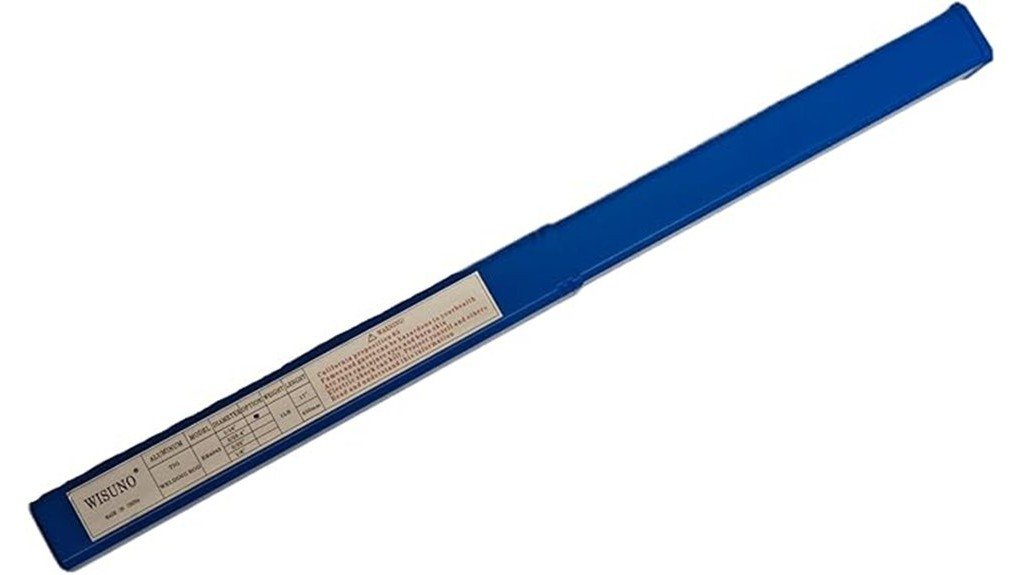
Aluminum welding gets frustrating fast when the filler rod does not match the base metal. Poor fit can lead to cracking, dirty-looking beads, porosity, or joints that are weaker than you expected. The WISUNO ER4043 Aluminum TIG Welding Rods are made for welders who need a smooth-flowing aluminum-silicon filler for common repair, fabrication, and cast aluminum work.
This review helps you decide where these 1/16 inch x 17 inch ER4043 rods make sense, where they fall short, and what you should check before using them on structural or high-strength aluminum parts. They are a practical choice for many 6xxx-series and cast aluminum jobs, but they are not a one-rod answer for every aluminum alloy.
Quick Verdict
Rating: 8/10, Recommended with caveats
Best For: TIG welding 6xxx aluminum, cast aluminum repairs, brackets, housings, and general shop fabrication
Bottom Line: WISUNO ER4043 rods are a strong everyday choice when you want smooth puddle flow, good wetting, and better hot-crack resistance than many harder aluminum fillers. Skip them for unknown alloys, high-magnesium aluminum, or jobs where a qualified structural weld procedure is required.
| Specification | Detail |
|---|---|
| Brand | WISUNO |
| Model / Alloy | ER4043 |
| ASIN | B0F92C5X43 |
| Product Type | Aluminum TIG filler rod |
| Rod Size | 1/16 inch diameter x 17 inches long |
| Package Size | 1 lb welding rod pack |
| Alloy Family | Aluminum-silicon filler metal |
| Silicon Content | About 5% silicon for improved fluidity and crack resistance |
| Primary Process | TIG welding, also called GTAW |
| Common Compatible Alloys | Often used with 3003, 3004, 5052, 6061, 6063, and many cast aluminum alloys when the weld procedure allows it |
| Best Use | General aluminum fabrication, repair work, cast aluminum, brackets, housings, and shop maintenance |
| Main Limitation | Not the best choice for every high-strength, high-magnesium, or code-critical structural application |
| Storage Note | Keep rods dry, clean, and protected from shop dust, oil, and oxidation before welding |
What Is the WISUNO ER4043 Aluminum TIG Welding Rod?
The WISUNO ER4043 Aluminum TIG Welding Rod is a cut-length aluminum filler rod made for TIG welding aluminum and aluminum alloys. This product uses the ER4043 alloy, an aluminum-silicon filler metal known for smooth flow, good wetting, and lower hot-cracking risk on many common aluminum jobs.
The listed size is 1/16 inch x 17 inches, which makes these rods useful for controlled TIG work on thinner aluminum parts, small repairs, brackets, housings, and light fabrication. The 1 lb pack also gives you enough filler for practice, maintenance work, and multiple small projects without buying a large shop-size supply.
ER4043 is popular because it behaves more forgivingly than some stronger aluminum fillers. It does not make every weld stronger, but it can help you get a smoother bead and a more stable puddle when the base metal is compatible.
Key Features and Welding Performance
Aluminum-Silicon Flow Control
ER4043 contains about 5% silicon, which helps the molten filler flow into the joint more easily. For you, that means the puddle can feel smoother and less sluggish compared with some harder aluminum filler rods.
This fluidity helps when you are welding tight corners, cast parts, repair joints, or thin aluminum where control matters. It also supports a cleaner bead profile when your torch angle, amperage, and cleaning prep are correct.
Crack Resistance on Common Aluminum Jobs
Hot cracking can ruin an aluminum weld even when the bead looks acceptable at first. ER4043 is valued because its silicon content can reduce cracking risk on many heat-treatable aluminum alloys and cast aluminum parts.
This makes the rod useful for repairs on cast housings, aluminum brackets, and general shop parts. It does not remove the need for correct joint design, pre-cleaning, and proper heat control.
Rod Size and Control
The 1/16 inch rod size gives you fine filler control for smaller TIG welds. It is easier to feed into a small puddle than a larger rod, especially when you are working on thinner material or a detailed repair.
For thicker aluminum sections, you may need a larger rod size, more amperage, or a different weld procedure. Match the filler size to your base metal thickness, joint type, and machine setup before you start.
Finish and Bead Appearance
ER4043 can produce a clean-looking weld bead when the base metal is prepared well. The filler tends to wet out nicely, which can help reduce rough edges along the bead.
One important limitation is color match after finishing. ER4043 often shows a different shade after anodizing, so it may not be ideal if you need a perfect cosmetic match on visible anodized aluminum parts.
Pro Tip: Clean aluminum with a dedicated stainless steel brush, then wipe away oil and dust before welding. A good filler rod cannot overcome oxide, grease, or poor fit-up.
Who Should Buy It?
Best For
- Welders using TIG on 6061, 6063, and other compatible aluminum alloys
- Repair work on cast aluminum housings, brackets, covers, and shop parts
- DIYers and fabricators who want smoother puddle flow and easier bead control
Skip If
- You are welding unknown aluminum and cannot confirm the alloy family
- You need a qualified structural weld where a procedure calls for another filler
- You are working with high-magnesium aluminum where 4xxx filler is not recommended
Compatibility and Safety
ER4043 is commonly used on 6xxx-series aluminum such as 6061 and 6063, plus many cast aluminum alloys. It can also be suitable for some 3xxx and 5xxx alloys, depending on the exact base metal and weld requirements.
You should not assume one filler works for every aluminum job. Some high-magnesium 5xxx alloys can be a poor match for 4xxx filler metals, and structural applications may require a specific filler, procedure, inspection standard, or engineering approval.
Use normal welding safety practices every time. Wear proper eye, face, hand, and skin protection, use suitable ventilation, and follow your welder manual, filler rod label, and shop safety rules.
Before You Buy: Confirm your base aluminum alloy before choosing ER4043. It is a strong general-purpose filler, but it is not a safe substitute for the filler specified in a structural, marine, aerospace, pressure, or code-controlled weld procedure.
How to Use It Correctly
Prepare the Base Metal
Aluminum forms oxide quickly, and that oxide melts at a much higher temperature than the base metal. Brush the joint with a clean stainless steel brush used only for aluminum, then remove oil, paint, dirt, and moisture before welding.
Match the Rod to the Job
The 1/16 inch diameter works best when you need controlled filler addition. If the aluminum is thick or the joint has a large gap, this rod may feel slow to fill the puddle.
Control Heat Input
Aluminum moves heat quickly, so the weld can go from cold to overheated fast. Use your TIG settings, foot pedal, and travel speed to keep the puddle stable without washing out the joint edges.
Store Rods Clean and Dry
Keep the rods sealed or covered when you are not using them. Shop dust, oil, and moisture can contaminate the rod surface and create avoidable weld problems.
Pros and Cons
Pros
- 1/16 inch x 17 inch TIG rod format gives good control on smaller aluminum welds
- ER4043 aluminum-silicon alloy flows smoothly into many common joints
- Good hot-crack resistance for many 6xxx-series and cast aluminum repairs
- 1 lb pack works well for practice, repairs, and general shop use
- Useful for brackets, housings, cast parts, and non-code fabrication work
Cons
- Not the best filler for every high-strength or high-magnesium aluminum alloy
- May not color-match well after anodizing or cosmetic finishing
- Requires careful cleaning, fit-up, and heat control to avoid weak welds
How It Performs in Real Use
For Automotive Repairs
These rods make sense for non-structural automotive aluminum repairs such as small brackets, covers, housings, and light fabrication parts. The smooth flow helps when you need a neat bead on a small repair area.
Do not use them blindly on wheels, suspension parts, frames, pressure parts, or safety-critical components. Those jobs need the correct procedure, filler selection, and professional judgment.
For Cast Aluminum Repairs
Cast aluminum often has porosity, contamination, and uneven material quality. ER4043 is a useful filler because it wets well and can reduce cracking risk compared with less forgiving choices.
Old castings still need extra prep. Grind out contamination, clean the joint thoroughly, and expect some trial and error if the casting has absorbed oil or dirt over time.
For Workshop Fabrication
For general shop projects, ER4043 works well on many compatible aluminum parts where bead control and crack resistance matter more than maximum tensile or shear strength. It is a good fit for brackets, light frames, enclosures, tabs, and small repair pieces.
The 1/16 inch rod size gives you control, but it is not the fastest filler for large gaps or thick sections. For heavier work, compare rod diameter and filler alloy options before buying.
For TIG Practice
Aluminum TIG takes practice because the puddle forms quickly and contamination shows up fast. These rods are useful for learning puddle control on compatible scrap aluminum because they flow smoothly and respond predictably.
Beginners should still practice cleaning, torch angle, filler timing, and heat control. The rod can make the process easier, but it will not fix poor technique.
Is It Worth the Price?
The WISUNO ER4043 rods are worth considering if you regularly weld compatible aluminum and want a general-purpose TIG filler in a practical 1 lb pack. The strongest value comes from the combination of smooth flow, common alloy compatibility, and manageable 1/16 inch rod size.
This is not a premium specialty filler for every critical job. It is better for everyday repair and fabrication work than for code-controlled structural welding, marine-critical parts, or projects where an engineer or welding procedure specifies another alloy.
For most hobby welders, repair-focused users, and light fabricators, ER4043 is a smart buy when your base metal matches the filler. If your work changes between many unknown aluminum alloys, keep an aluminum filler selection chart nearby and do not rely on one rod for every task.
How It Compares to Alternatives
Compared with ER5356, ER4043 usually offers better puddle fluidity and hot-crack resistance on many 6xxx-series and cast aluminum jobs. ER5356 may be a better choice when the project needs higher ductility, better color match after anodizing, or a filler suited to certain 5xxx-series applications.
Compared with ER4047, ER4043 has lower silicon content and is more common as an everyday aluminum filler. ER4047 can offer even higher fluidity and crack resistance in specific applications, but it is not always the first choice for general shop welding.
Frequently Asked Questions
What aluminum alloys can you weld with WISUNO ER4043 rods?
ER4043 is commonly used with 6061, 6063, 3003, 3004, 5052, and many cast aluminum alloys when the weld requirements allow it. Always confirm the base alloy and weld procedure before using it on critical parts.
Is this specific product for TIG or MIG welding?
This WISUNO product is listed as a TIG filler rod in a 1/16 inch x 17 inch cut-length format. ER4043 alloy is also sold as MIG wire, but this rod pack is intended for TIG welding.
Is ER4043 good for beginners learning aluminum TIG?
Yes, it can be easier to control than some aluminum fillers because it flows well and wets into the joint smoothly. Beginners still need clean metal, proper shielding gas, stable torch angle, and good heat control.
Can ER4043 prevent aluminum weld cracking completely?
No filler rod can prevent cracking completely. ER4043 can reduce hot-cracking risk on many compatible alloys, but joint design, cleaning, amperage, travel speed, and base metal condition still matter.
Is 1/16 inch the right rod size for every aluminum project?
No, 1/16 inch is best for smaller welds, thinner material, and controlled filler feeding. Thicker aluminum or large gaps may need a larger rod, different joint prep, or a different welding setup.
Can you use ER4043 on cast aluminum?
Yes, ER4043 is often used on compatible cast aluminum because it flows well and helps reduce cracking risk. Old cast parts may still need grinding, cleaning, and careful heat control because cast aluminum can hold oil and contamination.
How should you store aluminum TIG filler rods?
Store them dry, covered, and away from oil, shop dust, and grinding debris. Wipe questionable rods before use, and avoid mixing them with steel or stainless filler rods in the same open bin.
Who should skip these ER4043 rods?
Skip them if your project requires a specific filler alloy, inspection standard, or qualified welding procedure that names another filler. You should also avoid them for unknown aluminum alloys until you confirm compatibility.
The Bottom Line
The WISUNO ER4043 Aluminum TIG Welding Rods are a dependable choice for welders who want smooth flow, good crack resistance, and controlled filler feeding on compatible aluminum. They make the most sense for 6xxx-series aluminum, many cast repairs, and general shop fabrication.
Skip them if you need a code-qualified structural weld, a perfect anodized color match, or compatibility with an unknown aluminum alloy. For everyday aluminum TIG work where ER4043 is the right filler, this 1/16 inch x 17 inch, 1 lb pack is a practical option.