Disclosure: As an Amazon Associate, we earn from qualifying purchases. If you click a link on this page and make a purchase, we may receive a small commission at no extra cost to you.
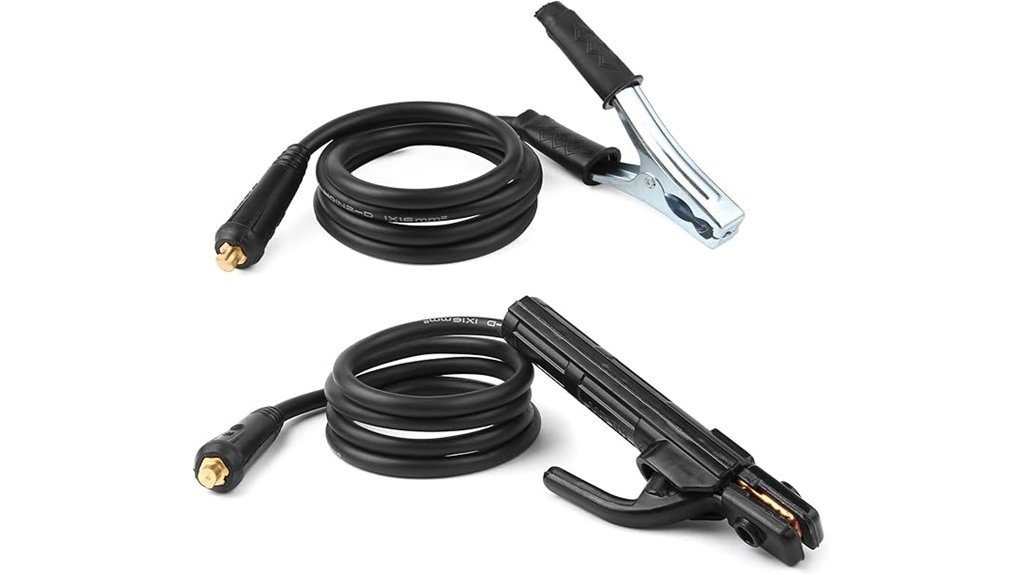
A weak electrode lead can cause more than frustration. Loose contact, short reach, heat buildup, or poor clamp pressure can make an MMA or ARC welding session feel harder than it should. The Welding Electrode Holder Lead is built as a simple replacement lead for compatible welders, using a 4.9 ft copper cable, a 10-25 Din quick connector, and a nylon-bodied electrode holder. This review helps you decide whether its short, easy-to-manage design is enough for your bench work, or whether you should choose a longer, heavier-duty lead instead.
Quick Verdict
Rating: 8/10
Best For: DIY welders, hobby metal repair users, and small workshop MMA/ARC setups that use a 10-25 Din port
Bottom Line: This Welding Electrode Holder Lead offers good everyday value if you want a compact 4.9 ft lead with copper stranding and a standard 10-25 Din connector. Its main tradeoff is reach, so it is better for close-range bench work than large fabrication spaces.
| Specification | Detail |
|---|---|
| Product Name | Welding Electrode Holder Lead |
| Listing Identifier | ASIN B0CKRPHQB3 |
| Product Type | Electrode holder lead / welding stinger cable assembly |
| Compatible Welding Type | MMA, ARC, and stick welding setups |
| Advertised Amperage Use | Listed for 300A welder machine use |
| Cable Length | 4.9 ft / 1.5 m |
| Connector Type | 10-25 Din quick connector |
| Connector Diameter | Approx. 9 mm / 0.35 in listed diameter |
| Conductor Material | Pure copper flexible stranding |
| Holder Body Material | Heavy-duty nylon body |
| Contact Components | Copper guide, copper wire, and upper/lower jaws listed |
| Listed Item Weight | 2.5 lb / 1.13 kg on fallback marketplace listing |
| Best Use | Close-range welding, bench repair, small shop work, and replacement lead use |
| Safety Note | Confirm connector size, inspect insulation, and match the lead to your welder output before use |
What Is the Welding Electrode Holder Lead?
The Welding Electrode Holder Lead is a cable-based welding accessory that connects an electrode holder to a compatible MMA, ARC, or stick welding machine. The listing describes a 4.9 ft cable, a 10-25 Din quick connector, and a copper-based contact path for current transfer.
Its job is simple but important. It helps carry welding current from your machine to the electrode while giving you a hand-held clamp for controlling the rod. For small workshop users, the short cable can be easier to manage than a long lead that drags across the floor.
The product is not a complete welder, welding helmet, or full lead set. You should treat it as a replacement or add-on lead for machines that already match the 10-25 Din connector size.
Who Should Buy It?
Best For
- DIY welders replacing a worn or missing electrode holder lead
- Small workshop users working close to the welding machine
- MMA, ARC, or stick welding users with a 10-25 Din output port
Skip If
- You need a longer 10 ft or 15 ft lead for a larger work area
- Your welder uses a different connector size than 10-25 Din
- You need verified industrial-duty specifications from the manufacturer
Fit and Compatibility
The most important buying detail is the 10-25 Din quick connector. Many smaller inverter welders use Din-style output ports, but not all welders use the same size. A connector that looks close may still fail to seat correctly if the pin diameter or port size is different.
The listed connector diameter is about 9 mm / 0.35 in. Before you buy, compare that with your welder manual, existing lead, or machine port marking. A correct fit helps the connector lock tightly and reduces the risk of heat buildup from a loose electrical contact.
Before You Buy: Confirm your welder uses a 10-25 Din connector. If your machine uses a 35-50 Din port or another output style, this lead may not fit without the correct adapter.
Build Quality and Materials
The lead uses pure copper flexible stranding, which is a useful detail for welding current transfer. Copper helps reduce resistance compared with lower-grade conductors, so the arc can feel more stable when the connection is clean and tight.
The holder body is described as heavy-duty nylon. Nylon can help with heat resistance and basic durability, but it does not make the lead immune to abuse. You should still keep the cable away from fresh welds, sharp metal edges, grinding sparks, and heavy shop traffic.
The listing also references copper guide parts and upper and lower jaws. Those contact points matter because poor jaw grip can make electrode control harder, especially when you change rod angle or work in awkward positions.
Cable Length and Handling
The 4.9 ft / 1.5 m cable is one of the product’s biggest strengths and limitations. In a small work area, the short length keeps cable clutter down and makes storage easier. You can move around a bench project without dragging a long lead across the floor.
In a larger shop, the same short cable can feel restrictive. You may need to reposition the welder, move the workpiece, or stand closer to the machine than you prefer. If you weld large frames, gates, trailers, or outdoor projects, a longer lead will likely be more convenient.
Performance in Welding Use
For light to moderate MMA and ARC welding, this lead focuses on basic current delivery rather than advanced comfort features. The copper cable and Din connector support practical home repair work, provided your machine and amperage needs match the lead.
The listing language references 300A welder machine use, but you should still follow your welder manual and duty cycle limits. A cable can only perform safely when the machine output, connector fit, electrode size, and work time all stay within reasonable limits.
When the connector is tight and the electrode is clamped properly, the lead should help reduce accidental arc interruptions. If the arc feels unstable, check the ground clamp, workpiece surface, connector seating, cable condition, and electrode angle before blaming the lead.
Pro Tip: Clean the Din connector and electrode jaws before each session. A small amount of slag, dust, or oxidation can increase resistance and make the arc feel less consistent.
How It Performs in Real Use
For Bench Repairs
This lead makes the most sense for close-range repairs on brackets, small frames, shop tools, and light metal parts. The shorter cable keeps your work area cleaner and reduces the chance of stepping on excess cable.
For Small Workshop Projects
In a garage or compact shop, the 4.9 ft length can be convenient. You can keep the welding machine near the bench and avoid the tangled mess that sometimes comes with longer replacement leads.
For Outdoor Repairs
Outdoor use is possible, but the short reach can become limiting. If you are repairing fencing, gates, equipment, or a vehicle part that cannot be moved near the welder, you may need a longer lead or a different cable setup.
For Longer Welding Sessions
The lead can handle normal repair-style work when used correctly, but it is not the best choice for long industrial sessions where verified heavy-duty ratings, thicker insulation, and extended reach matter. For high-output daily use, compare it with a heavier lead from a known welding brand.
Setup Tips Before First Use
Start by turning the welder off before connecting or removing the lead. Insert the 10-25 Din connector fully, then twist or lock it according to your machine’s port design. A half-seated connector can heat up and cause poor arc behavior.
Check the cable insulation before each use. Do not use the lead if you see cuts, melted areas, exposed conductor, loose jaws, or a connector that no longer locks securely. Welding current is unforgiving, so small damage can become a serious safety issue.
Match your electrode size and amperage to your welder manual. The lead may be listed for 300A use, but the safe setup depends on your machine, electrode type, workpiece, duty cycle, and connection quality.
Safety and Material Notes
This is a high-current welding accessory, so you should treat it as safety-related gear. Wear proper welding gloves, eye and face protection, protective clothing, and follow your welding machine instructions. Do not touch live metal parts when the machine is powered.
Keep the nylon body and cable away from direct weld spatter, grinding sparks, and hot workpieces. Also avoid tight bends near the connector because repeated stress can weaken the cable over time.
Good grounding still matters. Even a good electrode lead cannot fix a poor ground connection, dirty workpiece surface, painted metal, or loose work clamp. Clean contact points help improve weld consistency and reduce unnecessary heat at the connections.
Pros and Cons
Pros
- Pure copper flexible stranding supports efficient current transfer
- 4.9 ft cable is easy to handle in small garages and bench setups
- 10-25 Din connector works with many compatible smaller welding machines
- Nylon holder body offers basic heat resistance and workshop durability
- Listed 300A use makes it suitable to compare for heavier hobby welding setups
Cons
- Short cable limits movement around large workpieces
- Brand and full manufacturer documentation were not clearly verified
- Compatibility depends on your exact Din port size, not just the welder type
Need a compact replacement lead?
Check the product details and confirm the 10-25 Din connector before ordering.
Is It Worth the Price?
This Welding Electrode Holder Lead fits the budget to mid-range replacement accessory category. It is worth considering if you need a simple electrode lead for close-range MMA or ARC welding and your welder uses a 10-25 Din port.
You get the most value from it when you work on small repairs, garage projects, and occasional fabrication jobs near the welding machine. The copper stranding, short cable, and standard-style connector make it practical without adding unnecessary complexity.
It is not the best fit if you want a premium industrial lead with clearly documented brand support, a longer reach, or a heavy rubber jacket. In that case, you should compare longer rubber-insulated leads with verified amperage and duty-cycle details.
How It Compares to Alternatives
Compared with 10 ft or 15 ft electrode leads, this model is easier to store and manage but gives you less working distance. That makes it better for bench jobs than large metal fabrication or outdoor equipment repair.
Compared with premium rubber-insulated leads from welding-focused brands, this lead appears simpler and more budget-minded. If you care most about reach, thick insulation, and brand-backed documentation, a heavier industrial lead may be better. If you mainly want a compact replacement lead for a compatible welder, this one fits the basic need well.
Frequently Asked Questions
Is this compatible with all welding machines?
No. It is intended for welders that use a 10-25 Din connector. Check your welder manual, port marking, or old lead before buying because similar-looking Din connectors can be different sizes.
What welding types is it made for?
The listing supports MMA, ARC, and stick welding use. It is not a TIG torch, MIG gun, plasma cutting lead, or complete welding machine.
Can it handle heavy-duty welding?
The listing describes 300A welder machine use, but you should still match the lead to your welder output and duty cycle. For continuous industrial welding, a longer, heavier rubber-insulated lead with clear manufacturer documentation may be safer to compare.
Is the 4.9 ft cable long enough?
It is long enough for close bench work, small repairs, and compact welding areas. It may feel too short if you weld large frames, outdoor equipment, or projects that cannot sit near the machine.
Why does copper wiring matter in an electrode lead?
Copper conducts welding current efficiently and helps reduce resistance in the cable. That can support steadier arc behavior when the connector, ground clamp, and electrode holder contacts are clean and tight.
How should you maintain the lead?
Wipe the connector and jaws clean after use, then store the cable without sharp bends. Replace the lead if you see exposed wire, melted insulation, loose jaws, or a connector that no longer seats firmly.
Can this replace a damaged original welding lead?
Yes, it can be considered as a replacement if the connector size, amperage needs, and cable length match your setup. Do not use it as a replacement just because the welding type matches, since connector fit is the key detail.
Who should skip this electrode holder lead?
Skip it if your welder does not use a 10-25 Din connector or if you need more reach around large workpieces. You should also choose a more documented industrial lead if you weld at high output for long sessions every day.
The Bottom Line
The Welding Electrode Holder Lead is a practical buy for DIY welders and small workshop users who need a compact 4.9 ft replacement lead for a compatible 10-25 Din MMA or ARC welder. Its main strengths are copper stranding, simple handling, and easy close-range use, while its main limits are short reach and incomplete brand-level documentation. Skip it if you need a long industrial lead or your machine uses a different connector size.