Disclosure: As an Amazon Associate, we earn from qualifying purchases. If you click a link on this page and make a purchase, we may receive a small commission at no extra cost to you.
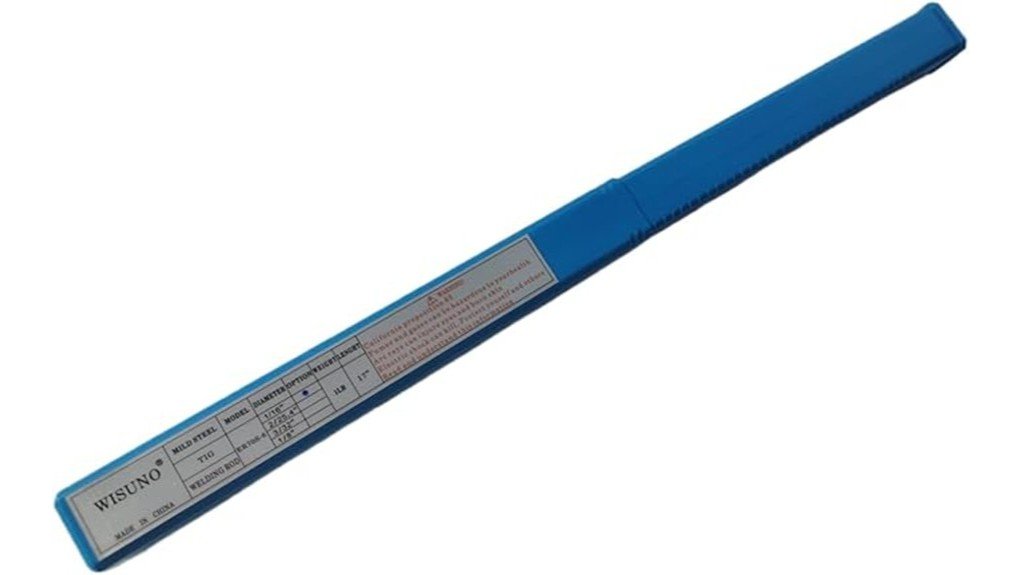
Choosing the wrong TIG filler rod can make a mild steel job harder than it needs to be. Poor fit, dirty material, or the wrong filler metal can affect puddle control, bead shape, cleanup time, and weld strength. These ER70S-6 Mild Steel TIG Welding Rods are 1/16 inch by 17 inches and come in a 1LB package for smaller carbon steel, low-alloy steel, and mild steel jobs. This review helps you decide where these rods make sense, where they fall short, and what to check before you buy.
Quick Verdict
Rating: 8.2/10
Best For: TIG welders working on mild steel, carbon steel, low-alloy steel, practice beads, small fabrication, automotive steel repairs, and light shop projects.
Bottom Line: These ER70S-6 TIG rods are worth considering if you want a small 1LB pack with a controlled 1/16 inch diameter and a copper-plated surface for smoother handling. The tradeoff is limited compatibility, since they are not the right filler for aluminum, stainless steel, cast iron, or unknown base metals.
| Specification | Detail |
|---|---|
| Model | ER70S-6 |
| Product Type | Mild steel TIG welding filler rods |
| Rod Size | 1/16 inch diameter x 17 inches long |
| Package Size | 1LB package |
| Design | Copper-plated TIG rod for gas-shielded welding |
| Material Compatibility | Mild steel, carbon steel, and compatible low-alloy steel |
| Not For | Aluminum, stainless steel, cast iron, or unknown alloys unless your welding procedure specifically calls for this filler |
| Common Weld Types | Butt welds, fillet welds, and all-position welding when your setup and skill support the joint |
| Best Use | Practice beads, small fabrication, automotive steel work, machinery repair, shop projects, and compatible construction tasks |
| Storage Note | Store dry, clean, and protected from moisture, oil, dust, and grinding debris |
| Verification Note | Brand, warranty terms, certifications, and listing-level documentation were not confirmed from the supplied article |
What Are ER70S-6 Mild Steel TIG Welding Rods?
ER70S-6 mild steel TIG welding rods are filler rods used with a TIG torch and shielding gas to join compatible steel parts. This 1/16 inch x 17 inch version is sized for smaller welds, controlled filler placement, and lighter fabrication work where a larger rod may be harder to manage.
The copper-plated surface helps protect the rod during storage and handling while giving you a smoother feel when feeding the rod into the weld puddle. The ER70S-6 classification is commonly chosen for carbon steel and low-alloy steel jobs where bead appearance, arc control, and practical shop use matter.
These rods are best treated as a general-purpose mild steel TIG filler option, not a universal welding solution. Before welding, you should confirm the base metal, joint design, material thickness, shielding gas setup, and any job-specific requirements.
Before You Buy: These rods are for mild steel, carbon steel, and compatible low-alloy steel work. Do not use them for aluminum, stainless steel, cast iron, or unknown alloys unless your welding procedure specifically calls for this filler, because the wrong filler can weaken the weld and create poor results.
Who Should Buy It?
Best For
- TIG welders working on mild steel, carbon steel, or compatible low-alloy steel.
- Beginners who want a manageable 1/16 inch rod for practice beads and smaller joints.
- Fabricators who need clean-looking butt welds, fillet welds, brackets, tabs, and repair work.
Skip If
- You need filler for aluminum, stainless steel, cast iron, or another non-mild-steel material.
- You want a larger rod diameter for heavy weld buildup or thicker steel sections.
- You need verified certifications, brand documentation, or procedure-specific paperwork before purchase.
Key Takeaways
- The ER70S-6 model is made for TIG welding mild steel, carbon steel, and compatible low-alloy steel.
- The rods measure 1/16 inch x 17 inches and come in a 1LB package.
- The copper-plated design supports smoother handling and helps protect the rod surface during storage.
- These rods can support butt welds, fillet welds, and all-position welding when your TIG setup and technique support the joint.
- They are practical for practice, vehicle steel work, machinery repair, fabrication, construction tasks, and smaller shop projects.
Size, Packaging, and Handling
The ER70S-6 Mild Steel TIG Welding Rods focus on controlled TIG work rather than high-volume weld buildup. The 1/16 inch diameter gives you more control on smaller joints, thin material, and practice work where bead placement matters.
The 17 inch rod length gives you enough reach for common bench and repair positions while staying easier to manage than a longer rod in tight areas. The 1LB package also makes sense if you want a smaller supply for home shop use, occasional repair work, or TIG practice.
This size is not the best match for every steel thickness. If your weld needs a wider bead, faster fill, or heavy buildup, you may need a larger filler rod, multiple passes, or a different welding plan.
Materials and Build Quality
These rods are described as copper-plated ER70S-6 mild steel TIG rods for gas-shielded welding on low-alloy steel, carbon steel, and mild steel. That material range fits many brackets, tabs, panels, frames, shop fixtures, vehicle parts, and equipment repairs when the base metal is compatible.
The copper-plated finish is a practical detail. It helps protect the rod surface during handling and storage, and it can make the filler feel smoother as you feed it into the weld puddle.
The main limitation is documentation. The supplied article does not confirm brand, warranty terms, certifications, or procedure paperwork, so buyers with code work or formal shop requirements should confirm those details before ordering.
Arc Control and Weld Appearance
Many welders choose ER70S-6 TIG rods because they want steady puddle control and a neat bead on mild steel. A controlled filler rod helps you manage heat, bead width, and filler timing, especially on smaller parts or visible welds.
These rods can help produce smooth-looking weld seams when your base metal is clean, your shielding gas is set correctly, and your torch angle stays steady. The rod alone cannot fix poor surface prep, loose fit-up, wrong amperage, or contaminated steel.
TIG welding does not create slag in the same way as stick welding. The better way to judge cleanup is by how much grinding, brushing, or rework the weld needs after your settings and surface preparation are correct.
Fit, Compatibility, and Safety Notes
These rods are made for TIG welding jobs on compatible steel materials. They are a fit for mild steel, carbon steel, and compatible low-alloy steel, but they should not be treated as a one-rod answer for every metal in your shop.
The 1/16 inch diameter is helpful when you need control on smaller joints. For thicker steel, larger fillets, or high-deposition work, you may need a different rod diameter or a welding procedure that matches the material thickness.
Before using these rods, check your TIG machine settings, tungsten size, shielding gas setup, base metal thickness, and joint design. Welding can create heat, fumes, bright arc light, and burn hazards, so use suitable protective gear and follow safe shop practices.
Pro Tip: Clean the base metal before TIG welding and keep the filler rods dry. Even a good ER70S-6 rod can perform poorly if the steel has oil, paint, rust, moisture, or heavy mill scale near the weld zone.
Applications and Versatility
Versatility is the main reason to consider these mild steel TIG welding rods. They can support common repair and fabrication tasks across home shops, garages, light construction work, vehicle steel repair, and equipment maintenance.
Typical uses include:
- Butt welding compatible mild steel parts.
- Fillet welding brackets, tabs, frames, and small assemblies.
- Practice beads where you want controlled filler timing.
- Automotive steel repairs when the base material is confirmed.
- Machinery, shop fixture, and fabrication projects where bead control matters.
The rods work best when you pair them with good fit-up, clean steel, and a stable TIG setup. Poor joint prep can still lead to weak or rough welds, even when the filler rod matches the base metal.
How It Performs in Real Use
For Practice and Skill Building
The 1/16 inch diameter is useful when you are learning how to dip filler into the weld puddle without flooding the joint. It gives you a controlled filler rate, which can help you practice rhythm, torch angle, heat control, and bead spacing.
For Small Fabrication Jobs
For brackets, tabs, light frames, and similar mild steel parts, these rods offer a practical balance of control and strength. They make the most sense when the joint needs a neat bead and a larger filler rod may add too much material.
For Automotive and Equipment Repairs
These rods can make sense for compatible steel repairs on vehicles, construction machinery, and shop equipment. You should still inspect the part first, because coated, hardened, stainless, cast, or unknown metals may need a different filler or process.
For Vertical or Overhead Work
The article-supported use includes all-position welding when your setup and skill support the position. In real use, vertical and overhead TIG welding require careful heat control, a stable hand position, and consistent filler timing, so beginners should practice before using these rods on demanding joints.
How to Use These TIG Rods Correctly
Start by confirming that your base material is mild steel, carbon steel, or compatible low-alloy steel. Clean the joint area until it is free from oil, grease, paint, heavy rust, and loose scale, because TIG welding is sensitive to contamination.
Match the 1/16 inch filler rod to your material thickness and machine settings. If the rod melts too quickly, balls up, or feels hard to control, adjust your heat, travel speed, torch angle, or filler timing before assuming the rod is the problem.
Store unused rods in a sealed container, rod tube, or dry drawer after opening the package. Moisture, dust, oil, and grinding debris can affect consistency and make welding less predictable.
Common Mistakes to Avoid
- Using the rods on the wrong metal: ER70S-6 is not meant for aluminum welding, and it should not be treated as a universal filler rod.
- Skipping surface prep: Dirty steel can cause poor puddle control, contamination, and rough bead appearance.
- Choosing the wrong diameter for the job: A 1/16 inch rod is useful for control, but thicker work may need a larger filler rod or a different process plan.
- Leaving rods exposed: Keep rods dry and clean so the copper-plated surface stays in better condition.
- Ignoring procedure needs: If your work requires certifications or formal documentation, confirm those details before you buy.
Pros and Cons
Pros
- ER70S-6 model suits many mild steel, carbon steel, and compatible low-alloy steel TIG jobs.
- 1/16 inch diameter gives good control for smaller joints, thin material, and practice work.
- Copper-plated design supports smoother handling and helps protect the rod surface.
- Works for butt welds, fillet welds, and all-position welding when your setup supports it.
- 1LB package is practical for hobby use, repair work, and smaller shop needs.
Cons
- Not suitable for aluminum, stainless steel, cast iron, or unknown alloys.
- 1/16 inch size may be too small for heavier weld buildup or thicker steel.
- Brand, certification details, and warranty terms were not confirmed from the supplied article.
Is It Worth the Price?
These ER70S-6 mild steel TIG rods are worth considering if you need a small, practical 1LB supply for mild steel TIG welding. The value is strongest for buyers who want controlled filler placement, clean bead potential, and a rod size that works well for practice and lighter fabrication.
They are not the best fit if you need a verified industrial procedure filler with documented certifications before buying. They also may not be the right choice if your work involves thicker steel that calls for a larger diameter rod.
For general shop use, automotive steel work, equipment repair, and TIG practice on compatible material, this rod package offers a useful mix of size, versatility, and convenience.
How It Compares to Alternatives
Compared with ER70S-2 filler rods, ER70S-6 is often chosen for general mild steel and carbon steel TIG work where smooth operation and bead appearance matter. ER70S-2 may be worth comparing when your procedure, base metal condition, or shop standard calls for that classification.
If you are welding stainless steel, compare stainless filler options such as ER308L instead. If you are welding aluminum, compare aluminum filler options such as ER4043 or ER5356. These ER70S-6 rods make the most sense when your project is mild steel, carbon steel, or compatible low-alloy steel.
Frequently Asked Questions
What are these ER70S-6 TIG rods best used for?
They are best used for TIG welding mild steel, carbon steel, and compatible low-alloy steel. Common jobs include butt welds, fillet welds, automotive steel repairs, small fabrication, shop fixtures, and practice beads.
Can these rods be used for aluminum welding?
No. These rods are not suitable for aluminum welding. Aluminum requires compatible aluminum filler rods, and using the wrong filler can lead to poor bonding and weak results.
Are 1/16 inch TIG rods good for beginners?
Yes, 1/16 inch rods can be helpful for beginners because they are easier to control on smaller joints and practice beads. They may not be ideal for heavy material where more filler volume is needed.
Do these rods work with all TIG welding machines?
They should work with TIG setups that are appropriate for mild steel filler rods and the 1/16 inch rod size. You still need to match your machine settings, tungsten, shielding gas, base metal, and joint design to the job.
How should you store mild steel TIG welding rods?
Store them in a dry, clean place, ideally inside a sealed tube, rod container, or covered drawer. Keeping them away from moisture, dust, oil, and grinding debris helps protect the rod surface.
What should you check before using these rods?
Confirm the base metal, joint type, material thickness, TIG settings, tungsten size, and shielding gas setup. If the project requires certified filler documentation, verify that information before buying.
What is the shelf life of these TIG rods?
Shelf life depends on storage conditions. If the rods stay dry, clean, and protected from contamination, they can remain usable for a long time, but you should avoid rods with heavy rust, oil, or surface damage.
Who should skip these ER70S-6 TIG rods?
Skip them if your project uses aluminum, stainless steel, cast iron, or unknown material. You should also compare other rod sizes if you need heavier filler buildup on thicker steel.
The Bottom Line
The ER70S-6 Mild Steel TIG Welding Rods are recommended for welders who need a 1/16 inch x 17 inch filler rod for mild steel, carbon steel, and compatible low-alloy steel work. Their strengths are controlled handling, smooth bead potential, and a practical 1LB package, while the main limitation is that they are not suitable for every metal or every rod-size requirement.
Buy them if you want a manageable TIG rod package for practice, small fabrication, repair work, and compatible steel projects. Skip them if you need aluminum filler, stainless filler, cast iron filler, larger-diameter rods, or verified procedure-specific documentation before purchase.