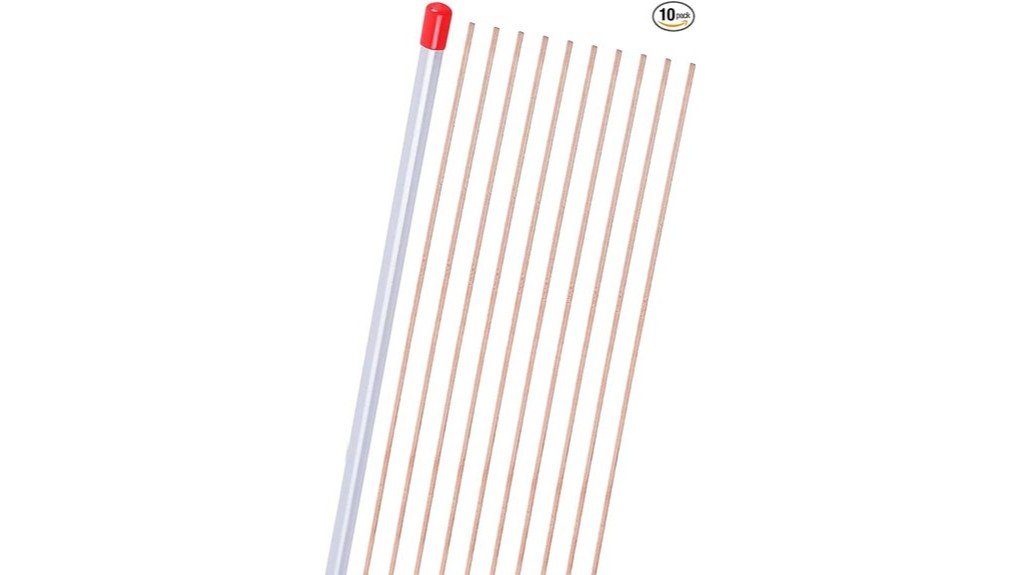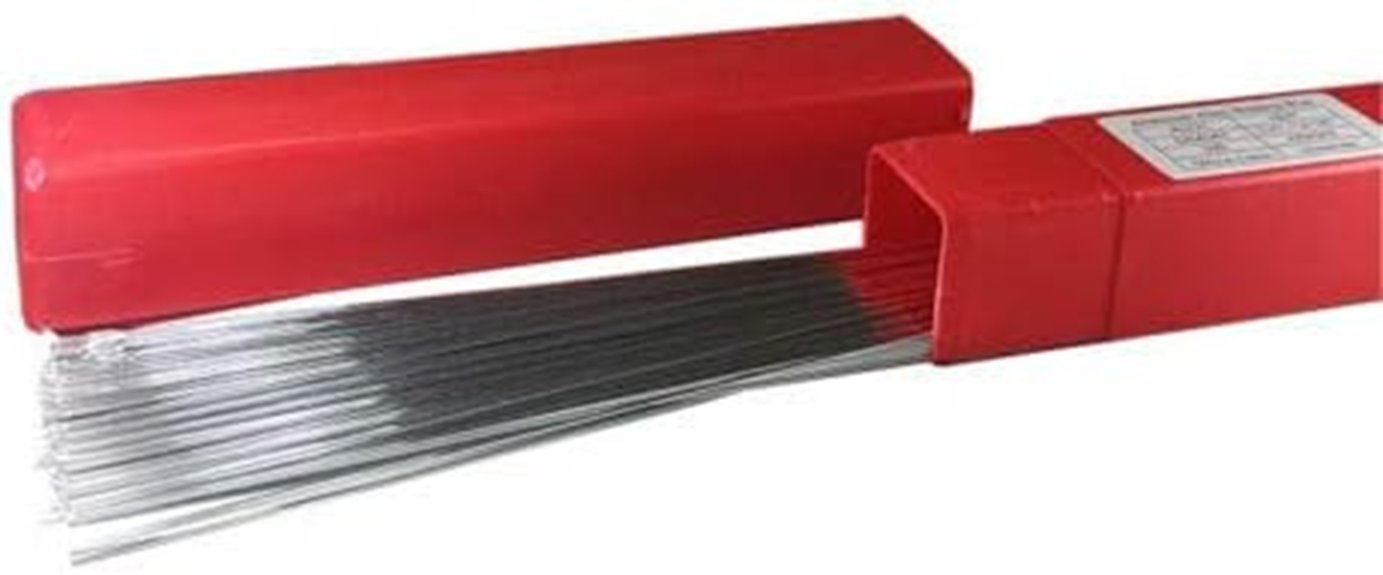
The ER5356 aluminum TIG filler rod is an aluminum-magnesium filler for TIG welding 5xxx and 6xxx series aluminum, where you want more strength and better corrosion resistance than ER4043 gives. The listing offers 1/16, 3/32 and 1/8 in diameters and a 5 lb pack, so the main buying decisions are the alloy match and the rod size. This review explains where ER5356 fits, where it does not, and how to set up for it. It is based on the Amazon listing and standard AWS A5.10 classification knowledge, not hands-on testing.
Quick Verdict
Best For: TIG welders working on 5xxx and 6xxx series aluminum, including marine and trailer work, who need a stronger magnesium-alloyed filler.
Bottom Line: ER5356 is a sound choice for many aluminum TIG jobs, but it is not the right filler for every alloy or every service temperature. Match the filler to your base metal, pick the diameter by thickness, and confirm the size and pack on the listing before ordering.
| Specification (per the listing) | Detail |
|---|---|
| Product type | Aluminum TIG (GTAW) filler rod |
| Classification | ER5356, AWS A5.10 (per the listing) |
| Alloy family | Aluminum-magnesium (5xxx series filler) |
| Diameters | 1/16, 3/32 and 1/8 in options (per the listing) |
| Pack size | 5 lb option (per the listing); confirm the length and weight of the variant you select |
| Process | TIG, normally AC with pure argon shielding gas |
| Typical base metals | 5xxx and 6xxx series aluminum, such as 5052 and 6061 |
| Not for | Steel, stainless steel, or high-silicon casting alloys |
| Price | Changes often; check the listing |
What Is the ER5356 Aluminum TIG Filler Rod?
ER5356 is an aluminum filler alloyed with about 5 percent magnesium. That magnesium raises weld strength compared with the silicon-based ER4043 filler, and it gives better corrosion resistance in wet or marine-type conditions. It is also the usual choice when the part will be anodized after welding, because the weld color tends to match 5xxx and 6xxx base metal better than ER4043.
The rod comes as straight lengths that you feed by hand into an AC TIG puddle. Choose it for 5052, 5083, 5086 and many 6061 and 6063 jobs, and check a filler selection chart if your base metal is a casting or an unusual alloy.
ER5356 or ER4043?
- Strength: ER5356 is generally the stronger filler. ER4043 is softer.
- Fluidity: ER4043 flows more freely and is often easier for beginners. ER5356 is a little stiffer in the puddle.
- Anodizing: ER5356 usually matches better after anodizing. ER4043 can turn dark.
- Heat: magnesium-rich welds are not recommended for sustained service at elevated temperature, so keep ER5356 away from parts that run hot all the time.
- Base metal: use ER5356 on 5xxx series. On 6061, either can be specified, so follow the drawing or procedure.
Our other aluminum filler reviews cover ER4043 TIG rods and ER5356 MIG wire if you want to compare.
Choosing the Rod Diameter
Pick the diameter by joint thickness and amperage. These are rules of thumb, not a procedure.
- 1/16 in: thin sheet and tight, low-amp work where you need to add metal in small amounts.
- 3/32 in: the general-purpose size for most 1/8 in to 3/16 in material.
- 1/8 in: heavier sections and higher amperage, where a thin rod would melt before it reaches the puddle.
A 5 lb pack is a lot of rod for occasional repairs. If you only weld aluminum now and then, check whether a smaller pack of the size you use is available.
How to Use ER5356 for TIG Welding
- Clean the aluminum. Remove oil, then scrub off the oxide layer with a stainless brush used only for aluminum.
- Wipe the rod too. Dirty filler brings contamination into the puddle.
- Set the machine to AC and use pure argon. Check the manual for balance and frequency settings.
- Use a clean, correctly prepared tungsten and a gas cup size that suits the joint.
- Keep the rod tip inside the gas shield and dip it into the leading edge of the puddle.
- On thick sections, a modest preheat can help. Follow the procedure for your alloy and part.
Pro Tip: Aluminum shows contamination quickly. If the puddle looks gray, sooty or will not wet in, stop and re-clean the joint and the rod before you change the settings.
Compatibility and Limits
ER5356 is a TIG filler for aluminum only. It is not for steel or stainless steel. It is also not the first choice for high-silicon casting alloys, where a silicon filler is normally used.
For structural, pressure, marine hull or code work, follow the welding procedure and the filler specification that apply to the job. A listing can tell you the alloy and size, but it cannot tell you what your project requires.
Safety
Wear a properly shaded helmet, gloves and flame-resistant clothing, and ventilate the area. Aluminum TIG produces a bright arc and ozone, so keep fume away from your breathing zone. Do not weld near solvents or degreasers that can form hazardous fumes in an arc.
Is It Worth the Price?
This page does not quote a price because prices change. Compare the cost per pound of the pack size you actually need, and make sure the diameter and alloy are right before you compare brands. A cheaper rod in the wrong size or alloy costs more in the end.
Pros and Limitations
Pros
- Magnesium-alloyed filler for 5xxx and 6xxx aluminum
- Good corrosion resistance for marine-type work
- Usually matches anodized finishes better than ER4043
- Three diameters offered per the listing
Limitations
- Not for steel, stainless or most casting alloys
- Not recommended for sustained high-temperature service
- A 5 lb pack is more than occasional users need
- Needs AC TIG with clean prep and pure argon
Related guides: 3/32 ER4043 aluminum TIG rod review | ER5356 aluminum MIG wire review | Best 5356 TIG filler rods | AC/DC TIG welder for aluminum
Frequently Asked Questions
Is ER5356 suitable for marine applications?
ER5356 is a common filler for 5xxx series marine aluminum because of its corrosion resistance. For hulls and other regulated work, follow the filler and procedure the builder or code specifies.
Can I TIG weld aluminum with ER5356 on DC?
Aluminum TIG welding normally uses AC, which cleans the oxide layer. A DC-only machine will not give a good result on aluminum.
What shielding gas should I use with ER5356?
Pure argon is the usual choice for aluminum TIG. Thick sections sometimes use an argon-helium mix. Check your machine manual and procedure.
What is the difference between ER5356 and ER4043?
ER5356 is magnesium-alloyed and generally stronger, with better corrosion resistance and anodizing color match. ER4043 is silicon-alloyed and flows more freely. Choose by base metal and service conditions.
How should I store aluminum filler rod?
Keep it dry, capped and away from grinding dust and oil. Wipe the rod before welding if it has been handled or stored in a dusty shop.
The Bottom Line
The ER5356 aluminum TIG filler rod is a practical choice for 5xxx and 6xxx series aluminum when you need a stronger, corrosion-resistant filler and your machine can run AC TIG. Skip it for steel, castings or parts that run hot, and confirm the diameter and pack size on the listing before you buy.
Ready to Buy?
Choose the diameter and pack size you need, then check the current price and details.