
Hobart welding rods in this guide are stick electrodes: 6013 for all-purpose work, 7018 low-hydrogen for structural jobs and one 4043 aluminum stick electrode. The seven listings below differ mainly in diameter (3/32 or 1/8 in.) and pack size (5 or 10 lb).
This guide points out the rods worth keeping on your shelf and explains which one fits the project you care about.
Hobart Welding Rods Compared
|
Category |
Product |
|---|---|
|
Best All-Purpose |
|
|
Best For AC Welders |
|
|
Best For High-Volume |
|
|
Best Value 10lb |
|
|
Also Consider |
|
|
Best For Aluminum |
|
|
Best For Beginners |
How These Picks Were Chosen
Picks are based on the product listings and manufacturer-stated specs, not on hands-on testing. Several entries are the same rod in different pack sizes, so compare weight and price per pound on the listing.
Weights and dimensions in the comparison table come from the listings. Confirm amperage ranges on the package for your machine.
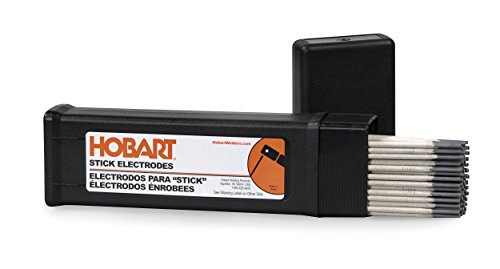
You want a reliable, do-it-all rod when your shop work ranges from thin sheet repairs to heavier farm fixes. The Hobart 6013 1/8 is that kind of rod: easy to strike, forgiving on imperfect fit-ups and usable in all positions.
It performs well on mild carbon steel and runs on AC or DC, so you won’t need to switch electrodes for most everyday tasks.
When To Use
|
Situation |
How It Helps |
|---|---|
|
Routine Shop Repairs |
You can rely on steady arcs and easy control to fix farm equipment, gates or tool mounts without fuss. |
|
Learning And Practice |
The forgiving arc makes it easier for you to develop consistent travel and bead technique while you practice. |
|
Poor Fit-Up Joints |
The flux and bead profile help bridge gaps, so you don’t need perfect alignment to get an acceptable weld. |
|
Mixed-Thickness Projects |
With simple amperage tweaks you can use the same rod across thinner panels and moderate plate, reducing tool changes. |
Durability
Stored in its plastic container the rods stay usable for routine work, but you should keep them dry.
Key Benefits
- Easy arc starts and predictable bead control so you spend less time restarting
- Works in all positions and tolerates poor fit-up for practical shop repairs
- Good light-to-medium penetration for thin to moderate thickness steel
- Comes in a protective plastic pack for convenient storage
It runs in all positions, tacks well and gives a stable arc that cuts down on spatter and cleanup. That makes it useful for structural work, heavy equipment repairs and any task where tensile strength and predictable metallurgy matter.
Keep it in your kit for projects where the weld quality needs to hold up under inspection.
When To Use
|
Situation |
How It Helps |
|---|---|
|
Structural Fabrication |
You get welds with reliable tensile strength and low hydrogen content, suitable for load-bearing joints. |
|
Out-Of-Position Work |
Stable arc and controllable puddle help you tack and finish vertical or overhead welds with less fuss. |
|
Equipment Repair |
Low spatter and easy slag removal speed cleanup so you can get machines back in service faster. |
|
Code-Critical Jobs |
Predictable metallurgy and clean beads make inspections simpler when standards and documentation matter. |
Durability
Performance is solid when rods are stored dry. Low-hydrogen coatings are sensitive to moisture and rough handling, so inspect packs on arrival and move open boxes to sealed storage or a rod oven for long-term reliability.
Key Benefits
- Low-hydrogen chemistry for stronger, less brittle welds
- Stable arc and low spatter for cleaner beads and quicker cleanup
- All-position capability for vertical and overhead work
- Good choice for structural, pressure-vessel and heavy fabrication

They give a steady arc and a controllable puddle, which makes out-of-position work and tacking less fussy.
That reliability pays off on structural repairs, heavy-equipment maintenance and any task where you want predictable metallurgy and cleaner beads. Keep them in your kit for projects where strength and inspection-ready results matter.
When To Use
|
Situation |
How It Helps |
|---|---|
|
Structural Fabrication |
Provides predictable tensile properties and clean beads that meet inspection needs. |
|
Out-Of-Position Work |
Stable arc and controllable puddle make vertical and overhead welding more manageable. |
|
Equipment Repair |
Low spatter and easy slag removal speed cleanup so you can get machines back in service. |
|
Code-Critical Jobs |
Consistent metallurgy and tidy welds reduce the likelihood of rework during inspections. |
Durability
Performance is reliable when rods are stored dry. Low-hydrogen coatings absorb moisture, so transfer open boxes to sealed storage or a rod oven and inspect rods before critical work.
Key Benefits
- Low-hydrogen chemistry for strong, durable welds
- Stable arc and low spatter for neater beads and easier cleanup
- All-position performance for vertical and overhead work
- Well suited for structural and heavy fabrication tasks
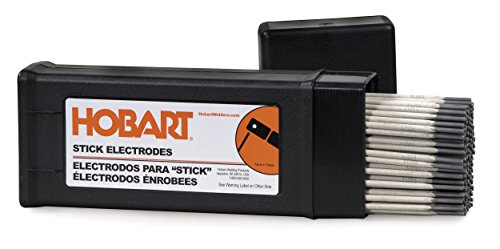
If you want a single rod that covers most shop jobs, this 1/8 6013 is a practical pick. It’s forgiving on imperfect fit-ups, easy to strike and works in all positions, so you can move from thin-sheet repairs to moderate plate without swapping electrodes constantly.
The arc behavior makes bead control approachable, which is handy whether you’re knocking out a quick fix or practicing your technique. Keep a 10 lb container on the shelf and you’ll reach for it on a lot of everyday projects.
When To Use
|
Situation |
How It Helps |
|---|---|
|
Everyday Repairs |
You can quickly fix gates, brackets and farm tools without fuss thanks to forgiving arc behavior. |
|
Practice Sessions |
The approachable arc helps you focus on travel speed and bead consistency when you’re improving technique. |
|
Mixed-Thickness Work |
With simple amperage tweaks you can use the same rod across thinner panels and moderate plate. |
|
Poor Fit-Up Joints |
Flux characteristics and bead profile help bridge gaps so you don’t need perfect alignment every time. |
Durability
Stored in its plastic case the rods hold up for routine use, but the coating is sensitive to moisture and rough handling. Inspect rods on arrival and transfer opened packs to sealed, dry storage for longer life.
Key Benefits
- Easy arc starts and predictable beads to reduce restarts
- All-position capability for versatile shop use
- Light-to-medium penetration suitable for a range of thicknesses
- Large 10 lb pack keeps you stocked for frequent jobs
When you need welds that stand up to inspection, these 3/32 7018 rods are a sensible option. They give a steady arc and a controllable puddle, which makes tacking and out-of-position work more manageable.
That stability reduces spatter and cleanup, so you spend less time grinding and more time getting repairs or builds finished. Keep a 10 lb pack in the shop for structural repairs, heavy-equipment maintenance and any job where predictable metallurgy matters.
When To Use
|
Situation |
How It Helps |
|---|---|
|
Structural Fabrication |
Provides predictable tensile properties and clean beads that meet inspection needs. |
|
Out-Of-Position Work |
Stable arc and controllable puddle make vertical and overhead welding more manageable. |
|
Workshop Maintenance |
Low spatter and easy slag removal speed cleanup so you can get machines back in service. |
|
Skill Development |
Smooth-burning behavior helps you focus on consistent travel and bead technique during practice. |
Durability
These rods perform well if kept dry and handled carefully.
Key Benefits
- Low-hydrogen chemistry for stronger, less brittle welds
- Stable arc and low spatter for cleaner beads and easier slag removal
- All-position performance for vertical and overhead work
- Large pack size keeps you stocked for repeated jobs

If you need to tackle aluminum repairs without a TIG rig, these 4043 sticks are a practical tool to have around. They work well for patching castings, motor housings and thicker sheet in marine or equipment repairs once you clean the metal and set the right amperage. Expect a bit more setup and practice than steel rods, but when you get the technique dialed in the arc is manageable and the beads hold up.
Keep a small pack in your toolbox for field fixes and occasional aluminum work.
When To Use
|
Situation |
How It Helps |
|---|---|
|
Boat And Marine Repair |
You can patch hull fittings and brackets when TIG access is limited, provided you remove oxidation and dry the area. |
|
Motor Housing Fixes |
These rods let you repair cast aluminum housings without specialized equipment for non-critical areas. |
|
Field Emergency Repairs |
Stick format is portable and works with DC+ power, so you can make durable fixes on-site. |
|
Skill Practice |
Using these helps you learn aluminum stick technique—managing amps, angle and travel to improve starts and fusion. |
Durability
These electrodes perform well when kept dry and stored properly. Aluminum sticks are sensitive to contamination and moisture, so clean the metal thoroughly and keep opened packs sealed to maintain consistent starts and weld quality.
Key Benefits
- Lets you weld aluminum with a stick welder using DC+
- Works in flat, horizontal and vertical positions
- Good option for field or emergency repairs where TIG isn’t available
- Compact 10-pack is convenient to store in a toolbox

You’ll find it easy to strike and control, which makes it useful for routine repairs, practice sessions and jobs where fit-up isn’t perfect.
It tolerates a range of thicknesses with simple amperage adjustments and works in all positions, so you can move between tasks without swapping rods constantly. Keep a sleeve handy for household fixes, hobby projects and learning new techniques.
When To Use
|
Situation |
How It Helps |
|---|---|
|
Everyday Repairs |
You can knock out gate, bracket and trailer fixes quickly thanks to forgiving arc behavior. |
|
Learning And Practice |
The manageable arc helps you focus on travel speed and bead consistency as you build skill. |
|
Thin-Metal Work |
Light-to-medium penetration reduces the risk of burn-through on thinner panels. |
|
Poor Fit-Up Joints |
Flux characteristics and bead profile help bridge gaps so you don’t need perfect alignment. |
Durability
Rods hold up well in their plastic sleeve, but the coating is sensitive to moisture and rough handling. Inspect on arrival and move opened packs to sealed, dry storage to maintain performance for critical work.
Key Benefits
- Easy arc starts and predictable bead control for quicker work
- All-position capability so you can weld vertical or overhead
- Good for thin to moderate thickness steel with light-to-medium penetration
- Convenient 5 lb pack suited to hobbyists and small shops
Related guides: Hobart 770481 7018 stick review | Hobart 770476 7018 stick review | E6013 3/32 rod review
FAQ
Which Hobart Rods Should I Keep
Pick a small set that covers the jobs you do most: keep a 6013 in 1/8 and 3/32 for general repairs and practice because they’re forgiving and easy to strike, a couple sizes of 7018 (1/8 or 3/32) for code-level or structural work, and a pack of 4043 if you ever weld aluminum. Having both 5 lb and 10 lb options makes sense if you burn a lot of rods, and keeping a spare type for specific tasks saves you from swapping machines mid-job.
Think in terms of material and position rather than brand alone: match rod type to the metal and the inspection requirements.
How Should I Store And Inspect Rods
Always store rods dry and in their original plastic case or a sealed container with a desiccant; low-hydrogen rods are especially moisture-sensitive and benefit from a rod oven for long-term storage. Inspect rods when they arrive and before use for cracked or missing flux coating and discard any with damaged ends for critical welds.
If a rod gets damp, don’t try to salvage it on the fly—follow manufacturer guidance for baking or replace it to avoid hydrogen-related weld defects.
What Settings And Techniques Should I Use
Start near the middle of the machine’s recommended range for the rod diameter and adjust until the arc is stable and the bead looks consistent; increase amperage for thicker material and lower it to avoid burn-through on thin metal. Clean the base metal, use the correct polarity (for example, aluminum stick typically needs DC electrode positive), control travel speed and maintain a steady arc length, and practice starts and restarts on scrap so you can judge how a rod behaves on your welder. For awkward positions or poor fit-up rely on 6013’s forgiving nature, and reserve 7018 for joints where strength and low hydrogen are priorities.
Which One Should You Choose?
Use 6013 for general mild steel repairs on clean metal and 7018 when you need a low-hydrogen rod for structural or thicker work. Choose the 4043 stick only for aluminum on a machine that can run DC electrode positive. Pick 3/32 in. for thinner steel and lower amperage, 1/8 in. for thicker steel, and a 10 lb pack only if you weld often.
Wrapping Up
Choose 6013 for general repairs, 7018 for low-hydrogen structural work and the 4043 stick only for aluminum. Confirm details on each listing before you buy.
| Product Name | Image | Welding Rod Type | Tensile Strength (PSI) | Weight (lbs.) |
|---|---|---|---|---|
| Hobart 770469 6013 Stick, 1/8-5 lbs. |
 |
All Purpose Stick Electrode | 60,000 PSI | 5 lbs. |
| Hobart 770474 7018Ac Stick, 1/8-5lbs |
|
Low Hydrogen Electrode | 70,000 PSI | 5 lbs. |
| Hobart S422032-G89, Stick Electrode, 7018, 3/32, 10 lb |
 |
Low Hydrogen Electrode | 70,000 PSI | 10 lbs. |
| Hobart 770470 6013 Stick, 1/8-10 lb. 1/8-10lbs |
 |
All Purpose Stick Electrode | 60,000 PSI | 10 lbs. |
| Hobart 770476 7018 Stick, 3/32-10 lb. |
|
Low Hydrogen Electrode | 70,000 PSI | 10 lbs. |
| Hobart H722844-RDP 1/8-Inch 4043 Aluminum Electrodes |
 |
Aluminum Electrode | N/A | 0.26 lbs. |
| Hobart 770466 6013 Stick, 3/32-5lbs |
 |
All Purpose Stick Electrode | 60,000 PSI | 5 lbs. |