The usual welding rods for structural steel are E7018 low-hydrogen stick electrodes, which make tough, crack-resistant welds on plate and framing. Five of the ten picks below are E7018. The rest are lighter-duty rods: E6013 and J422 for general repairs, ER70S-6 TIG filler for thin gauge, and ER308L for stainless, which is not a structural steel rod.
Code-governed structural welding needs a qualified procedure and welder, so check your project specification. Details come from each Amazon listing; Garage Welding has not run these products in the shop.
As an Amazon Associate I earn from qualifying purchases. Buying through these links costs you nothing extra.
Top Picks: Welding Rods for Structural Steel Compared
|
Use case |
Product |
|---|---|
|
Short TIG Rod |
|
|
For Heavy Repairs |
|
|
All-Purpose E7018 |
|
|
For Tight Fitups |
|
|
Value Pack |
|
|
Clean TIG Rods |
|
|
For Stainless |
|
|
For Beginners |
|
|
E7018 pick |
|
|
Versatile rod |
How to Choose Welding Rods for Structural Steel
- Start with E7018. Low-hydrogen rods lower the risk of hydrogen cracking in thicker or restrained joints. 3/32 inch suits thinner sections and lower amperage, and 1/8 inch is the common size for plate. Check the amperage range on the box.
- Store it dry. E7018 absorbs moisture. Keep rods sealed and follow the maker’s instructions for re-drying.
- Prepare the joint. Remove rust, scale, paint and oil. Thick or high-strength steel may need preheat, so follow the procedure for your project.
- Know what the other rods are for. E6013 and J422 are easy general-purpose rods for light fabrication and non-critical repairs. ER70S-6 in 1/16 inch is thin-gauge TIG filler. ER308L is stainless filler.
- Check the code. Structural codes such as AWS D1.1 require qualified procedures and welders. Rods alone do not make a weld code-compliant.
How These Rods Were Picked
The list uses the titles, sizes, pack weights and descriptions on the Amazon listings. Garage Welding has not tested these rods, so there are no scores or test results here. Confirm the class, diameter and pack on the listing before you order.
The 10 Rods Compared

You get a reliable mild-steel TIG filler that’s easy to work with whether you’re fixing a bracket or laying beads on sheet and tubing. The 16 inch stick length feels manageable for bench work and tight access, and the alloy gives predictable puddle control so you can focus on technique instead of surprises.
It’s a practical choice for hobbyists and shop users who want consistent feed and decent storage options without fuss, and it’s worth keeping a pack around for light fabrication, repair work and practice sessions.
Versatility
You can use these rods for thin- to medium-gauge TIG work, light fabrication, tack work and touch-up repairs on tubing and sheet. They aren’t a one-size-fits-all for heavy structural welds that require larger filler volumes, but they handle most shop and hobby TIG tasks with ease.
Problem Solving
This rod helps when you need clean, controllable filler for tight joints or detailed TIG work. It reduces fuss during bench projects and makes tacking and short runs simpler, though if you’re doing long seams you might prefer full-length sticks to avoid swapping rods frequently.
Key Benefits
- Clean ER70S-6 chemistry for predictable mild-steel TIG fills
- Short 16″ length makes handling in tight spots easier
- 5 lb quantity suits hobbyists and small shops without excess waste
- Generally consistent quality and good puddle control

You’re looking at a reliable E7018 stick that’s built for structural repairs and everyday shop use. It strikes easily, lays a steady bead and is forgiving enough for field work or farm repairs, while still giving the toughness you need on load-bearing joints.
The low-hydrogen formulation helps reduce cracking risk on thicker sections, so it’s a practical choice when strength and consistency matter. Keep a handful on hand for heavy tack-ups, plate work and general maintenance.
Versatility
This rod works well for structural steel, farm equipment, frame repairs and on-site maintenance where toughness and low-hydrogen properties matter. It’s not the go-to for stainless or TIG applications, but it covers most stick-welding needs from medium to thick sections.
Problem Solving
When you need welds that resist cracking and want predictable penetration on thicker steels, this rod delivers. It helps reduce rework on structural joints and makes striking and maintaining the arc straightforward on prepared joints.
Key Benefits
- Low-hydrogen E7018 chemistry for tougher, crack-resistant welds
- Consistent, steady bead profile for predictable structural results
- Easy arc starting
- Robust enough for heavy repairs, plate welding and maintenance

You get a dependable E7018 stick that’s tuned for structural work and tougher repairs. It starts reliably, lays a steady bead and gives the low-hydrogen properties you want on thicker steel to help reduce cracking risk. Whether you’re fixing farm gear, patching plate or doing maintenance on frames, these rods are a solid, no-nonsense choice to keep in the box.
Versatility
Good for structural repairs, plate welding, farm equipment and general maintenance where low-hydrogen properties and toughness matter. Not intended for stainless TIG work or fine-detail TIG tasks.
Problem Solving
This rod helps prevent hydrogen-induced cracking and gives predictable penetration on thicker sections, which reduces rework on load-bearing joints and makes site repairs less stressful.
Key Benefits
- Low-hydrogen E7018 chemistry for tougher, crack-resistant welds
- Consistent bead profile and predictable penetration
- Reliable arc starting
- Solid choice for medium to thick structural sections

You get a go-to E7018 electrode that balances ease of use with the toughness structural work demands. It lights reliably and lays a steady bead, so it’s useful for everyday shop repairs, frame work and medium-thickness plate. The low-hydrogen coating helps reduce cracking risk on load-bearing joints, and it’s a solid standby whether you’re doing routine maintenance or fixing a stubborn seam. If you want a versatile stick that won’t make you fight the arc, this is one to keep in your toolbox.
Versatility
Works well for farm and shop repairs, plate welding, frame work and general maintenance on medium-thickness steels. It’s focused on stick welding tasks and not intended for TIG or stainless applications.
Problem Solving
This rod helps when you need dependable penetration without excessive rework, and its low-hydrogen chemistry lowers the chance of post-weld cracking on structural joints. It gives a stable arc on prepared joints.
Key Benefits
- Low-hydrogen formula reduces cracking risk on thick sections
- Consistent bead shape and predictable penetration
- Easy arc striking and steady burn for varied skill levels
- Good for general structural repairs and maintenance

You get a workhorse E7018 that’s aimed at structural repairs and everyday stick welding. It strikes consistently, lays a dependable bead and brings the low-hydrogen properties you want for thicker steel to reduce cracking risk.
Use it for frame repairs, plate work and general maintenance where toughness matters, and keep a spool in your toolbox for repeatable results on site.
Versatility
Great for structural steel repairs, plate welding, farm equipment and general maintenance where low-hydrogen properties and toughness are required. Not intended for TIG or stainless applications.
Problem Solving
This rod helps prevent hydrogen-related cracking and delivers predictable penetration, which reduces rework on load-bearing joints and makes field repairs more reliable.
Key Benefits
- Low-hydrogen alloy for crack-resistant welds on thicker sections
- Steady bead profile and predictable penetration
- Reliable arc starting across skill levels
- Bulk 10 lb quantity suited to frequent shop and field use

You get clean, consistent TIG filler rods that are easy to feed and control during delicate work. The 1/16″ diameter and 16″ length make them handy for thin sheet, tubing and light fabrication where precision matters.
Wipe them clean before use so you spend less time fixing contamination later. If you do a mix of repair work and hobby projects, these are a practical pack to keep within reach.
Versatility
Great for TIG work on mild steel, thin sheet, tubing repairs, light fabrication and hobby projects where control and cleanliness matter. Not intended as a heavy-plate filler or for stick/MIG processes.
Problem Solving
These rods help when you need precise filler with minimal contamination and steady puddle behavior, making tack-ups and short TIG runs less fiddly. Their straightness and consistent feed reduce interruptions so you can maintain rhythm on delicate joints.
Key Benefits
- Clean ER70S-6 chemistry for predictable mild-steel TIG fills
- Straight, consistent rods that feed smoothly into the puddle
- Convenient 16″ length for bench work and tighter access
- Reusable sleeve and tidy packaging for storage

You’ll find these ER308L rods handy when you need clean, corrosion-resistant filler for thin stainless work. They feed smoothly into the puddle and give good arc stability, which makes tidy beads easier to lay down on tubing, brackets and sheet.
The 1/16″ size is ideal for bench TIG work and precise repairs, and the small pack suits occasional stainless tasks without cluttering your consumables drawer. If you do light fabrication or are learning TIG on stainless, these bring predictable performance and low fuss.
Versatility
These rods work best for TIG on 304/304L stainless, thin sheet, tubing repairs and small fabrication projects. They aren’t meant for stick or MIG use and aren’t ideal for high-volume production, but they’re a practical choice when you need precision on stainless.
Problem Solving
When you need corrosion-resistant filler and a steady puddle on thinner stainless parts, these rods help you get neat, strong repairs with less cleanup. Their low-carbon ER308L chemistry reduces risk of post-weld issues on 304/304L and makes them suitable for careful patching and light fabrication.
Key Benefits
- ER308L composition for corrosion resistance on 304/304L stainless
- Smooth feed and stable arc for neat TIG beads
- Convenient 1/16″ diameter for thin-gauge work and tubing
- Compact pack with clearly labeled rods for easy storage

You get a forgiving, easy-to-strike stick electrode that’s great for learning and lighter repair work. It starts simply and flows well on thin to medium steel, which makes it handy for handheld welders, hobby projects and quick fixes around the shop.
E6013 still needs reasonably clean metal, but it is a straightforward, no-fuss electrode for everyday tasks.
Versatility
Useful for thin sheet, light fabrication, fence and gate repairs, and hobby projects where ease of use matters. It’s a solid option for portable stick work but not intended as a low-hydrogen solution for critical structural joints.
Problem Solving
This rod helps when you need reliable arc starts and decent puddle control under imperfect conditions, reducing the frustration on small repairs and practice runs. It won’t replace E7018 for high-strength structural welds, but it gets you through everyday maintenance and learning curves.
Key Benefits
- Easy arc starting suitable for beginners
- Smooth bead for light- to medium-gauge steel
- Works well with handheld and portable welders
- Protective tube packaging helps keep rods intact
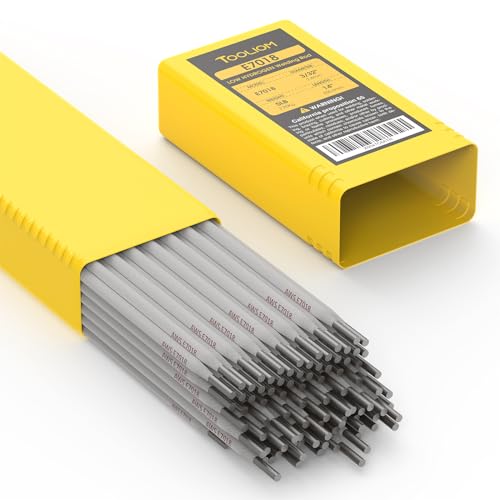
You get a dependable low-hydrogen E7018 rod that’s built for routine structural work and on-site repairs. It strikes consistently, lays a predictable bead and helps reduce hydrogen-induced cracking on thicker sections.
Whether you’re doing frame repairs, plate work or general maintenance, these rods are designed to be forgiving while still delivering the toughness you need. Keep them in your kit for jobs where reliability matters more than flash.
Versatility
Works well for structural repairs, plate welding, equipment maintenance and general stick welding tasks on medium-thickness steel. It’s focused on stick applications and not intended for TIG or stainless jobs.
Problem Solving
This rod addresses cracking concerns on thicker sections and reduces rework by delivering predictable penetration and a controllable puddle, which is useful when you need dependable joints in the field.
Key Benefits
- Low-hydrogen E7018 chemistry for crack-resistant welds
- Consistent arc strike and steady burn
- Good penetration and bead control on medium-thick steel
- Suitable for field repairs and varied skill levels

You want a simple, reliable rod when you’re fixing panels and gates, and these J422 sticks fit that role. They strike easily across a range of machines, flow into a pleasant bead and remove slag without fuss, which keeps jobs moving. The rods are forgiving enough for handheld welders and beginners, yet capable when you need decent penetration on medium-thickness material. Keep a tube handy for everyday repairs and practice runs.
Versatility
These rods suit thin to medium steel, fence and gate repairs, handheld welding tasks and hobby projects. They aren’t aimed at specialty stainless or TIG work, but they cover a wide range of everyday stick-welding needs.
Problem Solving
When you need a rod that reduces restart frustration and gives predictable beads, this one helps you get through tack-ups and small repairs faster. Its forgiving nature makes it easier to keep rhythm and avoid rework on non-critical structural joints.
Key Benefits
- Forgiving arc starts that help when you’re learning or using portable gear
- Consistent bead and easy slag removal for cleaner finish work
- Works well across small machines and handheld welders
- Good general-purpose choice for light maintenance tasks
Related guides: how to store low-hydrogen electrodes | which welding rods need oven storage | stick welding amperage chart | E7018 welding rods review
FAQ
What is the best welding rod for structural steel?
E7018 is the usual stick electrode for structural steel because its low-hydrogen coating gives tough, crack-resistant welds. It needs clean metal and dry storage.
Can I use 6013 or J422 rods on structural steel?
Only for light, non-critical work such as gates, brackets and general repairs. They are not low-hydrogen rods, so they are not the choice for load-critical or code-governed joints.
Why do E7018 rods have to be kept dry?
The coating absorbs moisture, and moisture puts hydrogen into the weld, which can cause porosity and cracking. Keep unused rods sealed and follow the manufacturer’s re-drying instructions.
What size E7018 rod should I use?
3/32 inch suits thinner sections and lower-amp machines, and 1/8 inch is common for plate. Follow the amperage range on the box and the welding procedure for your project.
Bottom Line
For structural steel, choose E7018 and keep it dry. The five E7018 packs here differ mainly in diameter and pack size, so buy 3/32 inch for thinner sections and 1/8 inch for plate.
Use the E6013 and J422 rods only for light, non-critical work, and follow the project specification for anything load-bearing.
| Product Name | Image | Material | Size |
|---|---|---|---|
| YESWELDER Mild Steel TIG Welding Rod ER70S-6 1/16″x16″ 5LB |
 |
ER70S-6 Mild Steel | 1/16″ x 16″ |
| ARCCAPTAIN E7018 Welding Rod 1/8” 10LB |
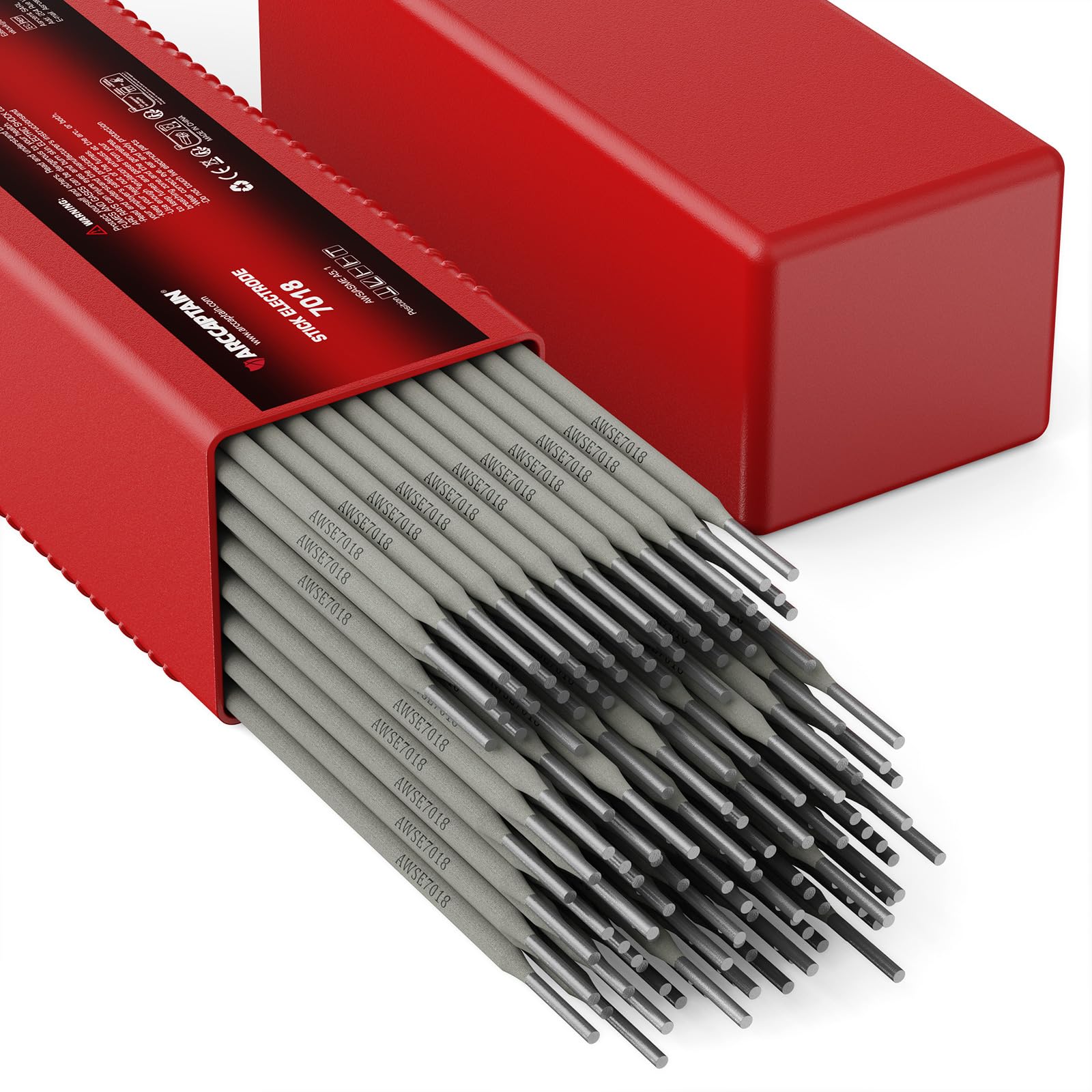 |
E7018-10LB Carbon Steel | 1/8″ |
| YESWELDER E7018 1/8” 5LB Welding Rod |
 |
E7018 5LB Carbon Steel | 1/8″ |
| YESWELDER E7018 3/32” 5LB Welding Rod |
 |
E7018 5LB Carbon Steel | 3/32″ |