Build-up welding rods are used to rebuild worn or undersized parts before you grind or machine them back to size. The ten rods here are general-purpose stick and TIG fillers (E7018, E6013, E308L, ER70S-6, ER308L and one aluminum rod) that suit build-up on matching base metals; dedicated hardfacing electrodes are a separate category.
This list focuses on practical choices so you can stock the rods that actually keep projects moving and produce durable results.
Build-Up Welding Rods Compared
|
Category |
Product |
|---|---|
|
Best Mild Steel TIG |
|
|
Best Low-Hydrogen Stick |
|
|
Best Value E7018 |
|
|
Best Flux-Core Aluminum |
|
|
Best Beginner Electrode |
|
|
Best Hobby Repair Rod |
|
|
Best Stainless Stick |
|
|
Best Precision TIG |
|
|
Best Small-Pack Stainless |
|
|
Most Versatile Stick |
How These Picks Were Chosen
Picks are based on the product listings and manufacturer-stated specs, not on hands-on testing. None of these is a hardfacing electrode, so do not expect abrasion-resistant overlay performance from them.
Weights and dimensions in the comparison table come from the listings. Confirm them before you order.

If you work on mild steel, these ER70S-6 TIG rods are a practical staple to keep on the shelf. They feed cleanly for typical TIG build-up tasks and are short enough to be easy to handle when you need precise filler control.
You’ll find them useful for repair work, tack-and-fill operations, and small fabrications around the shop. They’re a sensible choice when you want predictable puddles without fussing over exotic alloys.
DIY Tips
For tack-and-build work, keep the rod ends clean and use a quick acetone wipe if the rods have been sitting. The shorter 16″ pieces make finger control simpler when you’re filling layers, so set your amperage a little lower than you would with thicker filler.
If you do a lot of long runs, consider splicing or switching to full-length rods to reduce waste.
Versatility
These rods work well for bench TIG work, patching brackets, and adding build-up to worn surfaces. They’re not specialized for corrosion-sensitive stainless or exotic alloys, but they cover the majority of mild steel repair and light fabrication tasks you’ll encounter in a typical workshop.
Key Benefits
- Consistent ER70S-6 chemistry for mild steel compatibility
- Short 16″ lengths are easy to maneuver in tight spots
- Comes in a practical 5 lb pack suitable for hobby and light professional use
- Generally clean surface quality that welds with minimal prep

You’ll find these E7018 rods are built for routine structural repairs and workshop maintenance where consistency matters. They strike and run predictably when you set your heat right, making them a reliable choice for tractor repairs, gate and frame work, or rebuilding worn parts. The rods suit tight fit-ups and provide a solid, low-hydrogen deposit that resists cracking on cooled welds, so you can focus on the job rather than chasing bad beads.
DIY Tips
Keep the electrodes dry and sealed between uses to preserve low-hydrogen properties, and match your amperage to the 3/32″ size for smooth runs. For repairs, clean the joint and tack strategically to maintain alignment, then make short, controlled passes to build up the weld.
If slag sticks, give it time to cool before chipping and wire-brushing to reveal the true bead.
Versatility
These E7018 rods fit a wide range of workshop tasks, from farm equipment fixes to structural touch-ups and fabrication where strength matters. They’re not for stainless or exotic alloys, but for carbon steel repairs and buildup they cover most scenarios you’ll run into.
Key Benefits
- Reliable low-hydrogen deposit for structural integrity
- Consistent arc and good bead appearance with proper settings
- Works well in tight fit-ups and routine repair tasks
- Packaged in a reusable storage box for longer shelf life

You’ll like these E7018 rods if you need a dependable stick electrode for routine repairs and structural work. They strike up reliably and lay down a steady bead when you match the amperage to the 3/32″ size, which makes them handy for farm equipment fixes, gate and frame repairs, and general workshop rebuilds.
The coating runs cleanly and gives predictable slag behavior, so you spend less time troubleshooting and more time finishing the job. If you want a practical rod that performs like higher-end alternatives, this one belongs in your stock.
DIY Tips
Store the rods dry and sealed to preserve their low-hydrogen properties, and match amperage to 3/32″ for smooth runs. Clean the joint, tack to hold alignment, and use short controlled passes to build up the weld.
Let slag cool before chipping and brushing to inspect the bead.
Versatility
These electrodes cover a wide range of carbon steel repair tasks, from light fabrication and equipment maintenance to structural patching.
Key Benefits
- Consistent low-hydrogen deposit for strong welds
- Predictable arc and good bead control with proper settings
- Easy starts and reliable strikes for quick repairs
- Sturdy packaging helps keep electrodes dry between jobs

These flux-core aluminum rods give you a large pack of small filler sticks that work well for light repairs and patching thin aluminum parts. You’ll find them handy for filling holes in pontoons, patching thin sheet, or small fabrication where a low-effort filler is useful, provided you can bring enough heat. They aren’t a universal fix—thicker plate and heat-sensitive components need more aggressive setups—so keep them for targeted tasks where their convenience matters most.
DIY Tips
Clean the base metal thoroughly and preheat as needed, since these rods need real heat to flow. Use an oxygen-acetylene or high-output torch for thicker pieces and work in small passes for better control. For very thin or heat-sensitive items, practice on scrap first to dial in technique and avoid warping.
Versatility
Best suited for thin aluminum repairs, small patch jobs, and hobby projects where many short filler pieces are useful. They’re less ideal for radiator work or heavier plate unless you have adequate heat and surface prep.
Key Benefits
- Large quantity of rods for practicing or many small repairs
- Flux-core design removes the need for separate flux in many torch applications
- Small, easy-to-handle lengths for precise patching
- Works on a variety of aluminum alloys when proper heat is applied

These E6013 rods are a convenient option when you need reliable, easy-starting electrodes for everyday shop tasks. You’ll find them forgiving on 110V inverters and handy for quick farm or equipment repairs, light fabrication, and learning to stick weld. They strike easily and lay fairly smooth beads, which makes them a good choice if you don’t want to fuss with finicky rods.
Keep them on hand for routine maintenance and smaller build-up jobs where control and predictable starts matter.
DIY Tips
Match your amperage to the 3/32″ size and keep the joint clean for best results. Use short, controlled passes for build-up and tack strategically to hold fit-up.
If you’re on a 110V inverter, let the rod establish the arc before moving steadily along the joint to avoid excessive spatter.
Versatility
These electrodes are versatile for general carbon steel repairs, light fabrication, and hobby projects. They’re not intended for stainless or specialized alloys, but they cover most everyday shop and farm repair situations you’ll run into.
Key Benefits
- Easy arc starts that suit entry-level and inverter welders
- Good bead control for light repairs and tack welding
- Compact 1 lb pack ideal for occasional users and small jobs
- Works well on farm equipment, gates, and basic fabrication

These E6013 rods are a handy, no-nonsense choice when you need reliable electrodes for everyday shop work. You’ll appreciate how readily they strike and how forgiving they are on 110V inverter welders, which makes them great for learning, quick repairs, and light fabrication.
They produce smooth beads when you keep a steady hand, and the compact pack is convenient if you don’t weld full time. For routine maintenance, tack work, and practicing technique, these rods are a practical option to keep around.
DIY Tips
Match amperage to the 3/32″ size and keep your joint clean for the best results. Use short, controlled passes for build-up and tack strategically to hold fit-up. If you run an inverter, let the rod stabilize before moving steadily to reduce spatter, and store rods in the tube to prevent moisture pickup.
Versatility
These electrodes cover a wide range of carbon steel tasks from tractor and farm repairs to light fabrication and classroom practice. They aren’t meant for stainless or specialty alloys, but for everyday shop jobs they handle most situations you’ll encounter.
Key Benefits
- Easy arc starts that suit entry-level and inverter welders
- Smooth bead appearance for general repair and tack work
- Compact 1 lb pack ideal for occasional users and hobbyists
- Protective tube packaging helps keep rods ready to use

If you need to weld stainless without access to MIG or TIG, these E308L stick electrodes are a practical alternative. You can use them for exhaust work, tubing repairs, and thin stainless sheet where a self-cleaning slag and decent bead appearance matter. They run best with a slight drag and steady control, so they suit hands that want predictable results without complex setups.
Keep them for workshop repairs and field fixes when portability and simplicity are priorities.
DIY Tips
Use a slight drag technique and keep amperage in the recommended range for 3/32″ rods to form a steady puddle. Protect your eyes and let the slag cool before chipping and brushing to check the bead.
If polarity or amp range isn’t listed on the package, test on scrap stainless to dial in settings before committing to the final piece.
Versatility
These electrodes are versatile for field repairs, exhaust work, and light fabrication on 300-series stainless. They’re a pragmatic choice when you need portability, but for cosmetic or critical stainless welds you’ll still want a TIG setup.
Key Benefits
- Formulated for 300-series stainless repairs and fabrications
- Produces self-cleaning beads that reduce cleanup
- Reusable, moisture-resistant packaging helps preserve rods
- Good option when MIG or TIG tools aren’t available

These ER70S-6 rods are a solid pick when you need dependable mild steel filler for TIG build-up and light fabrication. The 1/16″ diameter and 16″ length give you good control for tack-and-fill work, awkward joints, and small repair jobs where precision matters.
Keep a pack in your shop if you do frequent mild steel repairs, chainmail or jewelry projects that need small, consistent filler, or any work that benefits from tidy puddles and predictable penetration.
DIY Tips
Keep the rods dry and wipe them if they’ve been sitting dusty; a clean rod gives a cleaner puddle. Use moderate amperage for 1/16″ filler and practice short, controlled additions when building up layers. For tight areas, bend and position the short rods for better access rather than forcing a long stick into cramped spaces.
Versatility
These rods are best for mild steel TIG build-up, small repairs, and delicate fabrication where control is important. They work well for hobby projects and light professional work, but for high-volume runs you may prefer full-length filler sticks.
Key Benefits
- Clean manufacturing with minimal surface contamination
- Good straightness and thickness for reliable feeding
- Short 16″ length offers easier handling in tight spaces
- Suitable for precise build-up and small fabrication tasks

If you work with 300-series stainless, these ER308L rods are a handy, no-nonsense option to keep in the workshop. You’ll appreciate the smooth feed and stable arc when you need to tack or build tidy beads on thin tubing and sheet.
They’re sized for control, so they suit bench TIG work, small repairs, and learning projects where cleanliness matters more than bulk. Keep them for low-volume stainless tasks and when you want predictable deposits without a lot of post-weld cleanup.
DIY Tips
Use pure argon shielding and aim for about 40–80 amps depending on thickness; start on scrap to find the sweet spot. Keep the rods dry and stored sealed, and use short, controlled filler additions for neat build-up.
If the pack doesn’t list polarity or amp ranges, run a few test beads first to confirm your settings.
Versatility
Best suited for bench TIG work, patching 304/304L tubing, and light fabrication where appearance and corrosion resistance matter. These rods aren’t aimed at high-volume production, but they give reliable results for most hobby and small-shop stainless tasks.
Key Benefits
- Smooth arc stability and consistent feed on 304 stainless
- Low-carbon makeup helps with corrosion resistance and cracking control
- 1/16″ diameter is ideal for thin-gauge work and tidy beads
- Compact 20-piece pack suits low-volume repairs and practice

You get two practical diameters in one container, which makes these E7018 rods handy when you switch between tack work and heavier build-up. They deliver a stable arc and consistent bead when you match amperage to the chosen size, so they suit workshop repairs, farm equipment fixes, and light structural welding. The package organization with separate bags keeps rods drier and easier to grab, which helps you stay efficient on the job.
DIY Tips
Store the pack sealed to preserve low-hydrogen properties and pick the diameter that matches joint depth. For the 3/32″ rods use moderate amps and short runs for precise build-up, while the 1/8″ rods take higher current for heavier fills.
Clean the joint, tack to hold fit-up, and chip slag only after cooling to inspect each pass.
Versatility
These electrodes handle a wide range of carbon steel repairs and structural tasks, from thin-plate touch-ups to thicker buildup. They’re a solid, all-purpose choice for a workshop that needs both finesse and strength.
Key Benefits
- Two common diameters (3/32″ and 1/8″) in one pack for flexibility
- Low-hydrogen E7018 formulation for strong, crack-resistant deposits
- Organized packaging with separated sizes for easier storage
- Consistent arc and predictable bead with proper settings
Related guides: hardfacing rod guide | TIG filler rod selection chart | welding rods for DIY projects
FAQ
How Do I Choose The Right Rod?
You want a rod that matches the base metal and the process you plan to use, so start by identifying the alloy and whether you’ll TIG, stick, or flux-core. For mild steel build-up choose ER70S-6 or E7018 for structural, low-hydrogen deposits, and pick ER308L for 300-series stainless; flux-core aluminum rods are for specific torch or high-heat setups. Pay attention to diameter and length because those determine the amperage and handling, and prioritize fit for purpose over convenience if the repair is critical.
How Should I Store And Maintain Rods?
Keep rods dry and sealed in their original tube or a moisture-resistant container, and if you use low-hydrogen electrodes store them in a rod oven or reseal them after baking to preserve their properties. Wipe TIG filler rods before use if they’ve sat in dusty conditions, and avoid exposing any rods to salt or corrosive environments to prevent surface contamination that can ruin a puddle.
What Techniques Help Produce Consistent Build-Up Welds?
Match your amperage to the rod diameter and the joint thickness and practice short, controlled filler additions rather than long runs to build layers reliably. Keep the joint clean, tack strategically to maintain fit-up, and let slag cool before chipping to inspect each pass; if you’re working with short rods, position them for comfortable control or consider splicing to reduce waste. Small adjustments to travel speed and angle will make the puddle more predictable, so test on scrap to dial in settings before the final pass.
Which One Should You Choose?
Match the filler to the base metal: E7018 or ER70S-6 for mild steel parts, E308L or ER308L for 304 stainless, and the aluminum rod only for aluminum. Build up in several thin layers and let the part cool between passes to limit distortion and cracking. Preheat when the part is thick or the steel grade is unknown, and follow the rod manufacturer instructions.
Wrapping Up
Match the filler to the base metal and build up in thin layers. For abrasion-resistant overlays, look at hardfacing electrodes instead. Confirm details on each listing before you buy.
| Product Name | Image | Weight | Material | Dimensions |
|---|---|---|---|---|
| YESWELDER Mild Steel TIG Welding Rod ER70S-6 1/16″x16″ 5LB |
 |
5 pounds | ER70S-6 Mild Steel | 16.5 x 1.73 x 1.73 inches |
| YESWELDER E7018 3/32” 5LB Welding Rod |
 |
5.19 pounds | E7018 Carbon Steel | 14.02 x 2.52 x 2.2 inches |
| ARCCAPTAIN E7018 Welding Rod 3/32” 5LB |
 |
5.28 pounds | E7018 Carbon Steel | 14.09 x 3.11 x 1.42 inches |
| 50 Pieces Flux Core Aluminum Rods |
 |
3.2 ounces | Aluminum | 13.15 x 0.67 x 0.63 inches |
| Welding Rods, E6013 3/32” 1LB, Carbon Steel |
 |
1 pound | Carbon Steel | 13.78 x 1.14 x 1.14 inches |
| Saker E6013 Welding Rod 3/32” 1-Pound |
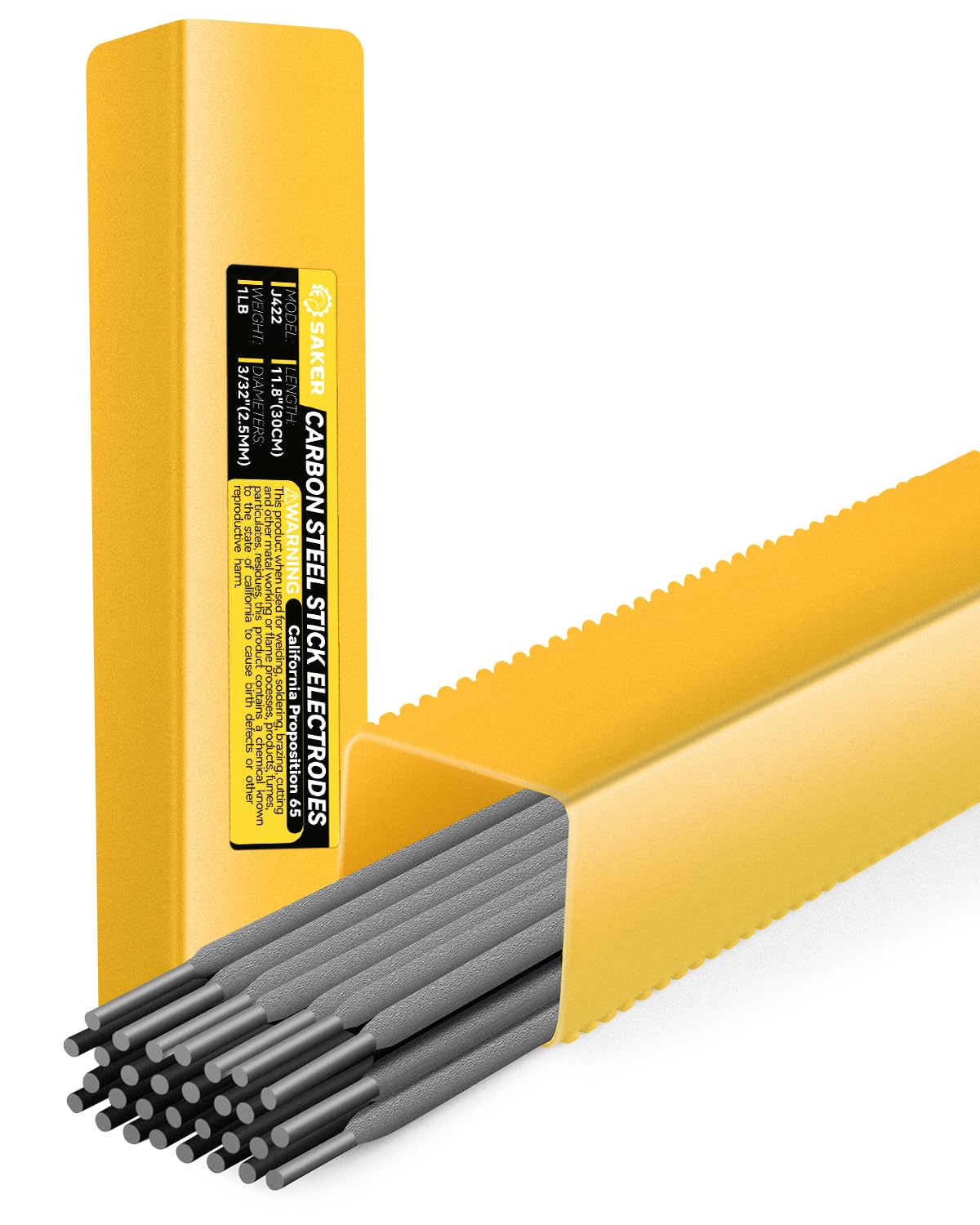 |
1.01 pounds | Carbon Steel | 11.73 x 1.06 x 1.06 inches |