You rely on the right welding rod to control penetration, bead appearance, and how a repair holds up over time. Choosing among Lincoln Electric’s rods matters because each alloy, coating and diameter changes how easily you strike an arc, how well the weld resists cracking, and whether a job finishes cleanly. Understanding these seven common rods helps you match the rod to the metal, the position, and the welder you own so you spend less time fixing mistakes and more time finishing work to the strength and look you want. These Lincoln Electric welding rods cover several popular classes for shop and field work.
Top Picks
|
Category |
Product |
Score |
|---|---|---|
|
🏆 Best for Structural |
92/100 |
|
|
🎯 Best for All-Position |
85/100 |
|
|
💰 Best Bulk Buy |
80/100 |
|
|
⭐ Best for Smooth Beads |
90/100 |
|
|
🔰 Best for Sheet Metal |
84/100 |
|
|
🚀 Best for Thin Metal |
82/100 |
|
|
🔨 Best for Dirty Metal |
86/100 |
How We Picked These Rods
You need a rod that fits the job, the metal condition, and your power source. We prioritized electrode classification, diameter and coating type because those determine arc stability, penetration and bead profile. We weighed real-world usability such as how rods perform in different welding positions, how forgiving they are on lower amperage machines, and whether they work well on clean sheet or rusty repairs.
We also considered packaging size and value for workshops, along with consistent user feedback about reliability and bead quality so you can pick a rod that minimizes rework and matches your skill level.

You get a workhorse E7018 rod that’s built for strength and a tidy bead. It’s the sort of rod you reach for when a repair needs to hold up, whether you’re doing daily equipment fixes or a bigger structural job.
The rod runs with medium penetration and low spatter, which makes cleanup easier and cuts down on rework. For regular shop use the resealable can keeps rods protected between jobs, so you don’t waste time fighting damp or damaged electrodes.
What People Say
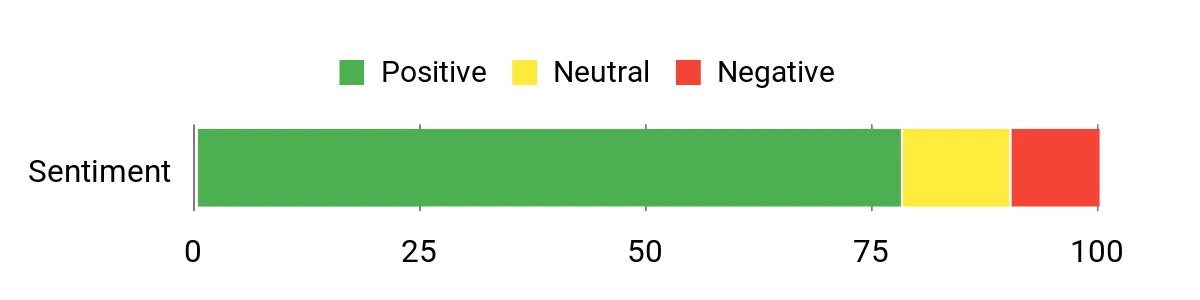
People commonly praise how smoothly these rods lay a bead and how solid the welds feel compared with cheaper alternatives. Reviewers frequently mention little spatter and dependable performance for maintenance and fabrication work. A minority report packaging or flux issues and note that vertical or overhead work takes practice, while many prefer running these rods on DC.
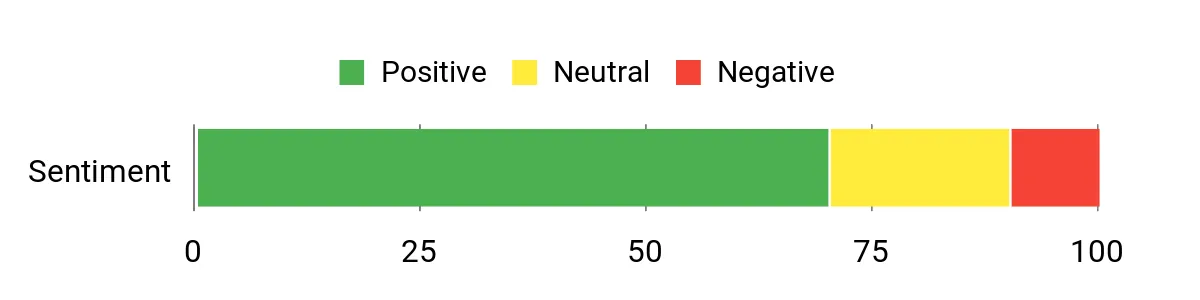
Overall Sentiment: Positive
Versatility
You can use this rod for general shop repairs, equipment and bucket fixes, and structural tack jobs. It’s versatile across many mild steel tasks, though for very thin sheet metal you might choose a smaller diameter or a different electrode optimized for low heat input.
Eco Friendliness
The sturdy 10 lb can with a screw top helps keep rods dry and reduces waste from damaged pieces, which is a small environmental plus. The product isn’t marketed for eco benefits, but longer-lasting rods and fewer reworks reduce material waste over time.
Key Benefits
- Consistent, smooth bead appearance
- Strong, reliable deposit for structural work
- Low spatter for easier cleanup
- Resealable can protects rods between jobs
Rating: 4.0 (total: 76+)

If you work on sheet metal or do general maintenance, this 6013 rod is the kind of everyday tool that makes life easier. You’ll appreciate a stable arc that’s forgiving at low amperages, which helps when you’re using a small AC welder or trying to avoid burn-through on thin material.
The bead appearance is tidy, so less grinding is needed after a repair, and the slag control helps when you’re welding vertical down. It’s a practical choice for routine shop jobs where consistent, clean results matter.
What People Say
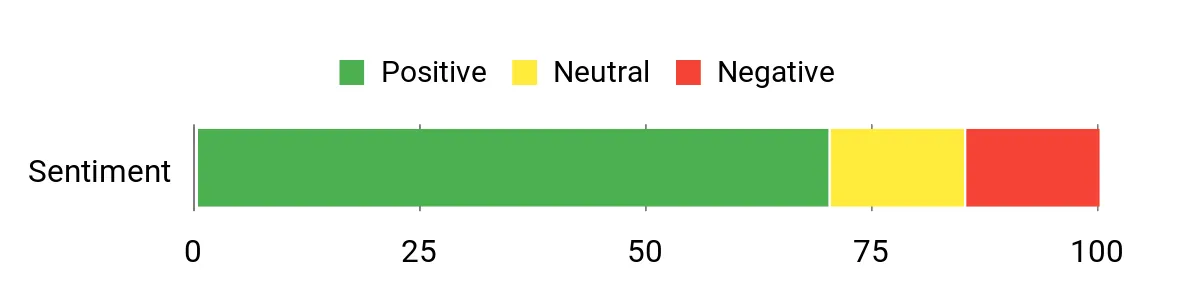
Customers tend to like how dependable these rods are for routine jobs and repairs, especially on clean steel and sheet metal. People often mention the stable arc and neat bead, and that the rods work well with lower-power welders.
A few notes point to small packaging or supply inconsistencies, but most users find the performance meets expectations for maintenance work.
Overall Sentiment: Positive
Versatility
This rod covers a lot of common tasks: patching sheet metal, maintenance welding, and light fabrication. It’s flexible across positions and friendly to lower-output machines, though for heavy structural work you’d pick a different classification.
Eco Friendliness
Not marketed for sustainability, but using a reliable rod that produces fewer defects and less rework can reduce material waste over time. The simple tube packaging is compact, which helps limit excess packaging.
Key Benefits
- Stable arc on low-amperage machines
- Good bead appearance with minimal cleanup
- All-position capability for versatile repairs
- Suitable for sheet metal and light fabrication
Rating: 3.9 (total: 4+)

You get a high-volume pack of an all-position 6013 rod that’s geared toward shops and anyone who goes through rods quickly. This size is handy for routine maintenance, production runs, or classroom work where consistency and fewer interruptions matter.
The 6013 chemistry offers a forgiving arc and good bead appearance, so you spend less time grinding and more time welding. If you want a reliable, no-nonsense electrode for everyday tasks, this is a sensible option.
What People Say
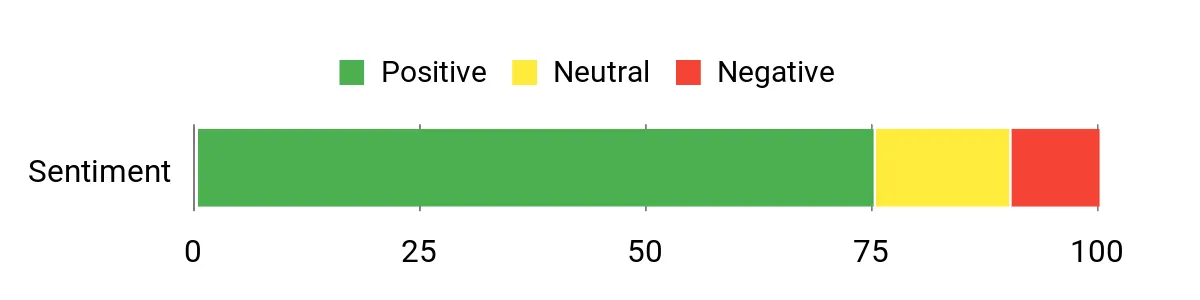
Users tend to appreciate the steady performance and the convenience of a 50 pound can when you’re running lots of welds. Many note that the rods are forgiving on clean steel and produce tidy beads that cut down on cleanup time.
A few remarks mention occasional packaging or storage concerns, but overall people find the product dependable for shop and training environments.
Overall Sentiment: Positive
Versatility
This pack covers light fabrication, sheet metal repairs, maintenance tasks, and teaching environments. The 6013 formula works well across positions and on smaller welders, though for heavy structural welds you’d pick a low-hydrogen electrode instead.
Eco Friendliness
Buying in bulk reduces repeated shipping and excess packaging, and using reliable rods that lower rework helps cut material waste. The product is not explicitly eco-certified, but bulk purchasing can be a greener choice for busy shops.
Key Benefits
- All-position capability for flexible use
- Consistent bead appearance with minimal cleanup
- Large can minimizes frequent reorders
- Good arc stability on lower-output machines
Rating: (total: +)

You get a tidy little tube of E6016 that’s built for consistent, all-position work on clean steel. It strikes a stable arc on lower-amperage machines, so it’s handy when you’re working with a small AC welder or tackling maintenance tasks. The slag control and bead appearance keep cleanup to a minimum, which matters when you’re doing repetitive repairs.
If you need a reliable rod for sheet metal work, light fabrication, or classroom use, this one makes those tasks feel more predictable.
What People Say
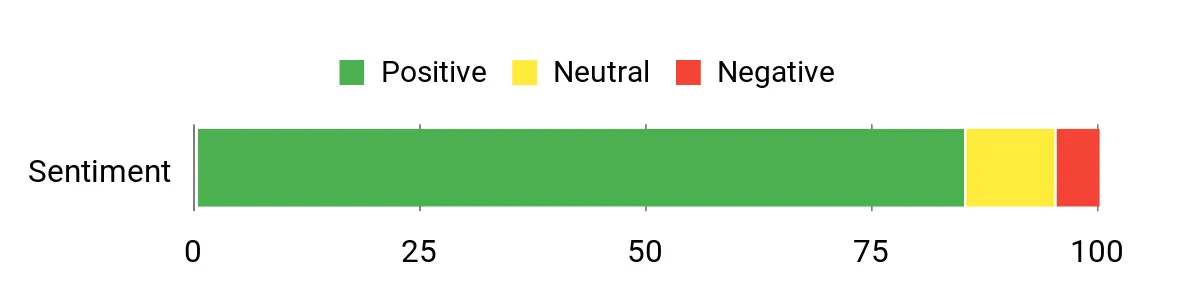
Customers frequently note that these rods feel authentic and deliver consistent results, especially for maintenance and sheet metal work. Many appreciate the stable arc and neat bead which cut down on grinding. Shipping and packaging get positive mentions, and buyers tend to regard the product as reliable for routine tasks.
Overall Sentiment: Positive
Versatility
This rod handles vertical, horizontal and flat positions well, making it useful for repair work, light fabrication and classroom practice. It’s a dependable choice when you need predictable performance across a range of small- to medium-scale jobs.
Eco Friendliness
The small tube packaging is compact, which reduces excess material compared with oversized boxes. Using a dependable rod that lowers rework also helps reduce scrap over time, even though the product has no specific eco certifications.
Key Benefits
- Stable arc on low-amperage welders
- Good bead appearance with minimal cleanup
- All-position capability for versatile use
- Compact tube keeps rods protected
Rating: 4.8 (total: 3+)
You’ll find this 3/32″ 6013 rod useful when you need a forgiving electrode that looks good and behaves predictably. It’s aimed at sheet metal work, maintenance, and light fabrication where a stable arc and tidy bead reduce cleanup time. Because it runs well at lower amperages, it’s a natural fit for smaller AC machines or jobs where you want to avoid burn-through.
Keep a few tubes on hand and you’ll cut down on interruptions during routine shop work or training sessions.
What People Say
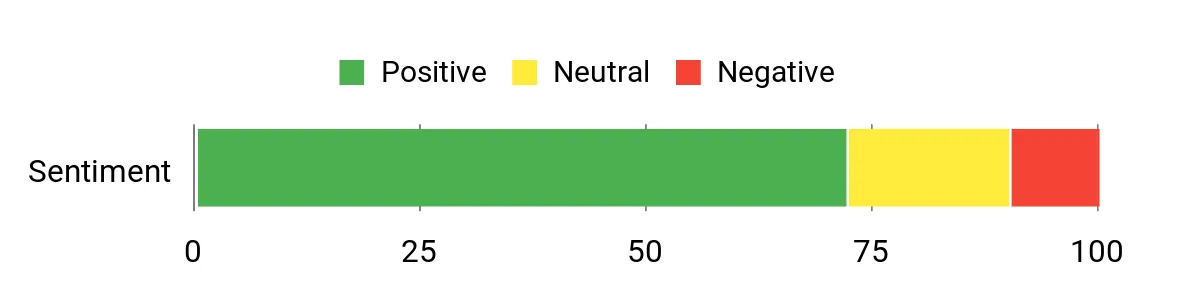
Users usually highlight the rod’s dependable arc and the clean beads it produces, which makes finishing faster. People who run small welders appreciate that it works well at lower amps and performs across positions.
Occasional comments mention packaging or supply variability, but most feedback treats it as a solid everyday electrode.
Overall Sentiment: Positive
Versatility
This rod covers patching, sheet metal repairs, maintenance tasks and classroom use. Its all-position nature and low-amperage friendliness mean you can switch between jobs without changing electrodes frequently.
Eco Friendliness
While not marketed for sustainability, the reliable performance reduces rework and scrap, and the compact tube packaging limits excess material compared with oversized boxes.
Key Benefits
- Stable arc that’s forgiving for less experienced welders
- Good bead appearance with minimal grinding
- Operable on low-amperage machines
- All-position capability for varied repairs
Rating: (total: +)

You get a slim 1/16″ rod that’s useful when you need controlled heat and tidy beads on thinner material. It’s a practical pick for light repair work, sheet metal patches, and classroom practice where a predictable arc matters. The tube packaging keeps rods dry between uses so you spend less time fighting damp electrodes. If you want a small, reliable tube to keep in your toolbox for routine jobs, this fits the bill.
What People Say
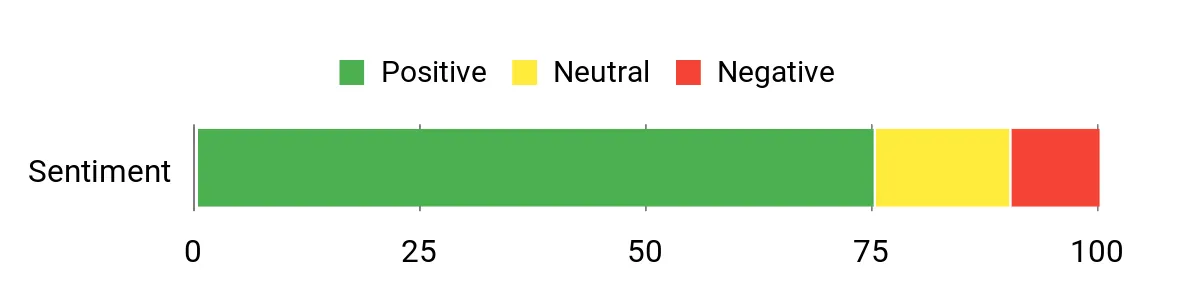
Many users appreciate that these rods run dry and produce consistent, clean welds for maintenance and light fabrication. A number of buyers mention reliable arc stability and good bead appearance, while a smaller group raises packaging concerns or notes the product listing differs from the actual electrode classification. Overall feedback treats them as a dependable, everyday tube for routine welding.
Overall Sentiment: Positive
Versatility
This rod is handy across sheet metal repairs, small fabrication tasks and training scenarios. Its low-amperage friendliness and all-position capability make it easy to use on a variety of small welders.
Eco Friendliness
The compact tube minimizes excess packaging, and using reliable rods that reduce rework helps cut material waste over time, even though the product has no specific eco credentials.
Key Benefits
- Good control on thin material
- Neat bead appearance with minimal grinding
- Tube packaging protects rods
- Works well on small AC machines
Rating: 4.1 (total: 61+)

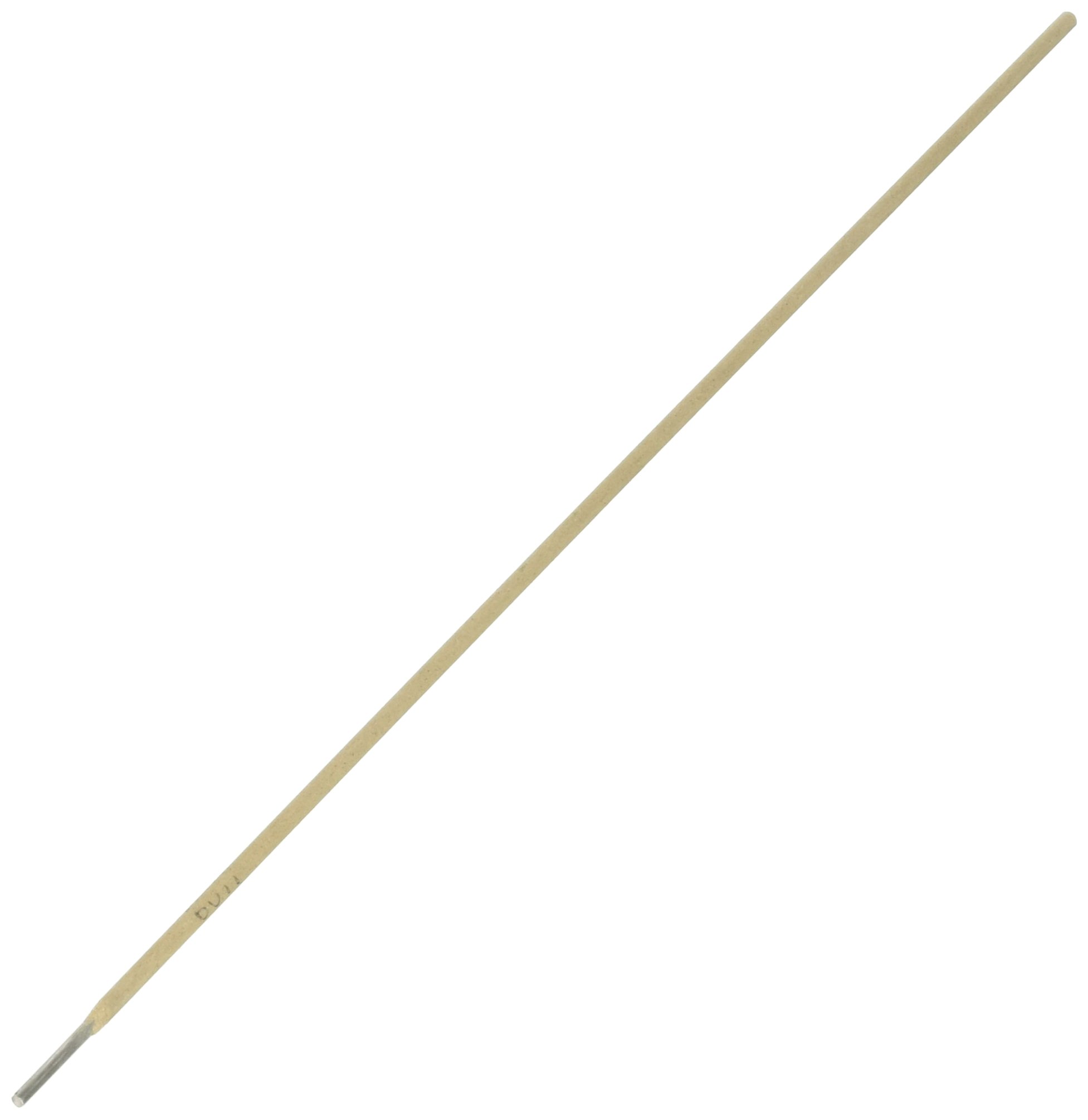
You’ll reach for this 6011 rod when you need an electrode that starts easily and digs in, even with lower-voltage machines. It’s the kind of rod that gives dependable performance on edge and butt joints, and its ability to run in all positions makes it useful for repair work on equipment or thin structural pieces.
The arc is easy to strike and stays steady, so you spend less time fussing with settings and more time getting welds done. If you want a go-to stick for patching, maintenance and situations where starting reliability matters, this one is a practical pick.
What People Say
Users commonly point to reliable starts and steady arc performance as the main strengths, especially when running low-voltage machines. Many appreciate how the rod handles edge and corner joints with decent penetration, and that it works across positions without fuss.
A few remarks note that technique matters for the cleanest beads, but most feedback treats it as a dependable repair rod.
Overall Sentiment: Positive
Versatility
This electrode is useful for maintenance, patchwork, sheet metal repairs and general shop fixes, and it performs well on small welders and in all welding positions.
Eco Friendliness
Not marketed for sustainability, but using a rod that reduces starts, stops and rework can help cut material waste over time.
Key Benefits
- Easy arc starts on low-OCV welders
- Good penetration for edge and butt joints
- All-position capability for repairs
- Stable arc that helps with consistent beads
Rating: (total: +)
FAQ
Which Rod Should I Use?
You pick a rod by matching the electrode classification and diameter to the metal, the weld position, and your welder. Use E7018 when you need strong, low-hydrogen deposits for structural or load-bearing repairs, choose 6013 for clean sheet metal and tidy beads that cut down on cleanup, and reach for 6011 when you need a rod that starts easily and digs through rust or scale.
For diameter, smaller sizes like 1/16″ work better on thin material while 1/8″ is better for thicker sections. Try a quick test weld on scrap to confirm penetration and bead appearance before you start the real job.
AC Or DC Compatibility?
Most Lincoln rods will run on either AC or DC, but they behave differently so you should test them with your machine. 6011 is very forgiving on AC and low open-circuit voltage machines, 6013 and 6016 work well on small AC welders and at low amperages, and E7018 performs best on DC for the cleanest, low-hydrogen results.
If you only have AC, try a short weld on scrap to dial in your amperage and practice striking an arc that stays steady.
How Should I Store And Handle Them?
Keep rods dry and sealed so you avoid brittle flux or compromised performance; check rods on arrival for any broken flux or damage and set aside suspect pieces. Store low-hydrogen rods like E7018 in a rod oven or a sealed container and follow manufacturer instructions for rebaking if they get damp.
Before a critical weld, test a few rods on scrap to confirm arc stability and bead quality so you don’t discover an issue mid-job.
What Welders Prefer
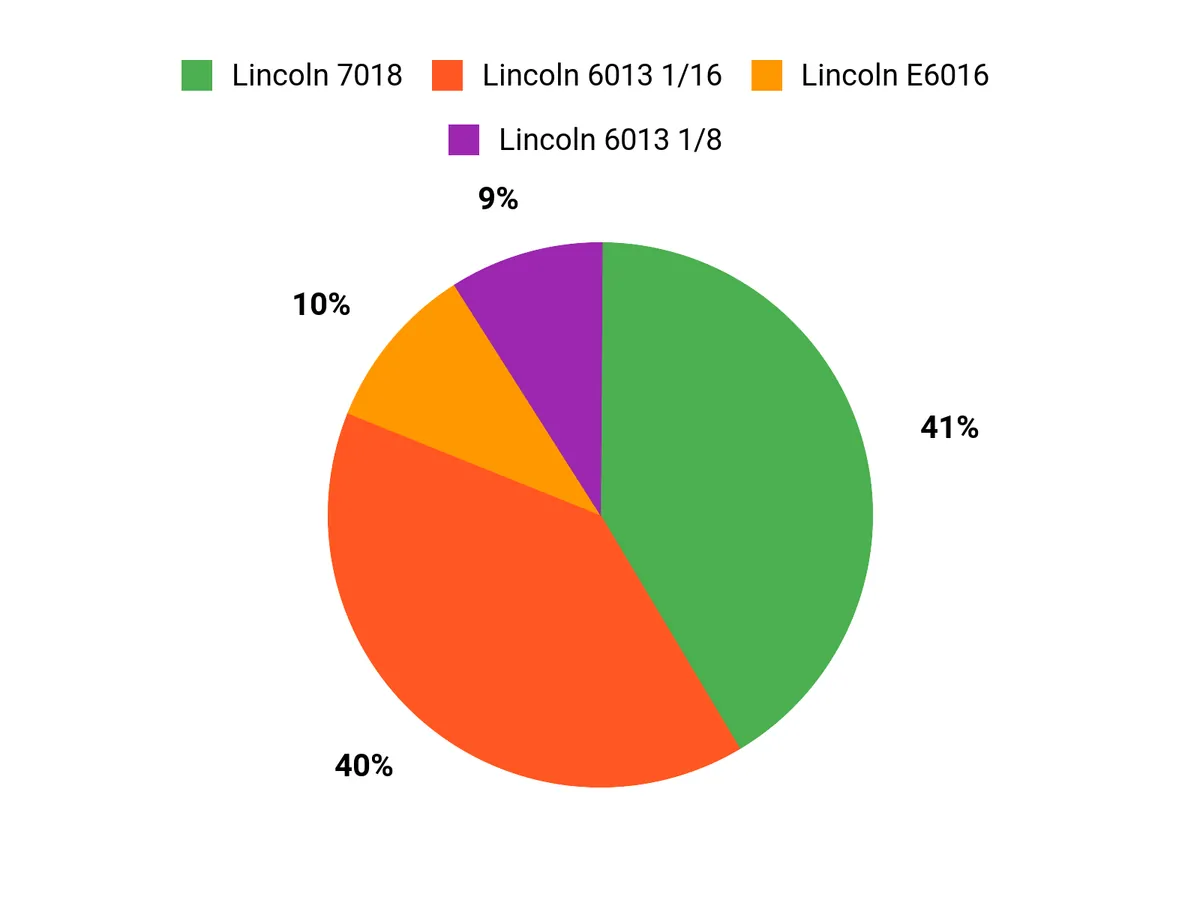
When you’re deciding between Lincoln 7018, Lincoln 6013 1/8 and the Lincoln 6013 50lb, you usually weigh strength and hydrogen control against ease of use and convenience. You pick 7018 for structural, load-bearing work where a low-hydrogen, strong deposit matters, choose the 6013 1/8 for a forgiving arc and tidy beads on sheet metal, and opt for the 6013 50lb when you want the same dependable performance but in bulk to keep a busy shop stocked.
Wrapping Up
You get a clear trade-off when you compare these seven Lincoln rods: the E7018 is the go-to when strength and a smooth, low-hydrogen deposit matter most, while 6011 excels on dirty or rusty surfaces where deep penetration is needed. 6013 family rods give you easy arc control and attractive beads for sheet metal and general maintenance, and the larger 50 pound pack lets you stock a shop without frequent reorders.
Picking the right diameter and coating for the metal and position you weld will save you time and reduce rework. Use this shortlist to match rod chemistry to the job so your next weld looks right and holds up.
| Product Name | Image | Recommended Uses | Material | Container Size |
|---|---|---|---|---|
| Lincoln Electric – ED032589 – LINCOLN ELECTRIC Stick Electrode, 7018 MR, 1/8 In, 14 L, 10 lb. |
 |
|
Mild Steel | 10 lb |
| Lincoln Electric ED033500 6013 1/8″ LB Weld Rod |
 |
|
Mild Steel | 1 lb |
| LINCOLN ELECTRIC Stick Electrode, 6013, 3/32 in, 12 L, 50 lb. |
 |
|
Mild Steel | 50 lb |
| LINCOLN ELECTRIC CO ED029898 E6016 37 5/64″ Fleet Weld Welding Rod |
 |
|
Mild Steel | 1 lb |
| Lincoln Electric ED033499 6013 3/32″ LB Weld Rod |
|
|
Mild Steel | 1 lb |
| LINCOLN ELECTRIC CO ED029897 E6016 1-/6″ Fleetweld 37 Welding Rod, Black |
 |
|
Mild Steel | 1 lb |
| Lincoln Electric ED033494 6011 3/32″ LB Weld Rod |
 |
|
Mild Steel | 1 lb |
This Roundup is reader-supported. When you click through links we may earn a referral commission on qualifying purchases.