You depend on reliable electrodes to get consistent welds, avoid rework, and keep projects on schedule. Choosing the right premium welding rod affects penetration, bead appearance, and joint strength, and it can reduce downtime from moisture-related failures. These 10 premium welding rods are picked for reliable arc performance and clean beads.
This guide highlights ten standout rods and one essential rod oven so you can quickly find the option that improves your weld quality and saves you time and money.
Top Picks
|
Category |
Product |
Score |
|---|---|---|
|
🚀 Best for Rod Storage |
89/100 |
|
|
🎯 Best for Deep Penetration |
85/100 |
|
|
🏆 Best for High-Tensile Steel |
94/100 |
|
|
💼 Best for Thick Sections |
92/100 |
|
|
🔰 Best for General Purpose |
87/100 |
|
|
💰 Best Budget E7018 |
82/100 |
|
|
⭐ Best for Stainless Steel |
88/100 |
|
|
🎨 Best for Aluminum Repair |
78/100 |
|
|
⚡ Most Reliable |
95/100 |
|
|
🎖️ Best Beginner-Friendly |
90/100 |
Selection Criteria
You want rods that match the metal, joint design, and working conditions you face. We prioritized chemistry and classification (E6010, E6011, E6013, E7018, E308L, E4043), ease of striking and arc stability, packaging and moisture protection, and proven performance across weld positions.
We also factored price per pound, real-world seller reputation, and any value-adds like vacuum-sealed packs or a matching rod oven so you can keep electrodes dry on the job.

You get a simple, rugged way to keep electrodes dry and ready when you use the KT-50. It’s built to move from shop to jobsite, holds about 50 pounds of rod, and is light enough to carry while still feeling solid thanks to its steel shell and insulated interior. The heater technology brings the oven up to temperature quickly without drawing much amperage, so you can minimize downtime when you need to transfer rods or work in damp conditions.
On a typical day it’s handy for mobile welders and foremen who need reliable rod storage; for special projects it helps prevent moisture-related porosity and saves you the hassle of re-drying batches of electrodes. If you want a no-nonsense rod oven that focuses on durability and consistent temperature, this is a practical choice you can rely on.
What People Say
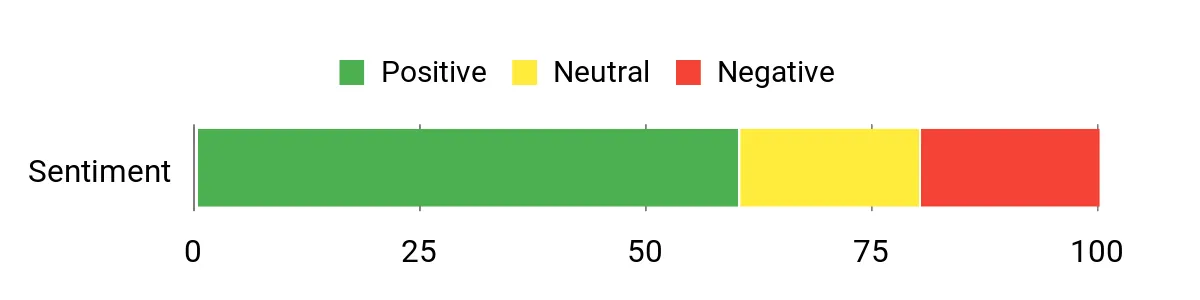
Customers frequently note the KT-50’s solid construction and how well it holds temperature, which matters when you’re trying to avoid moisture in your rods. People also appreciate the quick heat-up and low power draw that make it practical on site.
A recurring gripe is the lack of an internal rod tray, which some users would like for organization and easier access.
Overall Sentiment: Neutral
Safety Features
CSA listing, an external “ON” indicator light, and a bimetal thermostat mounted beneath the cover for protection, plus thick thermal insulation to reduce heat loss and keep surfaces safer during use.
Problem Solving
This oven prevents moisture pickup that ruins electrodes, lets you move a sizeable quantity of rods between locations without degrading performance, and reduces the need for emergency re-drying — which translates to fewer interrupted shifts and cleaner welds.
Key Benefits
- Maintains dry, ready-to-weld electrodes to reduce rework
- Rugged, portable steel design built for jobsite use
- Fast, energy-efficient heating with low amperage draw
Rating: 3.9 (total: 15+)

You get a classic deep-penetrating stick electrode made for jobs where you need reliable root fusion and strong penetration. These E6010 rods are aimed at mobile welders and fabricators who tackle pipe, repair work, and situations with less-than-perfect fit-up. On a daily basis they help you drive consistent root passes and cut through scale or surface contamination, and for special projects they’re the kind of rod that makes starting and holding the arc worthwhile when conditions are challenging.
If you need a versatile, go-to root rod and you don’t want to fuss with filler wire or shielding gas, this is a practical pick to keep in your truck or shop.
What People Say
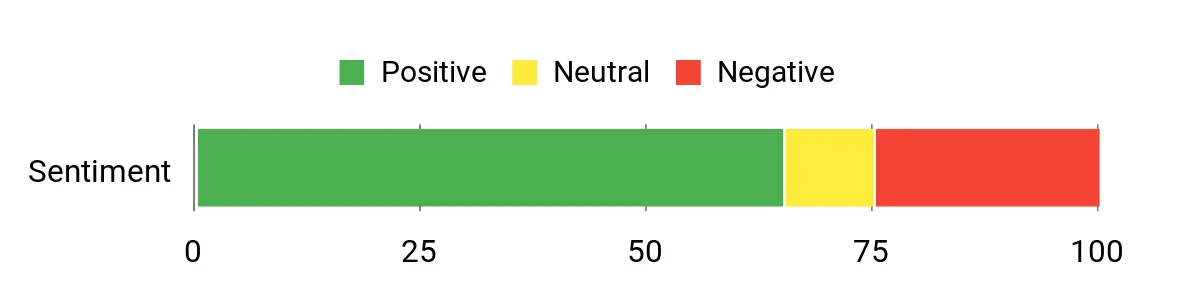
Buyers often praise the rods that run well for daily mobile work and note the solid burn and sealed packaging as helpful for keeping rods usable. A portion of users report issues like difficulty re-striking or receiving less weight than expected, so experiences can vary. Overall the theme is reliable performance for many, with a few quality control or restart complaints.
Overall Sentiment: Neutral
Safety Features
AWS classification indicates expected performance and handling; sealed packaging helps protect flux from moisture. Standard welding safety practices such as adequate ventilation, eye and skin protection, and handling per manufacturer guidance are still required.
Problem Solving
These rods solve common jobsite headaches like poor fit-up and surface contamination by offering a robust arc and deep penetration that helps you achieve sound root welds without excessive prep.
Key Benefits
- Strong penetration for root passes and dirty surfaces
- Available in common sizes for mobile and shop use
- Bulk packaging suited to high-consumption jobs
Rating: 4.2 (total: 23+)
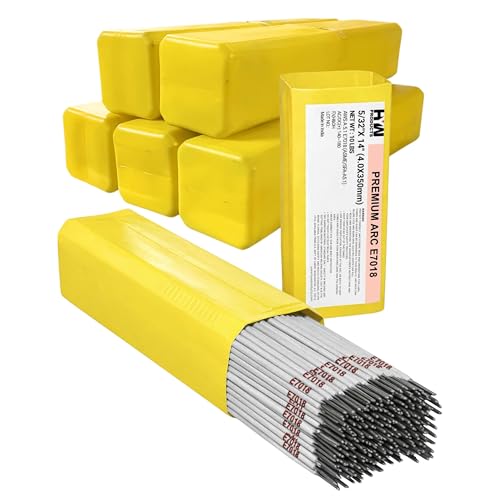
You’re looking at a workhorse rod built for heavy structural jobs where strength and low-hydrogen deposits matter. These E7018s give you a smooth arc, easy slag removal, and the ability to weld flat, vertical-up, and overhead without fuss.
For daily shop work they hold up well when you run a lot of rod, and for special projects like tanks, bridges, or machinery they deliver the mechanical properties you need. If you want a reliable structural electrode that performs like higher-end brands but in convenient sealed packs, this is a solid choice to keep on hand.
What People Say
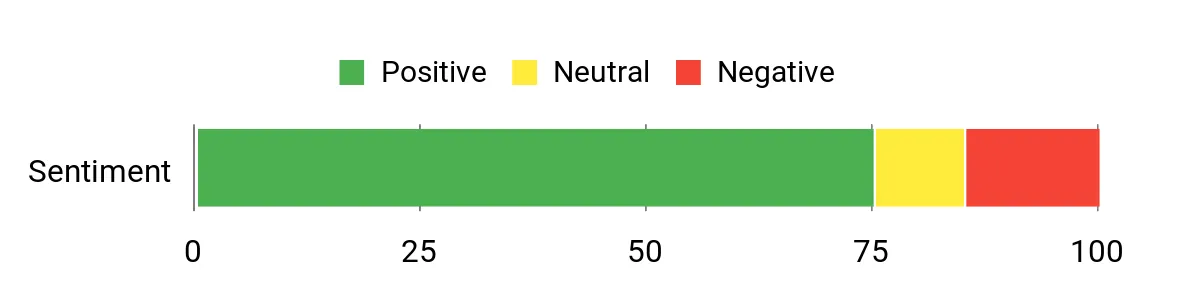
Most users highlight a smooth, consistent arc and say the rods run well across inverter and engine-drive machines. The vacuum-sealed packaging and lack of coating issues come up often as positives, while a minority report occasional shipping or missing-package problems that required follow-up.
Overall Sentiment: Positive
Safety
Low-hydrogen iron powder covering reduces hydrogen-induced cracking, vacuum-sealed packaging helps keep flux dry, and the manufacturer recommends redrying at 300–400°C if long-term storage or reconditioning is needed.
Solves
These rods help you avoid weld cracking on restrained joints and provide dependable out-of-position performance, making it easier to produce sound, radiographically acceptable welds on thick or high-tensile steels without excessive rework.
Key Benefits
- Low-hydrogen coating for reduced cracking risk
- Smooth arc and easy slag removal for cleaner beads
- Vacuum-sealed, convenient 10 lb packs ideal for shop stock
Rating: 4.4 (total: 71+)

You’re looking at a dependable structural rod that’s built for work where cracking is a real concern. These E7018s give you a smooth arc, easy slag removal, and consistent out-of-position performance that makes thick-section and restrained-joint welding more manageable. In daily shop use they’re simple to run and keep in stock thanks to vacuum-sealed packs, and for special projects like tanks, bridges, or heavy machinery they deliver the mechanical properties inspectors expect.
If you want a practical low-hydrogen option that behaves like higher-end brands, this is a solid rod to keep on hand.
What People Say
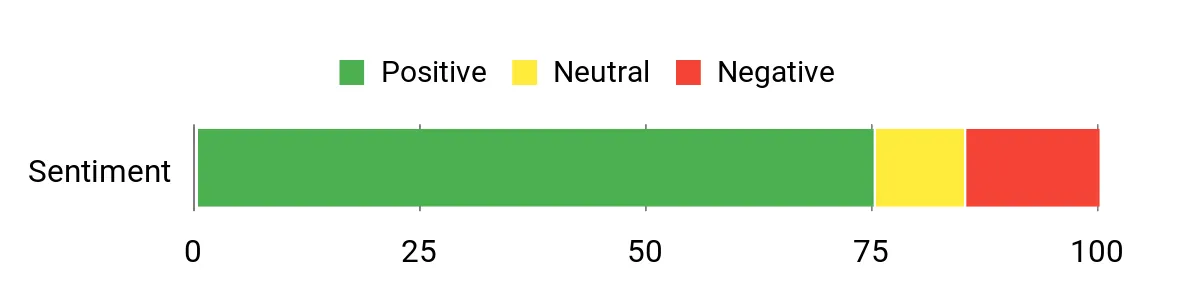
Most users report a smooth, consistent arc and appreciate the sealed packaging that keeps coating intact. Many mention the rods run well on both inverter and engine-drive machines and perform reliably out of position.
A small number of buyers note occasional shipping or missing-package problems that required follow-up.
Overall Sentiment: Positive
Safety
Low-hydrogen iron powder coating reduces hydrogen-induced cracking, vacuum-sealed packaging preserves flux integrity, and manufacturer guidance recommends redrying at 300–400°C if needed.
Solves
These rods help you avoid cracking on thick or restrained joints and make it easier to lay acceptable welds in multiple positions, reducing rework and improving first-pass acceptability.
Key Benefits
- Low-hydrogen covering reduces cracking risk on restrained joints
- Smooth arc and easy slag removal for cleaner beads
- Vacuum-sealed 10 lb packs make storage and handling convenient
Rating: 4.4 (total: 71+)

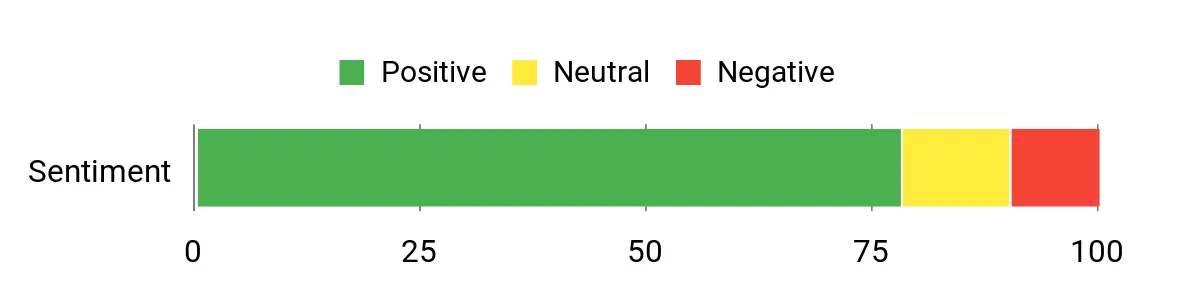
You’ll find these E6013 rods are built for everyday shop work where ease and consistency matter. They strike and run well on both AC and DC machines, so you can use them for light fabrication, repairs, and production runs without fussing over settings. On regular jobs they make quick, clean beads with minimal splatter, and for occasional projects where fit-up isn’t perfect they still deliver usable results. If you want a straightforward, dependable general-purpose rod to keep in stock, this is one that covers a lot of bases.
What People Say
Customers commonly praise the rod’s steady arc and consistent performance across different machines, noting it behaves like shop-grade rods at a comparable level. Many appreciate that it’s easy to run even for high-volume work, while occasional complaints point to shipping hiccups rather than product performance.
Overall Sentiment: Positive
Safety
Stable arc characteristics reduce sticking and spatter, and the rod is suitable for lower-voltage machines which can help avoid unstable conditions. Standard welding precautions such as proper ventilation, eye and skin protection, and handling per manufacturer guidance remain necessary.
Solves
These rods address common shop headaches like inconsistent strikes and poor fit-up by offering a forgiving arc and reliable bead profile, which helps you finish jobs faster and with fewer touch-ups.
Key Benefits
- Smooth, steady arc that’s easy to run
- Works on AC or DC welders for flexibility
- Good choice for general fabrication and production
Rating: 4.4 (total: 8+)

You’re looking at a straightforward E7018 rod meant for structural and heavy-duty work. It’s presented in 10 lb boxes that make stocking a shop easy, and the 1/8″ diameter is a common, versatile choice for thicker sections and restrained joints.
On everyday jobs it helps you lay down consistent, low-hydrogen beads that resist cracking, and for larger projects like frames, tanks, or repairs it gives you the kind of deposit you can inspect with confidence. If you keep a few boxes on hand, this covers a lot of routine structural needs without overcomplicating your setup.
What People Say
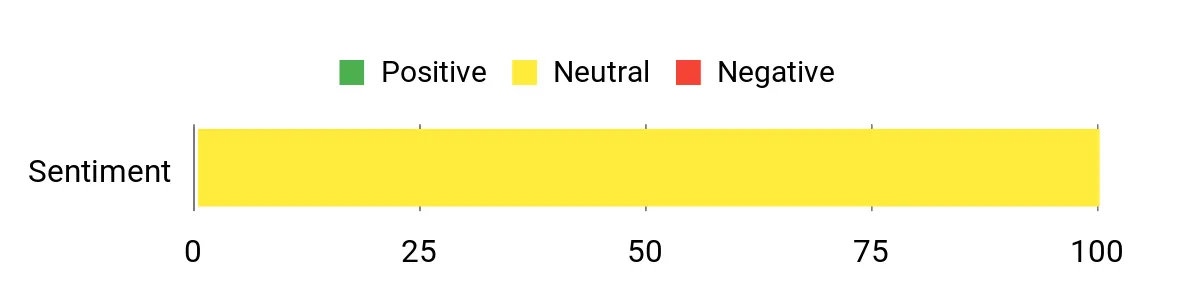
There isn’t much public feedback available for this specific listing, so impressions rely largely on the E7018 classification and packaging. Based on that, welders would typically expect reliable low-hydrogen performance, good out-of-position behavior, and convenient box sizes for regular shop consumption.
Overall Sentiment: Neutral
Safety
Product labeling includes a California Proposition 65 warning about potential chemical exposures; welding safety still requires proper ventilation, eye and skin protection, and adherence to handling guidelines for fumes and slag.
Solves
These rods help you avoid post-weld cracking on restrained joints and make it easier to achieve acceptable deposits on thick sections, which reduces rework and keeps structural projects moving forward.
Key Benefits
- Widely used 1/8″ size for thick-section and structural work
- Bulk 10 lb packaging suited to shop stocking and frequent use
- E7018 chemistry reduces hydrogen-related cracking risk
Rating: (total: +)

If you need to weld stainless without bringing a MIG or TIG setup, these E308L sticks are the kind of practical backup you want in the box. You can use them for small exhaust work, patching thin stainless, or finishing a project where corrosion resistance matters.
They run with a slightly self-cleaning action that helps produce tidy beads, and the reusable airtight tube is handy for keeping unused rods dry. For everyday stainless repairs and jobsite touch-ups, they’re a convenient, easy-to-pack option you can rely on.
What People Say
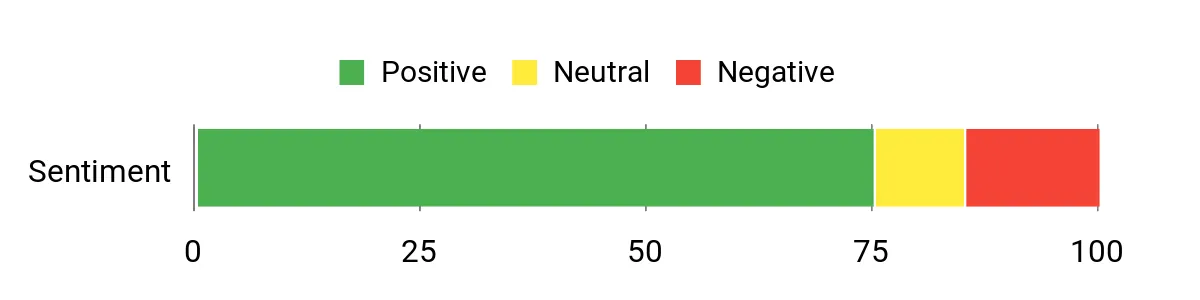
Customers commonly highlight how well these rods handle stainless repairs and appreciate the neat, self-cleaning bead appearance. Many call out the airtight, reusable packaging as a useful touch for storage.
A few users wished for clearer polarity and amperage guidance, and there are occasional reports of inconsistent results.
Overall Sentiment: Positive
Safety
Stick welding stainless produces fumes and hot slag that can pop off; use proper ventilation, eye protection, and gloves. The package is reasonably protective to limit moisture but standard welding safety practices still apply.
Solves
These electrodes let you fix stainless quickly without specialized equipment, making on-the-spot repairs and small fabrication jobs simpler. They’re particularly useful for thin-gauge stainless and situations where a clean bead and corrosion resistance are important.
Key Benefits
- Good stainless performance when MIG/TIG aren’t an option
- Produces self-cleaning beads for cleaner finishes
- Re-sealable packaging helps protect unused rods from moisture
Rating: 4.5 (total: 18+)

If you work on aluminum repair or small fabrication, these E4043 rods are a compact option to keep in your kit. They’re intended for alloy repair and brazing on thin sections and can be handy when you don’t want to set up TIG or MIG.
The resealable packaging makes storage easier between jobs, and for everyday touch-ups they can deliver acceptable penetration and a decent bead if you match your amperage. For occasional repair work or as a practice pack while you learn aluminum technique, they’re a practical, portable choice, though you may want to test a few rods first to confirm consistency.
What People Say
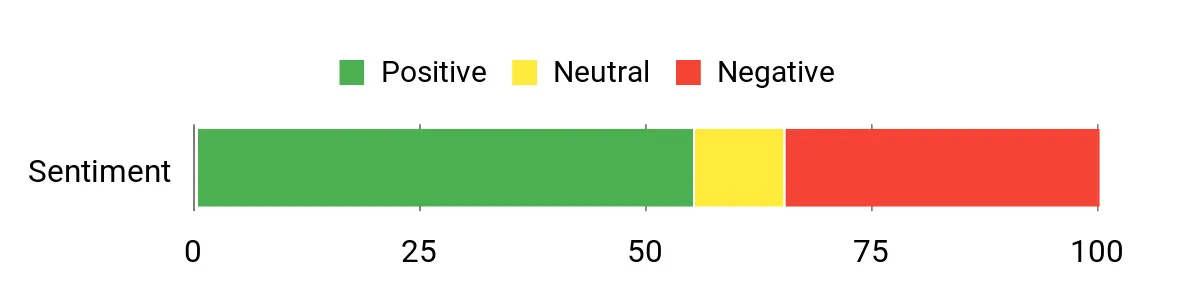
Users often appreciate the resealable packaging and say the rods can perform well for basic aluminum repairs, especially for less experienced welders. At the same time, a noticeable portion of buyers report inconsistent quality or poor results, so experiences vary and some testing before critical work is advisable.
Overall Sentiment: Neutral
Safety
Aluminum welding produces fumes and hot spatter; use good ventilation, eye protection, and gloves. Clean material surfaces beforehand to avoid contamination and follow standard welding safety practices.
Solves
These rods help you handle quick aluminum fixes without needing specialized equipment, making on-site repairs and small projects simpler. They’re best for light repair tasks and practice, though inconsistent batches could mean you’ll need backups for important jobs.
Key Benefits
- Designed for aluminum alloy repair and brazing
- Resealable pack helps protect unused rods from moisture
- Compact 1 lb size is convenient for small jobs and field work
Rating: 3.6 (total: 13+)
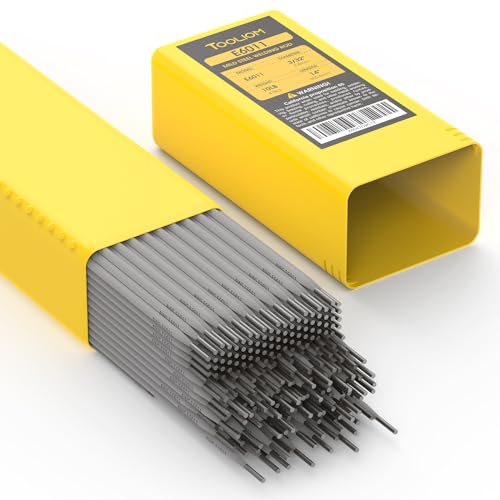
You’re looking at a dependable E6011 rod that’s built for real-world jobsite work. These sticks are the kind you bring when you need a rod that starts easily, handles less-than-perfect surfaces, and gets the root pass done without fuss. For daily tasks they’re great for repair work, farm gear, and mobile welding where portability and restartability matter.
For special jobs like field pipe repairs or emergency fixes, they let you get in and out quickly while still laying a solid bead. If you want a versatile rod to keep in the truck or welding kit, this one balances ease of use and consistent performance.
What People Say
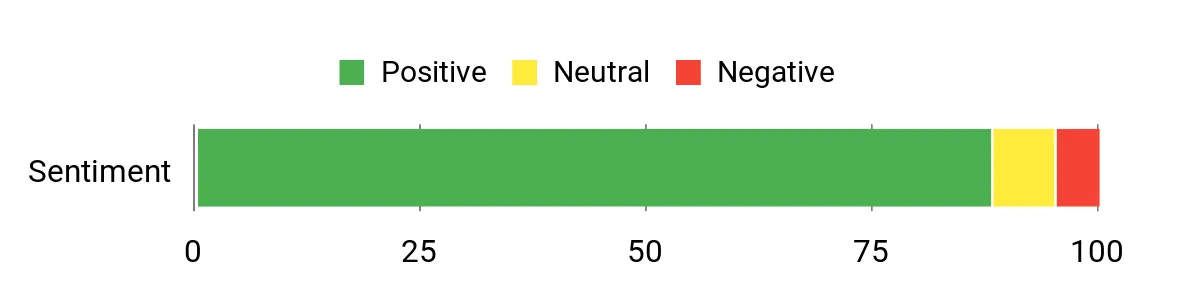
Reviewers commonly highlight how reliably these rods strike and run, and many appreciate the quantity and consistency in each pack. People often mention they work well for routine repairs and mobile jobs, while a few buyers focus on simple expectations like packaging and delivery rather than performance.
Overall Sentiment: Positive
Safety
Standard electrode packaging protects the flux until use; welding with E6011 still requires proper ventilation, eye and skin protection, and care to manage hot slag and fumes.
Solves
These rods help you avoid restart headaches and let you weld through surface contamination, which reduces prep time and keeps repairs moving. They’re a practical fix when you need dependable root penetration without specialized equipment.
Key Benefits
- Easy arc starting and reliable restartability
- Good performance on dirty or rusty surfaces
- Convenient 10 lb pack size for frequent use
Rating: 4.7 (total: 290+)

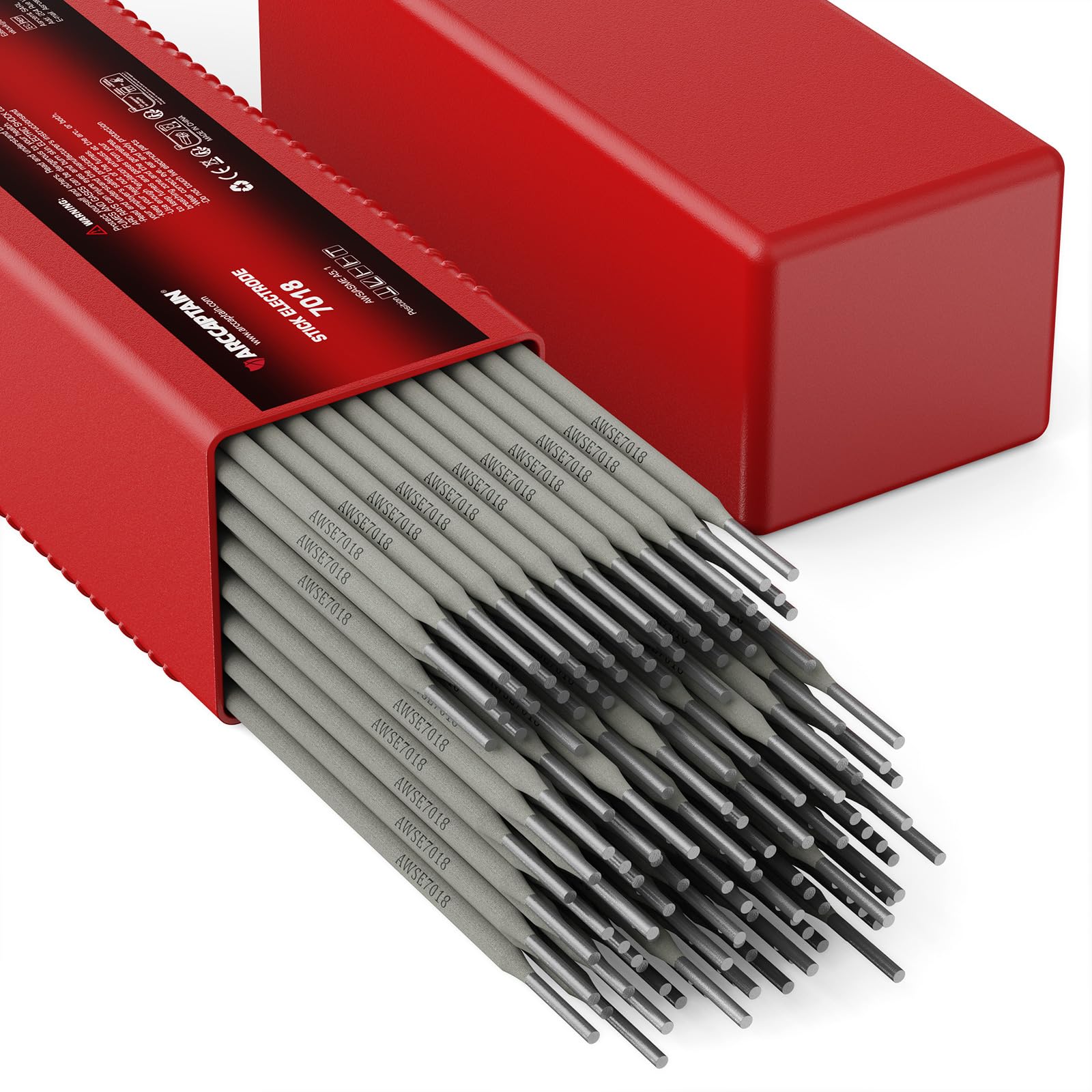
You’ll find these E7018 sticks are built to be work-ready whether you’re in the shop or on a jobsite. They strike up reliably, lay down a steady bead, and run well out of position, which makes them useful for structural repairs, fabrication, and everyday welding tasks. The packaging in a plastic box helps keep rods organized between uses, and both beginners and experienced welders report smooth burns that hold up across different machines.
If you want an easy-to-run low-hydrogen rod that handles routine and tougher jobs without fuss, this is a dependable option to keep in your kit.
What People Say
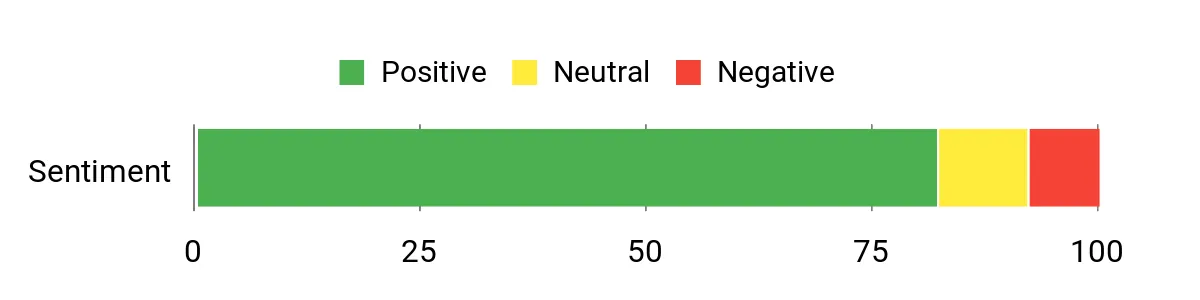
Buyers commonly praise how these rods strike and burn evenly, noting they’re easy to run on both inverter and engine-drive machines. Many users appreciate the practical plastic box packaging for storage and say the rods perform well for routine repairs and structural work. A small number of customers report occasional quality or packaging inconsistencies, but most feedback emphasizes reliable, professional-feeling results.
Overall Sentiment: Positive
Safety
Low-hydrogen coating helps limit hydrogen-induced cracking risks, and the plastic storage box protects rods from incidental moisture and damage. Standard welding safety practices still apply, including ventilation, eye and skin protection, and care when handling hot slag.
Solves
These electrodes help you avoid restart issues and reduce time spent on prep and rework by offering dependable strikes and a stable arc, which is especially useful for field repairs, structural welding, and situations with imperfect fit-up.
Key Benefits
- Consistent strike and steady bead for reliable passes
- Low-hydrogen chemistry reduces cracking risk on restrained joints
- Low sticking and even burn make it approachable for many skill levels
Rating: 4.6 (total: 457+)
FAQ
How Do I Choose The Right Rod?
You want to match the rod classification to the job: use E6010/E6011 for deep-penetration root work and dirty surfaces, E6013 for general fabrication and forgiving fits, E7018 for low-hydrogen structural welds, E308L for stainless, and E4043 for aluminum repair. Also consider diameter, welding position, and your power source — thinner rods for thinner metal and lower amps, and check whether the rod expects DC+ or AC so your machine and leads are set correctly.
How Should I Store And Re-Dry Electrodes?
Keep electrodes dry and in sealed packaging or a rod oven between uses because moisture causes porosity and restart problems. If you use low-hydrogen rods like E7018, follow the manufacturer guidance and re-dry when needed (for example many recommend 300–400°C for 1–2 hours); portable ovens designed for rods let you move sticks to the jobsite and maintain temperature without repeated batch re-drying.
What If Rods Won’t Restart Or Quality Varies?
First, confirm you’re using the right amperage, polarity, and technique for that electrode — many restart issues come from incorrect settings. If you see inconsistent results, test a few rods from the pack, check seals or vacuum packaging, and store remaining rods in a dry container or oven; occasional shipping or packaging problems happen, but proper storage and matching rod to application usually fix most performance complaints.
What Welders Prefer
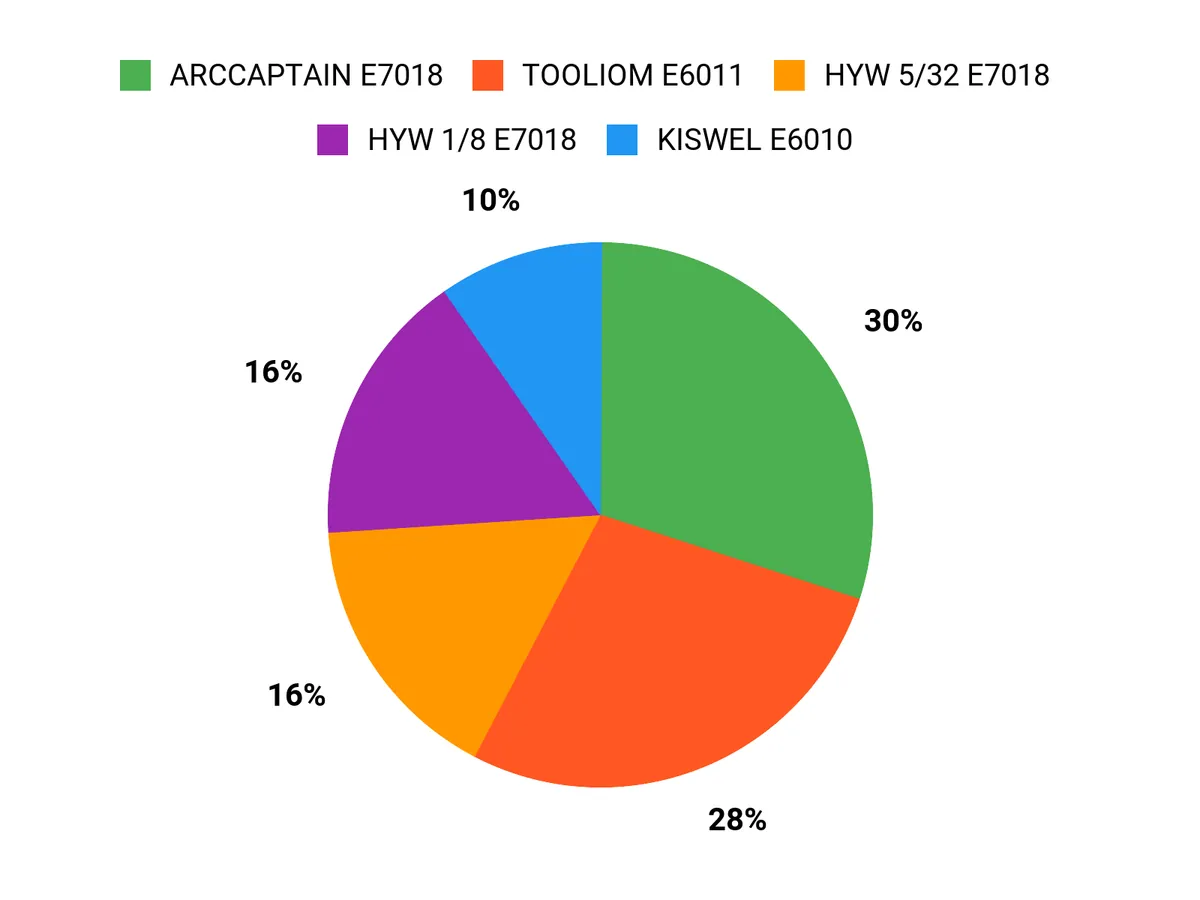
You typically weigh storage and moisture control against the welding task: a rod oven like the Keen KT-50 matters when you need to keep electrodes dry on the move, while the KISWEL E6010 is chosen for deep-penetration root work and easy restartability. For structural or restrained joints you lean toward the HYW 5/32 E7018 because its low-hydrogen deposit and smooth arc reduce cracking and make inspections easier.
Wrapping Up
You can improve weld consistency and reduce scrap by matching rod chemistry to the job and controlling electrode moisture. The picks here cover deep-penetration rods, low-hydrogen E7018 options for structural work, stainless and aluminum choices, reliable all-around electrodes, and a portable oven to keep rods dry at the jobsite.
Use this list to narrow choices by application: pick E6010/E6011 for root work and fit-up challenges, E7018 for high-strength or restrained joints, E6013 for general fabrication, E308L for stainless, and E4043 when repairing aluminum. With the right rod and proper storage, you get cleaner beads, fewer restarts, and fewer post-weld headaches.
| Product Name | Image | Weight | Welding Type | Electrode Diameter | Material |
|---|---|---|---|---|---|
| Keen Ovens® KT-50 Portable Heavy-Duty Welding Rod Oven |
 |
18 pounds | Storage Oven | N/A | Steel |
| E6010 Premium Arc Stick Electrodes Welding Rods |
 |
60 pounds | Arc Stick | 3/32″, 1/8″, 5/32″ | Metal |
| E7018 5/32″ Premium Arc Welding Rods |
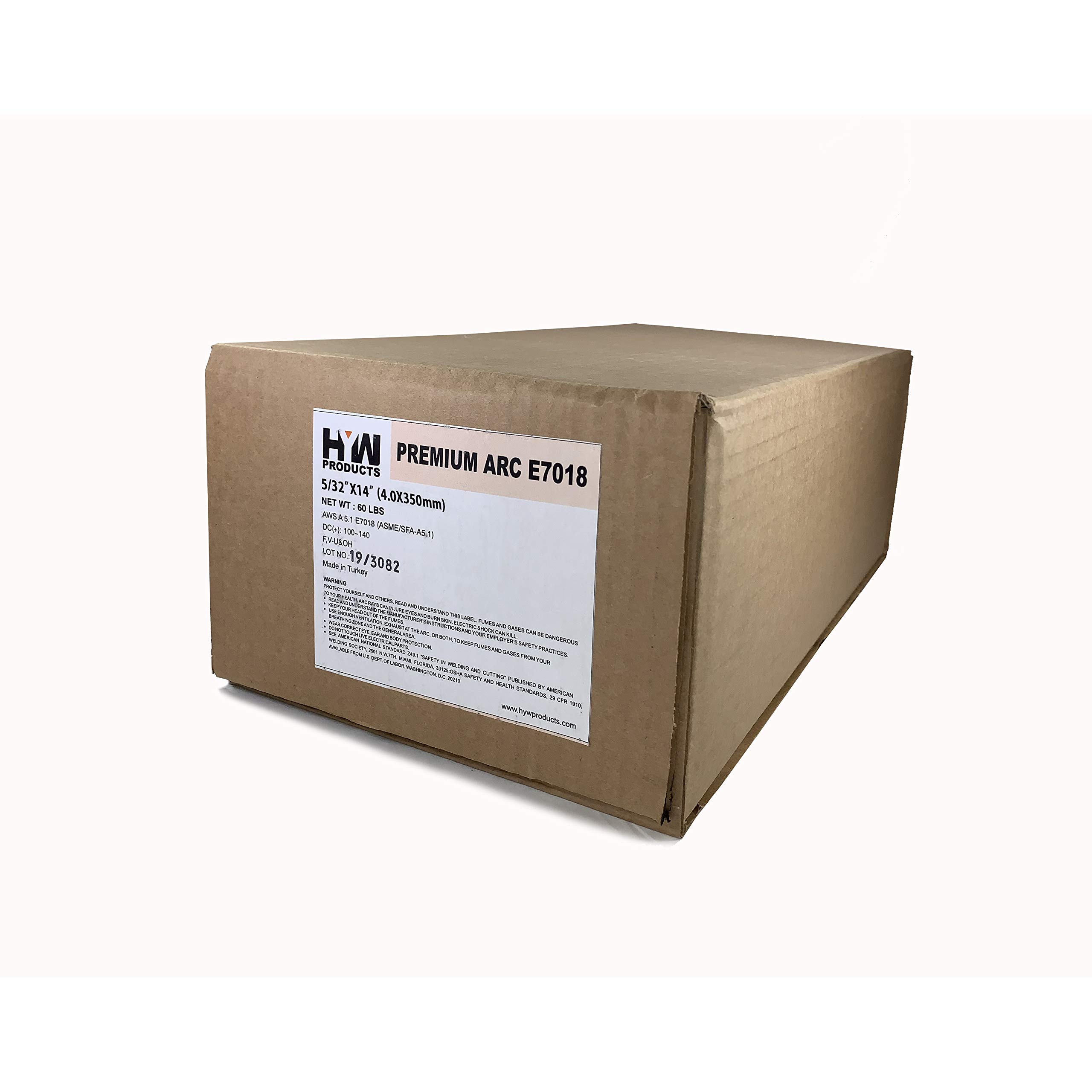 |
60 pounds | Arc Stick | 5/32″ | Carbon Steel |
| E7018 Premium Arc Welding Rods 1/8″ |
 |
60 pounds | Arc Stick | 1/8″ | Metal |
| E6013 Premium Arc Welding Rods |
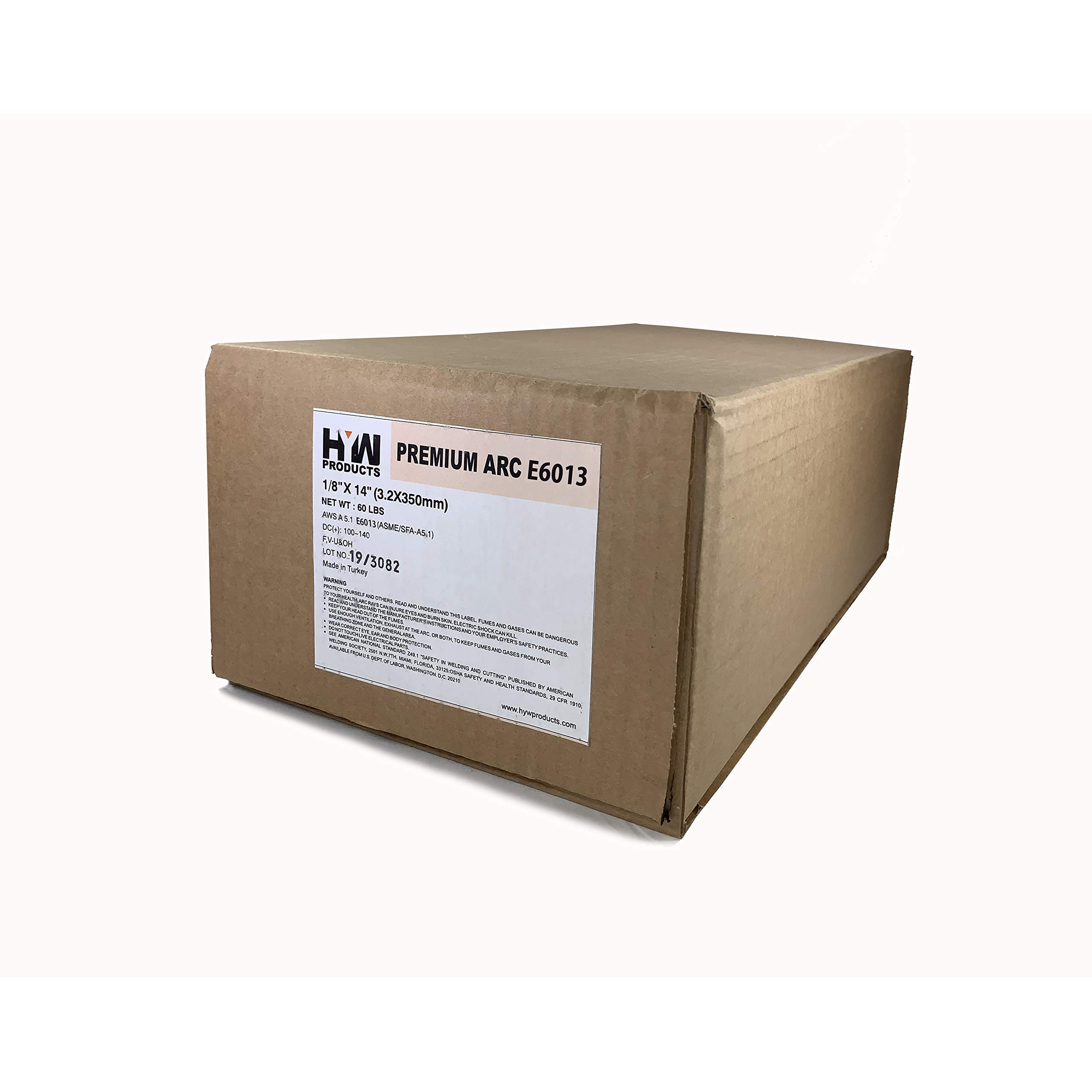 |
60 pounds | Arc Stick | 1/8″, 5/32″ | Mild Steel |
| E7018 1/8″ Premium Arc Welding Rods |
 |
59.8 pounds | Arc Stick | 1/8″ | Carbon Steel |
| YESWELDER E308L-16 Stainless Steel Stick Electrodes |
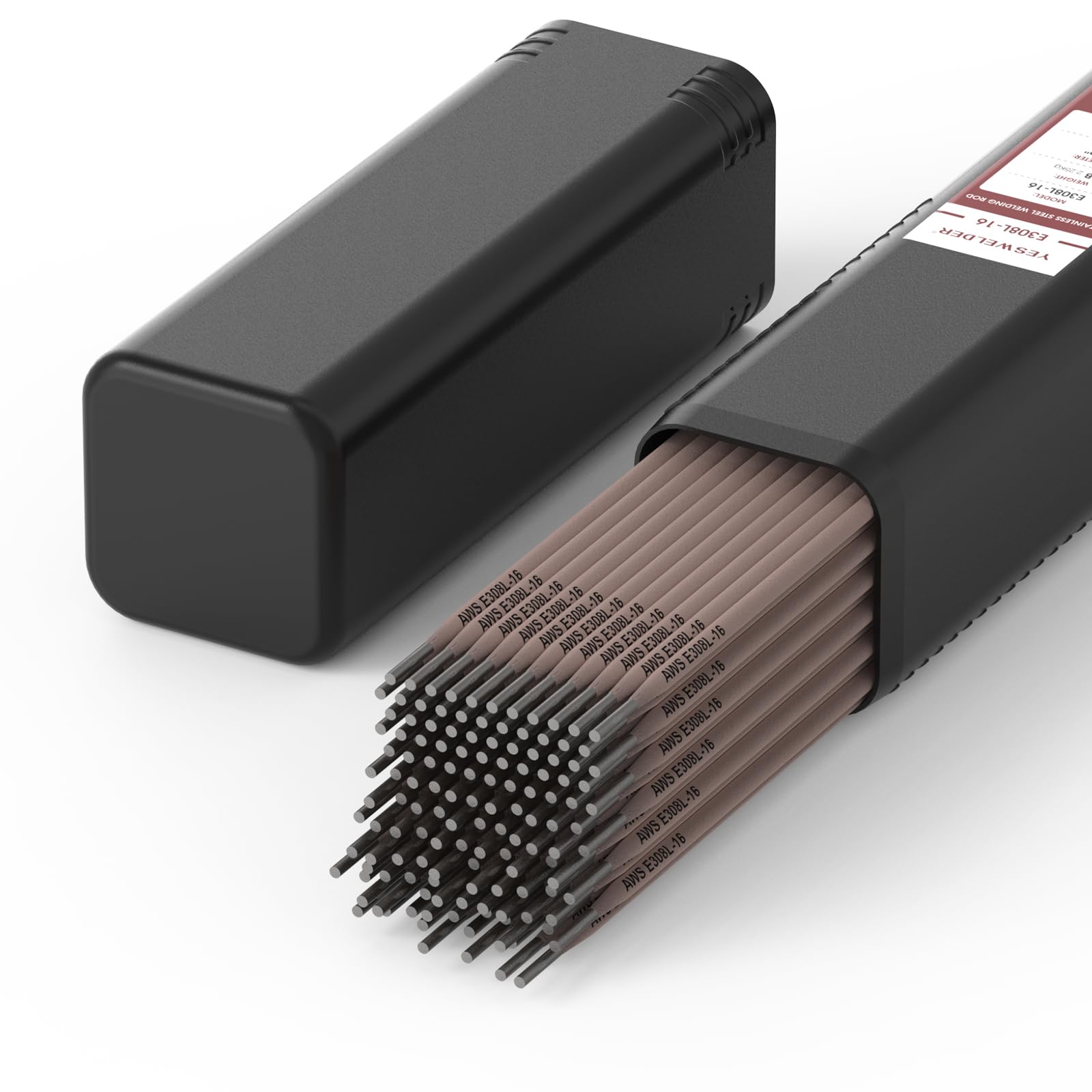 |
5.26 pounds | Arc Stick | 3/32″ | Stainless Steel |
| E4043 Aluminum Welding Rods |
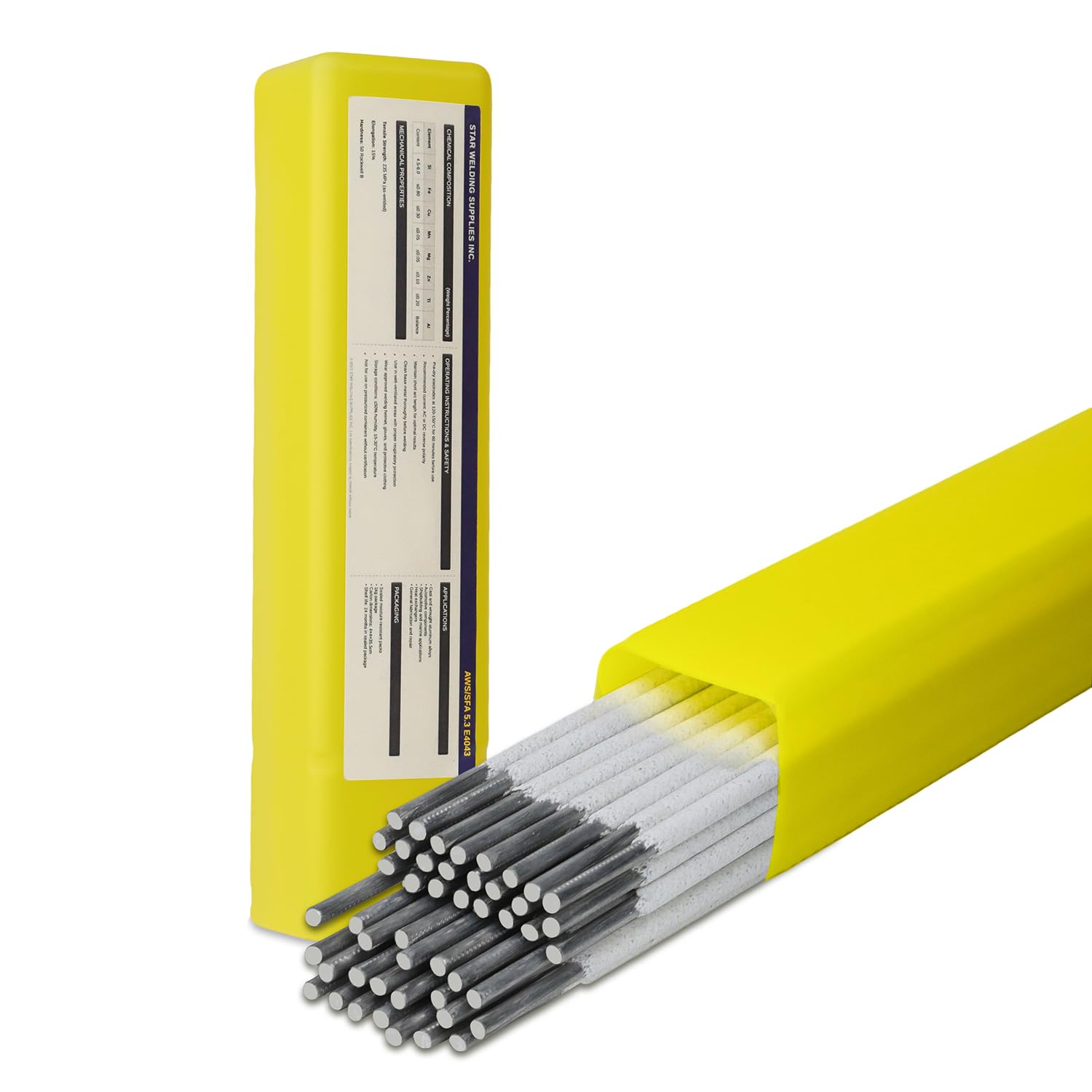 |
1 pound | Aluminum Welding | 1/8″ | Aluminum |
| TOOLIOM E6011 Welding Rod 3/32″ |
 |
10.08 pounds | Arc Stick | 3/32″ | Carbon Steel |
| ARCCAPTAIN E7018 Welding Rod 1/8” |
 |
10.21 pounds | Arc Stick | 1/8″ | Carbon Steel |
This Roundup is reader-supported. When you click through links we may earn a referral commission on qualifying purchases.