Low temperature universal welding rods are low-melting alloy sticks that you melt with a propane or MAPP torch. They are closer to brazing or soldering than to arc welding, and the joint is much weaker than a steel weld. Nine of the 10 products here are rods of this type; the tenth is an E6013 stick electrode for arc welding.
The specs come from the Amazon listings, so confirm material, quantity and what each rod is meant to join before you buy.
Top Picks
|
Category |
Product |
|---|---|
|
Best Starter Pack |
|
|
Best for Brazing |
|
|
Best for Quick Fixes |
|
|
Best for Steel |
|
|
Best for Art Projects |
|
|
Best Value Pack |
|
|
Best for Hobbyists |
|
|
Best for Cosmetic Work |
|
|
Best for Filler Use |
|
|
Best for Aluminum Repair |
How the Picks Were Chosen
This list is built from the Amazon listing details for each product, not from hands-on testing. These are the points compared:
- Type: low-temp universal, aluminum brazing or E6013 stick.
- Metals named on the listing: aluminum, stainless steel, iron or copper.
- Quantity and size: from 6 to 24 pieces, mostly about 13 inches long.
- Flux: whether the rod is flux-cored or needs separate flux.

You get a compact pack of easy-melt rods that are designed to flow at lower temperatures, so they’re handy when you want to avoid warping thin sheet metal. They work well for filling small holes, making cosmetic repairs, and doing quick touch-ups where a full welder isn’t practical.
Technique and surface prep matter: if you clean the metal and use a proper torch rather than a tiny lighter, the rods flow more predictably. For practice work or emergency patching you’ll appreciate the convenience, but you should avoid relying on them for structural or load-bearing joins.
When To Use
|
Situation |
How It Helps |
|---|---|
|
Thin aluminum patching |
You can fill small cracks and pinholes without overheating the base metal, reducing the chance of burn-through. |
|
Cosmetic touch-ups |
When appearance matters more than strength, the rods let you create a smooth bead that sands and files easily. |
|
Learning and practice |
You can practice heating and filler control without investing in TIG gear, which helps build basic torch technique. |
|
Emergency field repairs |
Packed small and lightweight, they let you make temporary fixes on trailers, gutters, or non-structural panels until a proper repair is possible. |
Key Benefits
- Low melting point for low-heat repairs
- Works on aluminum, stainless and iron
- Beginner-friendly handling
- Compact multi-piece pack for multiple attempts

You get a box of flux-core brazing rods meant to run with a propane or MAP torch, which makes them handy when you don’t have a TIG setup. They work well for sealing joints, patching aluminum plates, and bonding small parts where appearance and leakproofing matter more than heavy structural strength.
Expect a learning curve: heat the workpiece first, then feed the rod so it flows into the joint. If you practice technique and temperature control you’ll find these are a practical go-to for routine repairs and hobby projects.
When To Use
|
Situation |
How It Helps |
|---|---|
|
Sealing Joints |
You can create leak-resistant seams on aluminum boxes, gutters, or housings without a full welding rig. |
|
Sheet Aluminum Repair |
They let you bond thin plates without burning through, provided you preheat the base metal correctly. |
|
Hobby Fabrication |
You can tack and join small components for prototypes or art pieces without specialized equipment. |
|
Learning Brazing |
A large pack gives you room to practice temperature control and filler technique until you get consistent flow. |
Key Benefits
- Flux core designed for torch brazing
- Suitable for aluminum plates and small parts
- Plenty of rods for practice and repeat jobs
- Compact, easy-to-store packaging

You get a small pack of low-melt rods aimed at quick repairs and filler work when you don’t want to heat the whole panel. They melt easily and can fill small holes or cosmetic gaps on thin sheet metal, but they need careful heat control and surface prep to work well. For everyday touch-ups, hobby projects, or emergency patches these are convenient to carry and try, though they aren’t a replacement for proper welding electrodes on structural joints.
If you plan to use them, focus on technique and a proper torch rather than a tiny flame so they behave predictably.
When To Use
|
Situation |
How It Helps |
|---|---|
|
Small Hole Repair |
You can fill pinholes and small cracks in thin panels without burning through the metal. |
|
Cosmetic Patch |
They let you lay down a smooth bead that sands and shapes for a tidy finish. |
|
Field Quick Fixes |
The small pack is easy to carry for temporary fixes on trailers, gutters, or housings. |
|
Skill Practice |
Using a few rods helps you learn heat control and filler technique before attempting bigger brazing tasks. |
Key Benefits
- Low melting point for low-heat repairs
- Compact pack for quick touch-ups
- Useful for filling holes and cosmetic work
- Works on several common metals

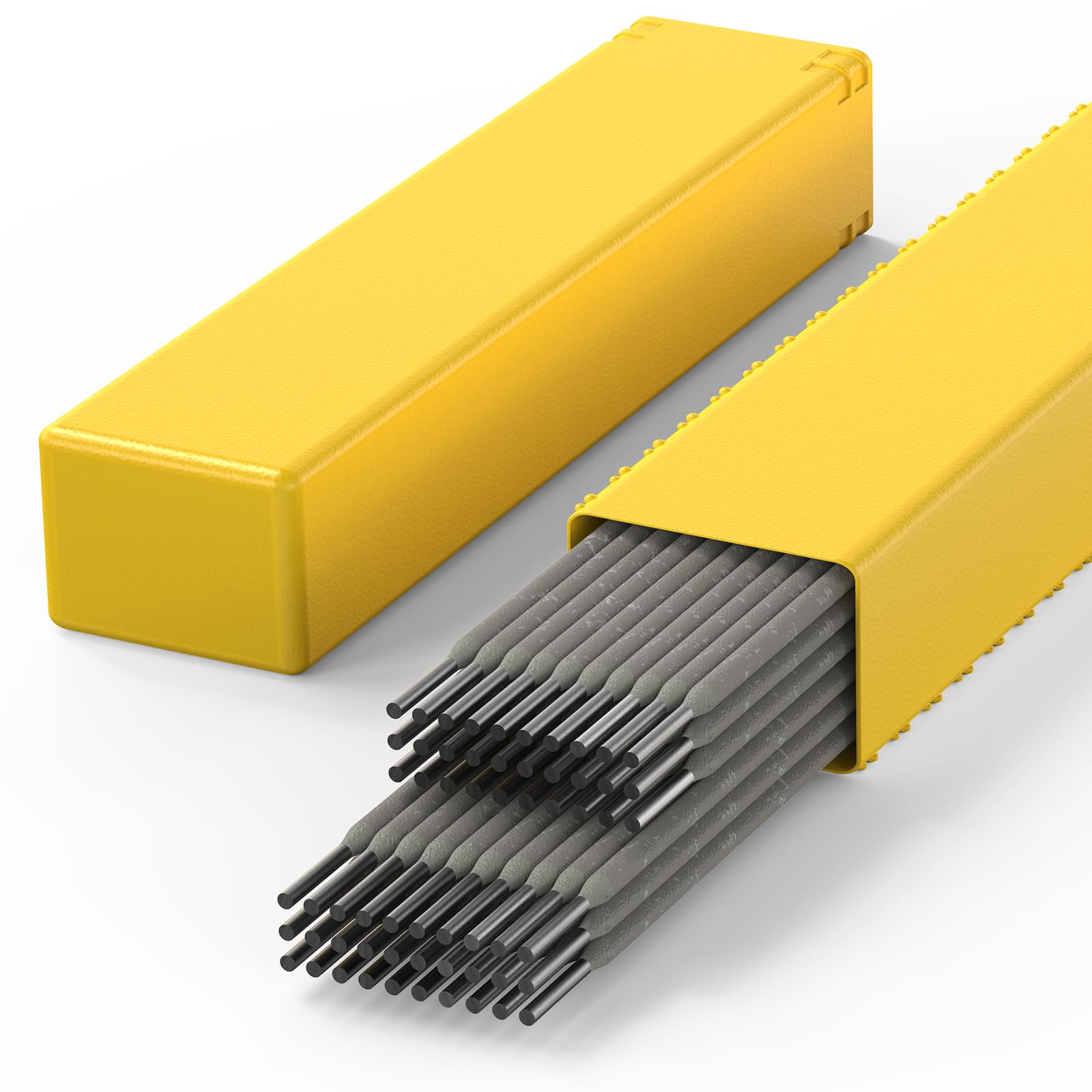
You get a dependable stick-electrode option that’s built for everyday shop work and home repairs. These E6013 rods spark easily and hold a stable arc, which makes starting and maintaining the bead less frustrating when you’re working on thin panels or doing tack welds.
They produce minimal spatter, so cleanup is quicker and the finished look is cleaner, and their AC/DC compatibility means you can use them with a wide range of machines. Keep them in your toolbox for routine maintenance, lawn equipment fixes, and practice runs when you want consistent, predictable performance.
When To Use
|
Situation |
How It Helps |
|---|---|
|
Home Repairs |
You can fix brackets, frames, and small structural pieces without fighting arc starts or heavy cleanup. |
|
Light Fabrication |
They deliver consistent beads on mild steel, helping you produce repeatable joints for small projects. |
|
Equipment Maintenance |
Use them to mend mower decks, trailers, and garden implements where reliability matters more than cosmetic perfection. |
|
Learning Practice |
Beginners benefit from easy arc starts and forgiving behavior while they build heat control and travel speed skills. |
Key Benefits
- Easy arc start for quicker setup
- Low spatter reduces cleanup time
- AC/DC compatibility for versatile use
- Consistent rods that stay straight
- Good for thin-gauge steel work

You get a small, portable pack intended for quick touch-ups and light filler work when you want to avoid heavy heat. These rods melt at a low temperature so they’re handy for cosmetic patches, art projects, and emergency field repairs where burning through thin panels is a concern. They’re forgiving for practice, but you’ll need proper surface prep and a decent torch for predictable flow. If you want a lightweight option to try out filler brazing on thin sheet, these are worth keeping around, while remembering they aren’t a substitute for structural welding.
When To Use
|
Situation |
How It Helps |
|---|---|
|
Cosmetic Repairs |
You can smooth over small dents and seams where appearance matters more than strength. |
|
Field Patches |
The compact pack is easy to carry for temporary fixes on trailers, gutters, or panels. |
|
Art And Fabrication |
They work for tacky joins and decorative metalwork where heavy weld penetration isn’t required. |
|
Skill Practice |
A few rods let you practice heat control and filler technique before moving to bigger brazing jobs. |
Key Benefits
- Low melting point for low-heat work
- Portable pack for field fixes
- Suitable for cosmetic and filler tasks
- Easy to try for beginners

You get a full pack of low-melt filler rods that are aimed at quick repairs and light fabrication when you want to limit heat input. They work well for filling pinholes, touching up seams, and decorative metal projects where you need a smooth bead rather than structural strength.
For everyday shop work or weekend projects, they’re convenient to keep on hand, but you should treat them as filler material rather than a replacement for proper welding electrodes. If you’re experimenting with brazing or doing cosmetic fixes, these make a handy trial set.
When To Use
|
Situation |
How It Helps |
|---|---|
|
Pinhole and Crack Filling |
You can seal small leaks and fill tiny gaps without overheating thin panels. |
|
Decorative Metalwork |
They let you lay down neat beads for artistic joins and non-load-bearing elements. |
|
Practice Sessions |
Having many rods in one pack gives you room to practice temperature control and filler technique. |
|
Temporary Field Fixes |
The compact set is easy to carry for emergency patches on trailers or panels. |
Key Benefits
- Large 24-piece pack for practice and multiple repairs
- Low melting point suited to thin sheet metal
- Versatile across aluminum, stainless, and iron
- Compact, easy-to-store package

You get a small kit meant for quick touch-ups, filling small gaps, and practicing filler technique without heavy heat. These rods melt at relatively low temperature so they’re useful on thin panels and decorative metalwork, but they rely on good surface prep and a proper torch to behave.
If you want something compact to try brazing and filler flow, these are convenient, but keep expectations modest.
When To Use
|
Situation |
How It Helps |
|---|---|
|
Cosmetic Touch-Ups |
You can smooth small seams and blemishes where appearance matters more than structural strength. |
|
Field Patches |
The small pack is easy to carry for temporary fixes on trailers, gutters, or panels. |
|
Practice Sessions |
A few rods give you space to learn heat control and filler technique before tackling bigger brazing jobs. |
|
Non-Structural Repairs |
Useful for bonding thin pieces where load and movement are minimal. |
Key Benefits
- Low melting point for thin metal work
- Compact pack for field or hobby use
- Good for cosmetic fills and practice

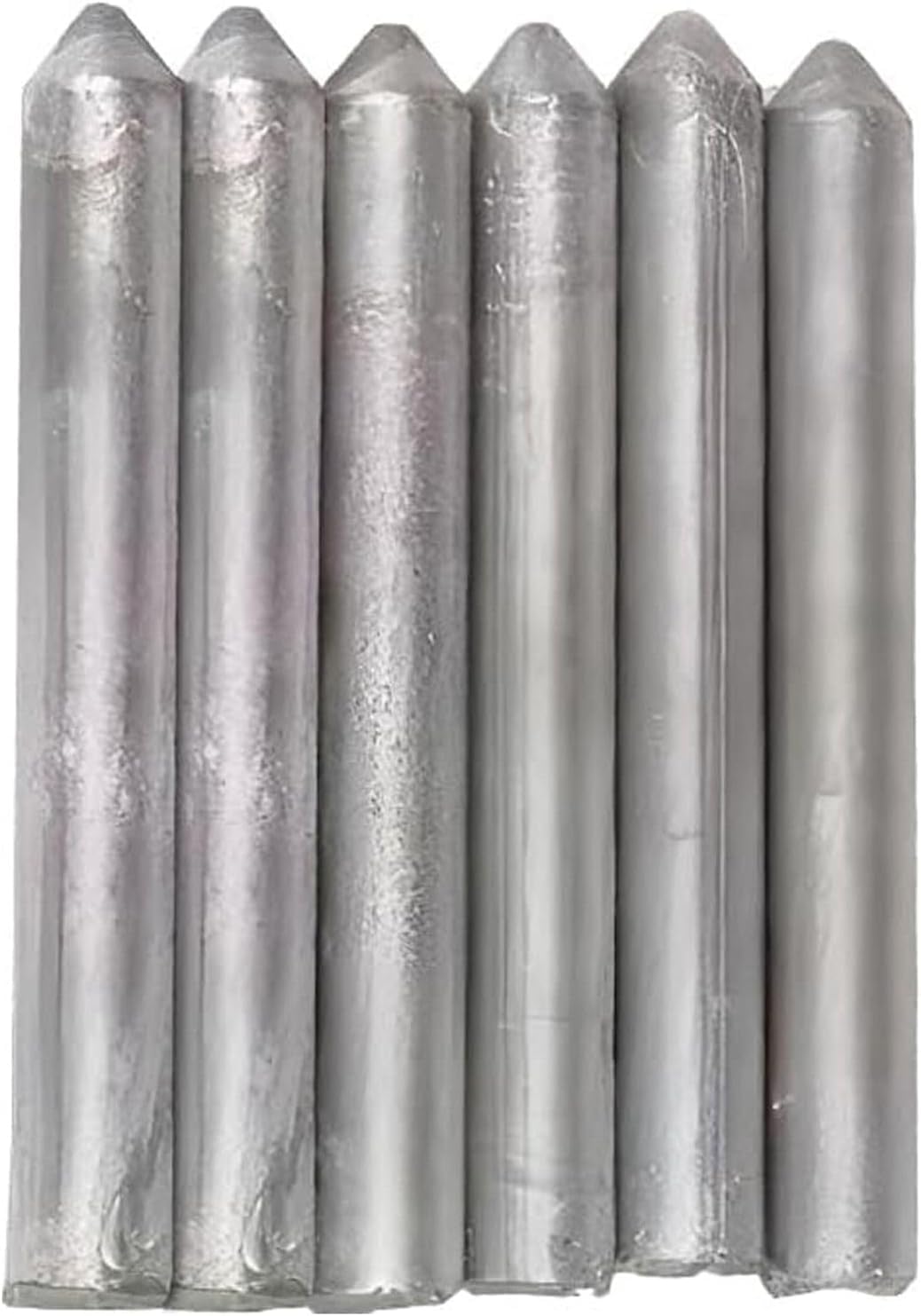
You get a tiny, portable kit meant for quick touch-ups and small cosmetic jobs where you want to limit heat. These rods melt easily and can fill tiny gaps or seal non-structural cracks when you heat the base metal correctly, but they behave more like a filler than a true welding electrode.
If you’re experimenting with brazing on thin sheet or need a compact set for emergency patches, these are worth testing, just manage expectations and prep surfaces well.
When To Use
|
Situation |
How It Helps |
|---|---|
|
Cosmetic Touch-Ups |
You can smooth seams and blemishes where appearance matters more than strength. |
|
Temporary Leak Plugging |
Useful to seal small pinholes or cracks on thin aluminum when a permanent repair isn’t possible immediately. |
|
Practice Sessions |
A small set lets you learn heat control and filler flow on scraps before moving to bigger brazing tasks. |
|
Emergency Field Fixes |
Compact and lightweight, they’re easy to carry for quick, non-structural patches on the go. |
Key Benefits
- Low melting point useful for thin panels
- Compact six-rod pack for field use
- Works for cosmetic fills and leak plugging
- Easy to carry in a small tool kit

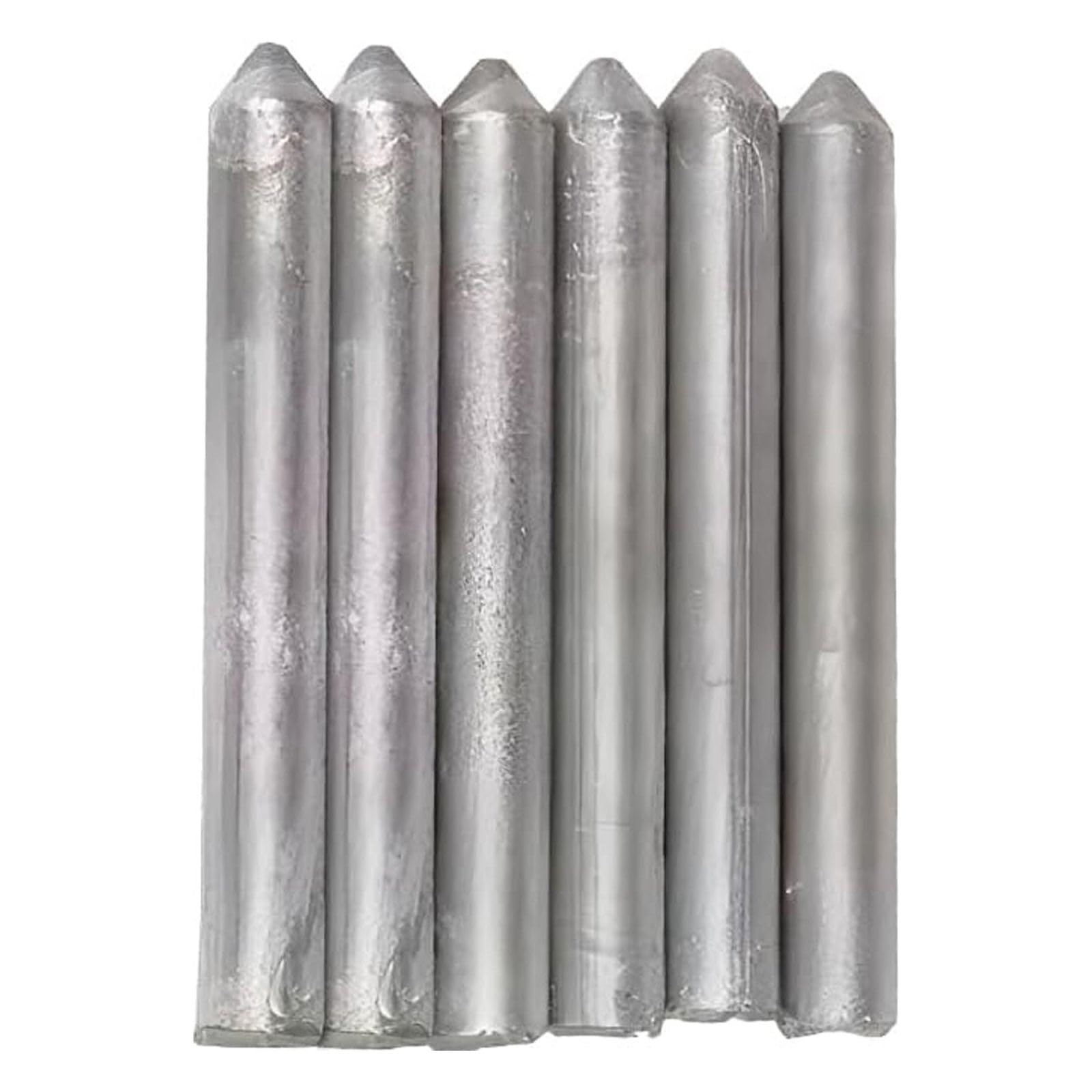
You get a tiny kit aimed at quick filler jobs and cosmetic fixes where you want to avoid heavy heat. These rods melt at low temperature and can fill pinholes or smooth seams when you heat the base metal correctly, but they behave more like a soft filler than a true welding electrode.
Use them for small, non-structural repairs, sand and shape the cooled material for a neat finish, and keep expectations modest when strength matters. If you’re experimenting with brazing on scrap or need a compact emergency patch, they’re worth trying, but rely on proper welding methods for anything that must carry load.
When To Use
|
Situation |
How It Helps |
|---|---|
|
Pinhole Repair |
You can seal tiny leaks on thin panels without overheating the surrounding metal. |
|
Cosmetic Finishing |
They allow you to lay down filler that sands and blends for a clean appearance. |
|
Emergency Patches |
Small and lightweight, they’re easy to carry for temporary fixes on the go. |
|
Practice Work |
A few rods give you space to learn torch control and filler flow on scrap pieces. |
Key Benefits
- Low melting point for low-heat work
- Compact six-rod pack for field use
- Good for cosmetic fills and pinholes
- Easy to sand and shape after cooling
You get a small pack of aluminum filler rods that melt with a modest torch and flow cleanly when the base metal is preheated and free of oxide. They’re handy for patching small cracks, filling pinholes, and doing light decorative or repair work where you don’t need structural strength.
The trick is surface prep and flux: when you clean and flux the joint these rods wet and smooth out nicely, and cleanup is straightforward once the bead cools. Keep them for routine touch-ups, hobby projects, and situations where a full welding setup isn’t practical, but don’t rely on them for load-bearing joins.
When To Use
|
Situation |
How It Helps |
|---|---|
|
Pinhole Sealing |
You can fill tiny leaks in thin aluminum without overheating the surrounding metal. |
|
Decorative Joins |
They let you create neat beads for artistic or cosmetic metalwork. |
|
Light Maintenance |
Useful for small brackets, housings, or mower deck touch-ups where strength requirements are low. |
|
Skill Building |
A compact set gives you room to practice heat control and filler technique on scrap. |
Key Benefits
- Low melting point for gentle heat work
- Flows cleanly when surfaces are prepped
- Good for pinholes and cosmetic fills
- Minimal post-weld cleanup
Related guides: brazing vs welding on auto body metal, flux core aluminum welding rods and 10 aluminum welding rods.
FAQ
Are low temperature universal welding rods real welding rods?
No. They melt at a low temperature and bond to the base metal like solder or braze, without fusing it. They suit small repairs and non-structural work, not load-bearing joints.
What metals can low temperature rods join?
The listings name aluminum, stainless steel, iron and other metals, but results depend on clean metal, the right flux and even heat. Test on scrap before you repair a real part.
Do I need flux and a torch?
Yes, you need a propane or MAPP torch. Some rods are flux-cored and others need separate flux, so read the listing. Clean the metal to bright and remove oil and oxide first.
Is the E6013 rod in this list the same kind of product?
No. E6013 is a steel stick electrode used with an arc welder, and it makes a fusion weld. Use it for mild steel repairs, not for aluminum.
Choosing Low Temperature Universal Welding Rods
Use these rods for small, non-structural repairs such as sealing pinholes, patching thin aluminum or cosmetic filler. Heat the base metal, not the rod, and let the rod flow into the heated joint. Ventilate the area, wear gloves and eye protection, and do not use them on parts that carry loads.
Specs at a Glance
Figures come from the Amazon listings and can change, so confirm material, quantity and size before you order.
| Product Name | Image | Material | Item Weight |
|---|---|---|---|
| Tandefio 24 Pcs Low Temperature Universal Welding Rod |
 |
Tin Powder, Aluminum Powder, Solvent, Flux | 8.8 ounces |
| Ouwinway All Metal Brazing Rods |
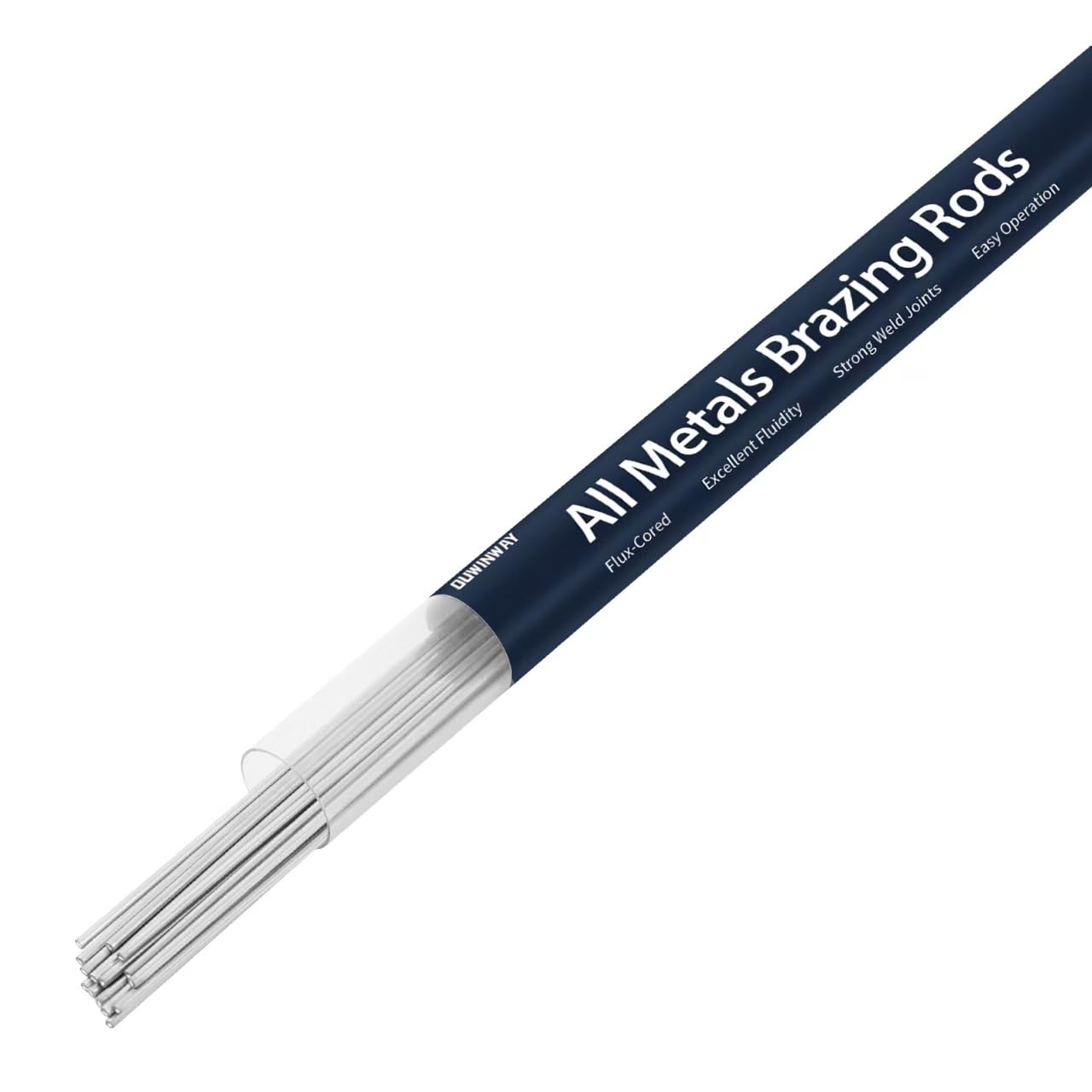 |
Metal | 1.44 ounces |
| E6013 Welding Rods 3/32” |
 |
Carbon Steel | 2.38 pounds |
| WinldMonmo Low Temperature Universal Welding Rods |
 |
Aluminum | 0.06 kilograms |
| Enyolidimk Low Temperature Universal Welding Rods |
 |
Aluminum | 1.76 ounces |
| Myuiao Low Temperature Universal Welding Rods |
 |
Aluminum | 0.32 ounces |
Wrapping Up
Low-temperature rods are a convenient way to make small torch repairs, but they are not a replacement for welding. For steel that carries load, use arc welding with a proper electrode. Check each listing for current price, quantity and return terms before you order.