
You need reliable welding rods that won’t break the bank but still deliver consistent results. This roundup focuses on affordable rods under $25 so you can match the right electrode to the metal, welding method, and project scale without guesswork. Whether you’re repairing farm equipment, learning TIG, or stocking up for shop jobs, these picks help you spend smarter and weld better.
Top Picks
|
Category |
Product |
Score |
|---|---|---|
|
🏆 Best General-Purpose |
89/100 |
|
|
💰 Best Budget |
86/100 |
|
|
🎯 Best For Aluminum |
92/100 |
|
|
⭐ Best Stainless TIG |
98/100 |
|
|
🚀 Best For Penetration |
87/100 |
|
|
💼 Best Bulk Pack |
90/100 |
|
|
🔰 Best Low-Hydrogen |
91/100 |
|
|
🔧 Best Heavy-Duty Pack |
93/100 |
|
|
🎨 Best For Beginners |
84/100 |
|
|
🛠️ Best TIG Starter |
85/100 |
Selection Criteria
You want rods that match your metal, skill level, and budget, so we prioritized compatibility, user feedback, and value. Material type and electrode classification were key because TIG filler, stainless and low-hydrogen rods behave very differently.
We also weighed ease of arc starting, consistency of the bead, pack size, and real-world ratings to highlight options that work reliably for hobbyists and pros alike while staying under $25.

You’ll find these E6013 rods useful whether you’re doing routine repairs or learning the basics of stick welding. They strike easily, flow into a smooth bead when your amperage is right, and feel predictable compared with more expensive name-brand options. For everyday shop tasks, fence repair, and light fabrication they handle thin-to-medium steel well and remove slag without too much fuss.
If you want a straightforward general-purpose electrode that behaves reliably, this is a solid pick to keep in your tool box.
What People Say
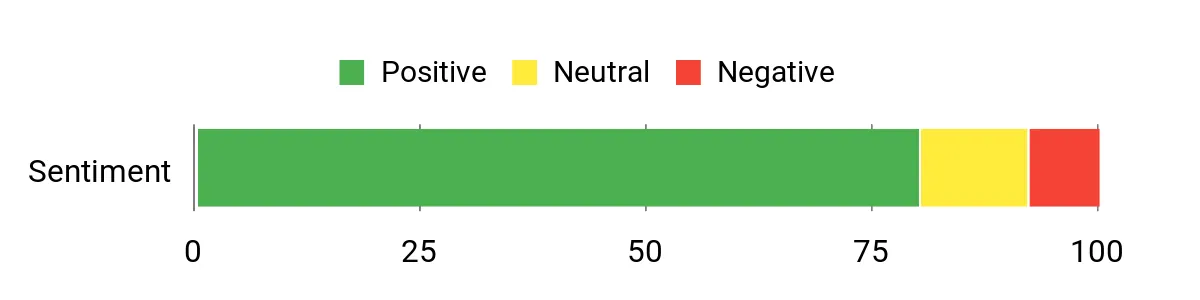
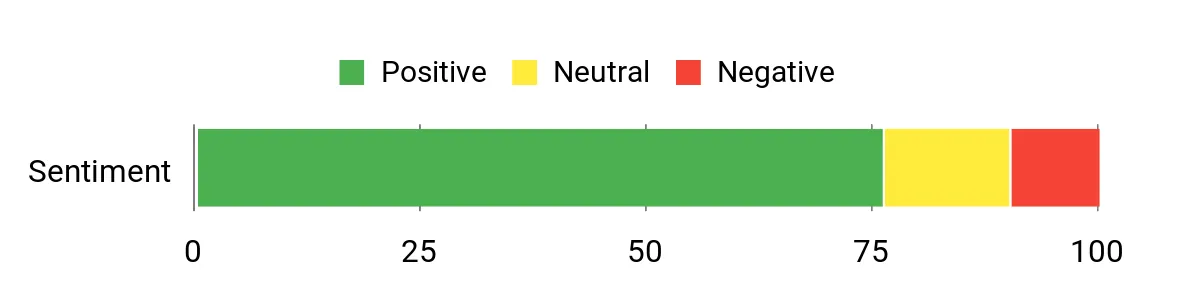
Customers tend to praise the consistent performance and value these rods deliver, noting they weld similarly to pricier brands when heat settings are correct. People also mention dependable arc starts and clean, manageable slag, which makes them useful for both DIY repairs and routine shop work.
Overall Sentiment: Positive
Versatility
These rods are a good all-around choice for general repairs, hobby projects, and farm maintenance. You can use them on light fabrication, patching, and most mild-steel tasks where a 6013 electrode is appropriate.
Durability
Build quality is solid for the price range and users report consistent weld results across multiple rods. Proper storage keeps the flux coating in good shape and ensures repeatable performance.
Key Benefits
- Easy arc starting and predictable bead control
- Works well for a variety of mild to medium steel repairs
- Packaged for convenient storage and handling
Rating: 4.6 (total: 1719+)

You’ll find these Saker E6013 rods are friendly for everyday jobs and for learning the basics of stick welding. They start an arc easily, lay down smooth beads when you keep your heat steady, and work well with handheld welders and small shop rigs. Use them for fence and farm repairs, light fabrication, and quick patch work on thin-to-medium steel.
If you want a straightforward, no-fuss electrode that’s easy to handle and reliable for routine tasks, these are worth keeping in your kit.
What People Say
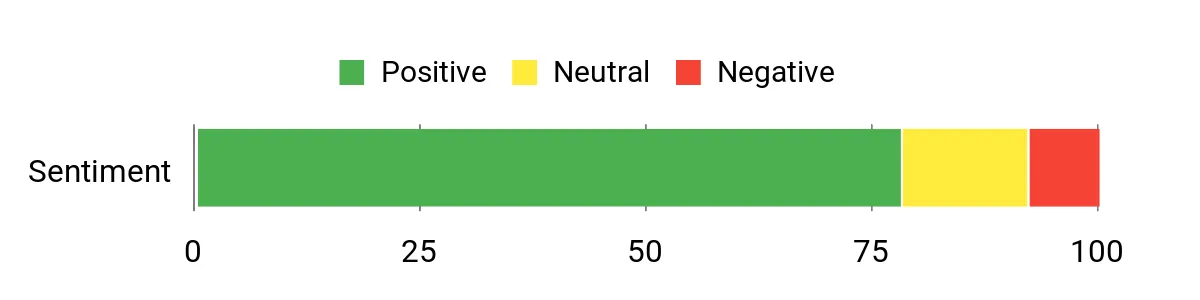
Buyers commonly note quick arc starts and smooth welds that feel comparable to pricier alternatives, which makes these rods popular for newcomers and casual users. People also appreciate the tube packaging for storage, though some mention occasional chipped flux and normal spatter with this coating type.
Overall Sentiment: Positive
Versatility
These rods are a solid go-to for routine maintenance, DIY metalwork, and learning stick welding. They suit handheld welders, small shop projects, and thin-to-medium steel tasks where a 6013 electrode is appropriate.
Durability
Overall build and coating consistency are good for the product class, and the storage tube helps preserve the flux. A few users report isolated coating chips, so dry storage is still recommended to keep performance steady.
Key Benefits
- Easy arc starting for beginners and hobbyists
- Smooth bead appearance with predictable handling
- Plastic tube packaging helps keep rods protected
Rating: 4.6 (total: 333+)

You’ll find these ER4043 rods handy when you’re working on aluminum projects that need clean, controlled filler. They feed smoothly on most TIG setups and produce minimal spatter, which cuts down on cleanup and helps you lay nicer beads.
The 3/32″ x 16″ size is versatile enough for precision work and routine repairs on automotive, marine, and household aluminum parts. If you want dependable aluminum filler that behaves predictably, these are a practical option to keep by your TIG torch.
What People Say
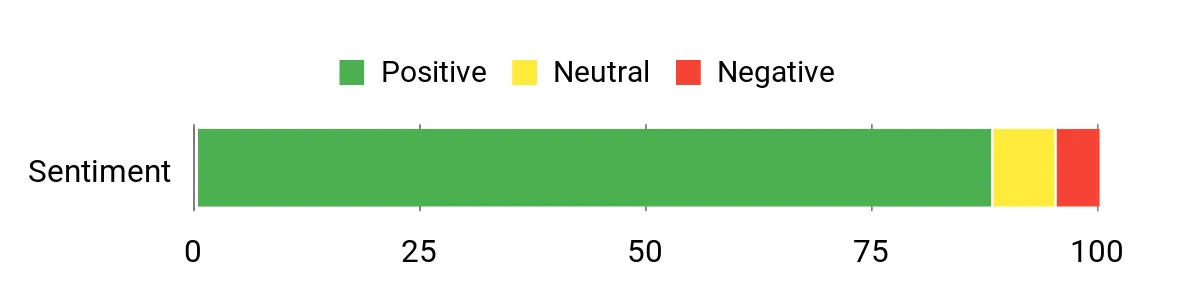
You’ll notice buyers frequently highlight the low spatter and consistent performance, saying the rods make it easier to get clean, corrosion-resistant welds on aluminum. Many users find the length and diameter useful for precision work, though a small number mention packaging damage to the storage tube during shipping.
Overall Sentiment: Positive
Versatility
These rods suit precision TIG tasks, repairs on aluminum panels, marine and automotive work, and general hobby projects where tidy welds matter.
Durability
Rods are uniform and hold up well in use, producing stable welds when stored dry; check storage tubes on arrival since a few packages show transit damage.
Key Benefits
- Low spatter for easier cleanup
- Consistent feed and uniform rods
- Good corrosion resistance on aluminum welds
Rating: 4.7 (total: 182+)

You’ll like these ER308L rods if you work on 300-series stainless and want clean, controllable filler for bench work and light fabrication. They feed steadily in most TIG setups, give a stable arc with minimal spatter, and help you lay tidy beads on tubing and sheet. Use them for patching, small brackets, and projects where corrosion resistance matters, and keep them dry for best results.
What People Say
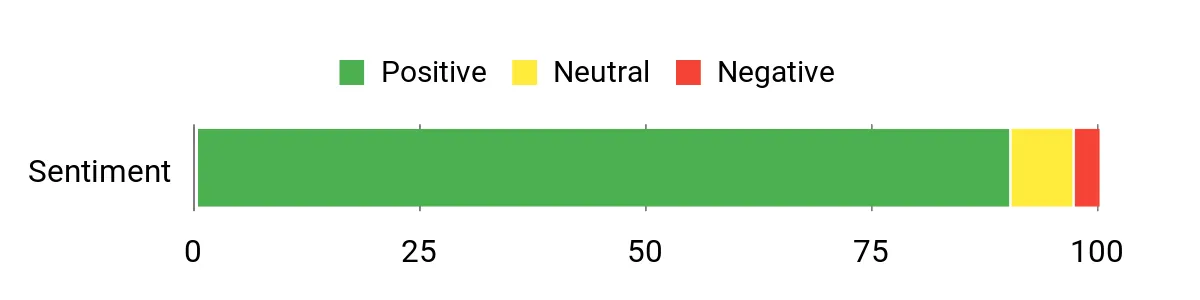
You’ll see users praising the clean welds and steady arc stability that make stainless repairs easier, especially on thinner material. Many appreciate the rod size and consistency for tidy beads, while a few mention packaging could be more robust and note the 20-rod count isn’t ideal for high-volume users.
Overall Sentiment: Positive
Versatility
These rods are well suited to light fabrication, repair work on 304 stainless, and hobby TIG projects where control and appearance matter. They’re a good fit for tubing, sheet metal, and small brackets.
Durability
Rods arrive clean and show consistent quality in use, producing reliable welds when stored properly; protect them from moisture and inspect packaging on arrival to avoid any transit damage.
Key Benefits
- Smooth, consistent feed for precise TIG work
- Low-carbon composition improves corrosion resistance
- Convenient 16″ length works well for bench tasks
Rating: 5.0 (total: 7+)
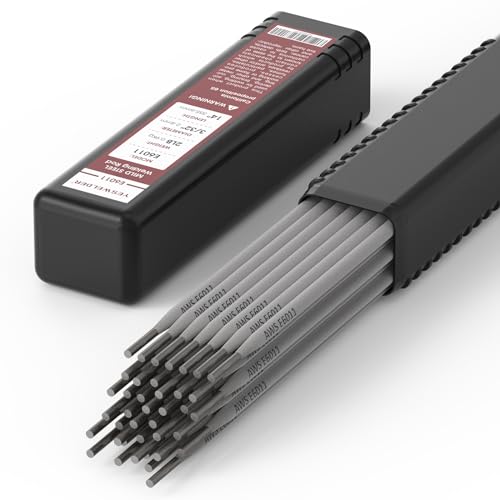
You’ll reach for E6011 when you need dependable penetration for repairs and pipe work where the joint isn’t pristine. These rods handle rusty or painted surfaces better than many general-purpose electrodes and give a steady arc once you find the right heat.
They’re practical for fence and farm fixes, structural tack welding, and any job where you need reliable root pass performance. If you want a workhorse stick rod that’s forgiving on less-than-perfect metal, this is a sensible choice to have in your box.
What People Say
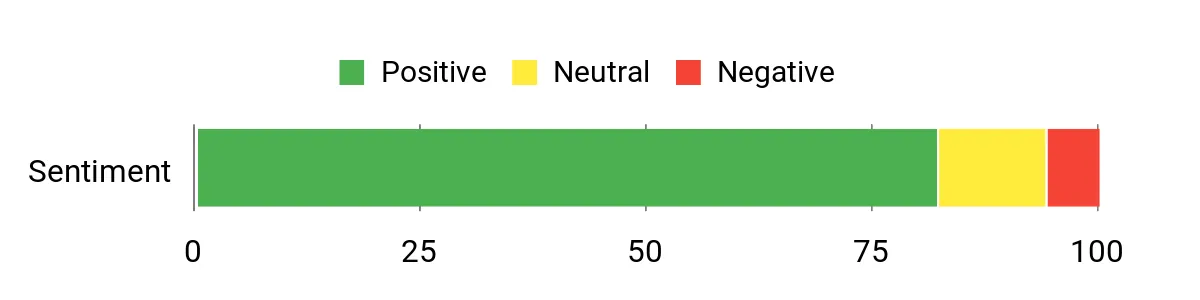
Buyers regularly call out consistent performance and value, saying these rods behave like familiar name-brand electrodes when set up properly. Users appreciate the penetration on less-than-perfect surfaces and the predictable bead when heat is correct, while a few note that getting the right amperage is important for best results.
Overall Sentiment: Positive
Versatility
These rods are best for jobs that need deeper penetration or will be performed on rusted, painted, or dirty steel. They work well for field repairs, structural patches, and welding with limited surface prep.
Durability
Coating and rod quality hold up across multiple uses when stored dry; welders report consistent burn characteristics and reliable slag removal under proper conditions.
Key Benefits
- Strong penetration on dirty or painted steel
- Predictable arc once amperage is dialed in
- Good for pipe, fence, and structural repairs
Rating: 4.6 (total: 1735+)

You’ll reach for this YesRight J422 pack when you need a dependable, no-nonsense rod for everyday welding. It’s forgiving to strike and flows into a nice bead when you keep your heat steady, so it’s handy for fence repairs, light fabrication, and handheld welder jobs.
Because it behaves consistently across different machines, you can use it for shop tasks and field fixes without constantly changing settings. If you want a versatile workhorse that’s easy to use and predictable, this is a practical choice to stash in your toolbox.
What People Say
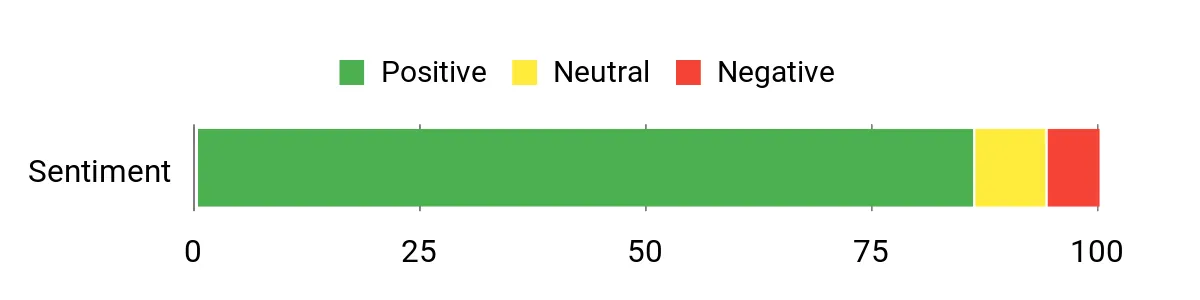
Users commonly praise the forgiving nature and consistent performance of these rods, noting they’re easy to strike and produce clean beads with manageable slag. Many find them suitable for beginners and quick repairs, and reviewers often point out that they work well across different machines. A few users treat them as a basic commodity and emphasize delivery or packaging when sharing downsides.
Overall Sentiment: Positive
Versatility
This pack works well for general-purpose welding on mild steel, handheld and small-shop setups, light fabrication, and routine repairs where a dependable 6013-style rod is appropriate.
Durability
Coating consistency and rod quality are solid for typical use, delivering repeatable burn characteristics; store rods dry and inspect packaging on arrival to avoid any transit damage.
Key Benefits
- Forgiving arc strikes that help reduce frustration
- Consistent bead appearance and easy slag removal
- Compatible with handheld welders and small shop rigs
Rating: 4.7 (total: 358+)
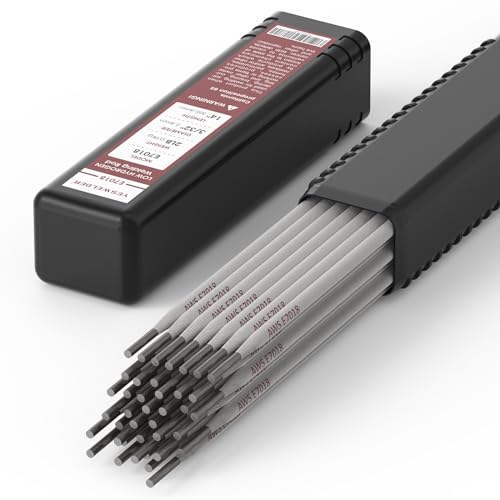
You’ll reach for E7018 when strength and toughness matter. These low-hydrogen rods are built to produce sound, ductile welds on structural pieces, pipe, and heavier fabrication where cracking is a concern.
They run smoothly once you’ve dialed in the amperage, lay a consistent bead, and are forgiving enough for repeated repair work. Keep them dry and stored properly and they’ll behave predictably; they’re a smart choice if you want a reliable workhorse for critical joints and everyday heavy-duty welding.
What People Say
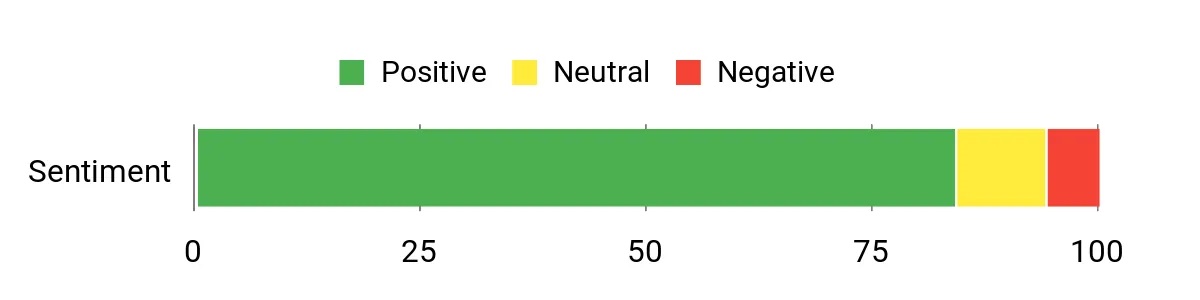
Buyers frequently mention consistent performance and weld quality that rivals familiar name-brand rods, especially for repairs and structural tasks. Many note you get good bead control and reliable penetration when the amperage is set correctly, and that proper storage keeps the rods working as expected.
Overall Sentiment: Positive
Versatility
These rods are ideal for thicker materials, structural fabrication, pipe work, and any job where you need a durable, crack-resistant weld. They’re less suited to ultra-thin sheet work but excel on most heavier tasks.
Durability
Rod coating and core quality are steady across batches when kept dry; welders report repeatable burn characteristics and good slag removal under normal conditions.
Key Benefits
- Low-hydrogen mix reduces cracking risk on critical welds
- Consistent bead and dependable arc stability
- Well suited for structural, pipe, and repair work
Rating: 4.6 (total: 1735+)
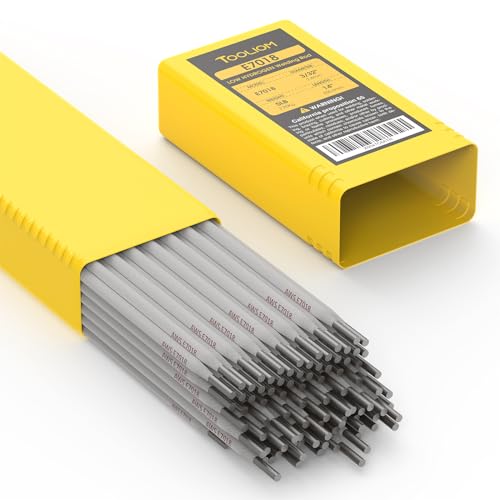
You’ll reach for these E7018 rods when strength and reliability matter. They’re built to deliver low-hydrogen welds that resist cracking, so they’re a good match for structural work, pipe, and heavy repairs.
Once you dial in the amperage they run smoothly and lay a consistent bead, and with proper dry storage they stay predictable over time. If you do a lot of thicker metal work or want a dependable rod for critical joints, these are worth keeping on hand.
What People Say
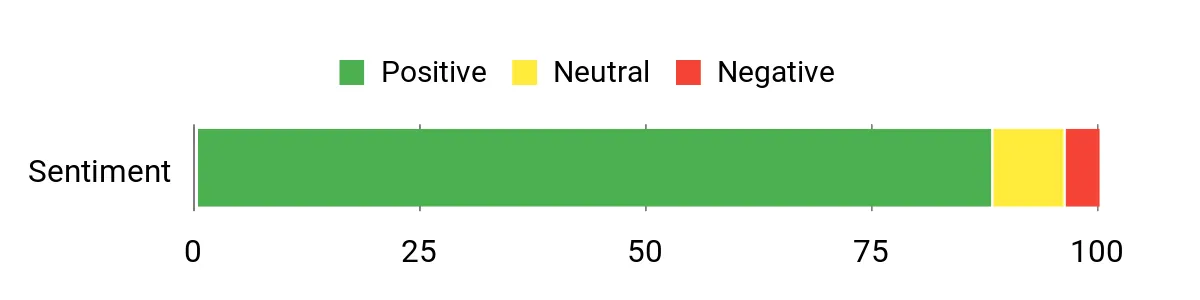
Buyers commonly report the rods perform as expected, praising their reliability and consistency across multiple welds. Many users say the rods handle structural and repair tasks well and that batch quality is steady, while a few note that proper storage is important to maintain performance.
Overall Sentiment: Positive
Versatility
These rods excel on thicker materials, structural fabrication, pipeline work, and heavy repairs. They’re less ideal for ultra-thin sheet work where a different electrode would be a better fit.
Durability
Coating and core quality are consistent when rods are stored dry, delivering repeatable burn characteristics and good slag removal under normal conditions.
Key Benefits
- Low-hydrogen formulation reduces cracking risk on critical welds
- Stable arc and consistent bead for repeatable results
- Well suited to structural, pipe, and repair applications
Rating: 4.7 (total: 290+)

You’ll reach for these J422 rods when you want a straightforward, dependable electrode that behaves predictably across different machines. They’re easy to strike and tend to produce a smooth bead when you keep your heat steady, which makes them useful for routine repairs, handheld welder tasks, and light fabrication. The 1LB size is convenient for smaller projects or when you don’t need a bulk supply, and the rods work well for fence fixes, hobby metalwork, and quick field jobs.
If you value consistency and a no-nonsense rod for everyday use, these are a handy one to have in your kit.
What People Say
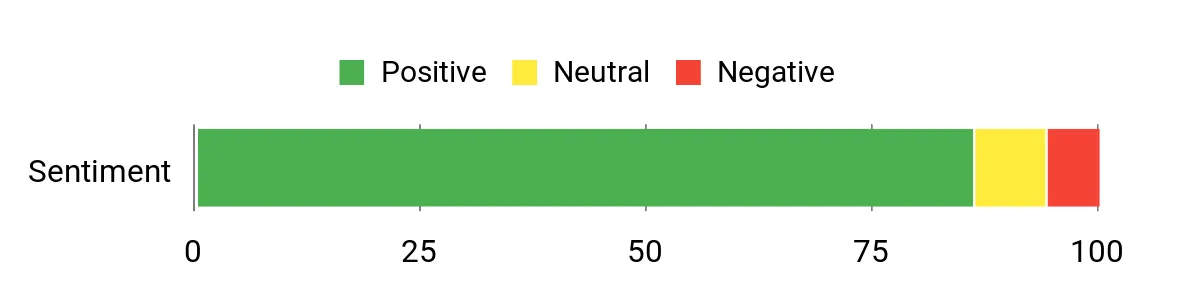
Buyers commonly note these rods are easy to use and deliver reliable results across different welders, which makes them popular for beginners and quick repairs. Many reviewers highlight consistent arc behavior and neat bead appearance, while a few mention packaging or delivery as occasional downsides.
Overall Sentiment: Positive
Versatility
These rods suit general-purpose welding on mild steel, handheld and small-shop use, quick field fixes, and beginner practice sessions where a forgiving electrode is useful.
Durability
Coating and rod quality are consistent in typical batches, producing repeatable burn characteristics; store them dry and inspect packaging on arrival to keep performance steady.
Key Benefits
- Forgiving arc strikes that help you get started quickly
- Consistent bead appearance with easy slag removal
- Compatible with handheld welders and small shop setups
Rating: 4.7 (total: 358+)

You’ll reach for these ER308L rods when you need tidy, corrosion-resistant filler for stainless projects. They feed smoothly on most TIG setups and are handy for bench repairs, small fabrication, and finishing work where appearance matters.
The 1/16″ x 16″ size is convenient for detailed work on tubing, brackets, and panels, and the 1 lb bundle is easy to store between jobs. They’re a practical choice if you want stainless filler that behaves predictably for both everyday fixes and more careful restoration tasks.
What People Say
Buyers often highlight consistent weld appearance and a steady feed that makes stainless repairs easier, noting the rods work well for headers, tanks, and light fabrication. A number of users appreciate the 1 lb format for small jobs, while some mention occasional packaging or fit issues and that certain machines need higher amps to prevent sticking.
Overall Sentiment: Positive
Versatility
These rods are solid for light-to-medium stainless TIG tasks, patching, and hobby fabrication. They’re best for bench work and shop repairs rather than high-volume industrial runs.
Durability
Rod quality is generally consistent and produces reliable welds when stored dry; inspect packaging on arrival since a few users report transit-related damage to storage tubes or bundles.
Key Benefits
- Smooth feed and stable arc for cleaner beads
- Low spatter and good corrosion resistance on stainless
- Convenient 16″ length suited to bench work
Rating: 4.5 (total: 59+)
FAQ
Which Rod Should I Choose?
You want to match the electrode to the metal and the job. For general mild-steel work reach for a 6013-style rod, use 6011 when you need deeper penetration on rusty or painted surfaces, pick E7018 (low-hydrogen) for structural and crack-sensitive joints, and choose ER4043 or ER5356 for aluminum TIG while ER308L is the typical choice for 300-series stainless TIG work.
How Do I Get Consistent Welds?
Start by testing on scrap to find the right amperage, travel speed, and torch angle for that rod and material, then stick with those settings. Practice striking and maintaining the arc, watch your bead and slag behavior, and adjust heat or speed if the puddle is too fluid or the bead is cold. For TIG work make sure you have proper shielding gas and clean metal, and for handheld stick welding try a slight scratching angle when striking to prevent sticking with certain coatings.
How Should I Store And Handle Rods?
Always keep rods dry and protected from humidity; plastic tubes or sealed containers are helpful and low-hydrogen rods benefit from an oven for critical work. Inspect coatings before use and avoid welding with rods that have flaked or heavily damaged flux.
If rods absorb moisture follow the manufacturer’s instructions for drying rather than guessing, and store spare packs in a cool, dry place away from direct wet conditions.
What Welders Prefer
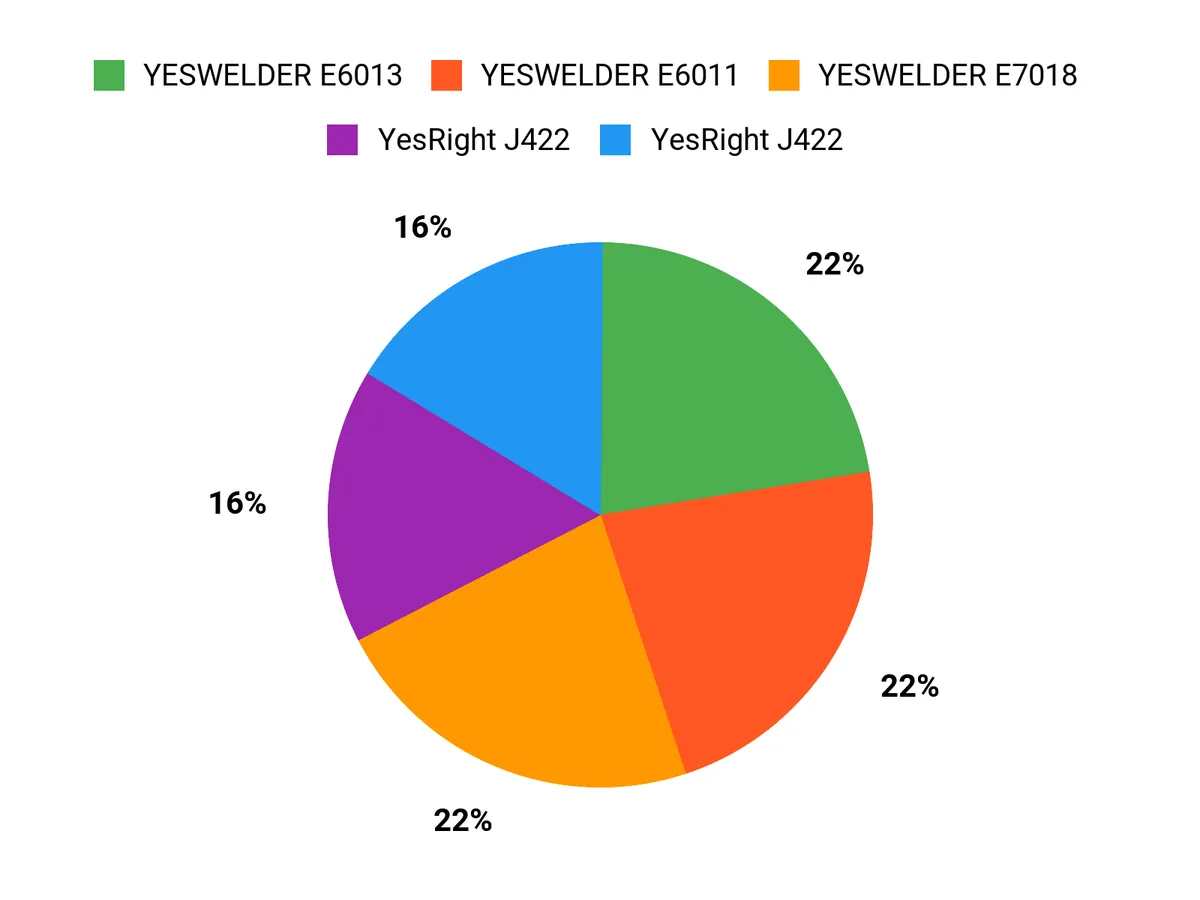
When choosing between these rods you usually prioritize material compatibility and ease of use: the YESWELDER and SAKER E6013 options are favored for predictable arc starting and general mild-steel repairs, while the SONNLER ER4043 is the go-to when you need an aluminum filler with low spatter and cleaner beads. You also care about consistency and handling, so steady feed, manageable slag or minimal spatter, and reliable packaging or storage often tip the decision for routine shop work or learning.
Wrapping Up
You now have a concise set of options for different metals, techniques, and budgets so you can pick the rod that suits your next job. If you work on aluminum, choose a dedicated ER4043 rod; if you need corrosion resistance for stainless, lean toward ER308L; for structural or farm repairs select low-hydrogen E7018. For everyday repair and learning, general-purpose 6013 or 6011 rods cover most needs while keeping costs low.
Match the rod to your metal and welding method, check amperage guidelines, and store consumables dry, and you’ll get better, more predictable welds while staying under $25.
| Product Name | Image | Weight | Material Composition | Dimensions |
|---|---|---|---|---|
| YESWELDER E6013 3/32” 2LB Welding Rod |
 |
1 pounds | E6013 2LB | 1 x 1 x 1 inches |
| Saker E6013 Welding Rod 3/32” 1-Pound |
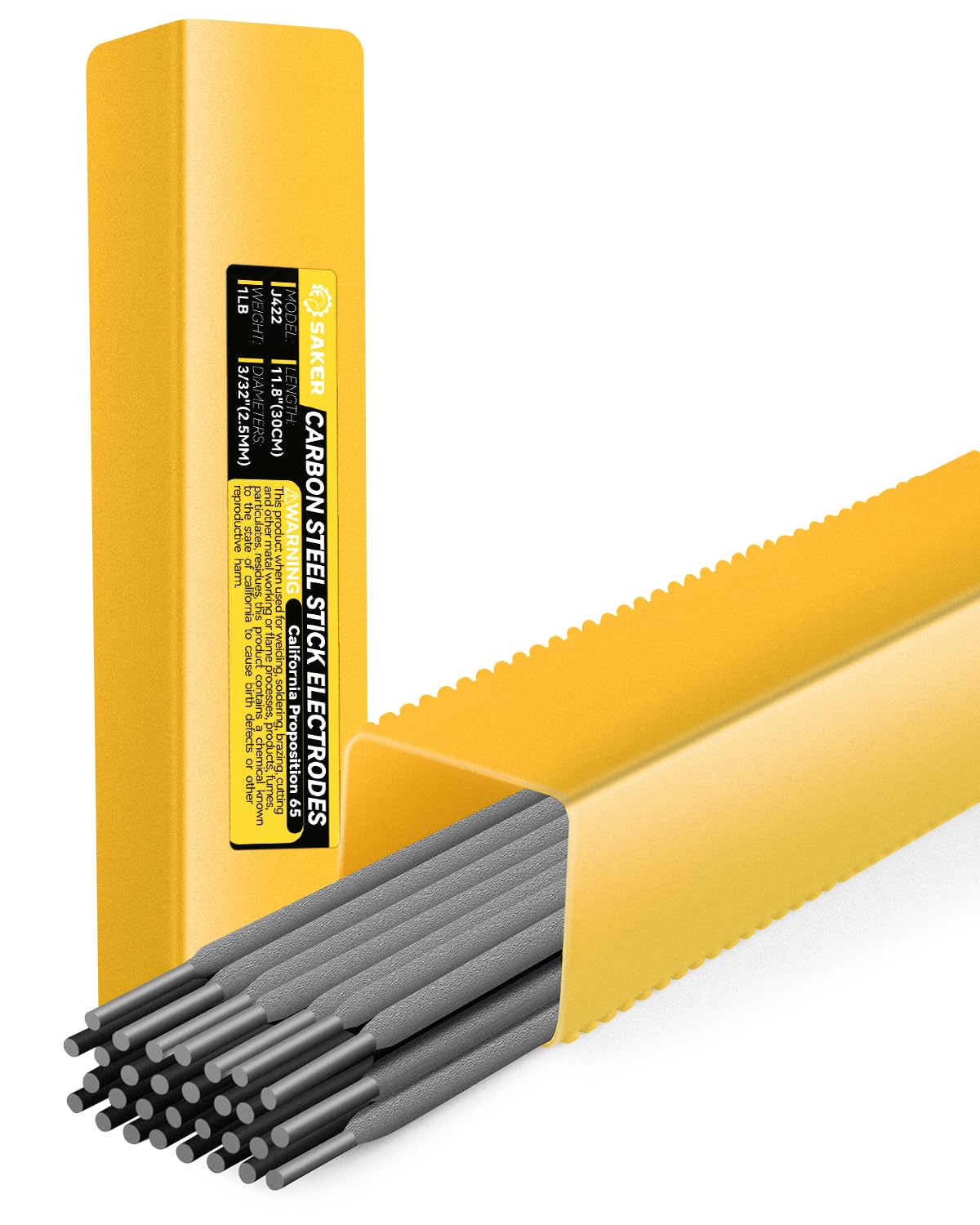 |
1.01 pounds | E6013 | 11.73 x 1.06 x 1.06 inches |
| Aluminum TIG Welding Rod ER4043 |
 |
2.51 pounds | Aluminum | 17.48 x 2.09 x 2.05 inches |
| Convivium ER308L Stainless Steel TIG Welding Rods |
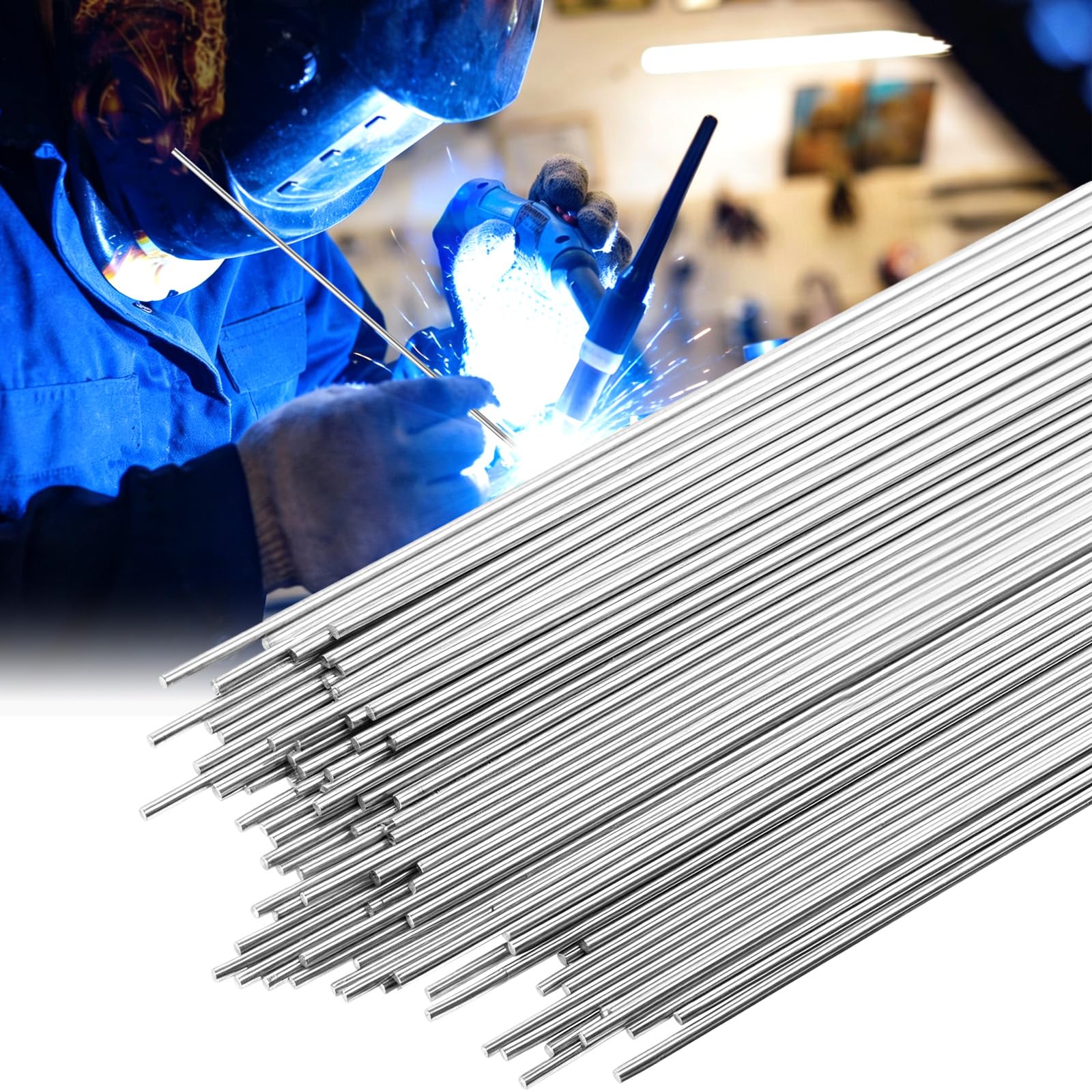 |
6.7 ounces | Stainless Steel | 16.57 x 2.09 x 2.05 inches |
| YESWELDER E6011 3/32” 2LB Welding Rod |
 |
1 pounds | E6011 2LB | 1 x 1 x 1 inches |
| 3/32″ Welding Rod J422 Carbon Steel Stick |
 |
4.33 pounds | J422 | 12.09 x 2.05 x 2.01 inches |
| YESWELDER E7018 3/32” 2LB Welding Rod |
 |
1 pounds | E7018 2LB | 1 x 1 x 1 inches |
| TOOLIOM E7018 Low Hydrogen Welding Rod 3/32″ 5LB |
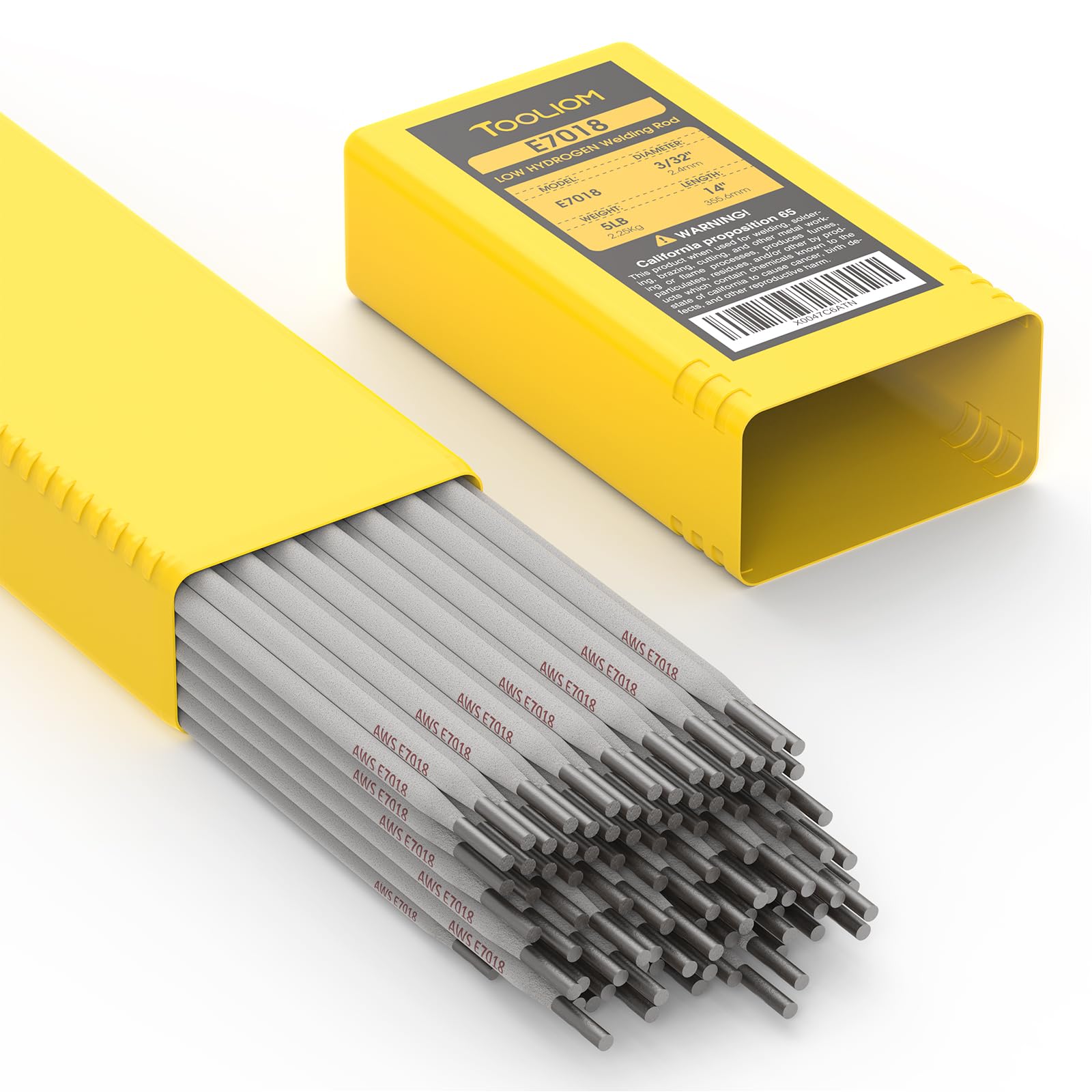 |
5.13 pounds | E7018 | 14.41 x 2.83 x 1.46 inches |
| 3/32″ Welding Rod J422 Carbon Steel Stick 1 LB |
 |
15.8 ounces | J422 | 11.14 x 9.37 x 1.18 inches |
| UNIFAMILY 50pcs Stainless Steel TIG Welding Rod ER308L |
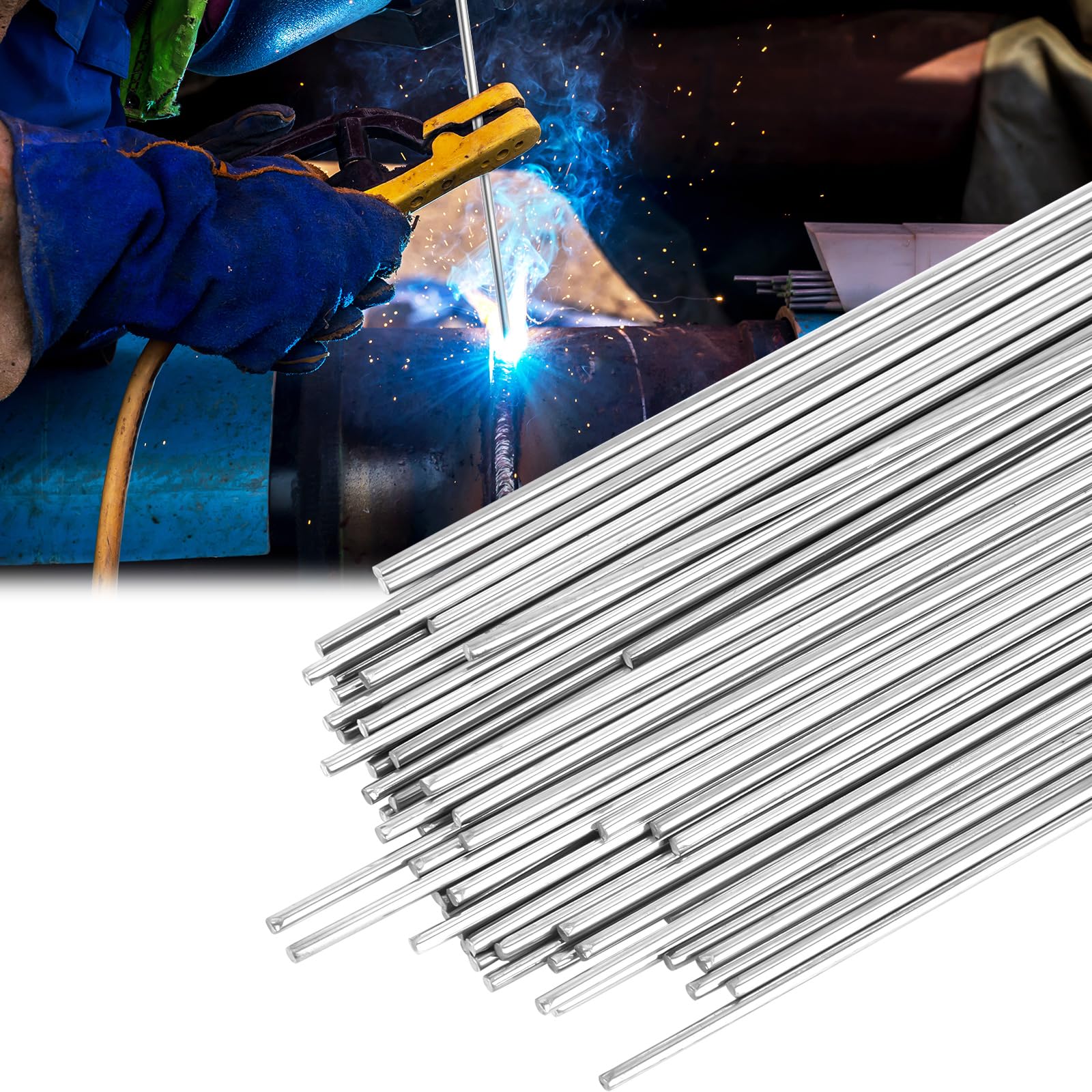 |
1 pounds | Stainless Steel | 16 x 0.06 x 0.06 inches |
This Roundup is reader-supported. When you click through links we may earn a referral commission on qualifying purchases.