For vertical-up stick welding, E6010 and E6011 are popular because their puddle freezes quickly and they penetrate deeply, and E6013 works too but with shallower penetration. This guide compares ten welding rods for vertical up welding from Amazon listings, including E6010, E6011, E6013, a stainless stick rod and two TIG fillers. Check your welder first: E6010 needs a DC machine, while E6011 and E6013 also run on AC. These 10 welding rods for vertical-up welding are compared on puddle control and penetration.
The specs below come from the product listings. This is not a hands-on test, and listings change, so confirm size, weight and pack details on the page before ordering.
Top Welding Rods for Vertical Up Welding
|
Use Case |
Product |
|---|---|
|
Short TIG Rod |
|
|
Budget E6013 |
|
|
For Beginners |
|
|
For Deep Penetration |
|
|
1/8 Rod |
|
|
For Dirty Metal |
|
|
Smooth-Running Rod |
|
|
Stainless Finish |
|
|
Most Reliable E6013 |
|
|
Versatile TIG Rod |
How This List Was Put Together
This list was put together from Amazon product listings, not from hands-on testing. Rod type, diameter and pack size come from those listings, so check the live page for current details.
For uphill work, compare the rod type and coating, the diameter, the stick length for access, and whether your welder supports the current type (AC or DC).

If you do a lot of TIG work in tight spots, these short ER70S-6 rods make life easier because you can handle filler without wrestling a full-length stick. They suit hobby projects, small repairs and detail work where access is limited, and they puddle predictably for most mild steel chores. You should know they’re geared toward shorter runs and practice rather than continuous long beads, but for cramped joints or quick fixes they’re a reliable, straightforward option you can reach for in the shop.
Buyer Feedback
Buyer feedback changes over time, so read the most recent reviews on the Amazon listing, especially comments about arc control, slag removal and how the rods run on your welder.
Using These Rods
For vertical up TIG work use the 1/16″ rod for thinner sections and keep your amperage tuned for uphill travel. Hold the short rod closer to the puddle and feed deliberately to avoid wasting filler, and wipe the rod and joint clean before welding to keep the arc stable. If you expect long continuous beads, plan to switch to full-length rods to reduce interruptions.
Key Benefits
- Easy handling in tight or awkward TIG positions
- Consistent puddle control suitable for mild steel
- Clean appearance and generally reliable quality
- Good choice for hobbyists and occasional TIG use

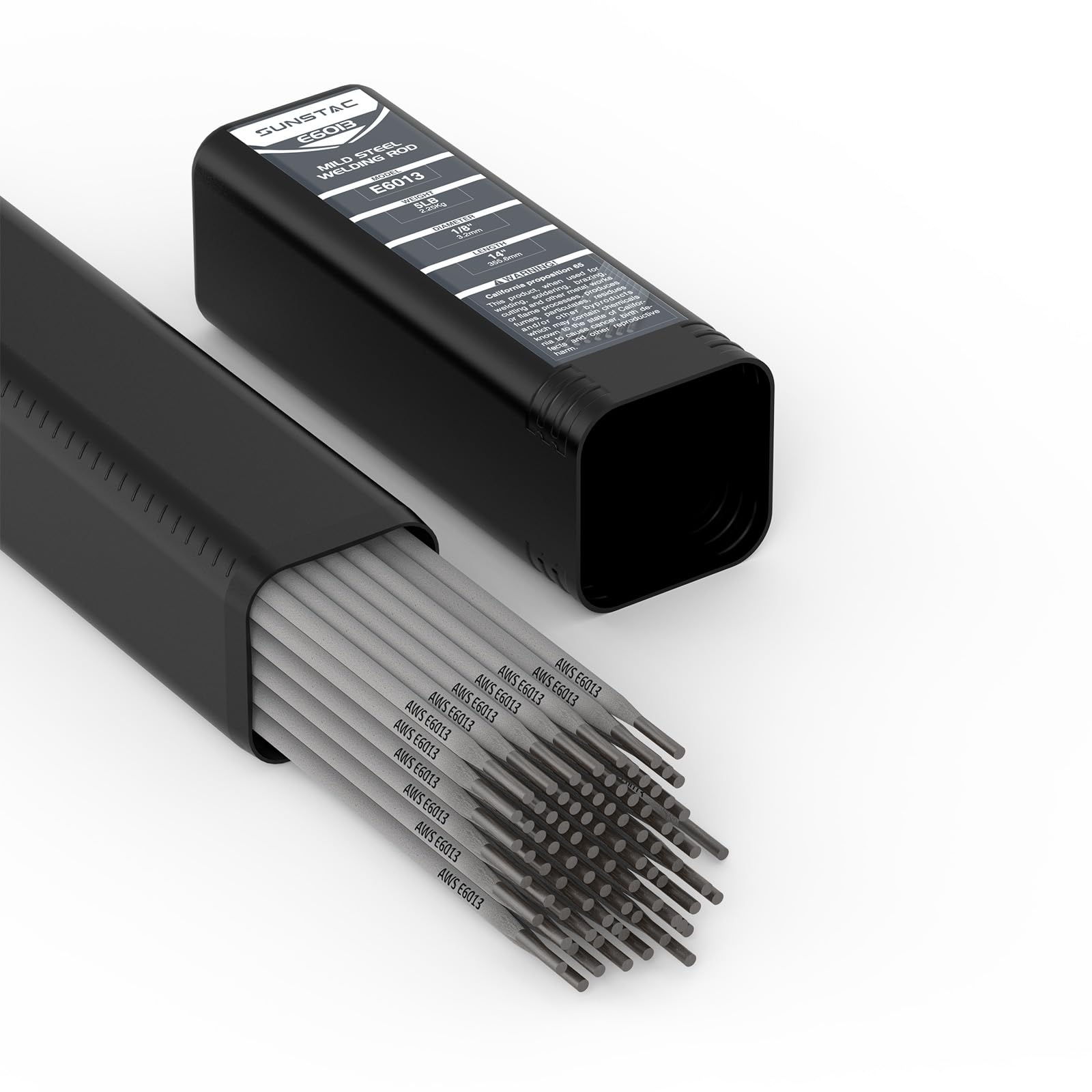
If you want a dependable stick for everyday repairs and vertical-up passes, this E6013 pack is a practical choice. You’ll find it easy to strike and forgiving during uphill travel, which helps when you’re working on tractors, gates or thin to medium sheet.
The arc is smooth and predictable, so you spend less time reworking beads and more time finishing projects. For general fabrication and maintenance where control matters more than deep digging, these rods fit the bill.
Buyer Feedback
Buyer feedback changes over time, so read the most recent reviews on the Amazon listing, especially comments about arc control, slag removal and how the rods run on your welder.
How To Use
For vertical-up runs set slightly lower amperage than flat welding and use a steeper travel angle to control the puddle. Keep your stringer beads short and maintain a steady travel speed so filler doesn’t sag, and chip slag between passes for clean layering.
If you’re moving from MIG to stick, practice on scrap to dial in heat and rhythm.
Key Benefits
- Consistent, predictable arc for steady beads
- Easy to strike and control in tight fit-ups
- Versatile all-position performance
- Reliable alternative to name-brand rods
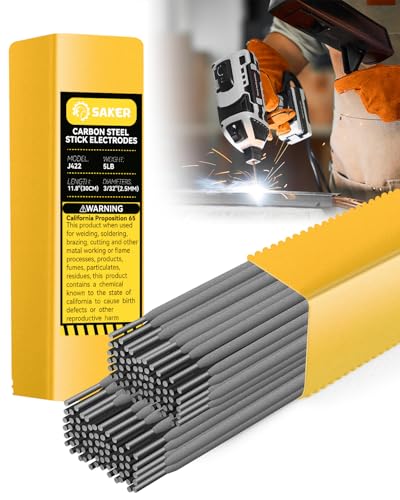
These E6013 rods are a solid pick when you want something predictable for everyday work and vertical-up passes. You’ll find them easy to strike, forgiving in tighter fit-ups and useful for farm gear, gates or light fabrication.
They work well with handheld machines and are a good option when you need a straightforward rod that behaves like higher-end alternatives. If you’re learning or doing routine repairs, these give consistent results without fuss.
Buyer Feedback
Buyer feedback changes over time, so read the most recent reviews on the Amazon listing, especially comments about arc control, slag removal and how the rods run on your welder.
How To Use
For vertical-up with E6013 set a slightly lower amperage than flat welding and use short stringer beads to keep the puddle under control. Hold a steeper travel angle and maintain a consistent arc length so the filler deposits steadily; chip slag between passes and clean the joint for the best layer adhesion. Practice on scrap to find the sweet spot for your machine and metal thickness.
Key Benefits
- Reliable arc starts for quick setup
- Predictable bead control on vertical-up passes
- Good for beginners and handheld welders
- Protective plastic tube for storage
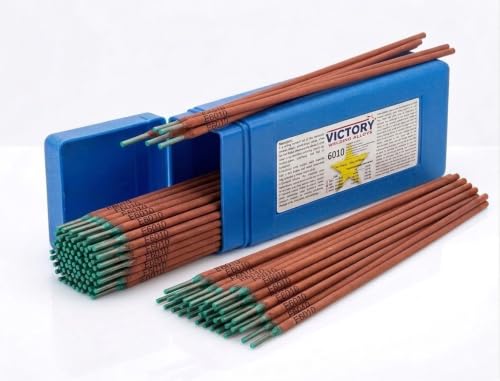
If you need a rod that digs in and stays reliable on vertical-up runs, this E6010 is built for that work. You can use it on dirty or coated steel where penetration matters, and it performs well on both inverter and transformer machines. It’s a practical choice for structural repairs, farm gear and multipurpose shop tasks where consistent fusion is the priority. If your work often demands strong uphill welds, this one earns a spot in your stick stash.
Buyer Feedback
Buyer feedback changes over time, so read the most recent reviews on the Amazon listing, especially comments about arc control, slag removal and how the rods run on your welder.
How To Use
For vertical-up with E6010 lean into a steady travel speed and keep the electrode at a slightly steeper angle to control the puddle. Use short stringer beads or a controlled whip-and-pause rhythm to avoid sagging, maintain a consistent arc length and chip slag between passes for good layer adhesion. Practice on scrap to dial in heat and rhythm for your machine.
Key Benefits
- Deep penetration suited for uphill welding
- Maintains a stable arc on varied machines
- Handles dirty or slightly coated surfaces
- Consistent results for structural repairs

If you want a dependable all-position rod for vertical-up work, these E6013s are a practical pick. You’ll find them easy to strike and forgiving when you’re working on thin to medium steel, making them useful for home repairs, light fabrication and maintenance tasks.
They produce a smooth, manageable puddle that helps when you need control uphill, and they’re a sensible choice when you want predictable results without fuss. Keep them in your kit for routine jobs and touch-ups where consistency matters.
Buyer Feedback
Buyer feedback changes over time, so read the most recent reviews on the Amazon listing, especially comments about arc control, slag removal and how the rods run on your welder.
How To Use
For vertical-up with E6013 set your amperage a bit lower than flat runs and use a steeper travel angle to keep the puddle controlled. Stick to short stringer beads or a brief whip-and-pause rhythm to prevent sagging, chip slag between passes, and practice on scrap to dial in your travel speed and arc length.
Key Benefits
- Easy arc starts for quick setup
- Smooth beads on vertical-up passes
- Good for beginners and seasoned welders alike
- Protective tube for storage and transport
When you need a rod that consistently digs in on vertical-up passes, this E6010 makes the list. It handles challenging surfaces and delivers repeatable fusion on both inverter and transformer welders, so it’s useful for structural work, farm repairs and multi-purpose shop jobs.
The coating supports a stable arc and good penetration, which is exactly what you want when strength matters more than cosmetics. Keep a box handy for jobs where reliable uphill performance is the priority.
Buyer Feedback
Buyer feedback changes over time, so read the most recent reviews on the Amazon listing, especially comments about arc control, slag removal and how the rods run on your welder.
How To Use
For vertical-up work use short stringer beads or a controlled whip-and-pause motion to manage the puddle. Keep the electrode at a slightly steeper angle and maintain a consistent arc length so the molten pool doesn’t sag. Chip slag between passes and practice on scrap to find the right travel speed and heat for your setup.
Key Benefits
- Strong penetration for uphill welding
- Stable arc across machine types
- Tolerant of dirty or coated steel
- Consistent, dependable welds for repairs

When you need a rod that’s easy to get running and holds a steady bead uphill, this E6011 is a dependable pick. It works well on inverter and transformer machines and tolerates less-than-perfect surfaces, which makes it useful for farm repairs, structural touch-ups and general maintenance. You’ll appreciate the consistent burn and controllable puddle when welding vertical up, and it’s a solid option whether you’re teaching someone the basics or tackling routine shop work.
Buyer Feedback
Buyer feedback changes over time, so read the most recent reviews on the Amazon listing, especially comments about arc control, slag removal and how the rods run on your welder.
How To Use
For vertical-up with E6011 keep a steady, slightly steeper travel angle and use short stringer beads or a controlled whip-and-pause rhythm to manage the puddle. Maintain a consistent arc length, chip slag between passes and practice on scrap to dial in travel speed and heat for your setup.
Key Benefits
- Steady arc ideal for uphill welding
- Good control and predictable bead shape
- Works on a range of machines and conditions
- Accessible for beginners while trusted by pros

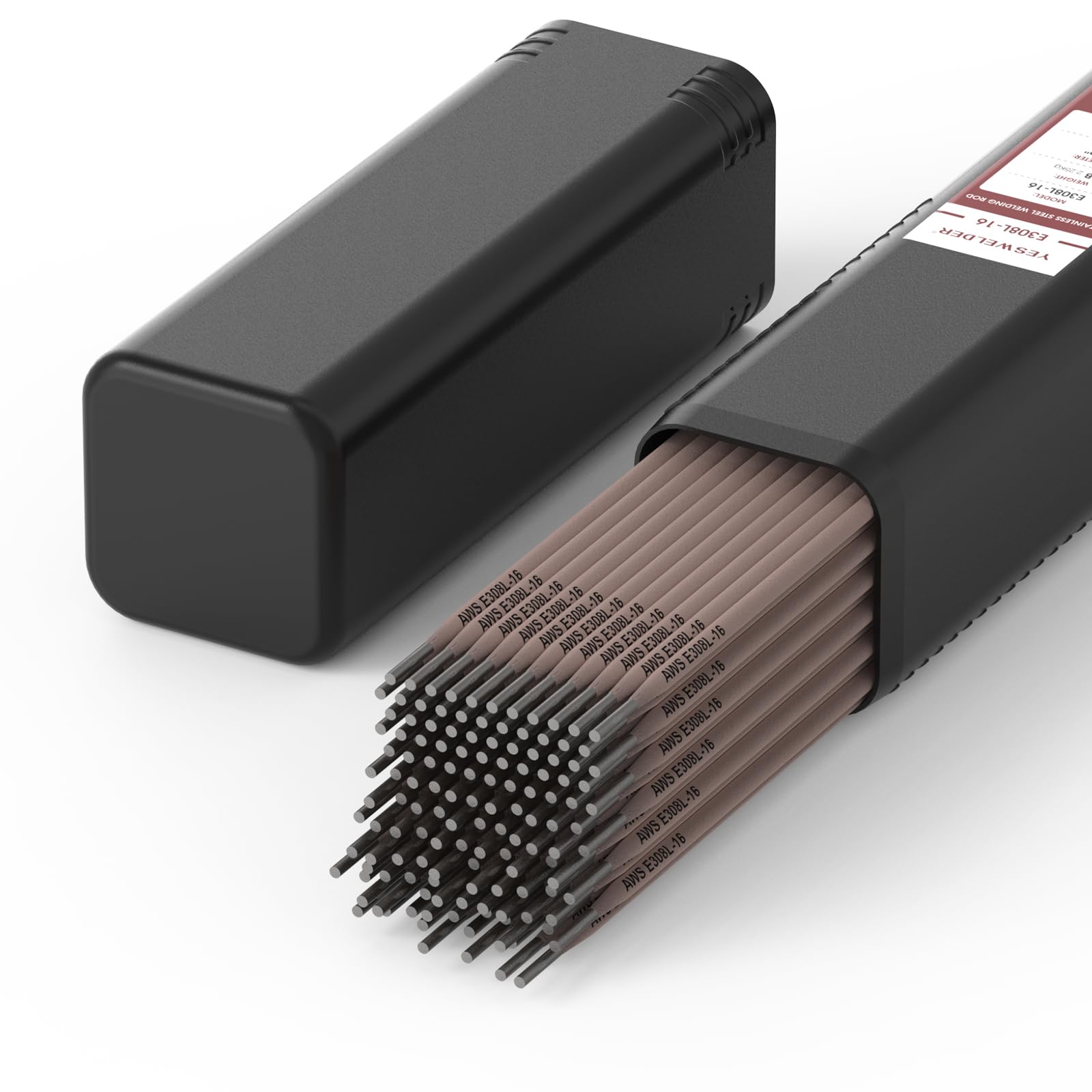
If you’re welding stainless and don’t have access to MIG or TIG, these E308L sticks are a practical alternative. You get neat, self-cleaning beads and a small, controllable puddle that works well for exhaust, tubing and spot repairs.
They’re handy for occasional stainless work and touch-ups where finish matters, and the reusable tube helps keep sticks dry between uses. Test a stick or two on scrap to confirm your machine settings before committing to a critical joint.
Buyer Feedback
Buyer feedback changes over time, so read the most recent reviews on the Amazon listing, especially comments about arc control, slag removal and how the rods run on your welder.
How To Use
Use a slight drag and keep a small puddle when welding uphill with these rods. Maintain a steady travel speed and short beads to avoid overheating, wear eye protection as the slag can pop, and run a few test passes on scrap to dial in polarity and amperage before the main weld.
Key Benefits
- Produces clean, self-cleaning beads on stainless
- Small puddle suitable for uphill and cramped work
- Reusable packaging for moisture protection
- Works as a MIG/TIG alternative for light repairs

If you need a reliable all‑round stick for vertical-up work, these Forney E6013 rods are worth keeping in your kit. You’ll find them easy to strike and forgiving on thin tubing or mildly rusty steel, which makes them handy for repairs, fabrication and routine shop tasks. The arc runs smoothly and lets you build tidy uphill beads with minimal fuss, so they’re a solid choice whether you’re practicing technique or finishing a repair.
They’re especially useful when you want predictable results without having to fuss with complicated settings.
Buyer Feedback
Buyer feedback changes over time, so read the most recent reviews on the Amazon listing, especially comments about arc control, slag removal and how the rods run on your welder.
How To Use
For vertical-up runs use short stringer beads and a slightly steeper travel angle to keep the puddle controlled. Lower your amperage a touch compared with flat welding, maintain a steady arc length and chip slag between passes for clean layering.
Practice on scrap to find the right travel speed and rhythm for your machine and material.
Key Benefits
- Easy arc starts that speed setup
- Forgiving on thin or slightly dirty metal
- Predictable bead shape for vertical-up passes
- Durable performance across many machines

These ER70S-6 TIG rods are a solid workhorse when you need reliable filler for mild steel. You get straight, consistent rods that feed well in cramped spots and form a tidy puddle for uphill passes.
They’re useful for everyday shop work, small repairs, and detail TIG where access is limited, and the sleeve packaging helps keep them organized and protected between jobs. If you want dependable filler that behaves predictably, these are worth keeping in your box.
Buyer Feedback
Buyer feedback changes over time, so read the most recent reviews on the Amazon listing, especially comments about arc control, slag removal and how the rods run on your welder.
How To Use
When welding vertical up with these 3/32″ rods keep a small, controlled puddle and feed steadily so the filler sets without sagging. Use a slight drag or short stringer beads in tight joints, keep your arc length consistent, and test on scrap to find the best travel speed and amperage for your setup.
Key Benefits
- Straight, clean rods that feed easily
- Consistent puddle control for uphill TIG
- Reusable sleeve keeps rods protected
- Good for detailed work and tight access areas
Related reading: how to weld in the vertical position, vertical up vs vertical down welding and overhead welding rods.
FAQ
Which Rod Should I Use
You want to match the rod to the metal and the job. For mild steel repairs and general uphill work, E6013 gives forgiving arc control and tidy beads, while E6010 or E6011 are better when you need deep penetration on dirty or coated steel.
Use ER70S-6 filler rods when TIG welding mild steel and choose E308L if you must stick-weld stainless in the absence of MIG or TIG. Pick a smaller diameter for thin material and a larger diameter for thicker sections, and always confirm your machine settings on scrap before the real weld.
How Do I Weld Vertical Up
Weld from the bottom up with the electrode pointing slightly upward and a short arc. Use a small weave or a whip-and-pause motion so the puddle freezes before it sags, and keep your amperage within the range on the rod package. Chip slag between passes and practice on scrap to find your rhythm.
How Should I Store And Handle Rods
Keep rods dry and clean to avoid contamination; reusable tubes and sealed sleeves help, and wiping filler rods with a solvent before use can improve results. Short TIG filler rods are handy in tight spots but run out quicker, so use full-length sticks for long beads when possible.
Also store coated electrodes away from moisture and heat, inspect sticks for damaged flux before striking, and rotate older stock so you’re not using compromised rods on critical joints.
Choosing Between the Top Picks
Choose E6010 or E6011 when you want deep penetration on dirty or older steel, and E6013 for easier arc starts on cleaner mild steel. Pick the short YESWELDER ER70S-6 rods only if you TIG weld in tight spaces. Check the spec table below for the size and weight of each listing.
Wrapping Up
Match the rod to the metal and your welder: E6010 for DC machines and deep penetration, E6011 for AC or DC, and E6013 for easier starts on clean steel. Use a stainless stick rod only for stainless, and set your amperage within the range on the package. Galvanized or coated steel gives off harmful fumes, so remove the coating at the joint and ventilate well.
Spec Comparison From the Listings
| Product Name | Image | Manufacturer | Material | Item Weight |
|---|---|---|---|---|
| YESWELDER Mild Steel TIG Welding Rod ER70S-6 1/16″x16″ 5LB |
 |
YESWELDER | ER70S-6 Mild Steel | 5 pounds |
| YESWELDER E6013 3/32” 5LB Welding Rod Carbon Steel Stick Electrodes |
 |
YESWELDER | E6013 5LB | 5.21 pounds |
| Saker E6013 Welding Rod 3/32” 5LB Carbon Steel Stick Welding Electrodes |
 |
Saker | Carbon Steel | 5.13 pounds |
| 6010 Welding Rod 1/8″, E6010 Stick Welding Electrodes 5Lbs |
 |
STARTECHWELD | Carbon Steel | 5 pounds |
| E6013 Welding Rod 1/8″ 5LB Carbon Steel Stick Welding Rods |
 |
Sunstac | E6013 | 5.24 pounds |
| 6010 Welding Rod 3/32″, E6010 Stick Welding Electrodes 5Lbs |
|
STARTECHWELD | Carbon Steel | 5 pounds |
| ARCCAPTAIN E6011 Welding Rod 3/32″ 5LB Carbon Steel Welding Sticks |
 |
ARCCAPTAIN | E6011-5LB | 5.24 pounds |
| YESWELDER E308L-16 Stainless Steel Stick Electrodes |
 |
YESWELDER | Stainless Steel | 5.26 pounds |
| Forney 30305 E6013 Welding Rod, 3/32-Inch, 5-Pound |
 |
Forney | Mild Steel | 5.2 pounds |
| ARCCAPTAIN Mild Steel TIG Welding Rod ER70S-6 |
 |
ARCCAPTAIN | ER706-S Mild Steel | 5.44 pounds |