TIG and stick welding rods are different consumables: stick electrodes (E7018, E6013, J422, E308L) are flux-coated and used with a stick welder, while TIG filler rods (ER70S-6, ER308L) are bare and fed by hand into the puddle. This page compares 10 rods, four TIG fillers and six stick electrodes.
The specs come from the Amazon listings, so confirm class, diameter and pack size on the listing before you buy.
Top Picks
|
Category |
Product |
|---|---|
|
Best Short TIG |
|
|
Best Budget E7018 |
|
|
Best Pro Stick |
|
|
Best Compact Pack |
|
|
Best Easy‑Start |
|
|
Best Clean TIG |
|
|
Best Stainless TIG |
|
|
Best General Purpose |
|
|
Best Stainless Kit |
|
|
Best Stainless Stick |
How the Picks Were Chosen
This list is built from the Amazon listing details for each product, not from hands-on testing. These are the points compared:
- Process: TIG filler or stick electrode.
- Metal: mild steel (ER70S-6, E7018, E6013, J422) or 300-series stainless (ER308L, E308L).
- Diameter and length: 1/16 to 3/32 inch, 14 to 16 inch lengths.
- Pack size and packaging: 1 lb to 5 lb packs.

You get ER70S-6 filler rod in a convenient 1/16″ diameter and 16″ length that makes bench TIG work straightforward. The short sticks are easier to manage in tight spots and feed smoothly into the puddle, which is handy when you’re repairing plate or fabricating small assemblies.
If you do a lot of light structural work or hobby projects, these rods give consistent results and predictable arc behavior. If you prefer full-length rods for high‑volume jobs you may notice more frequent changeovers, but for controlled, clean TIG beads this is a sensible choice.
Use Cases
|
Situation |
How It Helps |
|---|---|
|
Hobby Repairs |
When you’re fixing brackets, frames, or small plates, the shorter rods are easier to manage and let you focus on neat beads instead of juggling long filler. |
|
Tight Joints |
If you work in cramped or awkward spaces, the 16″ length gives you better control and less interference with the torch and shielding gas setup. |
|
Practice and Learning |
You can practice bead control and heat input without dealing with the inertia of long rods, which makes learning TIG basics less frustrating. |
Key Benefits
- Consistent ER70S-6 chemistry for reliable mild steel welds
- 1/16″ diameter feeds smoothly for neat TIG beads
- Short 16″ length improves control in cramped areas
- Pack size suits hobbyists and light fabrication projects

You’re looking at a classic E7018 stick electrode that’s aimed at structural and heavy repair work. It holds up well on thick steel and gives you steady penetration and a stable arc when your heat and travel speed are right.
If you do farm gear fixes, trailer repairs, or structural patching, these rods behave much like premium brands but at a more straightforward value. They’re a solid choice when you need reliable, low‑hydrogen performance for demanding joints.
Use Cases
|
Situation |
How It Helps |
|---|---|
|
Structural Repairs |
You get low‑hydrogen chemistry that helps prevent cracks in thick welds, making it suitable for load‑bearing joints. |
|
Farm Equipment |
When you’re fixing loaders or frames in the field, the rods deliver consistent penetration so repairs hold up under stress. |
|
Tight Preps |
For close fitups and narrow joints, the electrode’s stable arc and control let you lay a neat bead without excessive rework. |
Key Benefits
- Low‑hydrogen formulation reduces cracking risk on thick sections
- Consistent bead formation and predictable arc
- Good for tight fitups and structural repairs
- Compatible with common stick welding setups

You’re looking at a dependable E7018 stick rod that’s built to handle thick steel and heavy repairs. It produces a steady arc and consistent bead profile, so when you need reliable penetration on structural joints or farm gear you can count on predictable behavior. The rods are forgiving in typical field and shop conditions and suit both experienced welders and those stepping up from hobby work.
If you want an E7018 option that runs like a branded electrode without extra fuss, these are worth trying.
Use Cases
|
Situation |
How It Helps |
|---|---|
|
Structural Welding |
You get low‑hydrogen chemistry that reduces the chance of cracking in load‑bearing welds, giving stronger, more reliable joints. |
|
Field Repairs |
When you’re fixing farm equipment or trailers on site, the rods strike easily and produce consistent penetration so repairs hold up under stress. |
|
Tight Fitups |
For close gaps and narrow joints, the stable arc and control let you lay a cleaner bead without excessive rework. |
Key Benefits
- Low‑hydrogen formulation helps reduce cracking risk on thick sections
- Consistent arc and bead shape for predictable welds
- Strikes easily and runs well in common stick setups
- Good for tight fitups and structural repairs

You get a straightforward E6013 stick rod that’s handy for routine repairs and lighter structural tasks. It strikes up reliably on smaller machines and gives you a forgiving arc that’s easy to control, which is ideal when you’re working with thin to medium plate or fixing farm gear.
Because it runs well on 110V inverter welders, it’s a practical choice for a home shop or the occasional field repair. If you want something simple that gets the job done without fuss, this rod fits that role.
Use Cases
|
Situation |
How It Helps |
|---|---|
|
Home Shop Repairs |
You can make quick fixes on brackets, frames, and light fabrication with an electrode that starts easily and gives a manageable puddle. |
|
110V Inverter Welding |
When you’re using a small inverter, these rods strike confidently and run smoothly without needing a heavy-duty power supply. |
|
Field Maintenance |
For on‑site equipment repairs, the rod’s forgiving nature reduces rework and helps you restore function faster. |
Key Benefits
- Easy arc starting on small machines
- Good for light structural and repair work
- Forgiving weld puddle that’s beginner‑friendly
- Works well with inverter stick welders

You get a straightforward E6013 rod that’s tailored for everyday repairs and learning welders. It strikes easily on handheld and small inverter machines and produces a forgiving puddle that helps you control bead shape without constant fuss. Use it for farm gear fixes, brackets, or any small fabrication where ease of use matters more than cosmetic perfection.
It’s a practical pick when you want reliable starts and predictable behavior in a compact package.
Use Cases
|
Situation |
How It Helps |
|---|---|
|
Home Shop Repairs |
When you’re fixing brackets, mounts, or small frames, the rod’s forgiving behavior reduces rework and keeps repairs simple. |
|
Handheld Welders |
If you use a portable inverter or handheld unit, these electrodes strike easily and run smoothly without needing heavy power. |
|
Learning And Practice |
As you build skills, the manageable puddle and easy starts make it less frustrating to practice travel speed and bead placement. |
Key Benefits
- Easy arc starting for small machines
- Forgiving puddle that helps control bead shape
- Good fit for handheld welders and beginners
- Convenient 1 lb tube for occasional use

You get a pack of ER70S-6 filler rods that are easy to work with on bench and shop TIG jobs. The 1/16″ diameter and 16″ length make them handy for controlled beads and confined areas, while the straight, clean wire helps you avoid contamination during setup. They suit light fabrication, repairs, and hobby projects where predictable penetration and neat appearance matter.
If you prefer tidy puddles and consistent feed, these rods are a practical option to keep on the shelf.
Use Cases
|
Situation |
How It Helps |
|---|---|
|
Bench Fabrication |
You can lay neat, controlled beads on small assemblies where consistent feed and minimal cleanup matter. |
|
Tight Access Joints |
The 16″ length and thin diameter let you work in cramped areas without the rod getting in the way of the torch. |
|
Light Structural Repairs |
For patching brackets or repairing frames, the rods provide steady penetration that helps create durable joints. |
Key Benefits
- Clean, straight rods for reduced contamination
- 1/16″ diameter gives good control for TIG beads
- Reliable penetration and solid fusion on mild steel
- Convenient length for bench work and tight spots

If you work with 304 stainless, these ER308L rods make tidy repairs and light fabrication feel straightforward. They feed smoothly into the puddle and hold a stable arc, which helps you lay neat beads with minimal fuss.
The 1/16″ diameter is great for thinner tubing and sheet, and the pack is easy to keep on the bench for occasional stainless jobs. For low‑volume work or learning TIG, these rods give the control and cleanliness you want without much setup overhead.
Use Cases
|
Situation |
How It Helps |
|---|---|
|
304 Stainless Repair |
You can patch tubing and sheet with low risk of corrosion issues thanks to the ER308L composition and steady fusion. |
|
Bench Fabrication |
For small brackets and assemblies the 1/16″ diameter gives you the control to produce neat, precise beads. |
|
Learning TIG |
If you’re practicing TIG on stainless, the rods’ predictable feed and arc stability make it easier to dial in technique. |
Key Benefits
- Low‑carbon ER308L composition for corrosion resistance
- Smooth feed and stable arc for tidy TIG beads
- 1/16″ size suited to thin stainless tubing and sheet
- Packaging keeps rods separated for cleaner storage

If you want a no‑fuss rod for everyday repairs, this J422 option is built for exactly that. It lights up reliably, flows well at moderate amps, and gives a bead that’s easy to clean up, so you can get equipment and small assemblies back in service without overthinking settings.
The rods are forgiving enough for beginners yet consistent enough for more experienced hands, making them a sensible choice for home shops, handheld welders, and field fixes. Treat them as a workhorse rod you reach for when simplicity and predictable results matter.
Use Cases
|
Situation |
How It Helps |
|---|---|
|
Home Shop Repairs |
You can fix brackets, frames, and small panels with minimal fuss thanks to the rod’s forgiving puddle and easy slag cleanup. |
|
Handheld Welding |
If you use a portable or small inverter welder, the rods strike reliably and run smoothly without needing heavy power. |
|
Beginner Practice |
As you learn arc control and travel speed, the predictable behavior reduces frustration and helps you build skill faster. |
Key Benefits
- Forgiving arc that’s easy to strike
- Consistent bead and simple slag removal
- Works well on handheld and small machines
- Good general‑purpose performance for light to medium steel

You’ll find these ER308L rods useful when you need clean, corrosion‑resistant welds on 300‑series stainless. The 3/32″ diameter and 16″ length help when you’re working on tubing, sheet, or small fabrications where control matters.
They feed smoothly and maintain arc stability, which makes it easier to lay tidy beads and minimize cleanup. Keep them on the bench for light stainless repairs, decorative projects, or practice sessions where predictable puddle behavior helps you focus on technique.
Use Cases
|
Situation |
How It Helps |
|---|---|
|
304 Stainless Repair |
You can patch tubing and sheet with materials that resist corrosion, thanks to the ER308L chemistry and steady fusion. |
|
Bench Fabrication |
For small brackets and decorative pieces the rod’s arc stability helps you lay neat beads with less cleanup. |
|
TIG Practice |
When you’re dialing in technique on stainless, the predictable feed and puddle behavior make practice more productive. |
Key Benefits
- Low‑carbon ER308L formulation for corrosion resistance
- Stable arc and smooth feed for tidy TIG beads
- 3/32″ size suited to tubing and thin sheet work
- Pack configuration keeps rods organized for bench use

You can use these E308L stick electrodes when you need to weld 300‑series stainless without a TIG or MIG setup. They produce a self‑cleaning bead that’s useful on exhaust tubing, brackets, and light fabrications, and the reusable packaging helps keep rods dry between jobs.
If you don’t have access to gas welding gear, these sticks give you a practical way to work stainless with acceptable appearance and decent slag removal.
Use Cases
|
Situation |
How It Helps |
|---|---|
|
Exhaust Repair |
You can lay neat, self‑cleaning beads on tubing where a tidy finish and decent fusion are needed without specialty gear. |
|
Shop Fabrication |
For small stainless brackets and fittings these rods give a usable finish and manageable cleanup, saving time in light fabrication. |
|
No‑Gas Welding |
When you don’t have TIG or MIG, these stick electrodes let you weld stainless with acceptable appearance and reliable slag behavior. |
Key Benefits
- Formulated for 300‑series stainless repairs
- Self‑cleaning bead minimizes post‑weld cleanup
- Reusable slip tube helps protect rods from moisture
- Works well on exhaust and thin stainless tubing
Related guides: TIG vs stick welding for automotive work, TIG filler rod selection chart and stick welding amperage chart.
FAQ
What is the difference between TIG rods and stick rods?
TIG rods are bare filler wires that you add by hand while an arc from a tungsten electrode melts the joint under shielding gas. Stick rods are flux-coated electrodes that carry the arc and create their own shielding and slag. They need different machines.
Which rod should I use for mild steel?
ER70S-6 is a common TIG filler for mild steel, and E7018, E6013 and J422 are common stick electrodes. E7018 suits structural work, while E6013 and J422 are general-purpose rods.
Which rod should I use for stainless steel?
Use ER308L for TIG on 304-type stainless and E308L for stick. Both are low-carbon grades. See the TIG filler rod selection chart.
Are these rods suitable for thick steel?
The stick rods listed are 3/32 inch, which suits thinner and medium steel. For thick plate you normally make multiple passes with a larger E7018 rod, so check diameter and your machine output.
Choosing TIG and Stick Welding Rods
Choose the process you can run first, then the metal and thickness. TIG gives neat, controlled beads on thin and medium material, while stick is more tolerant outdoors and on dirty steel. For thick steel, plan multi-pass welds, and note that the E7018 rods here are 3/32 inch; bigger diameters exist but are not covered in this list.
Specs at a Glance
Figures come from the Amazon listings and can change, so confirm class, diameter and pack size before you order.
| Product Name | Image | Material | Size | Item Weight | Package Dimensions |
|---|---|---|---|---|---|
| YESWELDER Mild Steel TIG Welding Rod ER70S-6 |
 |
ER70S-6 Mild Steel | 1/16″ x 16″ 5LB | 5 pounds | 16.5 x 1.73 x 1.73 inches |
| YESWELDER E7018 Welding Rod |
 |
E7018 5LB | 3/32″ | 5.19 pounds | 14.02 x 2.52 x 2.2 inches |
| ARCCAPTAIN E7018 Welding Rod |
 |
E7018 5LB | 3/32″ | 5.28 pounds | 14.09 x 3.11 x 1.42 inches |
| WISUNO E6013 Welding Rod |
 |
Carbon Steel | 3/32″ 1LB | 1 pounds | 13.78 x 1.14 x 1.14 inches |
| Saker E6013 Welding Rod |
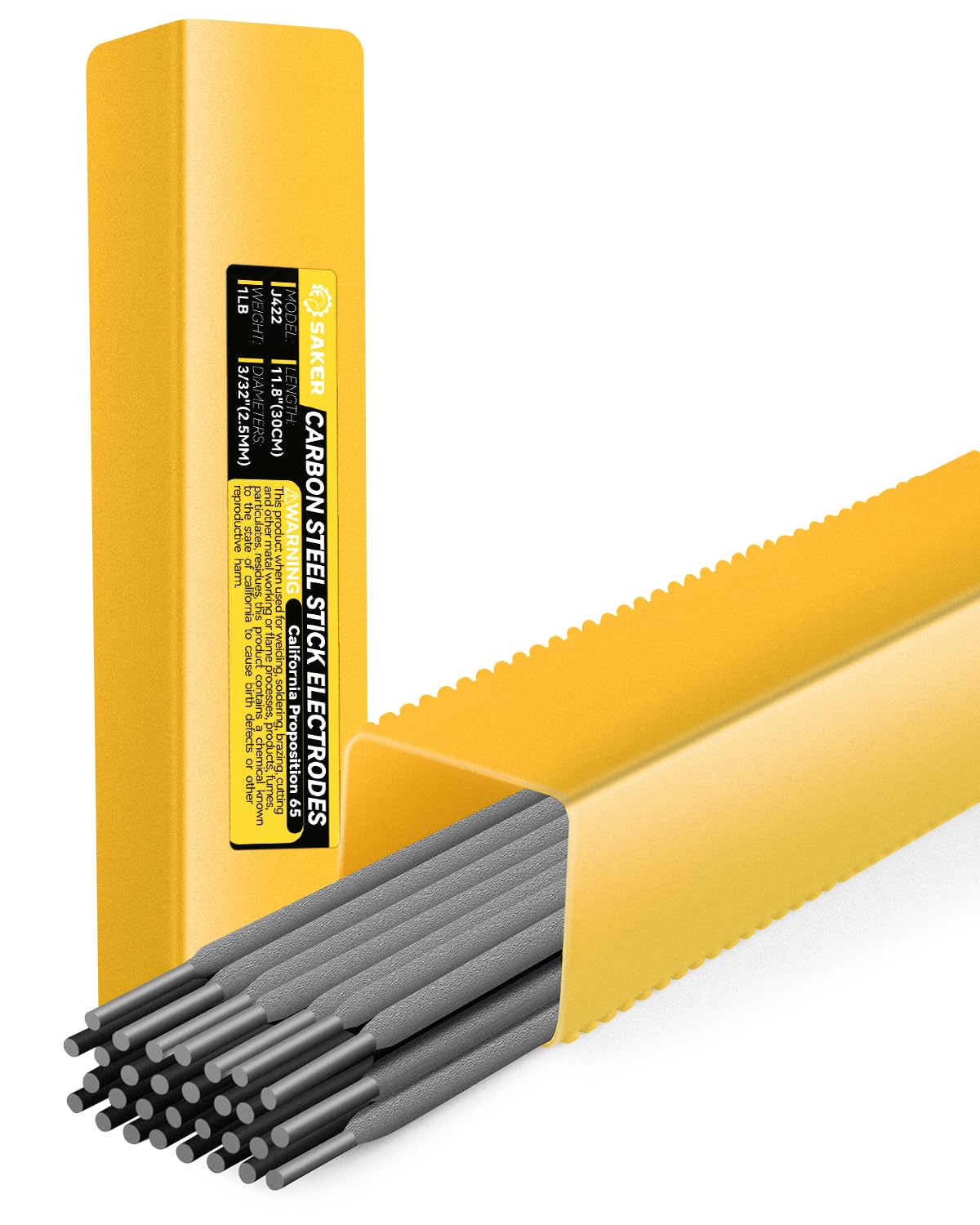 |
Carbon Steel | 3/32″ 1LB | 1.01 pounds | 11.73 x 1.06 x 1.06 inches |
| ARCCAPTAIN Mild Steel TIG Welding Rod ER70S-6 |
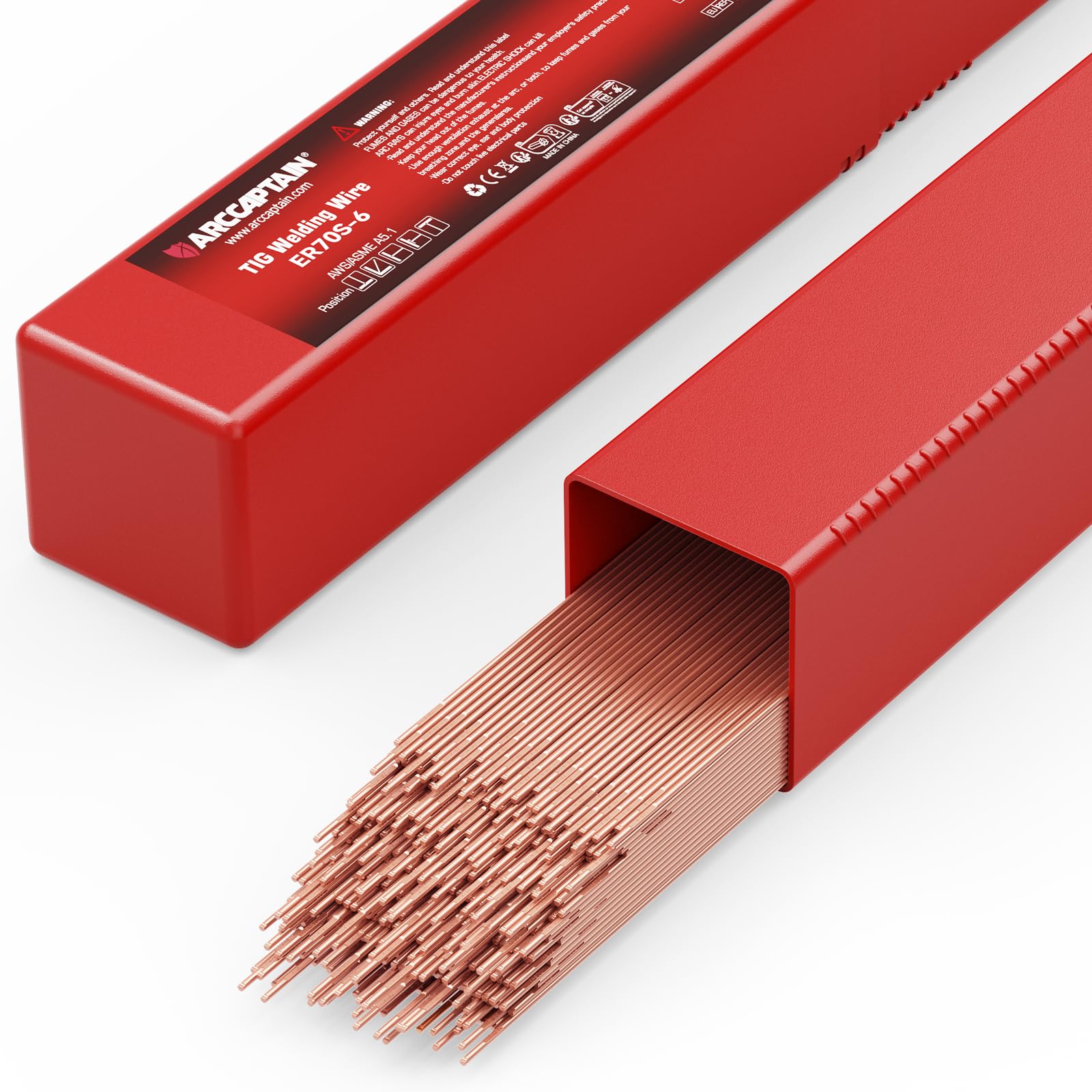 |
ER706-S Mild Steel | 1/16″ x 16″ 5LB | 5.41 pounds | 16.38 x 2.68 x 2.64 inches |
Wrapping Up
Pick TIG filler if you have a TIG machine and want neat beads, and stick electrodes if you weld outdoors or on less-than-clean steel. Match the class to the base metal and check each listing for current price and return terms.