Choosing between TIG and stick welding for automotive work comes down to metal thickness, finish quality, access, and where the repair happens. TIG welding is the cleaner choice for thin aluminum, stainless exhaust parts, visible fabrication, and precise repairs. Stick welding is more useful for thicker steel brackets, chassis tabs, trailers, farm equipment, and field repairs where portability matters more than appearance.
Quick Answer
Use TIG welding when the car repair needs clean, precise control on thin aluminum, stainless steel, exhaust tubing, or visible fabrication. Use stick welding for thicker steel parts, outdoor repairs, rusty brackets, or heavy-duty work. For thin auto body sheet metal, MIG is often easier than either TIG or stick.
Key Takeaways
- TIG is best for precision: Choose it for thin metal, aluminum, stainless, exhaust parts, and welds that need a clean finish.
- Stick is best for tougher steel work: It suits thicker brackets, frames, trailers, and outdoor repairs where wind or dirty metal makes gas-shielded welding harder.
- Stick is not ideal for body panels: Thin automotive sheet metal is easy to burn through with stick welding.
- Safety matters with both: Control fumes, UV exposure, sparks, electrical shock, fuel vapor, wiring, undercoating, and fire risk before striking an arc.
An Introduction to TIG and Stick Welding in Automotive Work
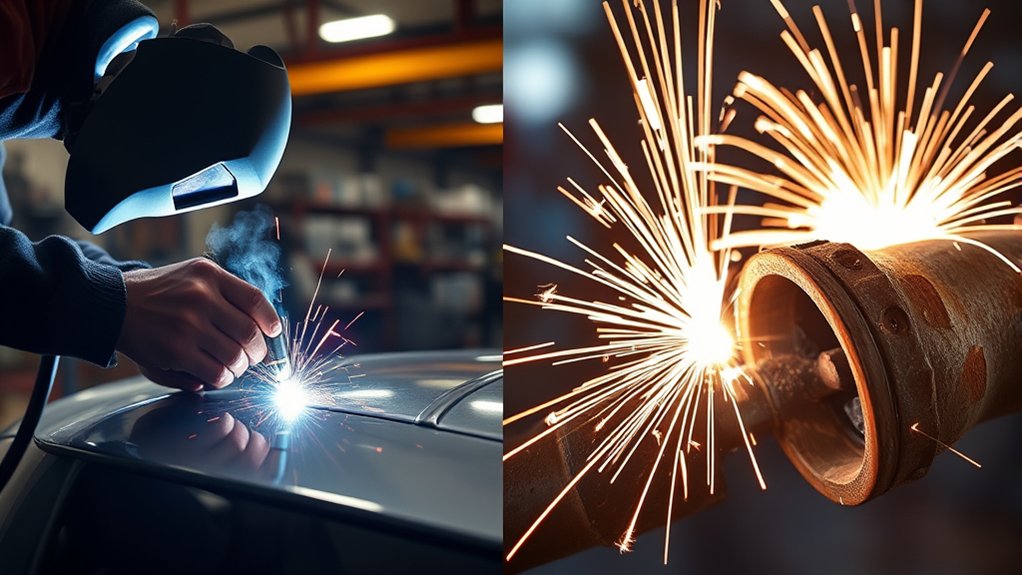
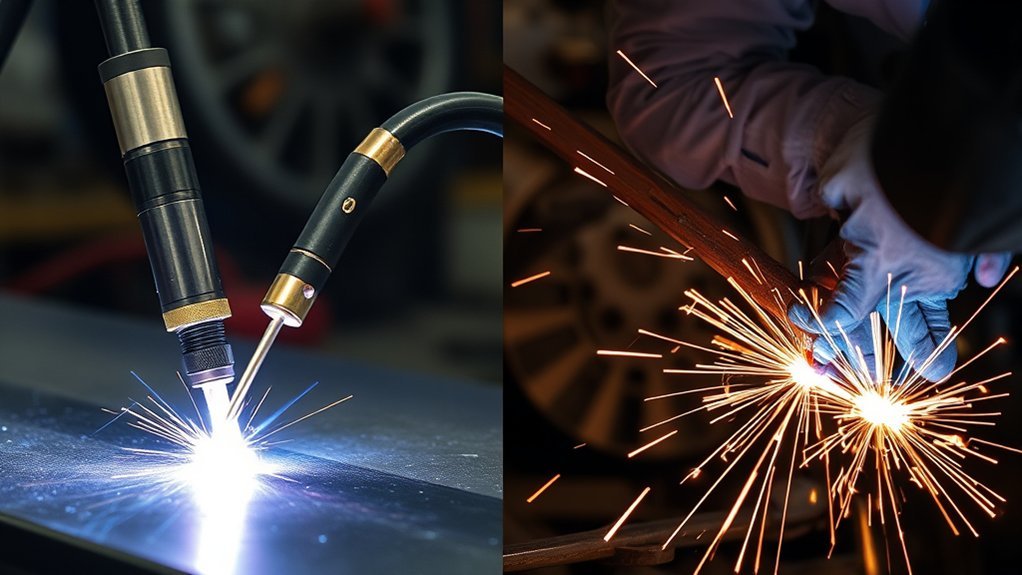
In automotive work, TIG and stick welding solve different problems. TIG welding, also called GTAW, uses a non-consumable tungsten electrode and shielding gas to protect the weld area. It gives you fine heat control, which helps when you weld thin stainless, aluminum, exhaust tubing, or visible parts where weld quality and appearance matter.
Stick welding, also called SMAW, uses a consumable flux-coated electrode. The flux creates shielding gas and leaves slag over the weld. That slag must be chipped or brushed off after welding. Stick welding is portable, simple to set up, and useful on thicker steel, especially when the metal is not perfectly clean or the repair happens outside.
The main tradeoff is control versus toughness. TIG gives cleaner beads and better heat control, but it needs more skill, cleaner metal, shielding gas, and a steadier hand. Stick welding is cheaper and easier to move around, but it runs hotter, creates slag, and is usually too aggressive for thin auto body panels.
Note: For many thin steel body-panel repairs, MIG welding is still the most practical starting point. TIG and stick both have a place, but neither is automatically the best choice for every car repair.
TIG vs. Stick Welding: Which Is Right for Your Automotive Project?
The right choice depends on the part, the metal, the finish you need, and your working conditions. Use this table as a quick decision guide before setting up your welder.
| Automotive Job | Better Choice | Why |
| Thin body panels | Usually MIG or TIG | Stick welding runs too hot for most sheet metal and can burn through fast. |
| Aluminum repair or fabrication | TIG | TIG gives better control and a cleaner finish on aluminum when the metal is properly cleaned. |
| Stainless exhaust tubing | TIG | It gives precise heat control and a neat bead on thin tubing. |
| Frame tabs, brackets, and thick steel mounts | Stick or MIG | Stick can handle thicker steel and less-than-perfect surfaces, but fit-up and joint prep still matter. |
| Outdoor or remote repair | Stick | No separate shielding gas bottle is needed, so wind is less of a problem. |
Weld Quality Comparison
TIG welding usually produces the cleaner, more precise weld. That matters on visible parts, thin stainless, aluminum, roll-cage detail work, custom exhaust, and brackets that need a neat appearance. TIG also gives you better control over heat input, which helps reduce warping on thin metal.
Stick welding can make strong welds on thicker steel, but it usually leaves more cleanup. You have to remove slag before inspection, paint, or another pass. If slag gets trapped in the weld, it can weaken the joint. For structural automotive work, the joint design, prep, electrode choice, amperage, and welder skill matter more than simply saying one process is stronger.
Skill Level Requirements
TIG welding has the steeper learning curve. You control the torch, arc length, filler rod, travel speed, and sometimes a foot pedal at the same time. It rewards patience and practice.
Stick welding is simpler to set up, but it is not effortless. Beginners still need to learn arc length, rod angle, travel speed, slag removal, and electrode selection. On automotive metal, the biggest challenge is heat. Stick welding can quickly damage thin parts if the amperage is too high or the travel speed is too slow.
Material and Thickness Guide
- Thin sheet steel: MIG is usually easiest, TIG can work with skill, and stick is rarely the first choice.
- Aluminum: TIG is the better choice for clean, controlled welds.
- Stainless exhaust: TIG is preferred for appearance and heat control.
- Thicker mild steel brackets: Stick can work well if the joint is prepared correctly.
- Rusty or dirty steel: Stick tolerates more contamination than TIG, but you should still clean the joint as much as possible.
Benefits of TIG Welding for Automotive Work
TIG welding stands out when you need control. It lets you focus the arc tightly, add filler only when needed, and keep the bead small. That is useful for thin aluminum, stainless trim, exhaust tubing, custom brackets, intercooler piping, and visible fabrication.
TIG also helps when you need to manage heat carefully. Too much heat can warp sheet metal, discolor stainless, or make a thin tube collapse at the joint. Good TIG technique, a tight fit-up, clean metal, and correct filler choice help reduce those risks. Understanding distortion control is especially important when the part must stay straight after welding.
Another advantage is cleanup. TIG creates little spatter and no slag, so the finished weld usually needs less grinding. That makes it a strong choice when the weld will remain visible or when too much grinding could thin the part.
Pro Tip: TIG rewards clean prep. Remove paint, oil, zinc coating, undercoating, rust, and oxide before welding. A clean joint makes arc starts smoother and reduces porosity.
Explore the Benefits of Stick Welding for Automotive Repairs
Stick welding offers real advantages for the right automotive repair. It is portable, affordable, and less dependent on shielding gas. That makes it useful for outdoor work, trailer repairs, farm vehicles, off-road brackets, and thicker steel parts where appearance is less important than durability.
Benefits of Portability
When you need to weld away from a clean shop, stick welding is easier to move. A basic stick welder, leads, clamp, helmet, gloves, and rods can be carried to the job. You do not need a gas cylinder, which makes the setup simpler in the field.
Stick welding also works in positions that can be awkward under a vehicle, but access and safety must come first. If the repair is close to wiring, fuel lines, brake hoses, rubber bushings, carpet, seam sealer, or undercoating, stop and shield or remove the hazard before welding.
Cost-Effective Equipment
For automotive repairs on a budget, stick welding can be appealing because the equipment is usually affordable and simple. You also avoid the cost of shielding gas. This makes it useful for occasional repairs on thicker steel.
| Aspect | Stick Welding Advantage |
| Equipment Cost | Lower entry cost than many TIG setups. |
| Portability | Easy to move to outdoor or remote repair areas. |
| Surface Tolerance | More forgiving than TIG on less-than-perfect steel, though cleaning is still needed. |
Versatile Environmental Use
Stick welding handles outdoor work better than TIG because the electrode’s flux provides shielding. Wind that would blow away TIG shielding gas is less of a problem with stick. This is why stick is common in repair, maintenance, and field welding.
That does not mean you should weld over heavy rust, paint, grease, or undercoating. Remove as much contamination as possible. Dirty metal can still cause porosity, poor fusion, and weak welds.
Direct Comparison: Key Differences Between TIG and Stick Welding Techniques
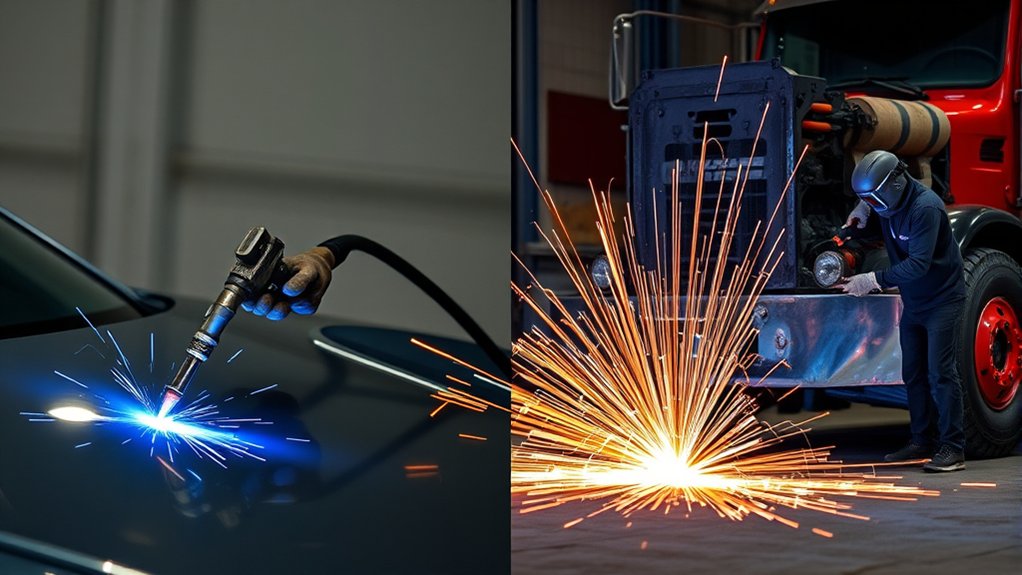
Both processes use an electric arc, but they behave very differently in the shop.
- Electrode type: TIG uses a non-consumable tungsten electrode. Stick uses a consumable flux-coated rod.
- Shielding: TIG needs shielding gas from a cylinder. Stick uses flux on the electrode to shield the weld.
- Filler metal: TIG filler rod is separate and can sometimes be omitted. Stick filler comes from the electrode itself.
- Weld finish: TIG usually makes a cleaner weld with little cleanup. Stick leaves slag that must be removed.
- Material fit: TIG is better for thin, clean, precise work. Stick is better for thicker steel and rougher repair conditions.
- Learning curve: TIG takes more coordination. Stick is easier to start, but still takes practice to make sound automotive welds.
- Filler choice: With TIG, using the correct filler rod selection is critical. With stick, rod type and polarity must match the base metal and job.
The best welding process is not the one that sounds strongest. It is the one that fits the metal, joint, access, finish, and safety conditions.
Common Challenges With TIG and Stick Welding in Auto Work
Each process has problems you need to plan for before working on a vehicle.
Common TIG Problems
- Contamination: Oil, paint, oxide, and filler rod contamination can cause porosity or a dirty bead.
- Tungsten dipping: Touching the tungsten to the puddle can contaminate the electrode and make the arc unstable.
- Warping: Thin panels and tubing can distort if you add too much heat.
- Poor gas coverage: A long arc, wrong cup size, or draft can expose the puddle to air.
- Slow travel: TIG is slower, so large repairs can take more time.
Common Stick Problems
- Burn-through: Thin automotive metal can melt quickly under a stick arc.
- Slag inclusions: Trapped slag can weaken the weld, especially on multi-pass welds.
- Hard arc starts: Wrong amperage, damp rods, or poor ground contact can make starts difficult.
- Spatter: Stick welding is messier than TIG and needs more cleanup.
- Too much heat near vehicle parts: Rubber, wiring, fuel lines, sensors, and undercoating can be damaged or ignited.
Overcoming Challenges in TIG and Stick Welding for Auto Repairs
Good results come from matching the process to the repair and controlling the common failure points.
- Clean the joint first: Remove paint, rust, oil, zinc coating, seam sealer, and undercoating near the weld area.
- Match the process to metal thickness: Use TIG for thin, precise work and stick for thicker steel when the joint can handle the heat.
- Control heat: Use short welds, skip around, and let the metal cool between passes when needed.
- Choose the right consumables: TIG filler and stick electrodes must match the base metal and strength needs.
- Inspect before painting: Look for cracks, undercut, porosity, poor fusion, and slag inclusions.
- Adjust for stainless: Stainless steel holds heat and can distort or discolor if overheated, so stainless steel’s heat trapping should guide your settings and travel speed.
Warning: Never weld near fuel vapor, an uncleaned tank, active fuel lines, brake hoses, wiring, carpet, insulation, or undercoating without removing or shielding the hazard. OSHA fire-prevention rules call for moving or shielding fire hazards, keeping suitable extinguishing equipment ready, and using a fire watch when conditions require it.
Products Worth Considering
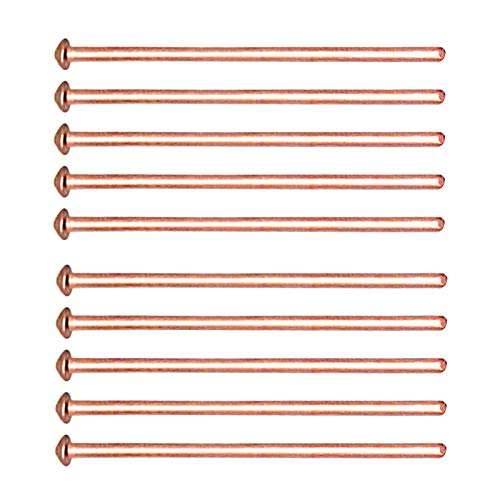
WHAT YOU GET - Includes 600pcs 2.0mm welding studs(diameter). Lots of studs pins supply.
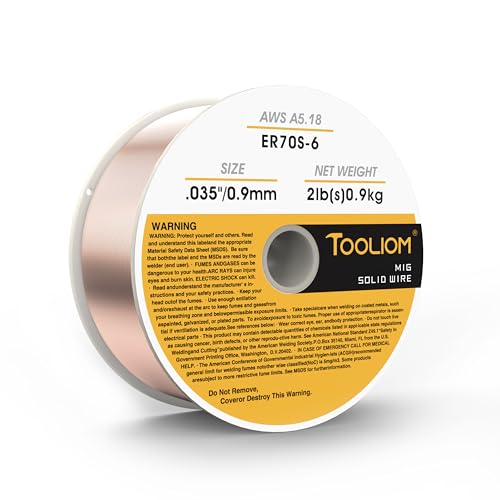
High-quality:Tooliom's .035" ER70S-6 MIG Welding Wire (2lb spool) meets all industry standards for consistent strength and performance. Enjoy smooth feeding, stable arcs, optimal penetration, and high deposition rates—everything you need for exceptional welds

For general purpose, high speed welding of carbon and low alloy steels
Safety Gear and Shop Prep Before Welding a Vehicle
Automotive welding adds risks that do not always show up on a clean bench. You may be near fuel, wiring, paint, seam sealer, rubber, plastic, sound deadener, or old undercoating. Before you weld, inspect both sides of the panel or bracket and clear the heat path.
Use a welding helmet with the correct filter shade. OSHA’s eye and face protection standard lists minimum protective shade numbers by welding process and current. For TIG, the listed minimum shades range from 8 to 10 depending on amperage. For stick welding, the listed minimum shades range from 7 to 11 depending on electrode size and current. Start darker if unsure, then go lighter only without dropping below the minimum.
Control fumes, too. The CDC/NIOSH page on welding fumes and manganese notes that welding fumes are made of metals and may contain manganese. Use local exhaust, avoid confined spaces unless properly controlled, and use the correct respirator when ventilation alone is not enough.
Check your equipment before striking an arc. OSHA’s arc welding and cutting standard includes requirements for safe equipment selection, grounding, connections, and maintenance. Replace damaged leads, keep the work clamp secure, and do not wrap the welding cable around your body.
Products Worth Considering

Multi Use- They can darken to between level #3 and #11. This means that the T TOVIA Auto Darkening Welding Helmet are ideal for all sorts of welding applications including gas welding, plasma, MIG, TIG, and more. They provide a high degree of protection.
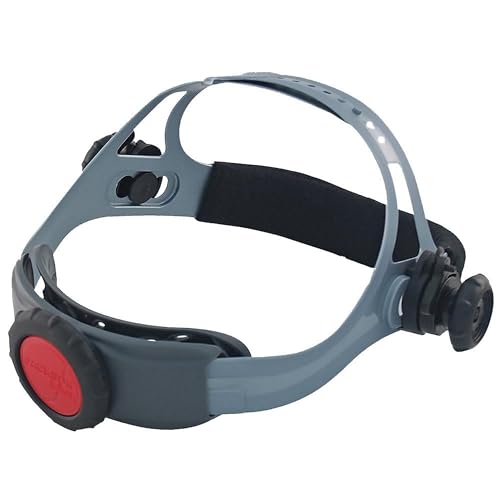
REPLACEMENT WELDING HELMET HEADGEAR - Jackson Safety's Premium 370 Speed Dial Replacement Headgear offers a perfect fit and secure hold for your welding hood
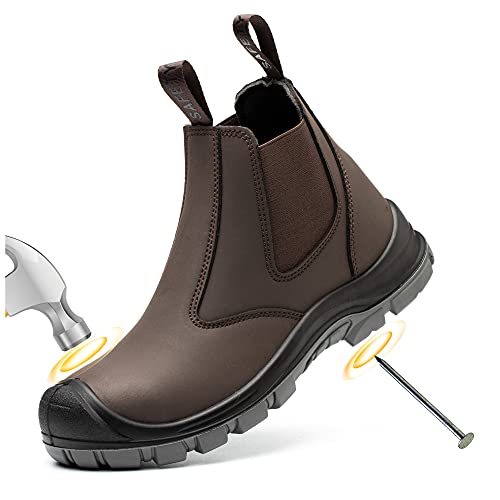
ASTM‑Certified Protection for High‑Risk Work Environments:Engineered as true Steel Toe Safety Shoes, these 6" Chelsea boots meet rigorous ASTM Certificated standards. Ideal for Welding Men's Work Boots applications, they feature a impact‑resistant steel toe cap and a Kevlar Puncture‑resistant midsole — guarding your feet against falling objects, sharp debris, and heavy compression on construction sites, warehouses, and industrial yards.
Tips for Getting Started With TIG and Stick Welding in Automotive Work
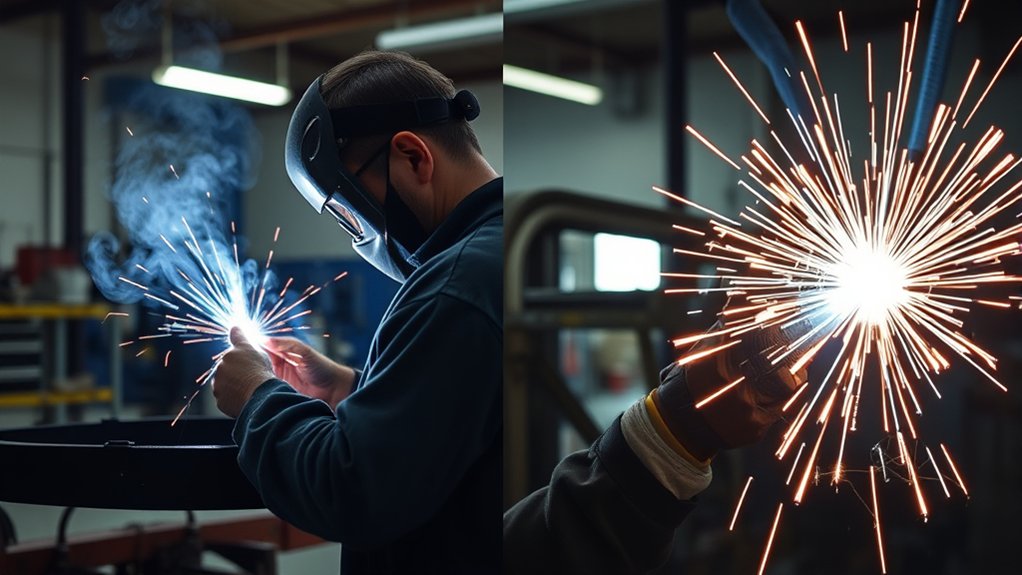
Start on scrap metal that matches the thickness and material of the part you plan to repair. Practice flat welds first, then move to vertical or overhead positions only after you can make consistent beads.
For TIG, practice arc starts, puddle control, filler timing, and heat control. Keep the tungsten clean, hold a short arc, and protect the weld from drafts. For aluminum, clean the oxide layer before welding and use the right AC setup for your machine.
For stick welding, practice rod angle, arc length, and slag removal. Use dry electrodes, set the amperage within the rod’s recommended range, and clean between passes. If the metal is thin, test on scrap before touching the vehicle.
Also learn when another process fits better. MIG is often the easiest option for thin automotive steel, and understanding flux core welding can help when you need more portability than MIG with gas but less heat concentration than stick on some jobs.
Frequently Asked Questions
What type of welder is best for automotive work?
For most thin steel body-panel work, MIG is often the easiest and most practical choice. TIG is best when you need precision on aluminum, stainless, exhaust tubing, or visible custom work. Stick welding is better for thicker steel repairs, brackets, trailers, and outdoor jobs.
Is stick welding stronger than TIG?
Not automatically. A stick weld can give deep penetration on thicker steel, but TIG can make very strong, high-quality welds when the joint, filler, prep, and settings are correct. Weld strength depends on the full procedure, not only the welding process.
Is TIG welding good for cars?
Yes. TIG welding is excellent for many automotive jobs, especially aluminum parts, stainless exhaust tubing, custom fabrication, visible brackets, and thin clean metal. It is slower than MIG or stick, but it gives better control and a cleaner finish.
Can you stick weld car body panels?
You can in rare cases with the right rod, low amperage, and high skill, but it is usually not the best choice. Body panels are thin and easy to burn through. MIG or TIG is normally better for sheet metal.
What health risks should welders manage?
Welders should manage fumes, UV radiation, burns, eye injury, electrical shock, fire hazards, and confined-space risks. Use the correct helmet shade, gloves, flame-resistant clothing, ventilation, fire protection, and respiratory protection when needed.
Should beginners learn TIG or stick first for automotive work?
If your goal is automotive sheet metal, start with MIG and then learn TIG for cleaner precision work. If your goal is outdoor repairs, trailers, brackets, or heavier steel, stick welding is useful to learn early. TIG takes more coordination, while stick takes careful heat control on vehicle parts.
Conclusion
For automotive work, TIG and stick welding both have a place, but they are not interchangeable. Choose TIG when the job needs precision, clean appearance, and careful heat control on thin or specialty metals. Choose stick welding when the repair involves thicker steel, outdoor work, or a portable setup. Before welding any vehicle part, clean the metal, protect nearby components, control fumes, use proper eye protection, and inspect the finished weld before putting the part back into service.
Sources
- OSHA Welding, Cutting, and Brazing Hazards and Solutions — supports welding hazard coverage for fumes, UV radiation, burns, eye damage, and shock.
- OSHA 1910.133 Eye and Face Protection — supports welding helmet filter shade guidance for TIG and stick welding.
- OSHA 1910.252 General Welding, Cutting, and Brazing Requirements — supports fire prevention, fire watch, combustible-material control, and container precautions.
- OSHA 1910.254 Arc Welding and Cutting — supports arc welding equipment, grounding, connection, and maintenance safety guidance.
- CDC/NIOSH Welding Fumes and Manganese — supports ventilation and manganese fume risk guidance.