The usual welding rods for root pass work are ER70S-6 TIG filler for a clean, controlled root and low-hydrogen or cellulose stick rods when you weld with a stick machine. This page compares 10 rods: two ER70S-6 TIG fillers, two E7018, four E6013, one E308L stainless and one J422. These 10 welding rods compared for root passes focus on penetration and control.
For open-root pipe, welders usually reach for E6010 or E6011, which are not in this list, so treat the stick rods here as options for tight-fit joints and light fabrication. The specs come from the Amazon listings, so confirm them on the listing before you buy.
Top Picks
|
Category |
Product |
|---|---|
|
Best Short TIG Rods |
|
|
Best Value Stick |
|
|
Best Low-Hydrogen |
|
|
Another ER70S-6 TIG Option |
|
|
Best For Beginners |
|
|
Best Budget 1/8in |
|
|
Best Dual-Size Pack |
|
|
Best Stainless Rods |
|
|
Best Light-Duty Rods |
|
|
Established Brand |
How the Picks Were Chosen
This list is built from the Amazon listing details for each product, not from hands-on testing. These are the points compared:
- Rod class and process: TIG filler (ER70S-6) or stick (E6013, E7018, E308L, J422).
- Diameter: 1/16 inch TIG rods, 3/32 and 1/8 inch stick rods.
- Pack size and length: 16 inch TIG rods and 14 inch stick rods.
- Packaging: dry, sealed packs matter most for E7018.

These ER70S-6 filler rods are the kind of stick you reach for when you want predictable mild steel root passes without fuss. You get short 16″ lengths that are easier to manage in tight joints, a clean alloy that puddles well, and enough weight for workshop projects. For everyday repairs, farm gear, or an Easter metal project where access is tight, they make holding a steady bead simpler.
If you prefer full-length rods for longer runs you might opt for those, but if accessibility and tidy tacks matter to you, these are a practical choice.
Quick Tips
Keep the rod and joint clean and use a quick wipe with acetone if needed before you start. For a neat root pass, set your amperage to the recommended range for 1/16″ filler and practice a steady travel speed on scrap first.
If you run out of filler quickly because the rods are short, save the short ends for tacks or make a simple jig to join lengths for longer runs.
Key Benefits
- Short, easy-to-handle lengths for tight joints
- Consistent ER70S-6 chemistry for reliable mild steel root passes
- Good packaging for shelf storage and quick access
- Friendly for hobbyists and practical for light shop work

You’ll find these E6013 rods are a reliable go-to when you need forgiving stick electrodes that handle light fabrication and repair work. They strike easily, flow into a nice bead, and play well with slightly rusty or unclean surfaces, which makes them handy for farm gear, fences, and seasonal projects. For everyday root passes on thinner sections you want something predictable and not overly fussy about prep, and these fit that role. If you do heavier structural welding, pair them with proper procedures, but for general use they’re a solid, user-friendly choice.
Quick Tips
Wipe the joint if it’s oily and set your amperage for a 3/32″ electrode, then practice keeping a steady arc gap to avoid digging in. These rods tolerate imperfect prep, so start with tack welds and run a controlled travel speed for a clean root pass. If you see too much spatter, back off the travel speed or adjust angle slightly.
Key Benefits
- Easy arc start and consistent bead
- Good performance on light rust or mill scale
- Well-suited for tight fit-ups and repair work
- Packaged for convenient storage and access

These E7018 rods are what you reach for when you need low-hydrogen performance and a steady, controllable bead for root passes. You get reliable arc stability with a coating that helps produce strong, clean welds suitable for structural repairs, farm gear, and routine maintenance.
They work well whether you’re running a few tack welds or handling longer seams, and both beginners and experienced welders report predictable behavior under typical shop conditions. For jobs where joint integrity matters, these are a practical, workhorse choice.
Quick Tips
Keep these rods dry before use and store them in a sealed container or rod oven if you plan to hold them for critical work. Set your amperage for 1/8″ electrodes and focus on a steady arc gap and consistent travel speed for clean root passes.
If you see slag sticking, slow down slightly and check your angle; for longer runs, break the weld into controlled segments to maintain good heat control.
Key Benefits
- Consistent, steady bead control for root passes
- Low-hydrogen formulation for stronger, cleaner welds
- Easy arc striking and good runability for varied skill levels
- Suitable for structural repairs and routine shop work

These ER70S-6 rods are a dependable choice when you need predictable mild steel root passes and easy access in cramped joints. You get clean, straight rods that puddle well and deliver solid penetration for routine repairs, small fabrication, or creative projects like jump rings and metal art. If you prefer longer runs, keep a few full-length sticks on hand, but for accessibility and tidy root passes these are a practical pick.
Quick Tips
Wipe the joint if it’s greasy, set your amperage for a 1/16″ filler, and practice a steady travel speed on scrap before touching the root pass. Use the short ends for tacks in tight spots and consider joining lengths with a simple jig or copper sleeve if you need longer filler. Keep rods dry and stored upright to avoid contamination between sessions.
Key Benefits
- Clean, straight rods that puddle predictably
- Good penetration and strength for mild steel root passes
- Short lengths improve access in tight joints
- Consistent quality suitable for hobbyists and shop use
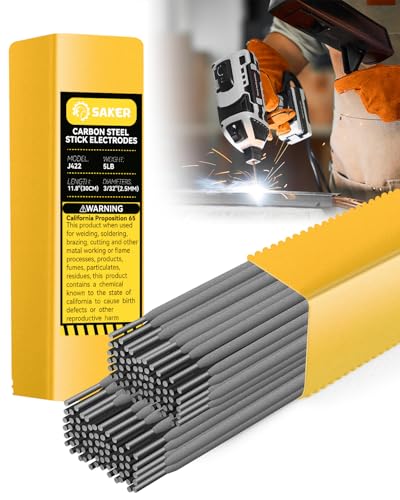
These E6013 rods are a friendly option when you want forgiving stick electrodes that start easily and make pleasing beads on light- to medium-gauge steel. You can use them for fence repairs, small fabrication, and seasonal projects where quick setup and reliable starts matter. They work well with handheld welders and tolerate less-than-perfect prep, so you spend more time welding and less time fussing. If you’re learning or need a dependable everyday rod, these fit the bill.
Quick Tips
Clean oily surfaces, set your amperage for a 3/32″ electrode, and practice maintaining a steady arc gap on scrap before tackling the root pass. Use short tack welds to control fit-up and a consistent travel speed for a tidy bead. If you see extra spatter, try reducing travel speed or adjusting your angle slightly.
Key Benefits
- Easy arc starting for beginners and handheld rigs
- Smooth bead appearance and predictable runability
- Tolerant of light rust or imperfect fit-ups
- Protective tube packaging for storage

These E6013 rods are a straightforward choice when you want reliable stick performance for everyday repairs and seasonal projects. You’ll find they strike easily, run with a smooth bead, and tolerate a bit of surface rust or mill scale, which saves time on prep.
They suit handheld welders and light fabrication tasks, so whether you’re fixing a fence or doing a workshop project you get predictable results. If you value ease and consistency for routine root passes, these are worth keeping in your box.
Quick Tips
Wipe greasy spots, set your amperage for a 1/8″ electrode, and practice a steady arc distance on scrap before doing the root pass. Use short tacks to control fit-up, keep a consistent travel speed for a neat bead, and store rods upright in their tube to avoid contamination between sessions.
Key Benefits
- Easy arc starting for quick setup
- Smooth, consistent beads for tidy root passes
- Tolerant of light surface contamination
- Good storage packaging for rod protection

These dual-size E7018 rods give you flexibility when you need low-hydrogen performance for solid root passes. You get both 3/32″ and 1/8″ electrodes in one container, which is handy if you switch between light repairs and slightly heavier seams. The rods run with a steady arc and predictable bead, making them a good fit whether you’re teaching someone to stick weld or tackling routine shop repairs. Keep them dry and you’ll have dependable welds for jobs where joint integrity matters.
Quick Tips
Store these rods sealed and dry, and set amperage according to the diameter you choose: lower for 3/32″ and a bit higher for 1/8″. For clean root passes, use steady travel speed and maintain a consistent arc gap; break longer welds into controlled sections if you need to manage heat. If you plan to keep rods long term, reseal the container or use electrical tape to preserve dryness.
Key Benefits
- Low-hydrogen formula for stronger, cleaner root passes
- Includes two common diameters for on-the-spot flexibility
- Predictable arc and even bead appearance
- Well packaged with separated sizes for easy access

If you need to weld stainless but don’t have MIG or TIG handy, these E308L stick electrodes are a practical fallback. You’ll get a small, controllable puddle that cleans up well and can produce attractive beads on exhaust work, thin stainless repairs, and small fabrications. The rods tend to self-clean and the reusable tube helps keep them dry between jobs, so they’re useful for occasional stainless tasks and weekend projects.
For critical stainless work you’ll still want to confirm polarity and run a quick test on scrap, but these are a solid option when access or equipment is limited.
Quick Tips
Wipe the joint to remove oil, set polarity and amperage on scrap first, and use a slight drag technique to keep the puddle small and controlled. Protect the rods from moisture between uses and clear slag as you go to maintain a clean surface for subsequent passes. For thin exhaust or sheet work, keep your travel speed steady and do short runs to avoid burn-through.
Key Benefits
- Good stainless finish with self-cleaning slag
- Small puddle ideal for thin sections and uphill work
- Reusable tube helps protect rods from moisture
- Handy when MIG/TIG aren’t available

These J422 rods are the kind of basic, reliable electrode you keep on hand for everyday fixes and small projects. You’ll find them forgiving on thinner metal and easy to start with a handheld welder, which makes them great for fence repairs, light fabrication, and practice root passes. They flow nicely when you turn the amps up a bit and remove slag cleanly, so cleanup is straightforward.
If you want a no-nonsense rod that gets the job done without fuss, this one fits that role.
Quick Tips
Clean oily spots, set your amperage for a 3/32″ electrode, and practice a steady arc gap on scrap before tackling a root pass. Use short tack welds to hold fit-up, keep a consistent travel speed, and chip slag between passes for a neat finish.
For handheld work, scratch-start at an angle to prevent sticking.
Key Benefits
- Easy arc starting for handheld use
- Good bead appearance and predictable runability
- Tolerant of light surface contamination
- Compact pack suitable for hobbyists and beginners

These E6013 rods are a go-to when you want forgiving stick electrodes that make root passes easier. You’ll appreciate how they handle thin tubing and slightly rusty surfaces, letting you focus on travel speed and technique rather than perfectionist prep. They strike smoothly and allow longer runs without frequent rod changes, which is handy for shop repairs and weekend projects. If you want a versatile rod for learning and regular maintenance, these are a practical choice.
Quick Tips
Clean obvious oil or grease, set your amperage to match a 3/32″ electrode, and practice keeping a steady arc gap on scrap before you tackle the root pass. Use short tacks to control fit-up, keep travel speed consistent to avoid digging in, and chip slag between passes for a tidy finish.
Store rods in a dry container when not in use to preserve performance.
Key Benefits
- Very forgiving on thin or mildly rusty steel
- Easy arc starting and smooth bead formation
- Suitable for long welds without excessive cooling
- Durable packaging and low moisture sensitivity
Related guides: stick welding amperage chart, TIG filler rod selection chart and stick welding problems and solutions.
FAQ
What is the best welding rod for a root pass?
It depends on the process and joint. ER70S-6 is a common TIG filler for a clean root on mild steel, and E6010 or E6011 are the usual stick choices for open-root pipe. E7018 can be used when the fit-up is tight and the rods are dry. Follow your welding procedure if the work is code-related.
Can I use E6013 for a root pass?
E6013 is a general-purpose rod for light fabrication and tight joints, and it is forgiving to strike. It is not the usual choice for critical open-root joints. Check the procedure for structural work.
Do I need to keep E7018 dry for a root pass?
Yes. E7018 absorbs moisture, which can cause porosity and cracking. Keep it sealed or in a rod oven and follow the maker instructions. See which rods need oven storage.
What size rod is best for a root pass?
Smaller diameters give better control in the root gap, so 3/32 inch stick or 1/16 inch TIG is a common starting point. Set amperage from the rod box and confirm on scrap.
Choosing Welding Rods for Root Pass Welds
Start with the joint: a tight fit-up lets you use E7018 or E6013, while an open gap calls for a rod that gives deeper penetration, such as E6010 or E6011, or a TIG root with ER70S-6. Clean the joint, tack it, and run the root with a steady travel speed before filling. Test on a scrap joint with the same gap.
Specs at a Glance
Figures come from the Amazon listings and can change, so confirm class, diameter and pack size before you order.
| Product Name | Image | Weight | Material | Dimensions |
|---|---|---|---|---|
| YESWELDER Mild Steel TIG Welding Rod ER70S-6 1/16″x16″ 5LB |
 |
5 pounds | ER70S-6 Mild Steel | 16.5 x 1.73 x 1.73 inches |
| YESWELDER E6013 3/32” 5LB Welding Rod Carbon Steel Stick Electrodes |
 |
5.21 pounds | E6013 | 14.21 x 2.4 x 2.4 inches |
| ARCCAPTAIN E7018 Welding Rod 1/8” 10LB Low Hydrogen Carbon Steel Welding Sticks |
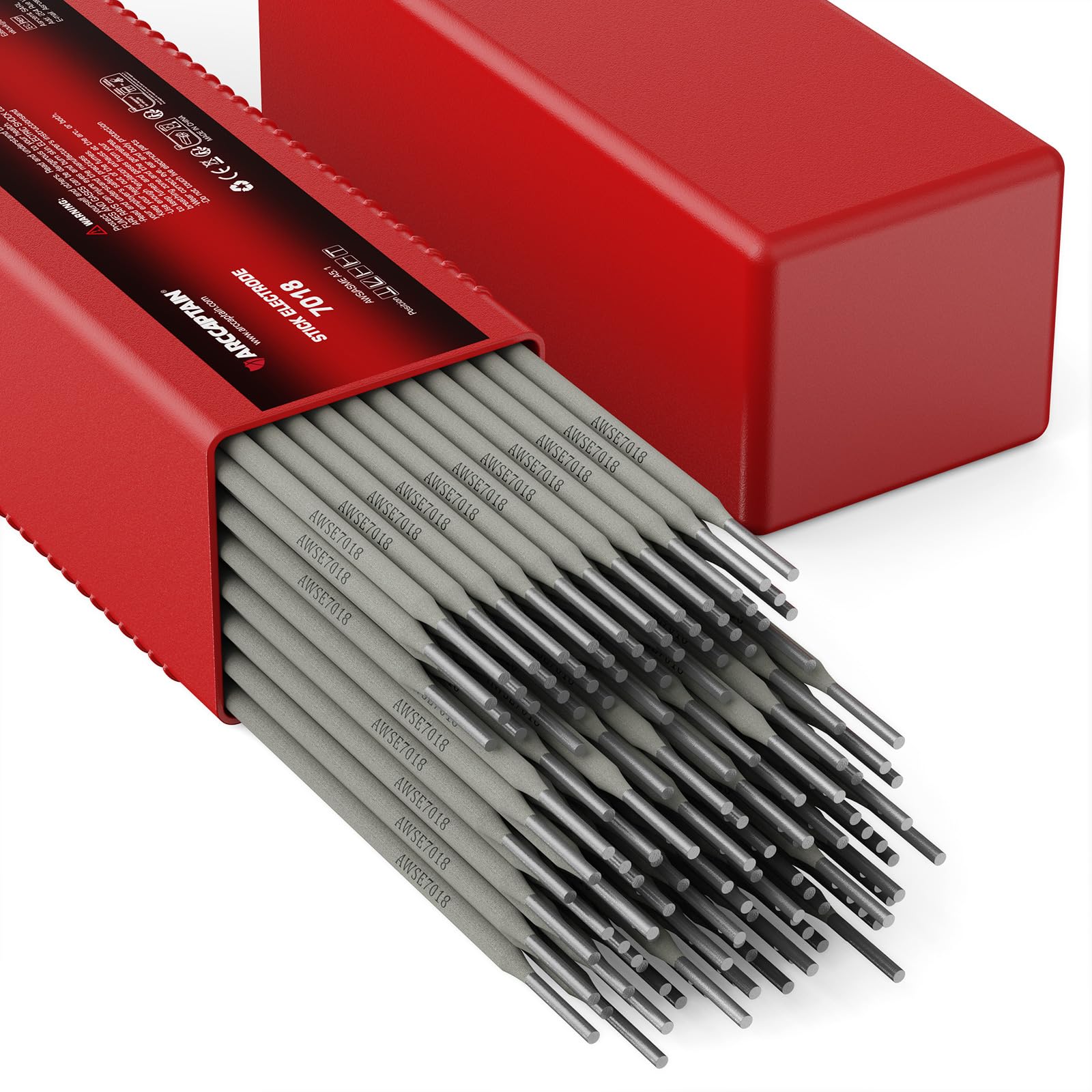 |
10.21 pounds | E7018 | 14.13 x 2.83 x 2.83 inches |
| ARCCAPTAIN Mild Steel TIG Welding Rod ER70S-6, Welding Wire Filler Rod |
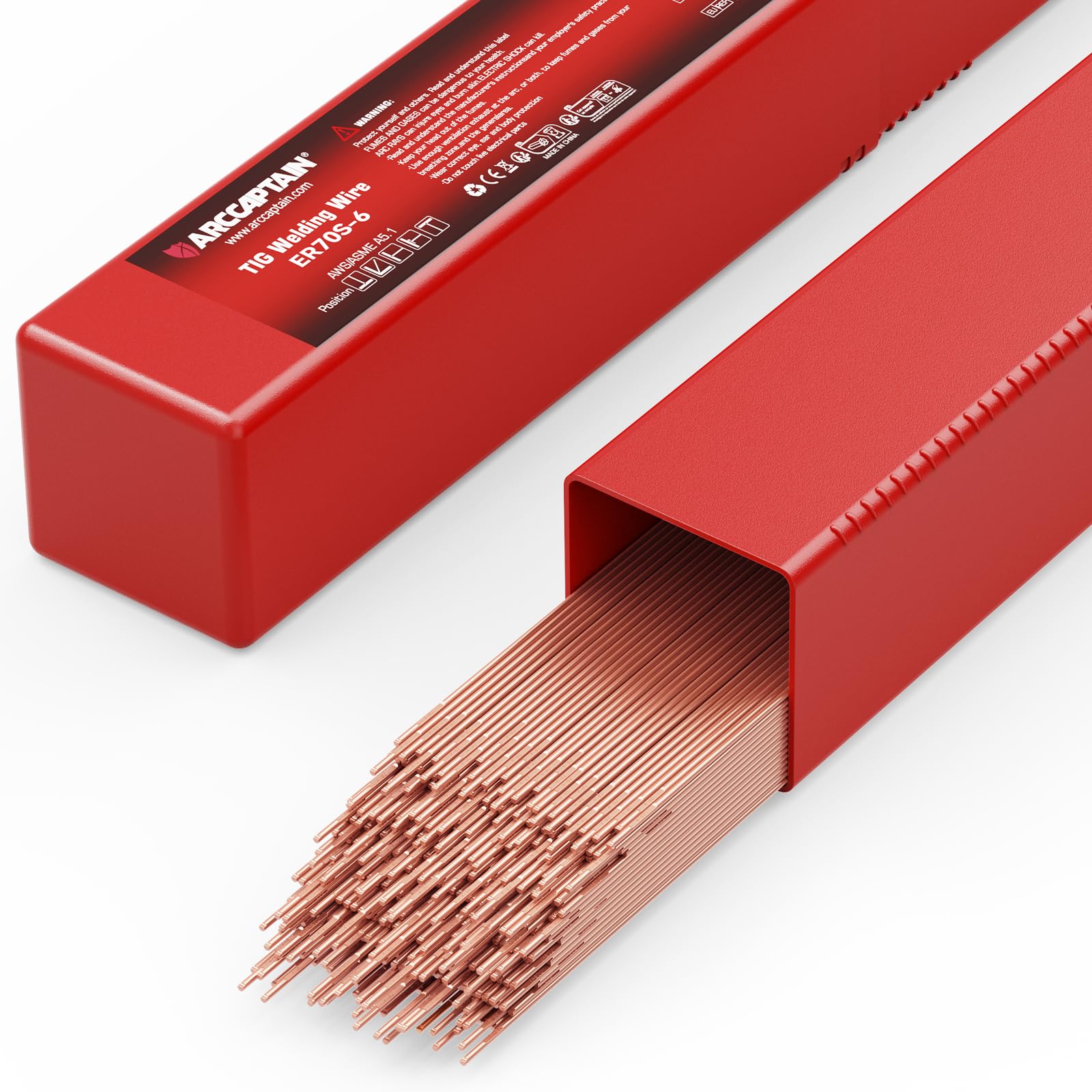 |
5.41 pounds | ER706-S Mild Steel | 16.38 x 2.68 x 2.64 inches |
| E6013 Welding Rod 1/8″ 5LB Carbon Steel Stick Welding Rods |
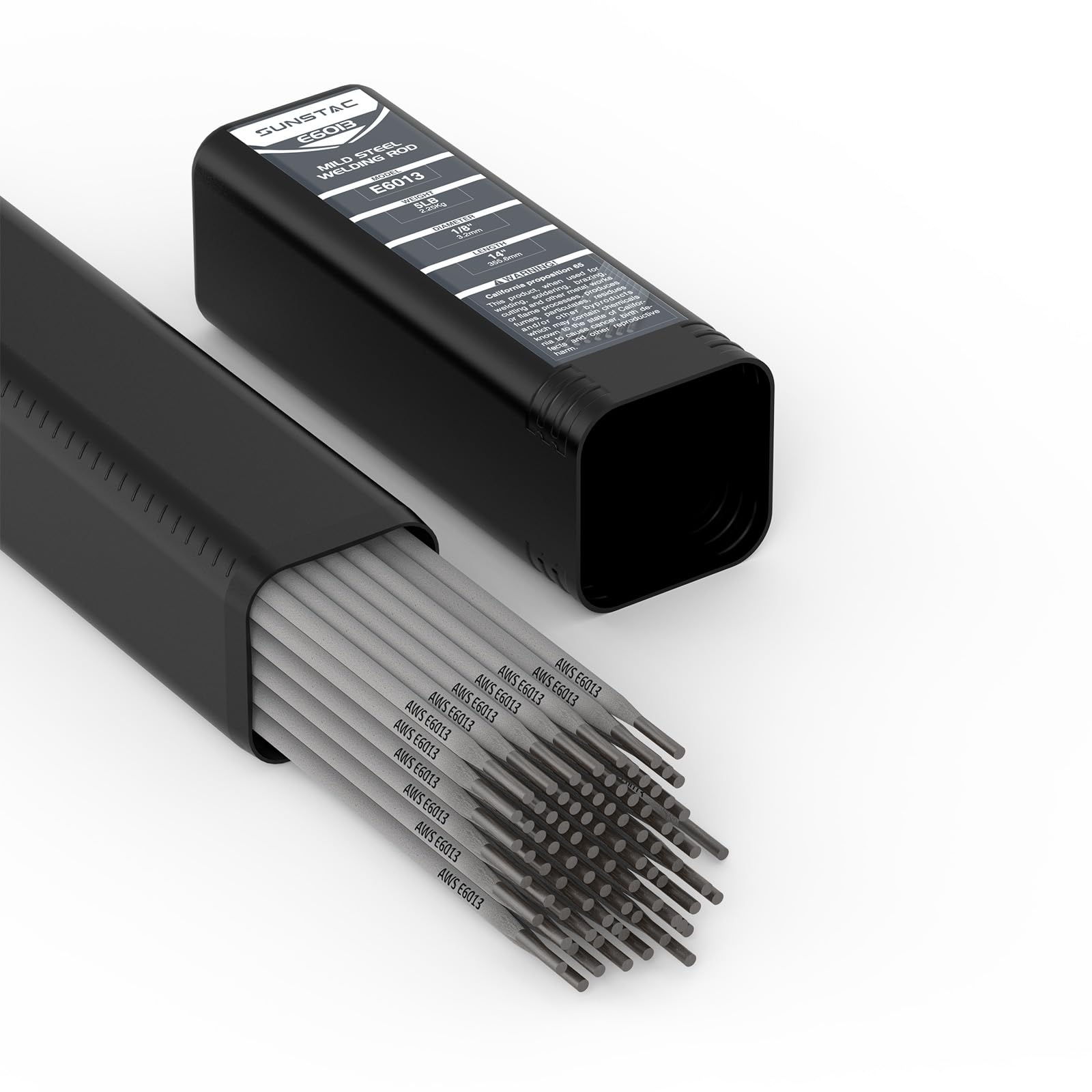 |
5.24 pounds | E6013 | 13.99 x 2.36 x 2.36 inches |
| YESWELDER E308L-16 Stainless Steel Stick Electrodes |
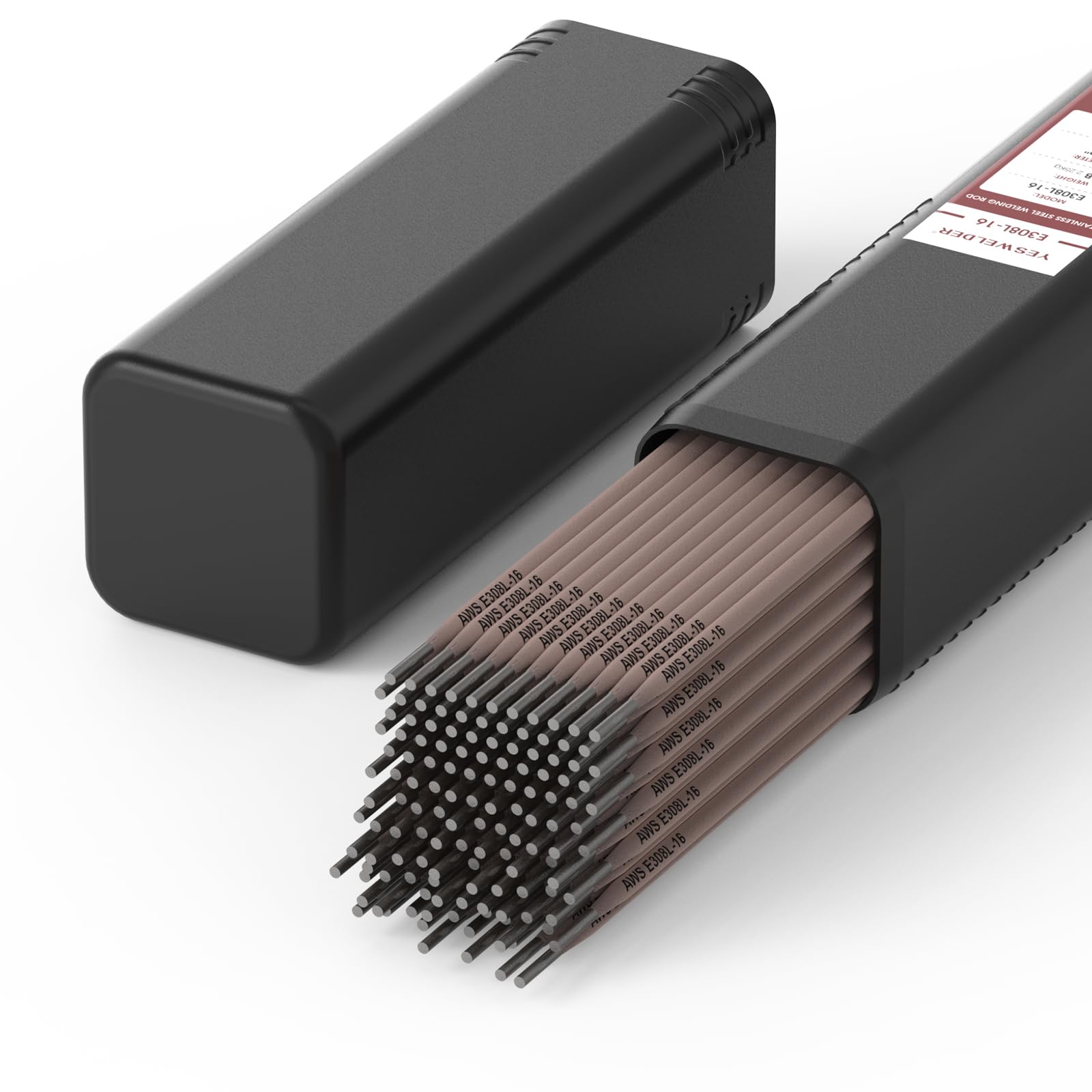 |
5.26 pounds | Stainless Steel | 14.09 x 2.44 x 2.44 inches |
Wrapping Up
Pick the process first, then the rod class and diameter for your joint gap. TIG with ER70S-6 gives a controlled root, and the stick rods here suit tight-fit joints and general fabrication. Check each listing for current price and return terms before you order.