The best welding rods for home repairs depend on your machine and the metal in front of you. This guide compares 10 welding rods from Amazon: four E6013 stick packs and a J422 pack for general mild steel work, one E6011 pack for dirty or rusty steel, two ER70S-6 TIG filler packs, a hardfacing rod and a low-temperature aluminum brazing rod. Match the rod to the process first, then to the size and pack count.
The notes come from the seller listings and general welding practice, not from hands-on testing. Check diameter, pack weight and any amperage guidance on the live listing before you buy.
Top Picks
|
Category |
Product |
|---|---|
|
Low-temp aluminum brazing |
|
|
E6013 1/8 in, small pack |
|
|
E6013 3/32 in, 60 pieces |
|
|
E6013 3/32 in, 1 lb |
|
|
E6011 stick electrodes |
|
|
E6013 3/32 in, 5 lb bulk |
|
|
ER70S-6 TIG filler, 5 lb |
|
|
Hardfacing rod |
|
|
ER70S-6 TIG filler, 5 lb (second brand) |
|
|
J422 stick rods, 1 lb |
How to Choose Welding Rods for Home Repairs
Each pick is described from its Amazon listing. No scores or star ratings are shown because none of these products were tested for this page.
- Process: stick electrodes (E6013, E6011, J422, hardfacing) need a stick-capable welder. ER70S-6 rods are TIG filler. The aluminum rods are for torch brazing.
- Metal: E6013 and J422 suit clean mild steel. E6011 copes better with rust and paint. Hardfacing rebuilds worn faces.
- Size: 3/32 in rods suit lower-amp machines and thinner steel. Thicker rods need more amps.
- Pack size: small packs for trying a rod, bulk packs for regular use.
- Strength: structural or pressure work needs a qualified procedure and the correct rod class, not a general-purpose pick.

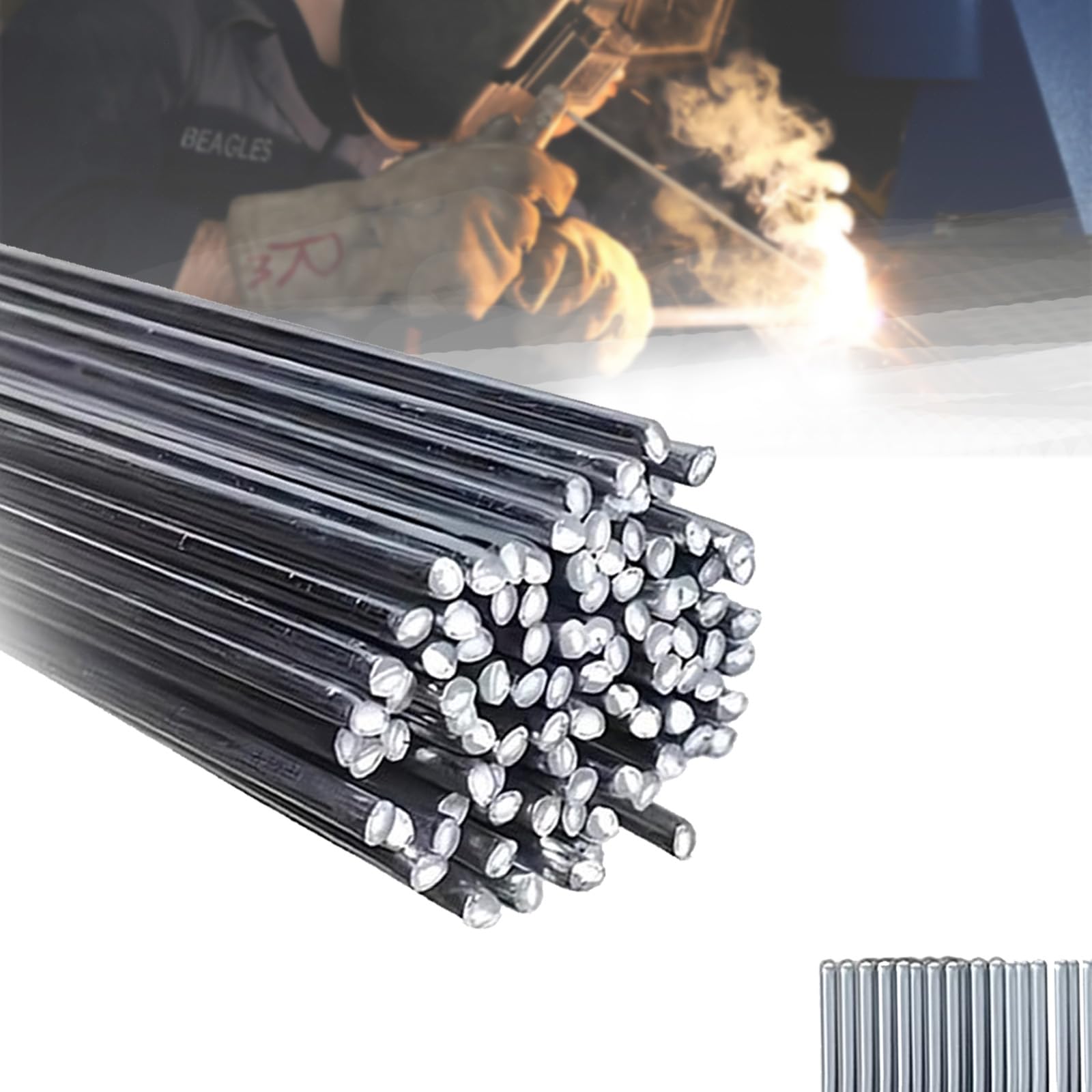
Sixty low-temperature aluminum brazing rods, 1/16 in x 13 in, listed at 572 to 752 F with built-in flux. For torch repairs on clean aluminum, not for steel and not for load-bearing parts.
Buyer Feedback to Check
Check recent reviews for the torch and heat buyers used and the thickness of aluminum they joined.
Situational Benefits
|
Situation |
How It Helps |
|---|---|
|
Small Aluminum Repairs |
You can braze cracks, seams and thin panels with a torch so you don’t need an arc welder for light fixes. |
|
Auto Trim and Bodywork |
The thin rods let you fill pinholes or tack small patches without overheating surrounding metal. |
|
HVAC and Radiator Patching |
Low melt temperature and built-in flux help form seals on aluminum tubing and fins when you need a quick field repair. |
|
Hobby and Camping Gear |
You can repair bike racks, camping cookware or aluminum brackets on the spot with a compact torch and minimal setup. |
DIY Guide
Start by cleaning the aluminum to bare metal with a wire brush or sandpaper to remove oxide. Clamp parts if possible so you control alignment. Heat the base metal evenly with your torch rather than melting the rod directly, then touch the rod to the molten area so the filler flows into the joint; the built-in flux helps wet the surface. Work in short passes, allow cooling between layers if you build up material, and finish by filing or sanding the bead smooth.
Always wear eye protection, gloves and ensure good ventilation when brazing.
Key Features
- Low melting range that works with propane and MAPP torches
- Built-in flux for cleaner bonding and less prep
- Thin 1/16″ sticks for precision on small joints
- 60-piece pack keeps you stocked for multiple jobs

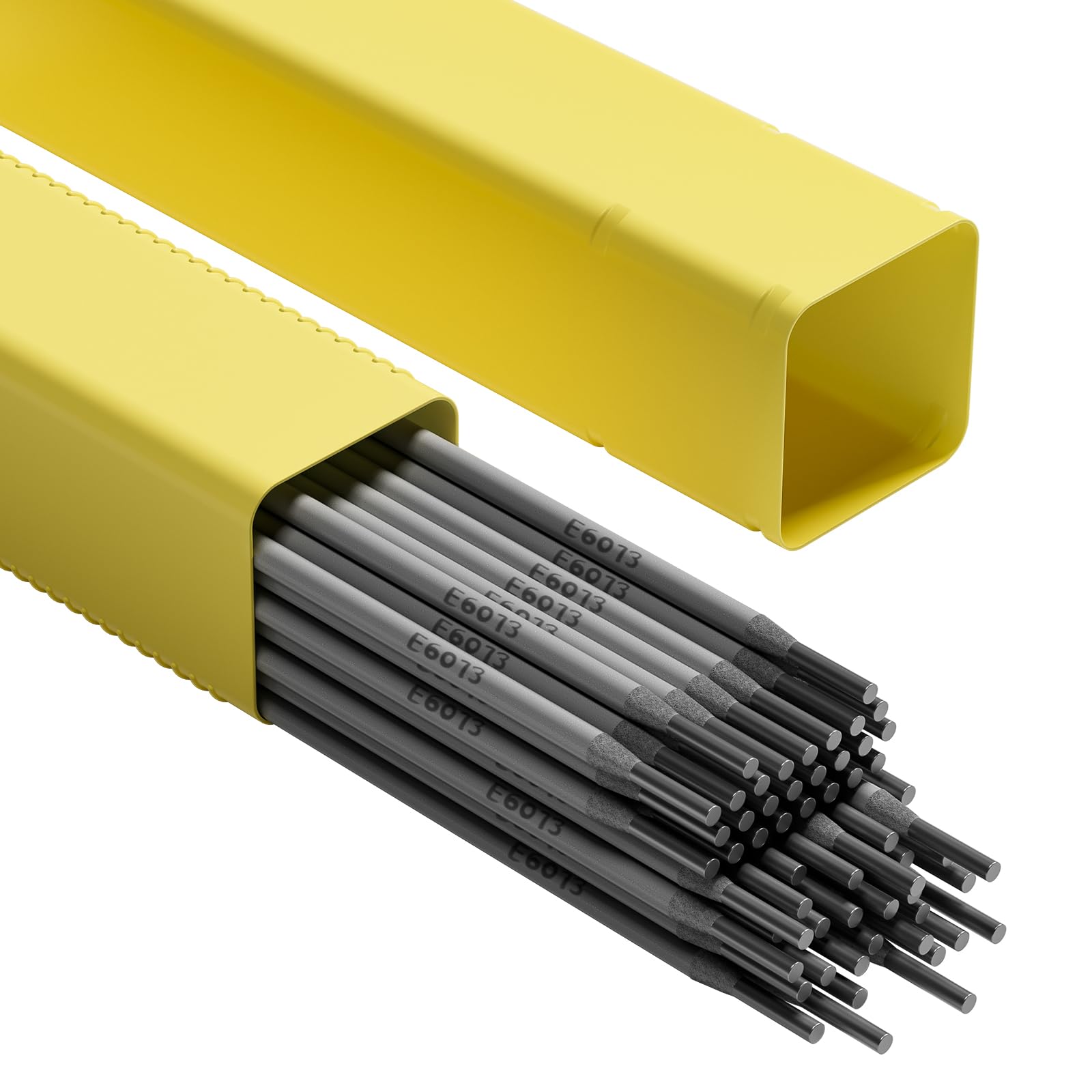
E6013 1/8 in carbon steel electrodes in a small pack, listed as AC/DC compatible with an easy arc start and low spatter. A fit for light fabrication on clean mild steel.
Buyer Feedback to Check
Read recent reviews for notes on arc starting, slag removal and packaging.
Situational Benefits
|
Situation |
How It Helps |
|---|---|
|
Trailer and Farm Repairs |
Suits light brackets and rough repairs on mild steel. E6013 gives shallow to medium penetration, so it is not the pick for heavy structural joints. |
|
Hobby Fabrication |
Forgiving arc and low spatter make it easier to practice beads and build parts without constant cleanup. |
|
Portable On-Site Work |
Runs on common inverter welders, so you can tackle field fixes with a compact setup. |
|
Learning to Stick Weld |
Smooth arc behavior helps you focus on motion and technique instead of fighting the electrode. |
DIY Guide
Clean paint and rust from weld areas, clamp parts where possible, and set amperage for 1/8″ rod (raise amps slightly if bead seems cold). Scratch arc to start, keep a steady short arc length, and pause to chip slag between passes. Store unused rods in a dry container to keep flux performance consistent.
Key Features
- Easy arc start and stable puddle on AC/DC
- Low spatter for cleaner beads and simpler cleanup
- Protective plastic case for storage and transport
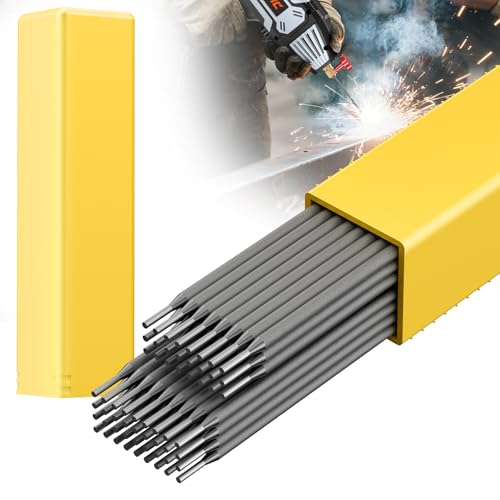
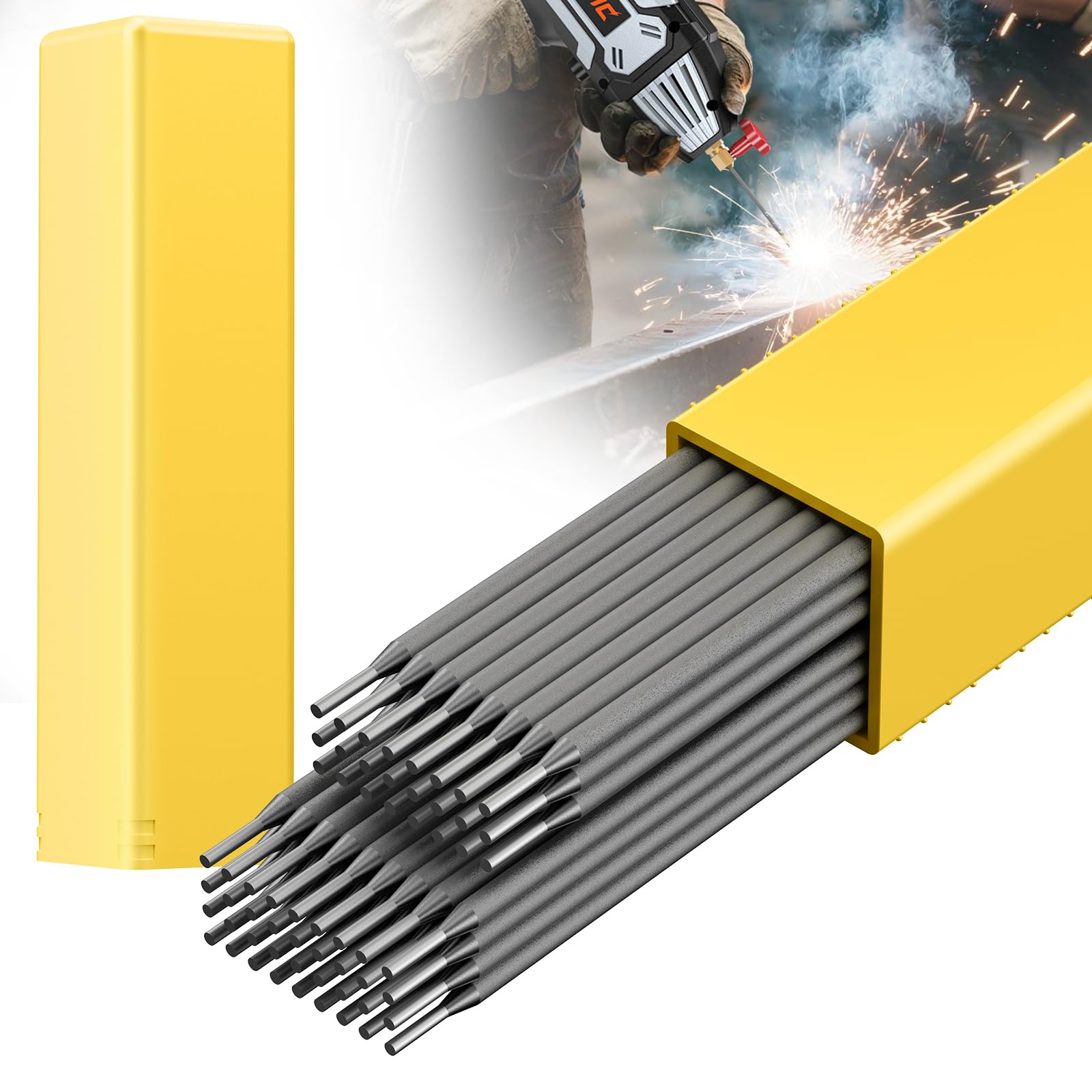
Sixty E6013 3/32 in electrodes, listed as all-position with a stable arc and easy slag removal. The thinner 3/32 in rod suits lower-amp inverter welders and thinner steel.
Buyer Feedback to Check
Look for buyer comments on arc stability and how the rods ran on inverter machines.
Situational Benefits
|
Situation |
How It Helps |
|---|---|
|
Porch and Rail Repairs |
Suits light brackets and rail patches on clean mild steel, with a neat bead. |
|
Trailer and Farm Fixes |
The forgiving arc helps you lay down tidy fillets on light mild steel pieces. |
|
Learning Stick Welding |
A stable puddle and easy arc start let you focus on motion and technique instead of constantly correcting the weld. |
|
On-Site Portable Work |
AC/DC compatibility and predictable behavior mean you can use common inverter setups without surprises. |
DIY Guide
Clean paint and rust from the joint, clamp parts where practical, and set amperage appropriate for 3/32″ rod. Use a short, steady arc length and scratch or tap to start. Let slag cool briefly between passes and chip it off before the next layer.
Keep unused rods dry to preserve flux performance.
Key Features
- Low spatter that reduces cleanup time
- True all-position performance for awkward spots
- Works well on AC or DC inverter welders
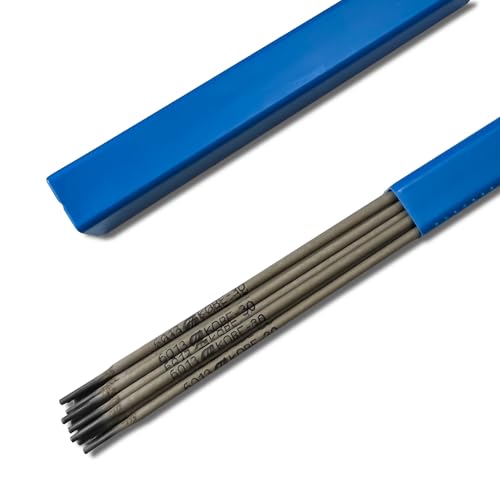
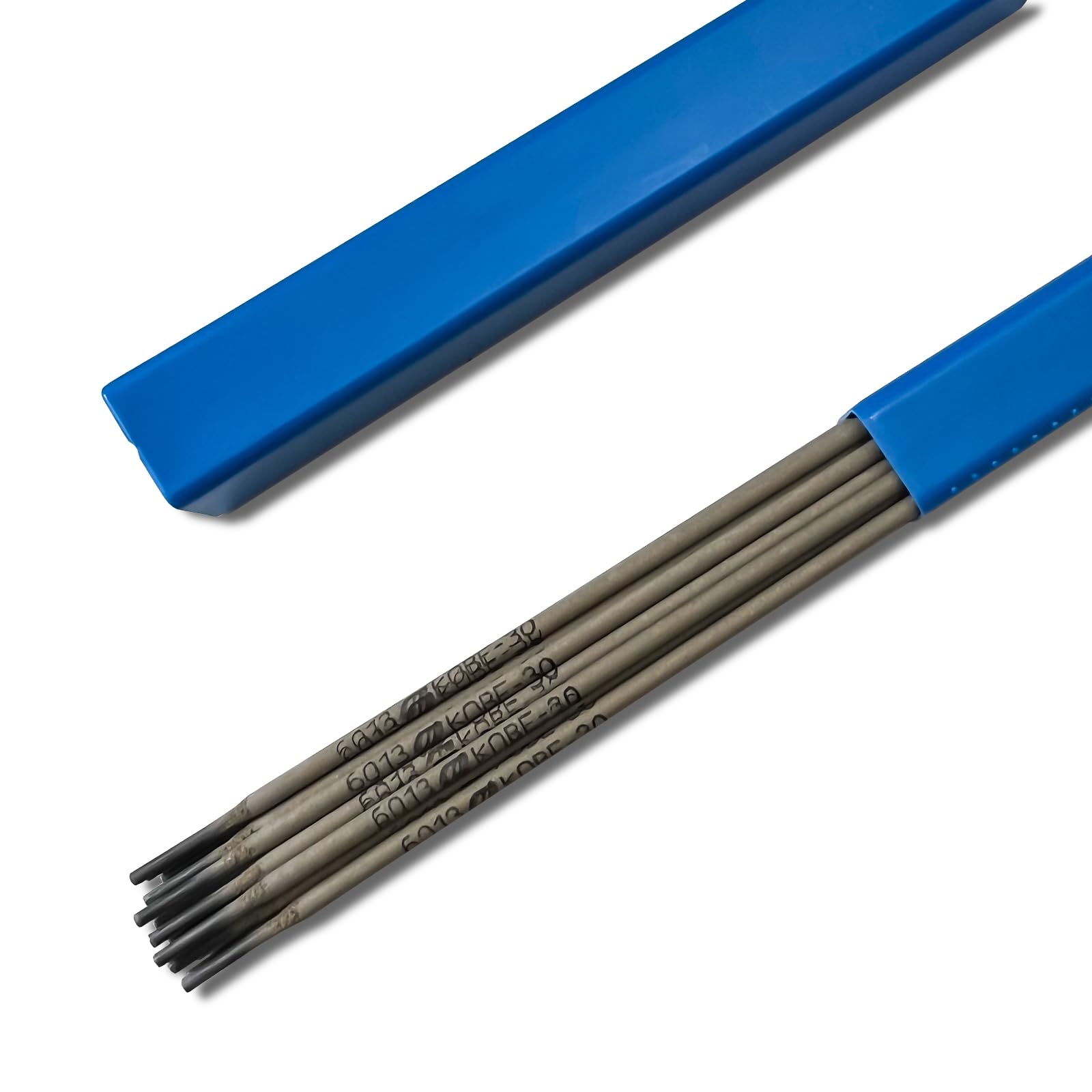
A 1 lb pack of 3/32 in E6013 electrodes, listed for all-position use with low spatter. A small pack to try before buying in bulk.
Buyer Feedback to Check
Check recent reviews for how the rods ran on your type of machine and for rod condition on arrival.
Situational Benefits
|
Situation |
How It Helps |
|---|---|
|
Porch and Rail Repairs |
Suits brackets and patches on light mild steel, with a tidy bead. |
|
Hobby Fabrication |
A forgiving arc makes it easier to practice beads and build small projects without constant rework. |
|
Remote or Ranch Work |
Runs well on common inverter and transformer welders, so you can fix gear in the field with predictable results. |
|
Learning Stick Welding |
Smooth arc behavior helps you focus on motion and technique instead of fighting the electrode. |
DIY Guide
Clean paint, rust and oil from the joint so the rod can bond properly. Clamp pieces if possible and set amperage suitable for 3/32″ rod. Use a short, steady arc length and start with a scratch or tap to establish the arc.
Work in short passes, chip slag between layers, and store unused rods in a dry container to protect the flux.
Key Features
- Low spatter that cuts cleanup time
- True all-position performance for awkward joints
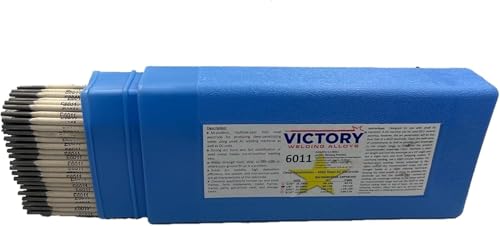
E6011 stick electrodes, which run on AC or DC and dig deeper than E6013. A sensible choice for rusty, painted or dirty steel when you cannot clean to bright metal. Confirm diameter and pack weight on the listing.
Buyer Feedback to Check
Look for comments about the box size, rod diameter and how the rods ran on rusty steel.
Situational Benefits
|
Situation |
How It Helps |
|---|---|
|
Rusty or Painted Metal |
Designed to handle surface contaminants so you can weld without perfect cleaning when the job calls for practical fixes. |
|
Structural Gussets and Brackets |
E6011 digs deeper than E6013, which helps on thicker or dirtier steel. Structural work needs a qualified procedure. |
|
Farm and Yard Repairs |
Robust arc stability and predictable behavior let you fix implements and trailers in the field. |
|
General Shop Work |
Consistent beads and easy slag removal speed up the cleanup and finishing process on everyday projects. |
DIY Guide
Remove loose scale and heavy paint but know this rod tolerates some contamination. Clamp pieces if possible, then set amperage appropriate for your electrode diameter and test on scrap to dial it in.
Maintain a steady short arc, use consistent travel speed for even beads, and chip slag between passes. Store the box in a dry place to keep flux performance reliable.
Key Features
- Strong penetration for thick or dirty steel
- Stable arc that behaves under load

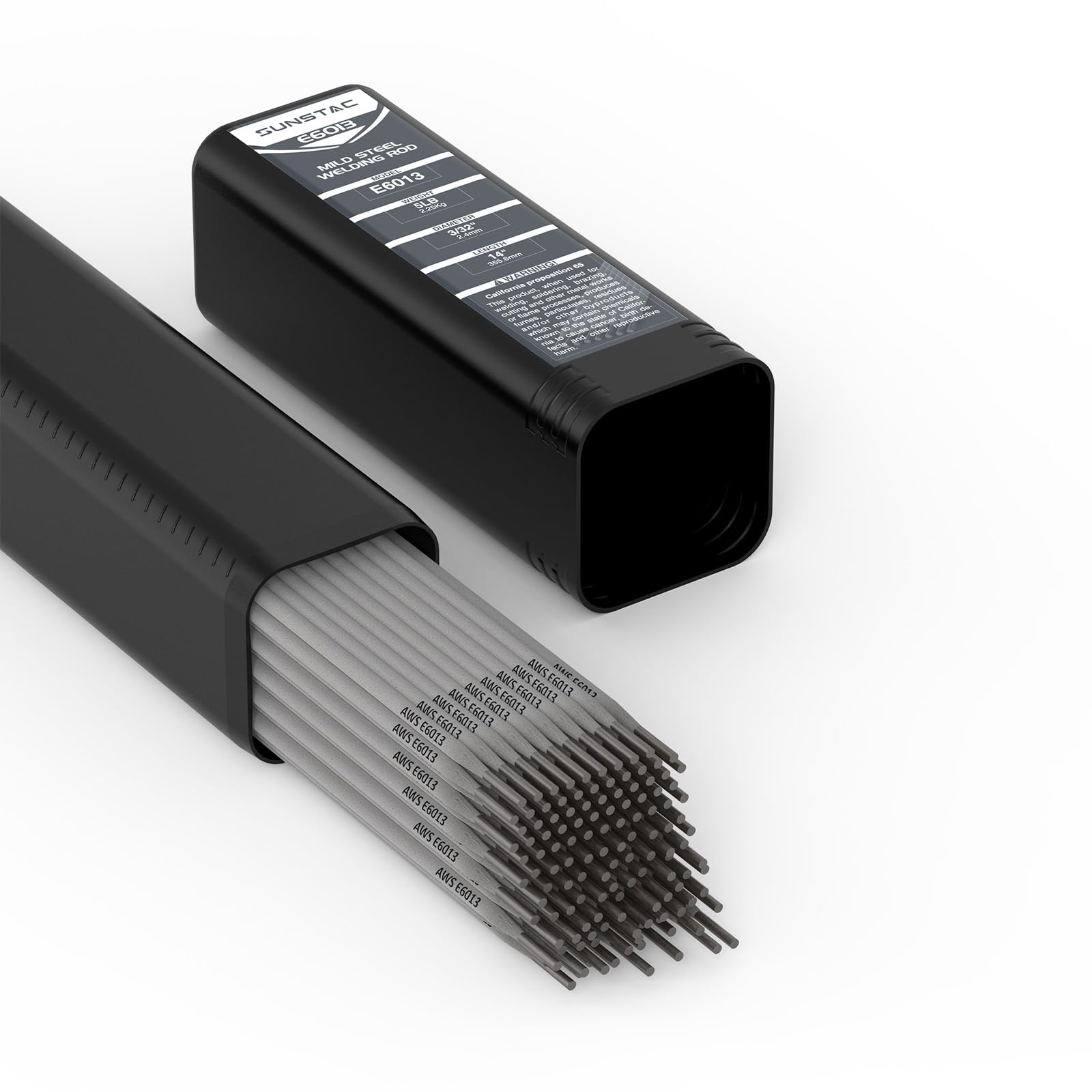
A 5 lb pack of 3/32 in E6013 electrodes listed as all-position with low spatter. The bulk pack suits regular stick welding on mild steel.
Buyer Feedback to Check
Check recent reviews for rod condition and moisture protection in the bulk pack.
Situational Benefits
|
Situation |
How It Helps |
|---|---|
|
Home and Shop Repairs |
Suits common light fixes like hinges, brackets and railings on mild steel. |
|
Fabrication Projects |
All-position capability lets you tack and build parts in place without needing to reposition components constantly. |
|
Routine Maintenance |
Low spatter and easy slag removal reduces grinding and cleanup time so you finish jobs faster. |
|
Frequent Use |
The 5 lb pack keeps you stocked so you can work through multiple jobs without restocking often. |
DIY Guide
Remove loose paint and heavy rust, clamp parts if possible, then set amperage suitable for 3/32″ rod on your machine. Use a short, steady arc length and start with a scratch or tap to establish the arc. Move at a consistent travel speed, chip slag between passes, and store leftovers in a dry container to protect the flux.
Key Features
- Stable arc that’s easy to control
- Low spatter for less cleanup
- All-position versatility for awkward joints
- Bulk 5 lb pack suited to regular use

A 5 lb pack of ER70S-6 mild steel TIG filler, 1/16 in x 16 in per the listing. ER70S-6 carries extra deoxidizers that tolerate light mill scale. It needs a TIG welder and shielding gas.
Buyer Feedback to Check
Read recent reviews for notes on rod straightness, length and packaging.
Situational Benefits
|
Situation |
How It Helps |
|---|---|
|
Panel Work and Thin Plate |
Short rods let you feed filler precisely without fighting long stock in cramped positions. |
|
Practice and Learning |
Easier handling helps you focus on torch control and bead technique during training sessions. |
|
On-Table Fabrication |
Good puddle control and consistent chemistry make it simpler to build small assemblies and tacks. |
|
Touch-Ups and Repairs |
Convenient rod length lets you perform quick repairs without swapping to longer filler sticks. |
DIY Guide
Clean the joint to bare metal, set your TIG machine for mild steel and choose an amperage suited to plate thickness. Hold a steady torch angle and dip the rod into the leading edge of the puddle, feeding smoothly rather than stabbing. Keep filler rods free of oil and contaminants—wipe with acetone if needed—and store unused rods in a dry place.
If you need long continuous runs, consider joining short sticks or using full-length filler instead.
Key Features
- Consistent ER70S-6 chemistry for reliable mild steel welds
- Short 16″ length makes handling and practice easier

Forney 42401 Supercote hardfacing electrode, 5/32 in, 1 lb per the listing, for moderate abrasion and low-impact resurfacing. Not a general-purpose rod: use it to rebuild worn edges and faces.
Buyer Feedback to Check
Look for comments on the deposit hardness and how buyers machined or ground it.
Situational Benefits
|
Situation |
How It Helps |
|---|---|
|
Anvil and Tool Refacing |
Builds up worn faces so you can grind and restore shape without using exotic filler materials. |
|
Machine Part Buildup |
Adds a wear layer to cast or mild steel components to extend service life under moderate abrasion. |
|
Repairing Worn Edges |
Lets you add material to chips and gouges, then forge or grind the deposit back to spec. |
|
Shop and Hobby Hardfacing |
Provides a predictable, easy-to-run option for occasional hardfacing projects without special procedures. |
DIY Guide
Preheat the workpiece if recommended and clean loose scale for better bonding. Follow the polarity and amperage range printed on the rod package, and lay down consistent layers rather than a single heavy pass.
Allow deposits to cool between layers if building up thickness, then grind or forge the surface to shape. Wear proper PPE and test on scrap if you’re unsure of settings.
Key Features
- Smooth arc action for controlled deposition
- Easy slag removal that speeds cleanup
- Suitable hardness for moderate abrasion applications
- Forgable deposits that can be ground and shaped

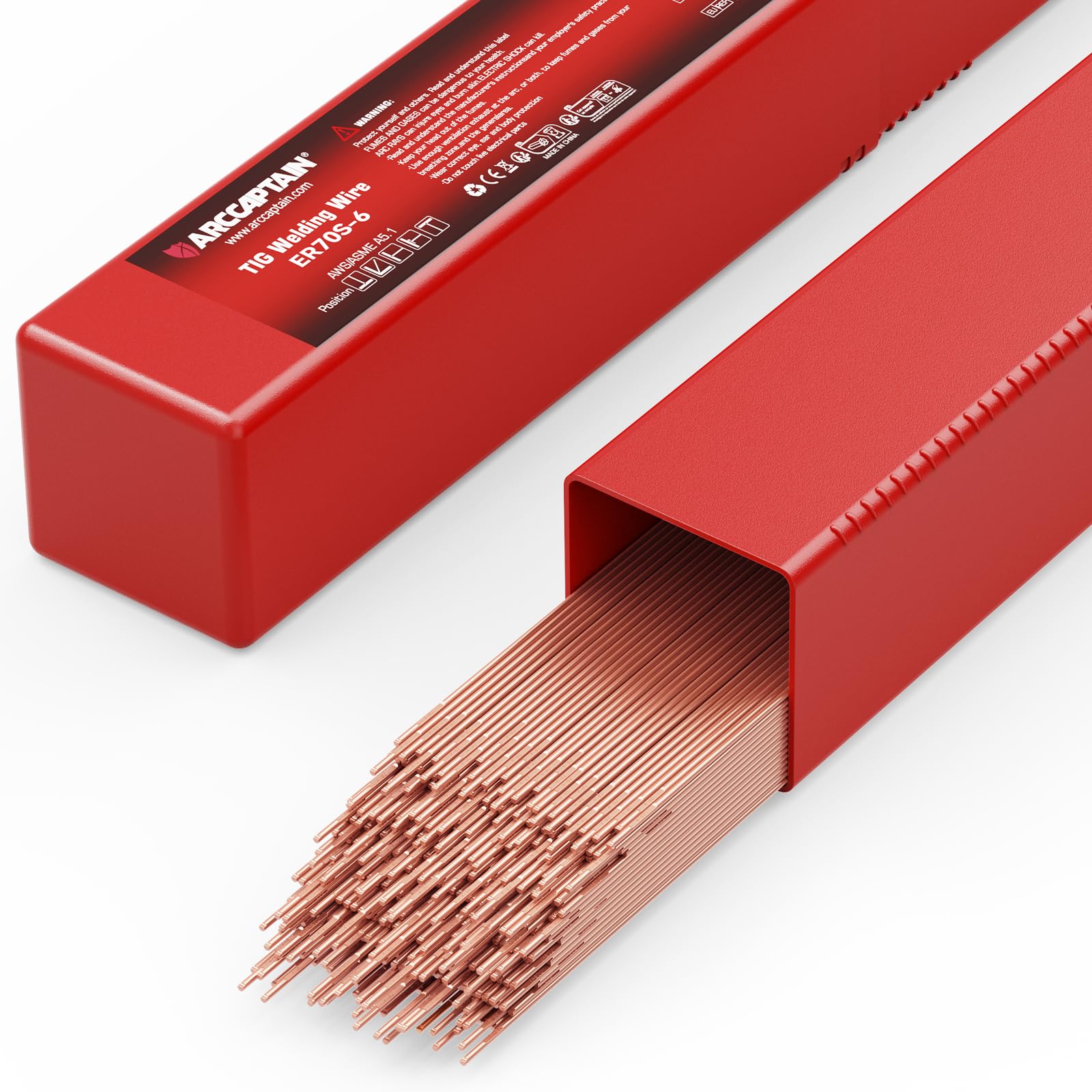
A second 5 lb ER70S-6 TIG pack in the same 1/16 in x 16 in size per the listing. Compare it with the YESWELDER pack on current price and brand preference.
Buyer Feedback to Check
Read recent reviews for notes on rod length, straightness and packaging.
Situational Benefits
|
Situation |
How It Helps |
|---|---|
|
Panel Repairs |
Short rods let you feed filler precisely when working on thin sheets or automotive panels in cramped areas. |
|
Practice and Skill Building |
Easier handling helps you focus on torch movement and bead consistency during training sessions. |
|
Small Fabrication |
Provides predictable filler for building small assemblies and making neat tacks. |
|
Touch-Ups |
Convenient length and chemistry make quick repairs simpler without swapping to different filler. |
DIY Guide
Clean the joint to bare metal, set your TIG machine for mild steel and choose an amperage suited to plate thickness. Hold a steady torch angle and feed the rod into the leading edge of the puddle, keeping motion smooth. Wipe rods with acetone if contaminated and store unused rods dry.
For long continuous runs consider joining short sticks or switching to full-length filler.
Key Features
- Consistent ER70S-6 chemistry for reliable welds
- Short 16″ length improves handling in tight areas

A 1 lb pack of 3/32 in J422 carbon steel electrodes. J422 is generally treated as comparable to E6013, though you should check the listing. Listed for easy arc strike and simple slag removal on light to medium steel.
Buyer Feedback to Check
Check recent reviews for arc starting and slag removal, and confirm the rod diameter.
Situational Benefits
|
Situation |
How It Helps |
|---|---|
|
Beginner Practice |
You get a forgiving arc that lets you focus on motion and technique instead of fighting the electrode. |
|
Handheld Portable Welding |
They run well in compact welders so you can handle on-site or field fixes without surprises. |
|
Light Fabrication |
Consistent bead formation makes building small assemblies and brackets more predictable. |
|
Routine Repairs |
Low spatter and easy slag removal reduce grinding and speed up finishing on common repair jobs. |
DIY Guide
Clean loose rust, paint and oil from the joint, then clamp parts if possible. Set amperage appropriate for 3/32″ electrodes and test on scrap to dial it in.
Use a short, steady arc length and maintain consistent travel speed, chipping slag between passes. Store unused rods in a dry container to preserve flux performance.
Key Features
- Easy arc strike that helps you get started quickly
- Low spatter and manageable slag for faster cleanup
Related guides: Welding Rods for Newbies: 10 Stick and TIG Starter Picks | E6013 3/32 Welding Rod Review: Arc, Amps, Pros & Cons | Best Welding Rods: 10 Top Picks for Repairs
Frequently Asked Questions
Which welding rod is best for home repairs?
For clean mild steel, E6013 is a common beginner choice because it is listed as easy to start and low in spatter. For rusty or painted steel, E6011 is usually the better pick. Use TIG filler such as ER70S-6 only with a TIG welder and shielding gas.
What does E6013 mean?
E stands for electrode, 60 means 60,000 psi minimum tensile strength, the 1 means all-position use, and the last digit describes the coating and current type. Always check the manufacturer data for the exact rod.
Can brazing rods replace stick electrodes?
No. The aluminum brazing rod in this list is for torch repairs on aluminum. It does not replace stick electrodes on steel, and brazed joints are not suitable for load-bearing parts.
What is the difference between E6013 and J422?
J422 is a Chinese-standard carbon steel electrode generally treated as comparable to E6013. Check the listing for diameter, current type and usage notes.
How should I store welding rods?
Keep stick electrodes in a dry container or their original packaging, and keep TIG rods clean and free of oil. Damp flux can cause porosity and a rough arc.
Which Rod Should You Pick?
- Learning stick welding on clean steel: start with a small E6013 or J422 pack.
- Rusty or painted steel: look at the E6011 pack.
- TIG welder: choose an ER70S-6 pack for mild steel.
- Worn edges and tools: the Forney Supercote hardfacing rod is the specialist option.
- Aluminum with a torch: use the brazing rods for light repairs only.
Wrapping Up
There is no single best rod. A small pack of E6013 or J422 covers light mild steel jobs, E6011 helps when the metal is dirty, and ER70S-6 serves TIG welders. Test every rod on scrap, wear a proper helmet and gloves, and ventilate the work area.
| Product Name | Image | Material (per listing) | Item Weight | Size |
|---|---|---|---|---|
| 60 Pcs Low Temp Aluminum Brazing Rods |
 |
Aluminum with built-in flux | 2.71 ounces | 1/16″ x 13″ |
| E6013 Welding Rods 1/8” 14” 2.5LB |
 |
Carbon Steel | 2.27 pounds | 1/8″ x 14″ |
| E6013 Welding Rods 3/32″ (60 PCS) |
 |
Carbon Steel | 2.31 pounds | 3/32″ |
| E6013 Welding Rod 3/32″ 1LB |
 |
Carbon Steel | 1.17 pounds | 3/32″ (1LB) |
| 6011 Welding Rod 1/8″ |
 |
Carbon Steel | 5 pounds | 1/8″ x 14″ |
| E6013 Welding Rod 3/32″ 5LB |
 |
Carbon Steel | 5.21 pounds | 3/32″ 5LB |
| YESWELDER Mild Steel TIG Welding Rod ER70S-6 |
 |
ER70S-6 Mild Steel | 5 pounds | 1/16″ x 16″ |
| ARCCAPTAIN Mild Steel TIG Welding Rod ER70S-6 |
 |
ER706-S Mild Steel | 5.41 pounds | 1/16″ x 16″ |
| 3/32″ Welding Rod J422 |
 |
Carbon Steel | 15.8 ounces | 3/32″ 1LB |
| Forney 42401 Supercote Hardfacing Welding Rod |
 |
Super Hard Facing | 8 ounces | 5/32″ |