Welding rods for rusty metal should be E6010 or E6011 stick electrodes, or ER70S-2 or ER70S-6 TIG filler, used after you grind or wire-brush off loose rust. No rod makes a strong weld through heavy rust, scale or paint.
Of the ten products below, only the two E6013 packs and the ER70S-2 TIG rod are real steel welding rods. The other seven are low-temperature or brazing rods that will not weld rusty steel. Details come from each Amazon listing; Garage Welding has not run these products in the shop.
As an Amazon Associate I earn from qualifying purchases. Buying through these links costs you nothing extra.
Top Picks: Welding Rods for Rusty Metal Compared
|
Use case |
Product |
|---|---|
|
Beginner Pack |
|
|
For Aluminum Brazing |
|
|
Small Starter Pack |
|
|
Easy-Arc Rods |
|
|
For Cosmetic Repairs |
|
|
For Thicker Steel |
|
|
For Rusty Steel |
|
|
Value 24-Pack |
|
|
For Non-Structural Fixes |
|
|
Try-It Option |
How to Weld Rusty Metal
- Clean to bright metal. Grind, flap-disc or wire-wheel the rust, scale and paint at least an inch back from the joint. Rust causes porosity and weak fusion.
- Pick a tolerant rod. E6010 and E6011 are known for deep penetration through light rust and dirt. E6013 and E7018 want clean metal. ER70S-2 and ER70S-6 TIG fillers contain deoxidizers, which help on lightly dirty steel.
- Do not rely on low-temperature rods. The "universal" low-melt rods and aluminum brazing rods in this list do not weld steel and are not for structural repairs.
- Remove coatings. Do not weld over galvanizing, paint or oily rust. The fumes are hazardous, so use ventilation and a suitable respirator.
Which of These Ten Suit Rusty Steel?
- Faiuot E6013 (3/32 and 1/8 inch): real steel electrodes, but they need cleaned metal.
- Weldcote ER70S-2: TIG filler with deoxidizers; the listing says usable on rusty or dirty surfaces with caution.
- Tandefio, Zuylikxy, WinldMonmo, WLngtv, Galepromot and Enyolidimk low-temperature rods and the Ouwinway aluminum brazing rods: not for rusty steel and not for structural work.
How These Rods Were Picked
The list uses the titles, sizes, pack counts and descriptions on the Amazon listings. Garage Welding has not tested these products, so there are no scores or test results here. Confirm the type, diameter and what metals each rod is rated for before you order.
The 10 Rods Compared

These Tandefio rods are meant to be a handy all-in-one option when you need a low-temperature filler that melts easily with a torch. You can use them for quick cosmetic fixes, patching holes, or small fabrications where you don’t want to overheat thin metal.
They’re sold in a 24-piece pack so you’ve got spares when you test technique or break a few sticks. If you’re trying filler sticks for the first time, they’re worth a try, but plan to practice your heating approach and work in a well-ventilated space.
Situational Benefits
|
Situation |
How It Helps |
|---|---|
|
Cosmetic Scratches and Small Holes |
You can fill and smooth surface defects without high heat that warps thin panels, giving a tidy, cosmetic finish. |
|
Quick Field Repairs |
When you need a fast patch with a propane torch, these rods melt quickly so you can stop leaks or hold parts temporarily. |
|
Learning and Practice |
You get enough sticks to experiment with torch angle and temperature, which helps you dial in technique before tackling important pieces. |
|
Non-Structural Art or Craft Projects |
For metal art or decorative joins where tensile strength isn’t critical, the easy-melt rods let you add material cleanly and control the look. |
Versatility
These rods claim to work on aluminum, stainless steel, and iron and are aimed at torch users rather than arc welders. They handle thin materials and decorative tasks well, but they’re not a substitute for proper filler rods meant for structural steel welding.
Key Benefits
- Low melting temperature for easy flow
- Advertised for aluminum, stainless and iron
- Comes in a 24-piece pack for practice
- Good for cosmetic and non-structural repairs

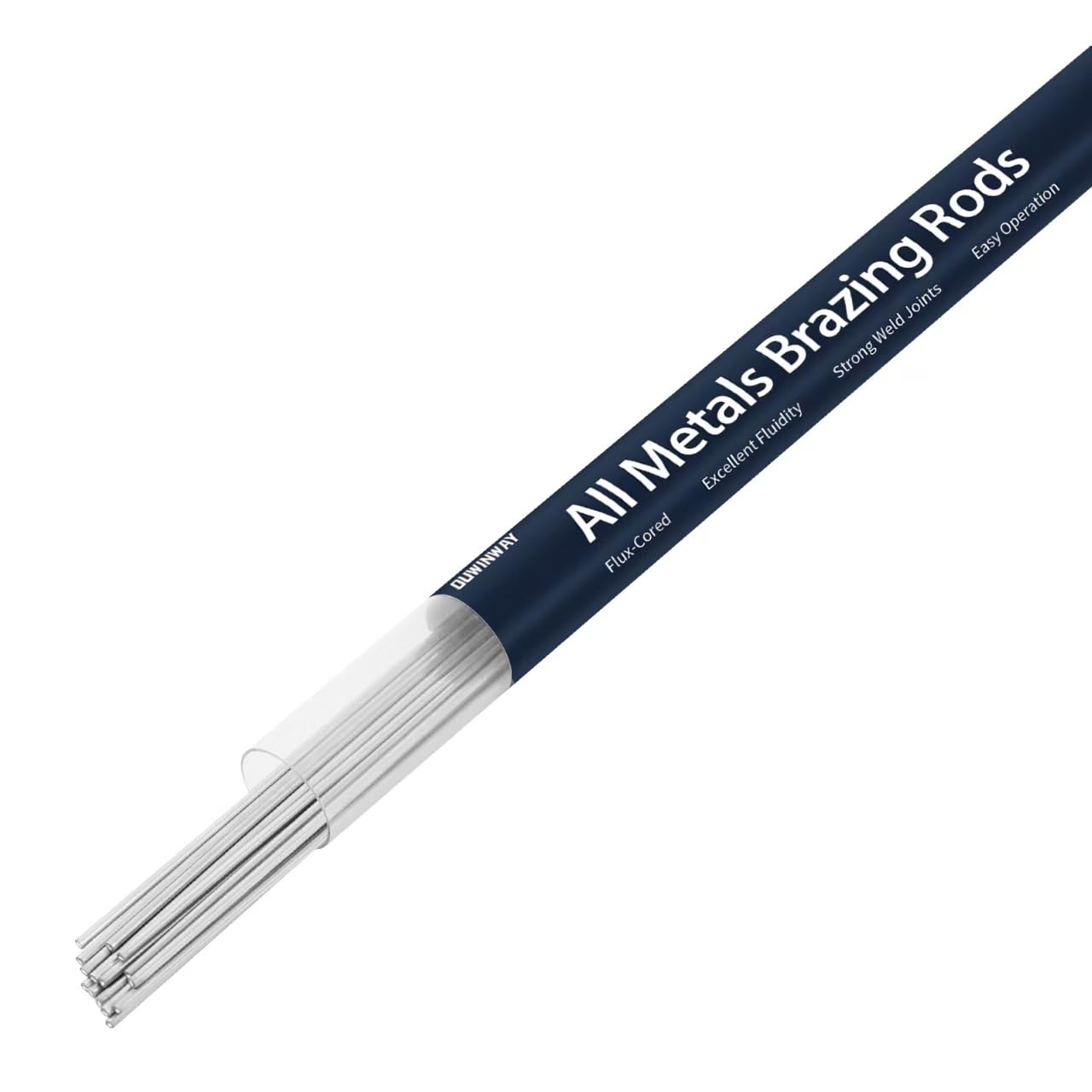
These All Metal brazing rods are built for torch users who need a straightforward way to join or seal aluminum without a full welding rig. You can use them to seal joints, patch aluminum plates, or tack small parts in place with a propane torch.
They flow when the base metal is properly heated, which makes them handy for boat trim, sheet repairs, and DIY enclosures. Expect a learning curve: heat the workpiece, not the rod, and practice on scrap to control flow. If you want a portable option that gets the job done for non-structural aluminum work, these are a sensible tool to keep in your kit.
Situational Benefits
|
Situation |
How It Helps |
|---|---|
|
Sealing Aluminum Plates |
They flow into seams once the plate is evenly heated, making it easier to stop leaks and keep moisture out. |
|
Attaching Small Parts |
For nuts, tabs, and light brackets you can tack pieces together without a welder, saving time on quick fixes. |
|
Boat and Trailer Repairs |
When you need spot repairs on aluminum trim or panels, these rods allow on-site fixes with a propane torch. |
|
Learning Brazing Technique |
The rods are forgiving enough for practice, letting you learn proper heat control and application before tackling important parts. |
Versatility
These rods are best suited to aluminum and light alloy work with a torch, and they handle small to medium repairs well. They’re not meant for structural steel welding or heavy load-bearing joints, so use them for sealing, cosmetic fixes, and craft projects rather than critical fabrications.
Key Benefits
- Flux-core design for easier flow with a torch
- Sized for small repairs and hobby projects
- Boxed pack keeps rods organized
- Works well on aluminum when applied correctly

These six low-temp rods are aimed at quick, small repairs where you want material to flow without blasting the part with heat. You can use them to fill holes, tack lightweight pieces, or tidy up cosmetic defects on thin panels.
They’re easy to carry for on-the-spot patches and useful if you’re practicing torch control, but expect variable consistency and test on scrap before trusting them on anything important. If you need a compact option for non-structural fixes, they’re worth trying with caution.
Situational Benefits
|
Situation |
How It Helps |
|---|---|
|
Filling Trash Can Holes |
You can melt material into thin sheet metal gaps to plug small holes without heavy equipment. |
|
Quick Field Patch |
They let you tack or seal a part on the go with a torch, though bonds may be weak under stress. |
|
Practice Sessions |
A small set is useful for you to practice torch angle and temperature before working on important pieces. |
|
Decorative Metal Work |
For art or non-structural joins you can add filler material cleanly and shape the finish. |
Versatility
Best suited to thin aluminum and light alloy tasks with a torch. Not intended for structural steel or load-bearing welds and performs inconsistently across heavier materials.
Key Benefits
- Low melting point for quick flow
- Compact 6-piece pack for field work
- Works on thin aluminum and similar metals
- Good for practicing heat control

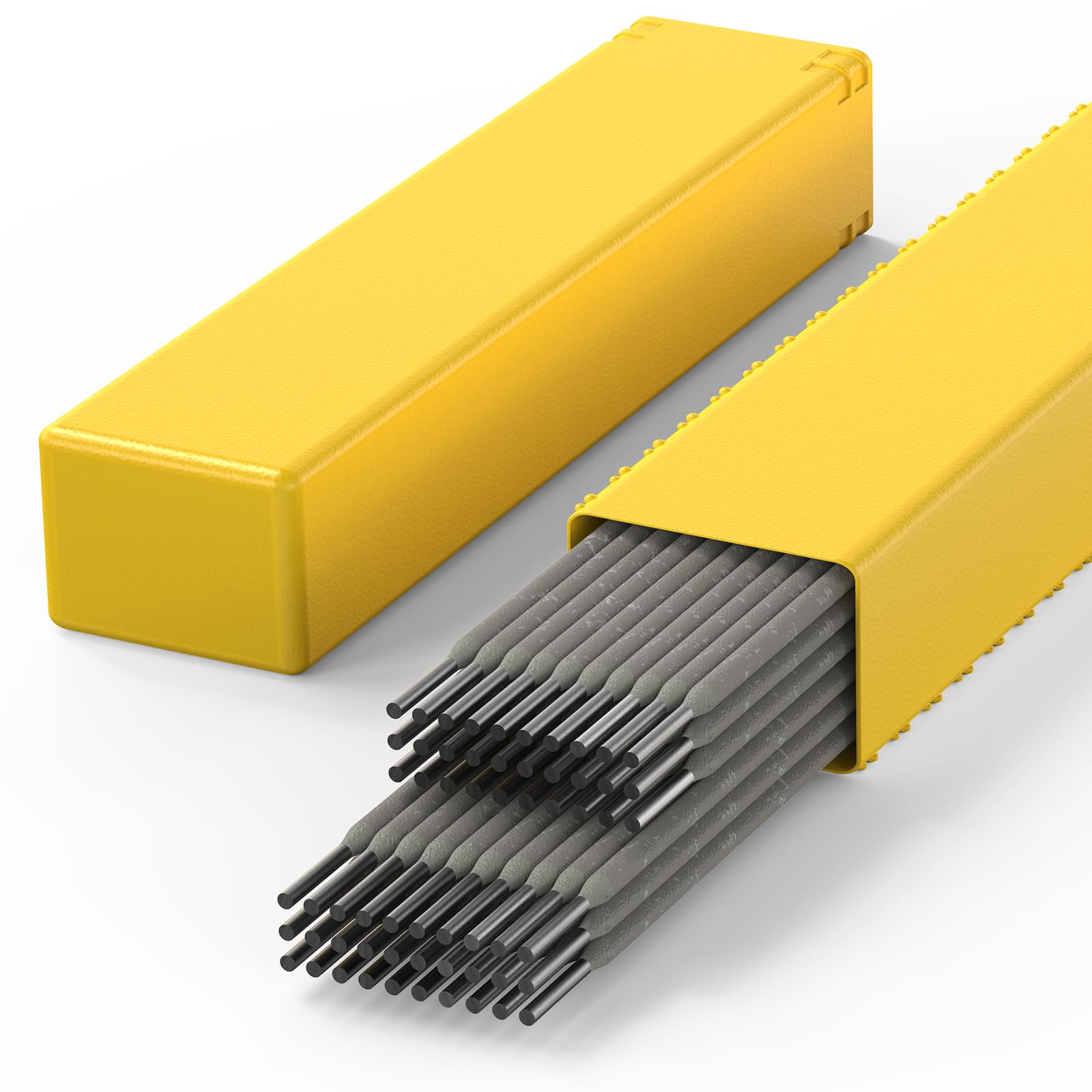
These E6013 rods are the kind of reliable, no-nonsense electrodes you reach for when you need steady results on mild steel. You’ll find they strike an arc easily, which cuts down on wasted time and frustration, and they produce minimal spatter so cleanup is quicker.
Use them for patching mower decks, repairing frames, or general light fabrication where you want a steady arc without overdoing the heat. They work well on both AC and DC machines, so they’re a handy, versatile choice for your toolbox.
Situational Benefits
|
Situation |
How It Helps |
|---|---|
|
Home Repairs |
You can quickly fix garden tools, mower decks, and brackets with minimal cleanup. |
|
Light Fabrication |
They let you tack and stitch small assemblies without burning through thin metal thanks to predictable heat input. |
|
Beginners Learning |
The easy arc start reduces frustration while you practice striking and maintaining a steady weld. |
|
Mixed Power Setups |
AC/DC compatibility means you won’t need special gear if your workshop uses different machines. |
Versatility
These E6013 electrodes are best for low-carbon steel tasks across home repair and light fabrication. They aren’t meant for high-strength alloy work or heavy structural welds, but they cover a wide range of everyday jobs and fit both AC and DC stick welders.
Key Benefits
- Easy arc start for less fiddling
- Low spatter for cleaner welds
- AC/DC compatible for flexible use
- Consistent rods and a steady arc

These six easy-melt rods are meant to be a grab-and-go option when you need to tack small pieces or fill thin metal without firing up heavy equipment. You can use them for quick cosmetic fixes, light patching, or art projects where appearance matters more than load-bearing strength.
They heat up at relatively low temperatures, so they work well with a small torch but demand careful technique to avoid runny or brittle results. If you want a compact pack for occasional touch-ups and practice, they can be handy, but treat them as a temporary or cosmetic solution rather than a structural one.
Situational Benefits
|
Situation |
How It Helps |
|---|---|
|
Cosmetic Panel Work |
You can fill and smooth minor surface blemishes without overheating thin metal, keeping the panel shape intact. |
|
On-the-Go Patches |
A small pack is easy to carry for emergency tack-ups or temporary seals when you’re away from your shop. |
|
Practice Sessions |
Limited quantity encourages you to practice heat control and application on scrap before the real job. |
|
Decorative Metal Projects |
For art or non-structural joins you can add filler material and shape the finish without heavy welding gear. |
Versatility
These rods are best for thin aluminum and light alloys with a torch or light heat source. They aren’t suitable for structural steel or load-bearing joints and show mixed results across different metals.
Key Benefits
- Low melting point for gentle heating
- Compact six-piece pack for field use
- Useful for thin-sheet cosmetic repairs
- Good for practicing torch technique
These E6013 rods are a solid, everyday choice when you need dependable stick welding on mild steel. You’ll appreciate how they strike an arc cleanly and stay predictable through longer passes, which makes routine jobs move faster and with less fuss.
Use them for mower decks, brackets, frame repairs, and general shop projects where clean beads and minimal cleanup matter. They work on both AC and DC machines, so if you switch welders or lend tools, you won’t need special electrodes. If you want something that behaves reliably while you focus on the work, these are worth keeping in your kit.
Situational Benefits
|
Situation |
How It Helps |
|---|---|
|
Home Repairs |
You can fix garden tools, mower decks, and light frames with minimal cleanup. |
|
Light Fabrication |
They let you stitch and tack assemblies without burning through thin metals thanks to steady heat control. |
|
Learning and Practice |
The easy arc start reduces early frustration, making it simpler to build technique and confidence. |
|
Mixed Power Setups |
AC/DC compatibility means you don’t need special electrodes if you switch between machines. |
Versatility
Best suited for low-carbon mild steel across shop and home tasks. Not intended for high-strength alloys or critical structural welds, but covers a wide range of everyday repairs and light fabrication.
Key Benefits
- Easy arc start for less setup time
- Low spatter reduces post-weld cleanup
- AC/DC compatibility for flexible use
- Consistent rod quality and a steady arc

If you need a filler rod that behaves predictably on mild steel, this Weldcote ER70S-2 option is a practical pick. You can use it for single-pass TIG work on mild steel and for quick shop repairs where surface cleanliness isn’t perfect.
The added deoxidants help it tolerate rusty or dirty metal better than some other rods, though better-prepared surfaces still yield the strongest welds. It’s a solid choice to keep in your kit when you want a clean, controllable filler for everyday TIG jobs.
Situational Benefits
|
Situation |
How It Helps |
|---|---|
|
Emergency Field Fixes |
You can use these rods for TIG repairs on mild steel where surface prep is limited, though clean metal always welds better. |
|
Routine Shop Work |
They deliver consistent filler for corner and butt joints, reducing guesswork when you’re doing repeatable fabrication tasks. |
|
Learning TIG Technique |
Clean, predictable rods make it easier for you to focus on heat control and bead consistency while you build skill. |
|
Onsite Maintenance |
When parts arrive with surface rust or grime, the deoxidants help you get an acceptable weld without perfect cleaning, though you should still remove loose scale where possible. |
Versatility
Best used on mild and killed steels for TIG applications; it handles a range of common repair and fabrication tasks but isn’t intended for exotic alloys or specialty high-strength steels.
Key Benefits
- Good for single-pass TIG on common steels
- Deoxidants tolerate less-than-perfect surfaces
- Clean rods packaged for easy storage
- Reliable performance across routine repairs

This 24-piece set aims to be an all-purpose kit you keep on hand for light fixes and craft projects. You can use the rods to fill small holes, tack thin panels, or add decorative details without blasting the part with heat. They’re convenient for practice sessions when you’re dialing in torch angle and temperature, and the low melt point helps avoid warping thin metal.
Treat them as a handy supplement for non-structural work rather than a replacement for proper filler rods on load-bearing joints.
Situational Benefits
|
Situation |
How It Helps |
|---|---|
|
Cosmetic Panel Touch-Ups |
You can smooth and fill surface blemishes without heavy heat that would distort thin sheet metal. |
|
Practice and Learning |
A larger pack gives you room to experiment with torch angle and flow before working on real pieces. |
|
Decorative Metalwork |
The easy-melt rods let you build up shapes and add visual detail on small art or craft projects. |
|
Temporary Field Repairs |
For quick, non-structural patches on the go you can make a fast seal, though strength may be limited. |
Versatility
Designed for thin-sheet and light alloy tasks with a torch or light heat source, these rods cover cosmetic fixes and practice work across aluminum, stainless, and iron. They are not intended for structural or high-stress welds.
Key Benefits
- Large 24-piece pack for practice and projects
- Low melting point reduces risk of warping thin metal
- Advertised compatibility with aluminum, stainless, and iron
- Useful for cosmetic repairs and metal art

These Galepromot rods are a tiny, grab-and-go set meant for quick touch-ups and learning how heat and flow behave on thin sheet metal. You can use them to fill small blemishes, tack lightweight pieces, or experiment with torch angle without overheating a panel. They soften at low temperatures, which makes them easy to melt, but that same trait can lead to runny or weak joints if you try structural repairs. Treat this pack as a practice or cosmetic tool rather than a solution for load-bearing work.
Situational Benefits
|
Situation |
How It Helps |
|---|---|
|
Cosmetic Panel Touch-Ups |
You can fill and smooth minor surface blemishes without using high heat that could warp thin metal. |
|
On-the-Spot Tacking |
A small pack is easy to carry for temporary tacks or quick alignment while you prepare a proper repair. |
|
Practice and Learning |
The limited quantity encourages you to experiment with torch angle and temperature on scrap before working on important pieces. |
|
Decorative Metalwork |
For art and non-structural joins you can add shaped filler material and create visual details without heavy welding gear. |
Versatility
These rods are best for thin-sheet, non-structural tasks with a torch or light heat source. They work for cosmetic repairs and craft projects but are not suitable for structural or load-bearing welds.
Key Benefits
- Low melting point for gentle heating
- Compact six-piece pack for portability
- Good for cosmetic fills and decorative work
- Useful for practicing heat control

These six low-temp rods are a small, portable option when you need to tack parts or fill thin metal without a full welding setup. They’re useful for cosmetic fixes, attaching lightweight hooks, or experimenting with torch heat on scrap.
Be aware that the rods can be short and sometimes brittle, so treat them as a practice or temporary solution rather than a structural filler. If you like to carry a compact kit for quick touch-ups or decorative metalwork, these are convenient, but plan to test technique and bond strength before relying on them for important repairs.
Situational Benefits
|
Situation |
How It Helps |
|---|---|
|
Cosmetic Panel Fixes |
You can fill and dress small surface flaws on thin sheet metal without applying heavy heat that would distort the panel. |
|
Hook or Small Attachment |
They let you tack a lightweight hook or tab into place quickly when strength requirements are low. |
|
Practice Sessions |
A small set gives you material to learn torch angle, distance, and heat control before trying important pieces. |
|
Decorative Metalwork |
For art and non-structural joins you can build small shapes and blend filler without heavy welding gear. |
Versatility
These rods work best on thin aluminum and similar light metals with a torch or low heat source. They are not suitable for structural steel or critical load-bearing repairs and perform inconsistently across heavier materials.
Key Benefits
- Low melting point for gentle heating
- Compact six-piece pack for portability
- Good for cosmetic and craft work
- Helpful for practicing torch technique
Related guides: E6010 welding rods | wire wheel rust removal guide | stick welding amperage chart
FAQ
Can you weld over rust?
You should not. Light surface rust may weld with a penetrating rod such as E6010 or E6011, but the joint will be weaker and prone to porosity. Clean to bright metal for a sound weld.
Which stick rod is best for rusty steel?
E6010 and E6011 are the usual choices because they penetrate through light rust and dirt. E6013 and E7018 give better results on clean metal.
Do low-temperature universal welding rods work on rusty steel?
No. They are low-melt fillers aimed at thin aluminum and cosmetic repairs, and the listings here describe them as non-structural. They also need clean metal to bond.
How do I prepare rusty metal for welding?
Remove rust, scale and paint with a grinder, flap disc or wire wheel until the metal is bright, then wipe off oil. Wear eye, face and respiratory protection.
Bottom Line
Clean the rust off first, then use E6010 or E6011 for stick welding or ER70S-2 or ER70S-6 for TIG. In this list the Faiuot E6013 packs and the Weldcote ER70S-2 are the only real steel welding rods.
Skip the low-temperature and brazing rods for rusty steel and for anything structural.
| Product Name | Image | Material Type | Included Components |
|---|---|---|---|
| Tandefio 24 Pcs Low Temperature Universal Welding Rod Sticks |
 |
tin powder, aluminum powder, solvent, flux | 24 x Low temperature universal welding rods |
| All Metal Brazing Rods, 1/16”x13” Flux Core |
 |
metal | 100 Rods Aluminum Brazing Rods |
| E6013 Welding Rods 3/32” |
 |
Carbon Steel | 60 pcs 2.5LB 3/32″ Welding Rod Carbon Steel Stick Electrodes |
| 6 Pieces, Low Temperature Universal Welding Rods |
 |
aluminum | 6 welding rods |
| Weldcote Metals ER70S-2 1/16″ X 36″ Tig Welding Rod |
 |
Alloy Steel | 1 welding rod |