
A home shop needs only a few rod types: E6013 for easy general stick work, E7018 for structural stick jobs, ER70S-6 for mild steel TIG and ER308L for stainless TIG. This list compares ten welding rods for home shops from Amazon listings, from a 1 lb test tube to 10 lb packs, so you can stock the sizes you will actually use. Check prices on the listings, since they change often.
The specs below come from the product listings. This is not a hands-on test, and listings change, so confirm size, weight and pack details on the page before ordering.
Top Welding Rods for Home Shops
|
Use Case |
Product |
|---|---|
|
TIG Mild Steel |
|
|
Budget Low-Hydrogen |
|
|
Bulk 10lb Pack |
|
|
For Beginners |
|
|
Easy Strike |
|
|
Most Consistent Performance |
|
|
Stainless TIG |
|
|
Small Pack |
|
|
Smooth Bead |
|
|
Stainless Value |
How This List Was Put Together
This list was put together from Amazon product listings, not from hands-on testing. Rod type, diameter and pack size come from those listings, so check the live page for current details.
For a home shop, compare the process (stick or TIG), the base metal each rod suits, the diameter, the pack size and packaging that keeps rods dry.

If you weld mild steel with TIG, these ER70S-6 rods are the kind of basic, reliable filler you’ll reach for again and again. They feed smoothly, puddle predictably, and the 1/16″ diameter is handy for thin-to-medium sections and tack work. The 16″ short length makes handling easier on the bench and in tight spots, though you may go through sticks faster during longer runs.
For hobby projects, repairs, or dialing in your amperage, these give consistent results without fuss, and they’re a practical pick whether you’re testing a new setup or topping off a finished piece.
Buyer Feedback
Buyer feedback changes over time, so read the most recent reviews on the Amazon listing, especially comments about arc starts, packaging and how well the rods suit your machine.
When To Use
|
Situation |
How It Helps |
|---|---|
|
Hobby Repairs |
These rods give predictable results on light repairs and small fabrications, so you can fix brackets, frames, and panels without chasing weird puddles. |
|
Tight Access Work |
The shorter 16″ sticks are easier to maneuver in cramped joints, helping you keep steadier filler control when reach is limited. |
|
Learning TIG |
If you’re practicing, the manageable length and consistent feed make it simpler to focus on torch control and rhythm rather than wrestling long filler rods. |
Key Benefits
- Consistent puddle control for clean TIG beads
- Short 16″ length is easy to handle in tight spaces
- 5 lb pack provides enough filler for repeated hobby and light repair work

If you do stick welding for repairs or light structural work, these E7018 rods are a dependable choice you can count on. They strike reliably, run a steady bead, and handle common joint types well, so you won’t be fussing with strange puddles or unpredictable starts.
They’re practical for routine maintenance, farm gear fixes, and shop projects where you want consistent penetration and low spatter. If you’re swapping away from pricier name brands or stocking up for regular use, these deliver professional-style results in everyday scenarios.
Buyer Feedback
Buyer feedback changes over time, so read the most recent reviews on the Amazon listing, especially comments about arc starts, packaging and how well the rods suit your machine.
When To Use
|
Situation |
How It Helps |
|---|---|
|
Farm And Equipment Repair |
These rods give predictable strength and penetration on worn brackets, loader arms, and trailer frames so you can make lasting fixes. |
|
Tight Prep Fitups |
The low-hydrogen coating helps maintain arc stability and reduces sticking, which is handy when you’re working tight gaps and need clean beads. |
|
Daily Shop Work |
For everyday welding tasks you get consistent results that cut down on rework, so projects move faster and look cleaner. |
Key Benefits
- Consistent, predictable welds for structural repairs
- Good strike reliability and stable arc
- Suitable substitute for higher-priced name-brand rods

When you need steady stick performance for repairs or shop work, these E7018 1/8″ rods are a practical go-to. They strike up reliably, run a steady bead, and give predictable penetration on common joint types, so you can focus on fitup and travel speed instead of fighting the arc. Use them for routine maintenance, structural patching, and general fabrication where consistent results matter. If you want a no-nonsense electrode that handles both beginner practice and everyday professional work, these are worth keeping on the shelf.
Buyer Feedback
Buyer feedback changes over time, so read the most recent reviews on the Amazon listing, especially comments about arc starts, packaging and how well the rods suit your machine.
When To Use
|
Situation |
How It Helps |
|---|---|
|
Equipment Repair |
Delivers predictable penetration and strength for fixing brackets, frames, and worn parts so repairs hold up under load. |
|
Shop Fabrication |
Consistent arc and clean beads reduce rework, helping you move through everyday fabrications more efficiently. |
|
Learning And Practice |
Easy striking and steady burn make it simpler to work on technique and bead control when you’re still dialing in settings. |
Key Benefits
- Reliable arc strike and steady burn
- Even bead appearance with good control
- Suitable for routine structural repairs and shop tasks

If you’re doing general stick welding or learning the ropes, these E6013 rods are a solid, easy-to-use option. They strike up reliably and tend to run a smooth bead, which makes them handy for everyday shop tasks and basic repairs.
You can lean on them for practice, patching farm gear, or routine maintenance where predictable behavior matters. They’re not flashy, but they help you get clean, steady results so you can focus on technique and fitup.
Buyer Feedback
Buyer feedback changes over time, so read the most recent reviews on the Amazon listing, especially comments about arc starts, packaging and how well the rods suit your machine.
When To Use
|
Situation |
How It Helps |
|---|---|
|
Beginner Practice |
Makes it easier to focus on torch and travel technique because the rods strike and run without fuss. |
|
Equipment Repair |
Provides steady penetration and bead shape for fixing brackets, frames, and farm gear so repairs hold up. |
|
Everyday Shop Tasks |
Delivers consistent results that reduce cleanup and rework on routine fabrication and maintenance jobs. |
Key Benefits
- Easy arc starting and steady burn
- Consistent bead appearance across common joints
- Good for learning and routine repair work

These E7018 3/32″ rods are built for steady, dependable stick welding when you need consistent penetration and a clean bead. They strike easily and run with a predictable arc, which makes them useful for routine shop work, structural patching, and practice sessions.
You’ll find they handle tight fitups without fuss and are forgiving when you’re dialing in travel speed. If you want a straightforward electrode that works for both learning and everyday repairs, this is a solid choice to keep nearby.
Buyer Feedback
Buyer feedback changes over time, so read the most recent reviews on the Amazon listing, especially comments about arc starts, packaging and how well the rods suit your machine.
When To Use
|
Situation |
How It Helps |
|---|---|
|
Structural Repairs |
Delivers consistent penetration and strong beads for fixing frames, brackets, and other load-bearing parts so repairs hold up. |
|
Tight Fitups |
Stable arc and reduced sticking make it easier to weld narrow gaps and awkward joints without frequent restarts. |
|
Shop Practice |
Predictable behavior helps you work on technique and rhythm, so practice time translates into cleaner, more repeatable welds. |
Key Benefits
- Reliable arc strike and stable burn
- Even bead shape with good control
- Performs well in tight fitups and common joint types

If you do stick welding on structural or repair work, these E7018 1/8″ rods are a dependable option you’ll reach for. They offer a stable arc, predictable penetration, and a bead profile that makes cleanup easier, which helps when you’re juggling fitup and travel speed.
Use them for frame repairs, brackets, and general shop fabrications where consistent results matter. They’re a solid pick whether you’re refining technique or handling routine structural tasks.
Buyer Feedback
Buyer feedback changes over time, so read the most recent reviews on the Amazon listing, especially comments about arc starts, packaging and how well the rods suit your machine.
When To Use
|
Situation |
How It Helps |
|---|---|
|
Structural Repairs |
Delivers the penetration and bead consistency you need to restore frames, mounts, and load-bearing parts so repairs are durable. |
|
Shop Fabrication |
Stable arc and even burn reduce spatter and rework, helping you finish everyday fabrications more efficiently. |
|
Skill Building |
Predictable behavior makes it easier to practice travel speed and rod manipulation so you build repeatable technique. |
Key Benefits
- Stable arc and reliable strike
- Predictable penetration for structural joints
- Consistent bead shape that reduces rework

If you work with 300-series stainless, these ER308L rods are a reliable tool to keep on the bench. The 1/16″ diameter is ideal for thin sheet and tubing, and the rods feed cleanly into the puddle so you can focus on torch control and timing.
They suit detail work like tubing repairs or small fabrication and also handle light production tasks when you need consistent, low‑inclusion welds. For routine stainless repairs and projects where finish and corrosion resistance matter, these are a practical, easy-to-use filler.
Buyer Feedback
Buyer feedback changes over time, so read the most recent reviews on the Amazon listing, especially comments about arc starts, packaging and how well the rods suit your machine.
When To Use
|
Situation |
How It Helps |
|---|---|
|
Thin Sheet Repair |
Gives you the control needed to weld thin panels and tubing without burning through, producing tidy beads that buff up well. |
|
Detail Fabrication |
Stable arc and smooth feed help when you’re making small brackets, clamps, or decorative pieces where finish matters. |
|
Prototype Work |
Consistent behavior reduces surprises during one-off builds, so you can iterate faster and keep joints clean. |
Key Benefits
- Clean, low‑inclusion welds suited to 304 stainless
- Consistent feed and good arc stability for detailed TIG work
- Straight, uniform rods that are easy to handle and store

When you want a simple rod to practice with or tackle small repairs, these E6013 sticks fit the bill. They strike easily and tend to run a smooth bead, which is helpful when you’re learning travel speed and rod control. The 1 lb tube is convenient for quick jobs and keeps rods protected during storage. Expect typical E6013 behavior with some spatter on heavier work, but otherwise a straightforward option for hobbyists and light shop tasks.
Buyer Feedback
Buyer feedback changes over time, so read the most recent reviews on the Amazon listing, especially comments about arc starts, packaging and how well the rods suit your machine.
When To Use
|
Situation |
How It Helps |
|---|---|
|
Learning To Weld |
Makes it easier to focus on technique because the rods start reliably and run predictably, so you can practice rhythm without constant frustration. |
|
Handheld Welder Use |
Works well with portable welders and small jobs where ease of striking and manageable rods matter more than industrial performance. |
|
Quick Repairs |
The compact tube and familiar E6013 behavior let you patch brackets, frames, and small parts without hunting through a full-size pack. |
Key Benefits
- Easy arc starting ideal for learners
- Smooth bead for common joints and practice
- Protective tube for organized storage
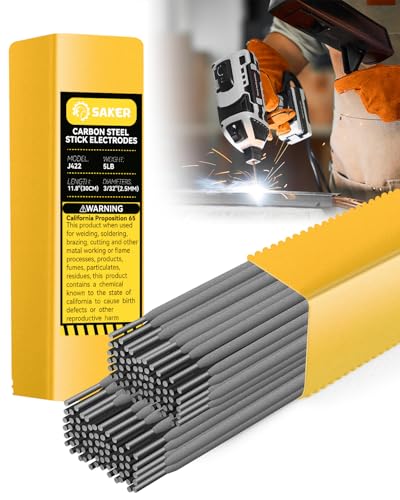
These E6013 rods are a straightforward pick when you want something that starts easily and runs a smooth bead. You’ll find them forgiving while you practice travel speed and angle, and they work well for everyday repairs and light fabrication.
The 5 lb pack keeps rods organized for shop use, and they pair nicely with handheld welders or benchtop setups. If you’re focused on learning or regular maintenance tasks, these deliver reliable, no-fuss performance.
Buyer Feedback
Buyer feedback changes over time, so read the most recent reviews on the Amazon listing, especially comments about arc starts, packaging and how well the rods suit your machine.
When To Use
|
Situation |
How It Helps |
|---|---|
|
Learning Practice |
Reliable starts and steady runs let you concentrate on technique rather than fighting the arc. |
|
Handheld Welder Jobs |
Works predictably with portable units for quick patching and on-site fixes. |
|
Routine Repairs |
Provides consistent bead shape for brackets, frames, and light maintenance so you spend less time reworking. |
Key Benefits
- Easy arc starting suitable for learners
- Smooth bead appearance for common joints
- Protective packaging keeps rods organized

If you work on 300-series stainless, these ER308L rods are the kind of filler that makes detail TIG work less fussy. The 1/16″ diameter is great for thin sheet and tubing, and the rods feed smoothly so you can concentrate on torch control and timing. They produce clean, low‑inclusion beads that buff up nicely, which is handy for visible repairs and small fabrication.
Keep them on the bench for prototype parts, tubing repairs, or any job where finish and corrosion resistance matter.
Buyer Feedback
Buyer feedback changes over time, so read the most recent reviews on the Amazon listing, especially comments about arc starts, packaging and how well the rods suit your machine.
When To Use
|
Situation |
How It Helps |
|---|---|
|
Thin Sheet Repair |
Offers the control you need to weld panels and tubing without burning through, leaving beads that polish up well. |
|
Detail Fabrication |
Stable arc and smooth feed make it easier to lay down tidy beads on small brackets, clamps, and decorative pieces. |
|
Prototype And Bench Work |
Consistent behavior reduces surprises during one-off builds, so you can iterate quickly and keep joints clean for finishing. |
Key Benefits
- Clean, low‑inclusion welds suited to 304 stainless
- Stable arc and smooth feed for precise TIG control
- Convenient 1/16″ size for thin material and bench work
Related reading: welding rods for newbies, how to store low hydrogen electrodes and stick welding amperage chart.
FAQ
How Do I Choose The Right Rod?
You want a rod that matches the metal and the process, so start by identifying the base material and whether you’re TIG or stick welding. For mild steel TIG look for ER70S‑6, for carbon steel repairs choose E7018 or E6013 depending on your needs, and for stainless pick an ER308L.
Pay attention to diameter because diameter affects control and penetration; thinner rods suit thin sheet and detail work, thicker rods suit heavier sections. Also consider your machine’s amperage range and the joint type so you end up with a rod that performs predictably for the work you do.
Are Short Rods Okay For Practice And Tight Spots?
Short rods can be a real convenience when you’re working on the bench or in cramped joints because they’re easier to handle and can make tacking simpler. The tradeoff is you’ll change sticks more often during long runs, and some welders prefer full‑length rods for continuous beads. If you mostly do short repairs or practice, short rods are fine, but if you expect long, uninterrupted welds consider keeping a few full‑length sticks on hand.
How Should I Store And Care For Welding Rods?
Keep rods dry, organized, and away from humidity because moisture can affect coatings and low‑hydrogen electrodes. Store them in their original tube or a sealed container and avoid leaving open packs in damp areas; for E7018 and other low‑hydrogen rods you may need to follow manufacturer care recommendations if they absorb moisture.
For TIG filler rods, wipe off any oil or contaminants before welding so you get a clean puddle and minimal inclusions.
Choosing Between the Top Picks
Use the YESWELDER ER70S-6 for TIG on mild steel and the ARCCAPTAIN ER308L for stainless TIG. For stick work, E7018 suits structural jobs and E6013 suits easy general work, and a 1 lb tube is enough while you test settings. Check the spec table below for the size and weight of each listing.
Wrapping Up
Pick TIG filler for clean mild steel or stainless work, low-hydrogen E7018 for structural stick welds, and a small pack of E6013 while you learn and test settings. Keep rods dry and match diameter to your welder and metal thickness.
Spec Comparison From the Listings
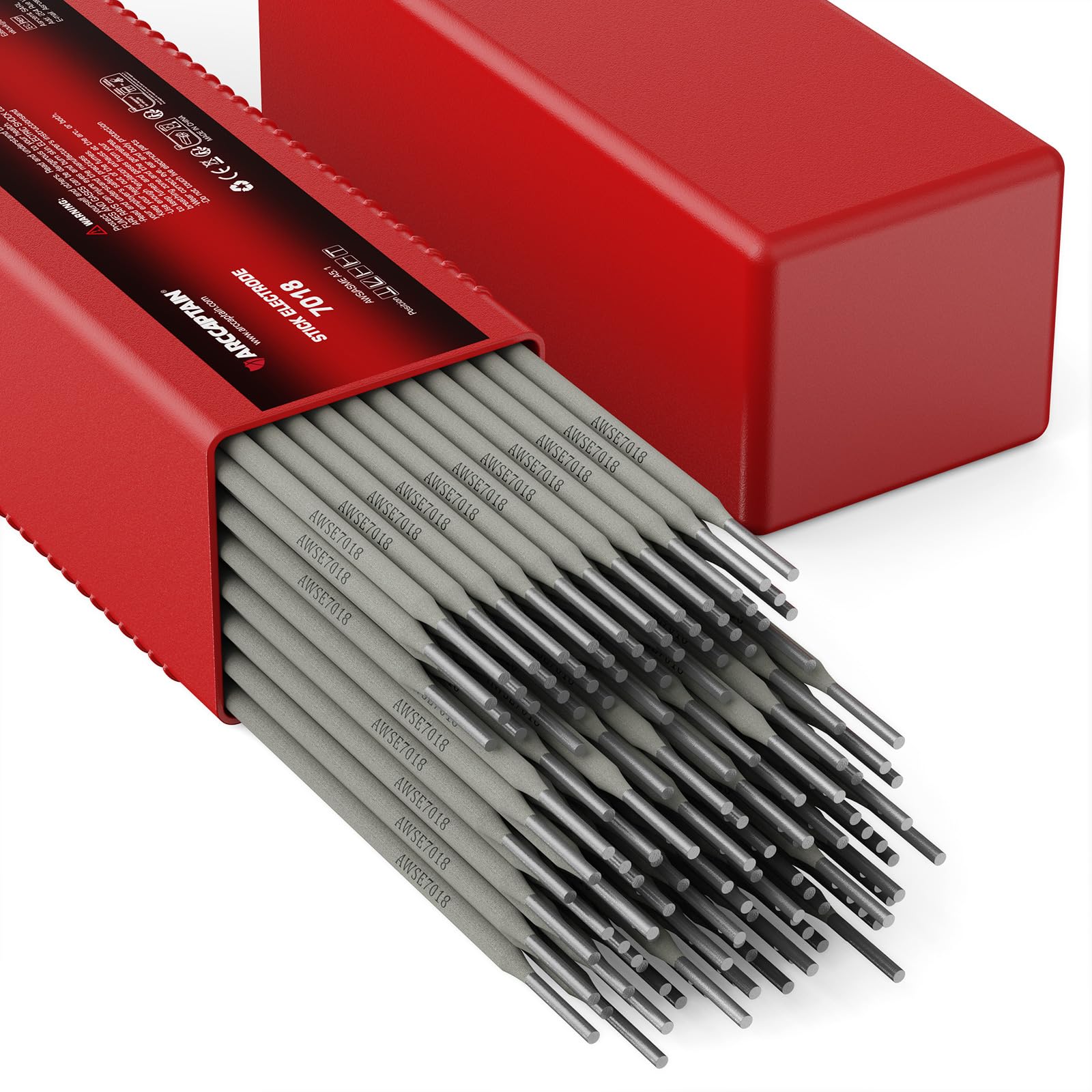
| YESWELDER Mild Steel TIG Welding Rod ER70S-6 1/16″x16″ 5LB | YESWELDER E7018 3/32” 5LB Welding Rod | ARCCAPTAIN E7018 Welding Rod 1/8” 10LB | |
|---|---|---|---|
 |
 |
 |
|
| Material | ER70S-6 Mild Steel | Low Hydrogen Carbon Steel | Low Hydrogen Carbon Steel |
| Weight | 5 pounds | 5.19 pounds | 10.21 pounds |
| Size | 1/16″ x 16″ | 3/32″ | 1/8″ |
| Check Price on Amazon → | Check Price on Amazon → | Check Price on Amazon → |