The usual welding rods for rebar are low-hydrogen E7018 electrodes, run according to the rebar grade and the project specification. Four of the 10 rods on this page are E7018; the others are E6013 stick rods, an E308L stainless stick rod and two TIG fillers that are not intended for rebar.
Rebar welding is often code-controlled, so check the rebar grade, the AWS D1.4 requirements and any preheat rules with the engineer. The specs come from the Amazon listings, so confirm them on the listing before you buy.
Top Picks
|
Category |
Product |
|---|---|
|
Best TIG Filler |
|
|
Best For Structural Rebar |
|
|
Best For Beginners |
|
|
Best Bulk Value |
|
|
Best 1/8 inch E7018 |
|
|
Best Small Pack For Learning |
|
|
Best For Stainless TIG |
|
|
Best Stainless Stick |
|
|
Best Versatile Combo |
|
|
Best All-Round E6013 |
How the Picks Were Chosen
This list is built from the Amazon listing details for each product, not from hands-on testing. These are the points compared:
- Rod class: E7018 for structural and rebar work, E6013 for light fabrication, E308L and ER308L for stainless.
- Diameter: 3/32 and 1/8 inch.
- Pack size: 1 lb tubes to 10 lb packs.
- Packaging: E7018 must stay dry.

This pack of ER70S-6 TIG filler rods is one of those practical picks you reach for when you want predictable puddle control on mild steel. The 1/16″ diameter and 16″ length make them easy to handle for bench TIG work, tack-ups, and light repairs, and the 5 lb pack gives you a decent supply without cluttering your toolbox. If you do a mix of hobby projects and occasional site touch-ups, these rods balance ease of use with solid metallurgy so you can focus on clean beads rather than fussing with consumables. You’ll find them especially handy for thin material and general shop maintenance.
Use Cases
|
Situation |
How It Helps |
|---|---|
|
Learning TIG Basics |
The short rods are easier to manage when you’re practicing hand-eye coordination, so you can focus on puddle control without wrestling long filler sticks. |
|
Light Shop Repairs |
For small brackets, clamps, and touch-ups on mild steel, the 1/16″ diameter feeds cleanly and produces tidy beads with minimal cleanup. |
|
On-Bench Fabrication |
The 16″ length and reusable packaging make these convenient to grab during jigged or small fixture work where long, bulky rods would get in the way. |
DIY Tips
Keep your joints clean and use a quick wipe with acetone before you start. Use steady, short filler additions rather than long pushes, and let the puddle tell you when to add metal. If you prefer longer rods for some jobs you can always tack shorter pieces together or cut a long rod to size, but the 16″ sticks are excellent for controlled bench work.
Store the pack dry and sealed to avoid surface contamination.
Key Benefits
- Consistent arc and smooth puddle for clean TIG beads
- Convenient 16″ length that’s easy to handle on the bench
- Good value for a midweight pack that suits hobbyists and pros
- Suitable for mild steel repairs and light fabrication

If you need a go-to rod for rebar repairs and structural work, these E7018 sticks are the sort you reach for when strength matters. They’re low-hydrogen, which helps reduce cracking on critical joints, and they run with a steady arc that makes bead appearance predictable. You’ll find them useful for on-site splices, equipment repairs, and any prepped joints where consistency counts.
Use Cases
|
Situation |
How It Helps |
|---|---|
|
Structural Rebar Splices |
The low-hydrogen chemistry helps you achieve welds that resist cracking, which is exactly what you want on load-bearing splice work. |
|
Farm and Equipment Repair |
You get reliable strikes and predictable beads, so repairs on loaders or frames hold up without fuss when you’re out in the field. |
|
Tight Prepped Joints |
They run smoothly in close-fit joints, letting you control the puddle and fill gaps with fewer starts and stops. |
DIY Tips
Keep the rods dry and sealed between uses, and match your amperage and arc length to the 3/32″ size. Clean the joint before welding, use short steady additions of filler, and let the slag cool slightly before chipping for a cleaner finish.
If rods get damp, bake or replace them to avoid hydrogen issues.
Key Benefits
- Low-hydrogen formulation for improved crack resistance
- Consistent arc and predictable bead appearance
- Good for structural splices and on-site repairs
- Packaged for convenient storage and handling

These E6013 rods are the sort of everyday electrode you keep on hand when you need predictable starts and a forgiving arc. You can use them for layout tacks, sheet metal joins, and quick repairs where splash and forgiveness matter more than heavy structural duty. They strike easily and produce a pleasant bead for visible work, so if you do a lot of mixed shop tasks or are teaching someone the basics, these make work less fussy. For general-purpose stick welding, they’re a practical, reliable choice you can reach for without overthinking.
Use Cases
|
Situation |
How It Helps |
|---|---|
|
Learning And Practice |
The easy arc starts reduce frustration while you build steady hand movements and learn puddle control. |
|
Light Repairs |
You can quickly tack and repair brackets, frames, and small components without fussing over technique. |
|
Thin Sheet Work |
The 3/32″ size lets you weld thinner materials with less burn-through while keeping bead control manageable. |
DIY Tips
Set your amperage for 3/32″ electrodes, keep a short arc and steady travel speed, and add short filler motions for cleaner beads. Chip slag after each pass and wire-brush before inspection. Store rods dry and sealed, and if they get damp consider baking or replacing them to avoid porosity.
Key Benefits
- Easy arc starts that help when you’re learning or working quickly
- Versatile for tacks, thin material, and general shop repairs
- Predictable bead appearance with minimal fuss
- User-friendly packaging for jobsite handling

These E7018 sticks are the kind of rod you pick when strength and consistency matter. They run with a steady arc, lay down a smooth bead, and the flux formulation helps produce manageable slag for cleaner finishes.
You can rely on them for on-site rebar splices, farm equipment fixes, and shop work where low-hydrogen properties reduce the risk of cracking. If you want a professional-feeling stick electrode that behaves predictably across a range of jobs, these are worth keeping in your box.
Use Cases
|
Situation |
How It Helps |
|---|---|
|
Structural Rebar Splices |
Low-hydrogen properties help you produce welds that resist cracking, which is crucial for load-bearing splice repairs. |
|
Field Repairs |
They strike easily and burn steadily, letting you make durable fixes on machinery and frames without fuss in outdoor conditions. |
|
Learning And Production |
Beginners get forgiving strikes while experienced welders appreciate the predictable bead for repeatable production work. |
DIY Tips
Store rods dry and sealed to preserve the low-hydrogen coating; if they absorb moisture, bake them per manufacturer recommendations before use. Match amperage to the 1/8″ diameter, keep a steady arc length, and chip slag between passes for a cleaner finish. For field work, carry them in a sealed box to reduce exposure to humidity.
Key Benefits
- Stable arc with predictable bead appearance
- Low-hydrogen chemistry reduces cracking risk on critical joints
- Good slag control for easier cleanup
- Accessible for both beginners and experienced welders

These E7018 rods are the kind you reach for when a weld has to hold. The low-hydrogen coating helps reduce cracking on critical joints and they run with a steady, predictable arc that makes bead appearance consistent.
Use them for rebar splices, equipment repairs, and any prep where strength and repeatability matter. They work well for both on-site fixes and shop production, so keep a handful in your box for jobs where reliability beats flashiness.
Use Cases
|
Situation |
How It Helps |
|---|---|
|
Rebar Splices |
Low-hydrogen properties help you produce welds that resist cracking, which is important for load-bearing connections. |
|
Field Repairs |
They strike easily and burn steadily, letting you make durable fixes on machinery and frames without fuss in outdoor conditions. |
|
Production Runs |
Predictable bead appearance and steady arc let you repeat quality welds across multiple pieces with minimal adjustment. |
DIY Tips
Store rods dry and sealed, match amperage to the 1/8″ size, and keep a steady arc length. Chip slag between passes and wire-brush before inspection for a cleaner finish. If rods get damp, follow baking recommendations to restore low-hydrogen properties.
Key Benefits
- Low-hydrogen chemistry for reduced cracking risk
- Stable arc and consistent bead appearance
- Good slag control for easier cleanup
- Suitable for both field and shop structural work

These E6013 rods are a solid go-to when you want something forgiving and easy to use. You’ll appreciate their smooth starts and predictable puddle when tacking or working on thin sections, and the 1 lb tube makes them handy for quick projects or teaching someone the basics.
They handle routine shop repairs and layout work without demanding perfect technique, so if you need a versatile electrode for everyday stick tasks, these are worth keeping around.
Use Cases
|
Situation |
How It Helps |
|---|---|
|
Learning And Practice |
The forgiving arc makes it easier to develop steady hand movements and gain confidence with puddle control. |
|
Small Repairs |
You can quickly tack and fix brackets, mounts, and frames without fussing over technique or excessive cleanup. |
|
Thin Sheet Welding |
The 3/32″ size helps you weld thinner materials with reduced risk of burn-through while keeping bead control manageable. |
DIY Tips
Set amperage appropriate for 3/32″ electrodes, keep a short arc and steady travel speed, and use short additions of filler for cleaner beads. Chip slag after each pass and wire-brush before inspection.
Store the tube dry and sealed, and if rods absorb moisture follow proper drying recommendations.
Key Benefits
- Reliable arc starts that reduce frustration while learning
- Versatile for tacks, thin material, and light repairs
- Produces smooth, attractive beads for visible work
- Protective tube packaging for transport and storage

These ER308L rods are a neat option when you need tidy TIG work on 304 stainless. The 1/16″ diameter and 16″ length feed smoothly into the puddle, which helps you keep control on thin tubing and sheet. They’re aimed at light fabrication, repair and bench work where cleanliness and corrosion resistance matter more than high-volume output.
If you don’t weld stainless every day but want a reliable pack for precise jobs, these are a convenient, no-drama choice you can trust for neat beads.
Use Cases
|
Situation |
How It Helps |
|---|---|
|
Thin Tube Repair |
The 1/16″ diameter lets you add filler without overheating thin walls, so you can patch tubing with better control. |
|
Precision Bench Work |
Stable arc and smooth feed make it easier to lay tidy beads on brackets, fittings and small assemblies. |
|
Occasional Stainless Tasks |
The 20-piece pack is handy for low-volume stainless jobs when you want quality consumables without a large stockpile. |
DIY Tips
Use pure argon shielding and set amperage around 40–80 A depending on thickness. Keep a steady hand and feed short, consistent additions into the puddle. Store rods dry and sealed to avoid surface oxidation; if you see contamination clean the rod before use.
Key Benefits
- Clean feed and stable arc for tidy TIG beads
- Low-carbon chemistry helps with corrosion resistance on 304
- Convenient 16″ length for bench work and tubing
- Clearly labeled pack with rods separated for easy access

These E308L sticks are a handy option when you need to weld stainless but don’t have TIG or MIG ready. They produce a self-cleaning slag and a neat bead if you use a slight drag technique and keep a small puddle.
Perfect for exhaust work, thin tubing, and field repairs where corrosion resistance matters, they also come in reusable packaging that helps protect rods between jobs. If you want a stick option for stainless that behaves predictably on bench and repair work, these are worth a spot in your kit.
Use Cases
|
Situation |
How It Helps |
|---|---|
|
Exhaust And Tubing |
The rods let you weld thin walls without overheating, producing tidy beads that need less cleanup. |
|
Field Repairs |
Self-cleaning slag and predictable burn make quick on-site stainless fixes more manageable when TIG isn’t an option. |
|
Bench Fabrication |
Stable arc and good finish help you lay attractive beads on small assemblies and fittings. |
DIY Tips
Use a slight drag and keep a small puddle for best results, and wear eye protection since the slag can pop. Match amperage to the 3/32″ size and chip slag between passes for a smooth finish. Store the tube sealed and dry to avoid surface contamination.
Key Benefits
- Self-cleaning slag for easier post-weld cleanup
- Good finish on stainless with a tidy bead
- Reusable tube packaging that protects rods
- Works well for thin-walled tubing and exhaust repairs

This dual-spec pack gives you the flexibility to switch between 3/32″ and 1/8″ E7018 rods without buying separate spools, which is handy when jobs vary between lighter tack work and heavier splice fills. The low-hydrogen formulation is aimed at reducing cracking on critical joints, and the rods run with a steady, predictable arc so you can produce consistent beads across different pieces. The container separates sizes for easy access and helps keep rods dry between uses, making it a practical choice for a jobsite bag or a shop drawer. If you want one pack that covers common rebar and structural needs, this saves time and reduces the guesswork.
Use Cases
|
Situation |
How It Helps |
|---|---|
|
Mixed On-Site Work |
You can switch between 3/32″ and 1/8″ without changing stock, making it easier to handle varying rebar and repair tasks throughout the day. |
|
Structural Repairs |
Low-hydrogen properties help you lay welds that resist cracking on load-bearing joints, giving more confidence on critical splices. |
|
Teaching And Training |
Beginners benefit from predictable strikes and bead behavior while instructors can demo two common diameters from one pack. |
DIY Tips
Keep the container sealed and store rods in a dry place to protect the coating. Match amperage to the chosen diameter, maintain a short arc, and chip slag between passes for a clean finish.
If rods absorb moisture, follow recommended baking procedures before use.
Key Benefits
- Two common diameters in one pack for jobsite flexibility
- Low-hydrogen chemistry for improved crack resistance
- Consistent arc and predictable bead quality
- Separated, well-sealed packaging to keep rods dry

These E6013 rods are the kind you grab when you want a forgiving stick electrode that gets the job done with minimal fuss. You’ll find they start easily and lay down a smooth bead, which makes them great for routine shop tasks, light fabrication, and teaching someone the basics.
The 1/8″ size gives a bit more metal for slightly thicker sections while still controlling spatter, so they work well for brackets, frames, and quick repairs. If you need a dependable, user-friendly rod for everyday stick work, this pack is a practical choice.
Use Cases
|
Situation |
How It Helps |
|---|---|
|
Learning And Practice |
The forgiving arc helps you build confidence with puddle control and basic stick techniques. |
|
Light Fabrication |
You can lay neat beads on brackets and frames without excessive cleanup thanks to lower spatter. |
|
Outdoor Repairs |
Consistent strikes and a robust 1/8″ size make field fixes on farm equipment and structural pieces more straightforward. |
DIY Tips
Set amperage for 1/8″ electrodes, keep a short arc, and use steady travel speed. Chip slag between passes and wire-brush for inspection.
Store rods dry and sealed to avoid moisture-related defects.
Key Benefits
- Easy arc starting that reduces setup frustration
- Low spatter for cleaner work and less cleanup
- Versatile for general fabrication and repairs
- Sturdy 1/8″ size for slightly thicker material
Related guides: how to cut rebar with an angle grinder safely, stick welding amperage chart and how to store low-hydrogen electrodes.
FAQ
What welding rod is used for rebar?
E7018 low-hydrogen electrodes are the usual choice for rebar. Check the rebar grade first, because some grades need preheat or special procedures, and follow AWS D1.4 or the project specification.
Can I weld rebar with E6013?
E6013 is a general-purpose rod for light fabrication. For structural rebar connections, use the rod the specification calls for, which is normally E7018.
Do I need to preheat rebar before welding?
It depends on the rebar grade and chemistry. Some grades need preheat, so confirm with the engineer or the mill data before welding. Do not guess.
How do I keep E7018 dry?
Keep it sealed or in a rod oven and follow the maker instructions. See how to store low-hydrogen electrodes.
Choosing Welding Rods for Rebar
Pick E7018 in the diameter your joint and machine need: 3/32 inch for smaller bars and lower amperage, 1/8 inch for larger bars and more deposition. Remove rust and mill scale from the area, keep the rods dry, and wear gloves and eye protection suited to arc welding. Ask the engineer for the procedure on any structural job.
Specs at a Glance
Figures come from the Amazon listings and can change, so confirm class, diameter and pack size before you order.
| Product Name | Image | Material | Size | Item Weight |
|---|---|---|---|---|
| YESWELDER Mild Steel TIG Welding Rod ER70S-6 1/16″ x 16″ 5LB |
 |
ER70S-6 Mild Steel | 1/16″ x 16″ | 5 pounds |
| YESWELDER E7018 3/32” 5LB Welding Rod |
 |
E7018 Low Hydrogen Carbon Steel | 3/32″ | 5.19 pounds |
| YESWELDER E6013 3/32” 5LB Welding Rod |
 |
E6013 Carbon Steel | 3/32″ | 5.21 pounds |
| ARCCAPTAIN E7018 Welding Rod 1/8” 10LB |
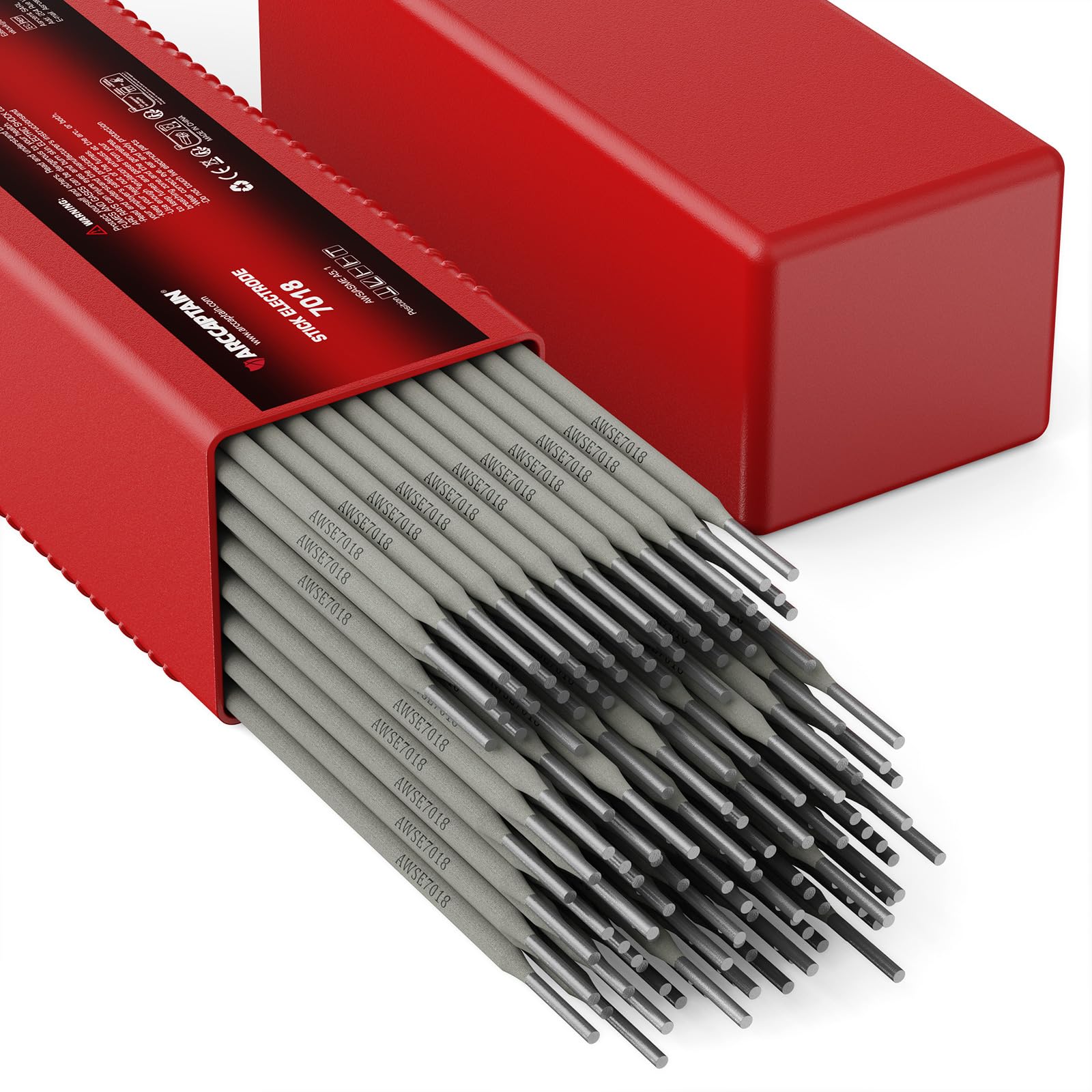 |
E7018 Low Hydrogen Carbon Steel | 1/8″ | 10.21 pounds |
| YESWELDER E7018 1/8” 10LB Welding Rod |
 |
E7018 Low Hydrogen Carbon Steel | 1/8″ | 10.34 pounds |
| Saker E6013 Welding Rod 3/32” 1-Pound |
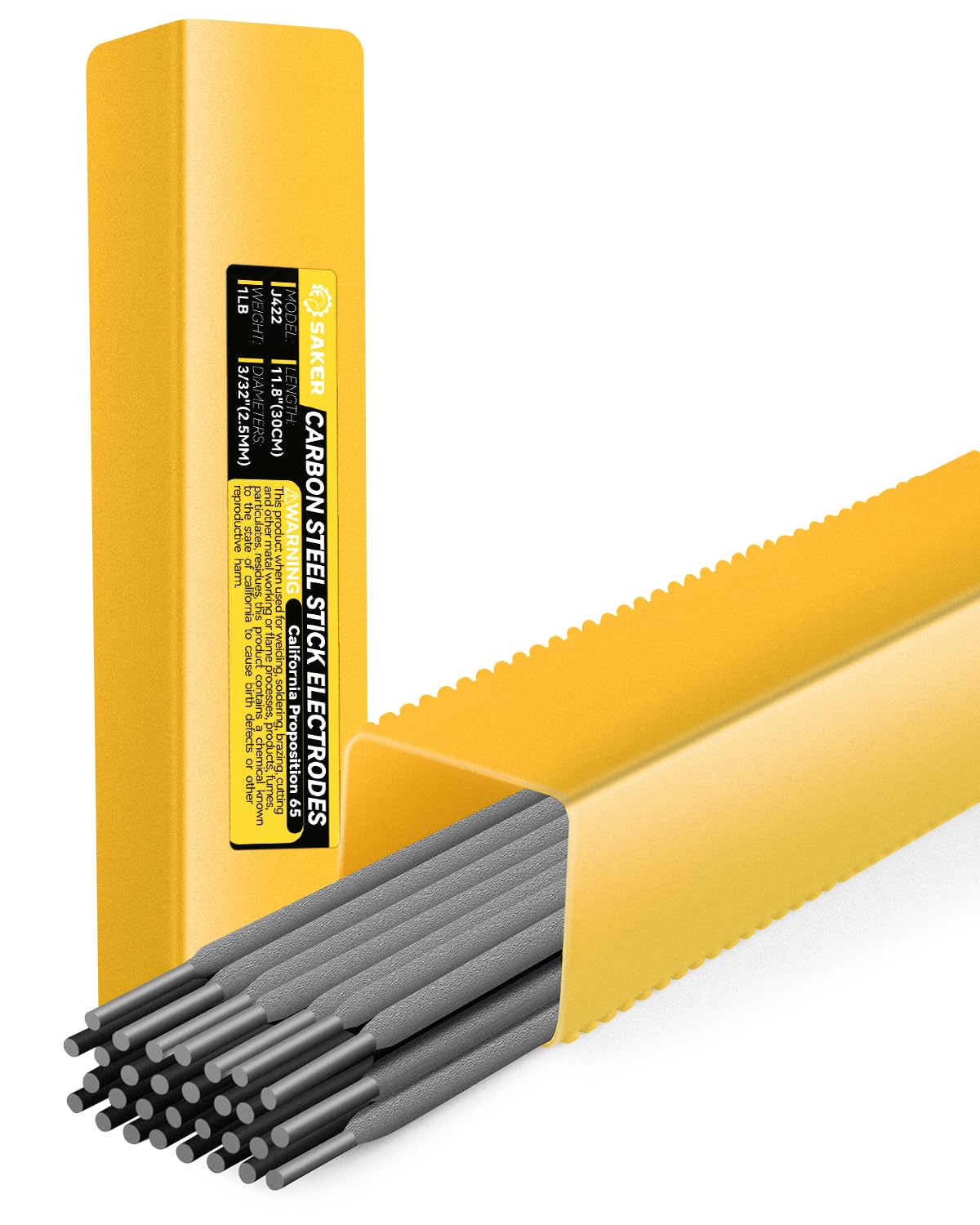 |
E6013 Carbon Steel | 3/32″ | 1.01 pounds |
| Convivium ER308L Stainless Steel TIG Welding Rods |
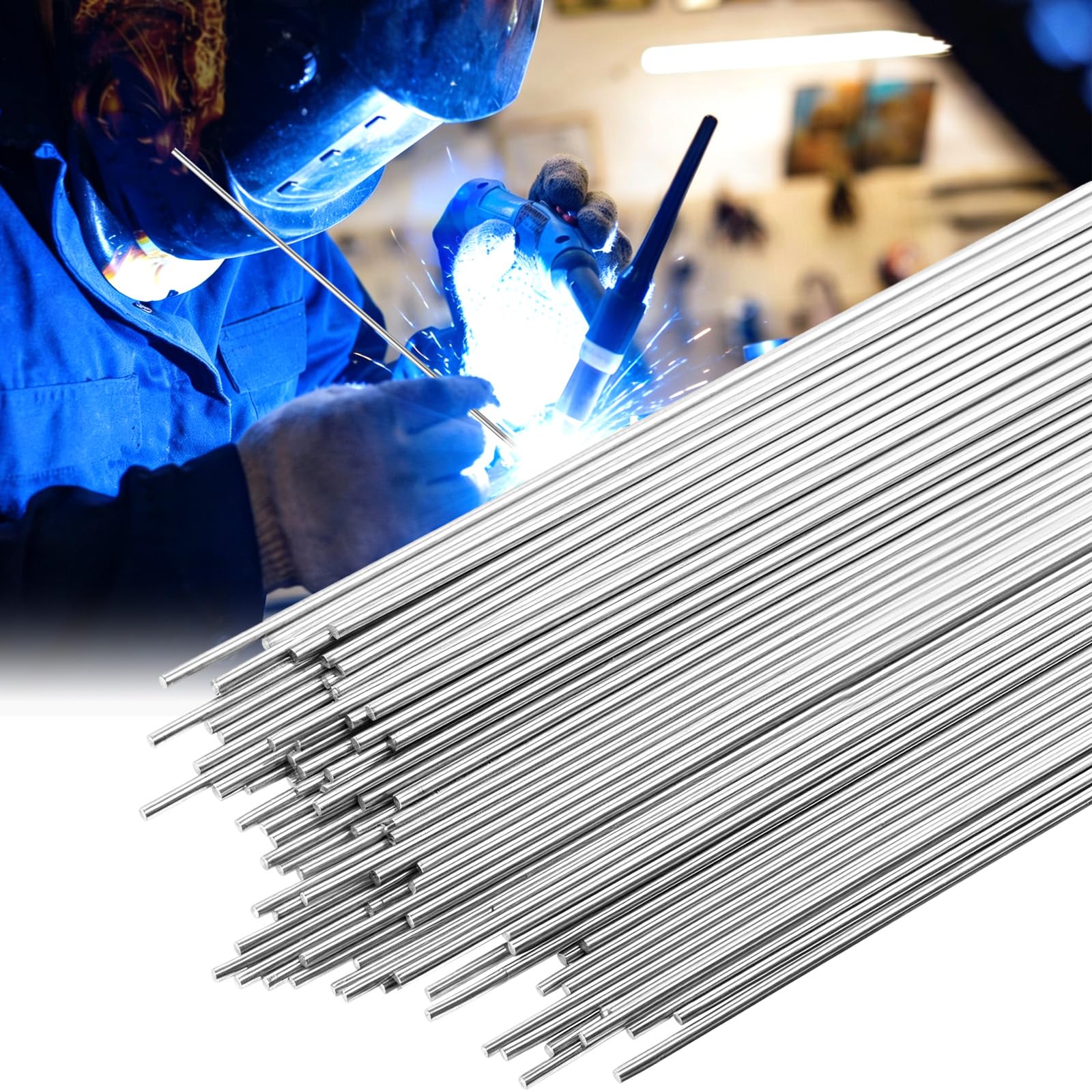 |
ER308L Stainless Steel | 1/16″ x 16″ | 6.7 ounces |
| YESWELDER E308L-16 Stainless Steel Stick Electrodes |
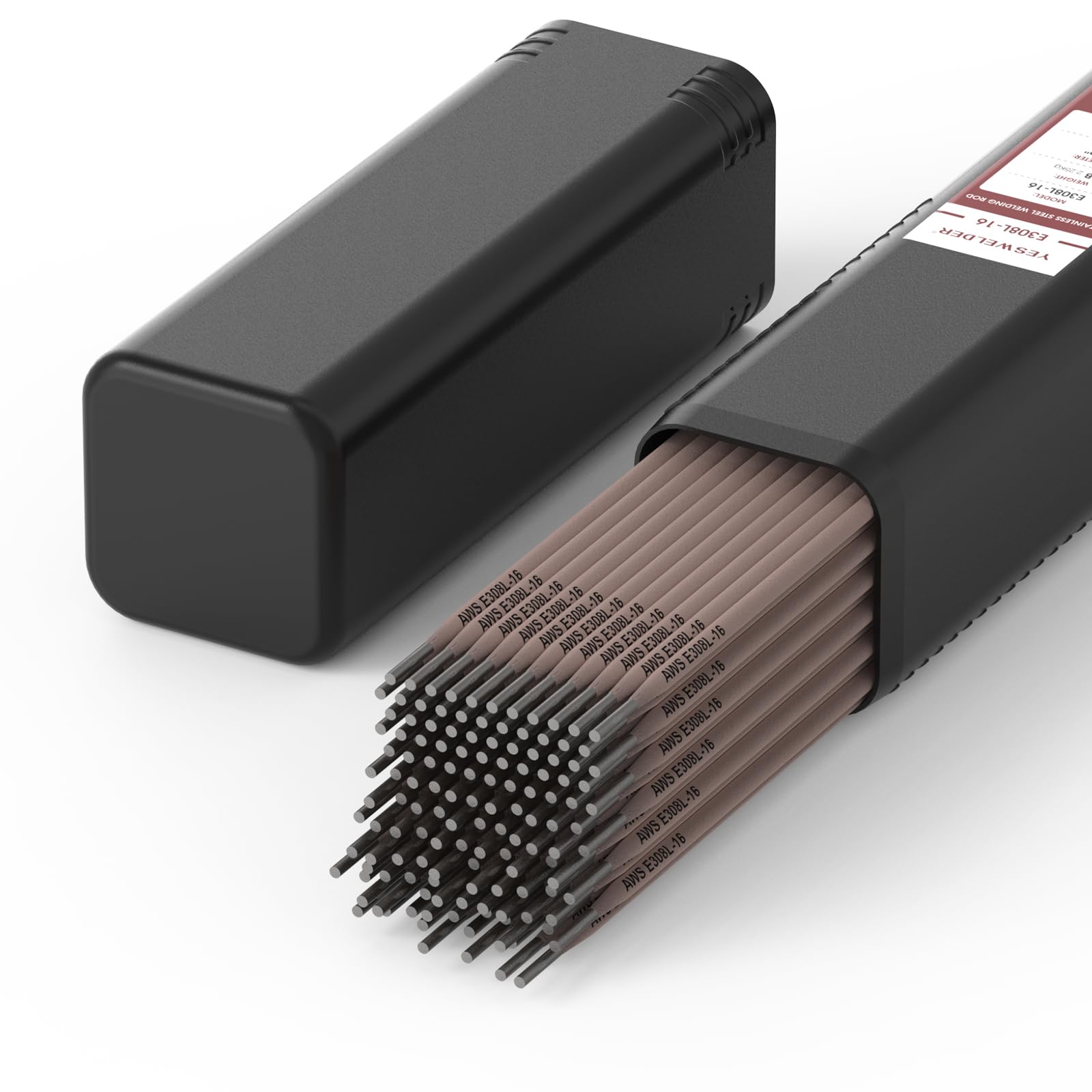 |
E308L Stainless Steel | 3/32″ | 5.26 pounds |
| YESWELDER E7018 3/32″(2.5lb)+1/8″(2.5lb) Welding Rod |
 |
E7018 Carbon Steel | 3/32″+1/8″ | 5.19 pounds |
| E6013 Welding Rod 1/8″ 5LB |
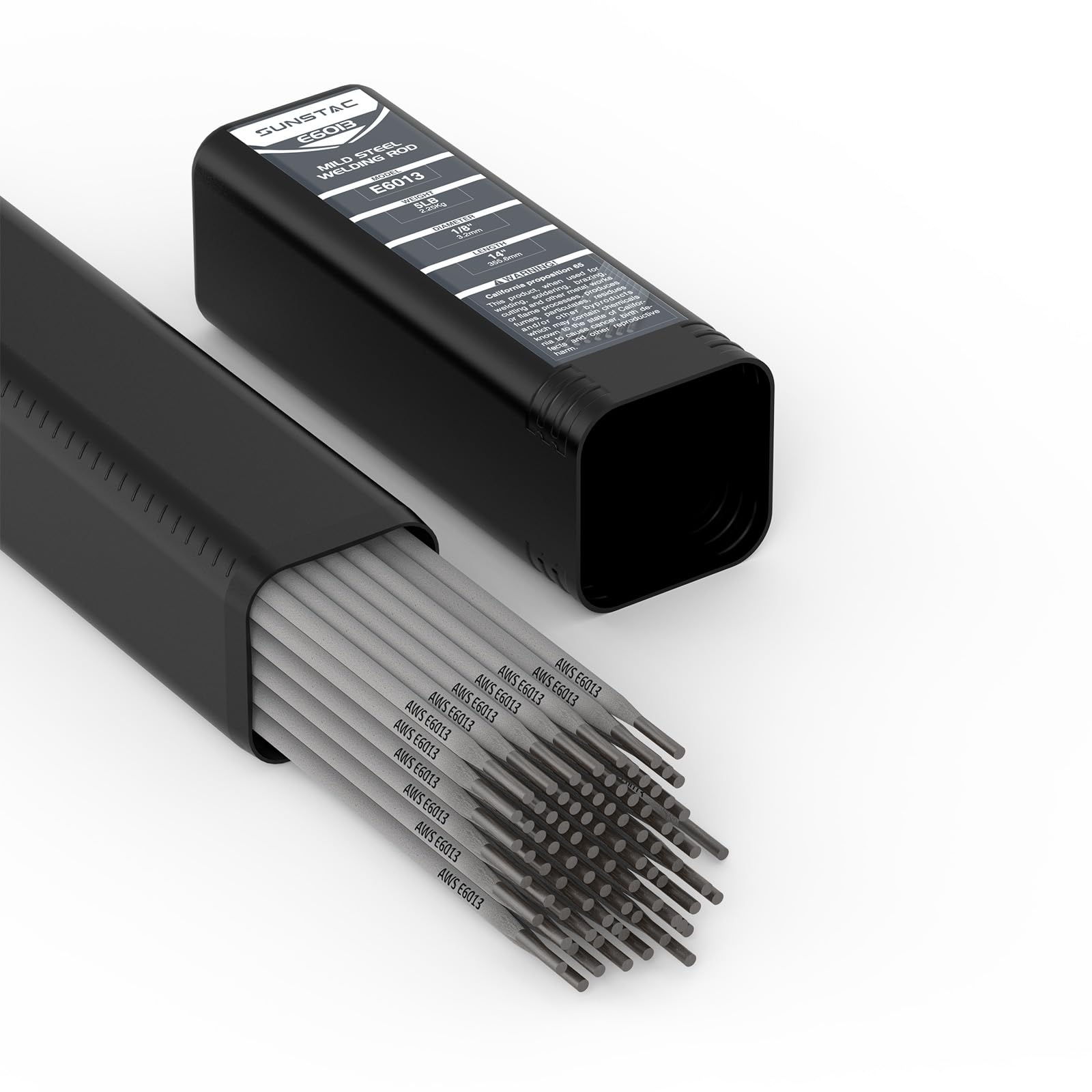 |
E6013 Carbon Steel | 1/8″ | 5.24 pounds |
Wrapping Up
For rebar, start with E7018 and the requirements for your bar grade, and treat the other rods in this list as general-purpose options. Check each listing for current price and return terms before you order.