
Titanium welding rods are TIG filler rods in grades such as ERTi-1 and ERTi-2, and the listings recommend 100% argon shielding to keep the weld clean. Five of the 10 rods on this page are titanium; the rest are ER308L stainless, ER4043 aluminum, BCuP-2 brazing and two stick electrodes. These 10 specialty welding rods cover titanium, stainless and aluminum work.
The specs come from the Amazon listings, so confirm grade, diameter and length on the listing before you buy.
Top Picks
|
Category |
Product |
|---|---|
|
Best For 304 Stainless |
|
|
Best For Brazing |
|
|
Best For Aluminum |
|
|
Best Low-Hydrogen Stick |
|
|
Best Bulk Stick Supply |
|
|
Best Titanium Grade-1 |
|
|
Best For Titanium Repair |
|
|
Best For Thin Titanium |
|
|
Best For Precision Titanium |
|
|
Best Compact Titanium Rods |
How the Picks Were Chosen
This list is built from the Amazon listing details for each product, not from hands-on testing. These are the points compared:
- Filler class: ERTi-1, ERTi-2, ER308L, ER4043, BCuP-2, E7018 or E6011.
- Diameter and length: .035 to 3/32 inch, mostly 36 inch for titanium.
- Pack size: from 10 rods to a 60 lb stick case.
- Shielding: what gas the listing recommends.

You want filler metal that behaves predictably when you’re repairing or fabricating 304 stainless, and these ER308L rods are exactly the kind of no-nonsense consumable that makes shop life easier. They feed smoothly, give a stable arc, and the low carbon content helps keep corrosion and cracking risks down on typical 300-series stainless work.
The 1/16″ diameter is handy for thin-gauge sheet and tubing, and the 16″ length is easy to handle on the bench. If you do occasional stainless TIG work or are learning the process, these rods give consistent results without a lot of fuss, though you’ll want to store them dry and accept that a 20-rod pack is geared toward light to moderate use rather than continuous production.
Situational Benefits
|
Situation |
How It Helps |
|---|---|
|
Thin-Gauge Stainless Repairs |
The 1/16″ diameter gives you control and minimal spatter, making it easier to lay tight beads on sheet and tubing without overheating the part. |
|
Workshop Bench Work |
The 16″ length and clean finish let you focus on puddle control and fitment, so repetitive small welds stay consistent and require less cleanup. |
|
Learning TIG |
The stable arc and predictable feed help you practice technique without fighting erratic rod behavior, which speeds up your learning curve. |
Safety Tips
Use with 100% argon shielding and appropriate ventilation to avoid contamination. Keep rods sealed and dry to prevent surface oxidation and reduce hydrogen pickup. Always follow standard PPE and grounding practices.
Key Benefits
- Smooth, consistent feed for tidy beads
- Low-carbon chemistry for better corrosion resistance on 304
- Good arc stability that helps with control on thin parts
- Convenient 16″ length for bench and tubing work
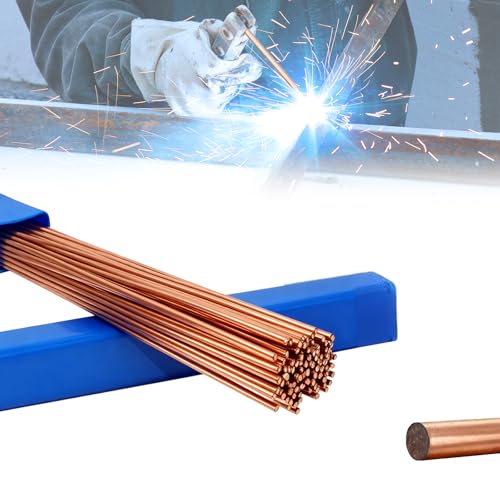
When you need a hassle-free brazing rod that heats evenly and flows predictably, these BCuP-2 rods are a practical choice. They work well with a propane torch for plumbing, HVAC touch-ups, and small metal repairs, and they make joints that stay clean with minimal post-work cleanup.
If you’re doing routine shop fixes or learning basic brazing techniques, these rods give consistent results and are easy to handle.
Situational Benefits
|
Situation |
How It Helps |
|---|---|
|
Plumbing Repairs |
These rods melt predictably and flow into joints so you can make water-tight connections on copper pipes with less guesswork. |
|
HVAC Maintenance |
The self-fluxing formula saves time when you’re brazing small fittings and brackets, reducing the need for extra flux and cleanup. |
|
Workshop Projects |
For hobby builds and small metalwork, the rods give consistent penetration and neat joints that cut down on rework. |
Safety Tips
Work in a well-ventilated area, use appropriate flame control to avoid overheating, and wear eye and skin protection. Keep flux fumes away from breathing zones and follow standard torch safety practices.
Key Benefits
- Self-fluxing alloy that simplifies torch brazing
- Even heating and smooth flow for solid, clean joints
- Good penetration on copper and brass fittings
- Easy to use for hobbyists and tradespeople
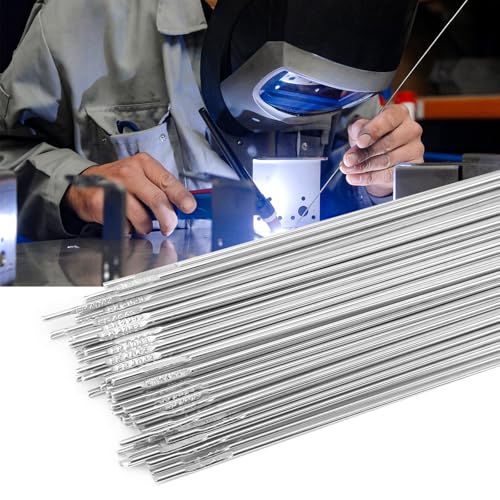
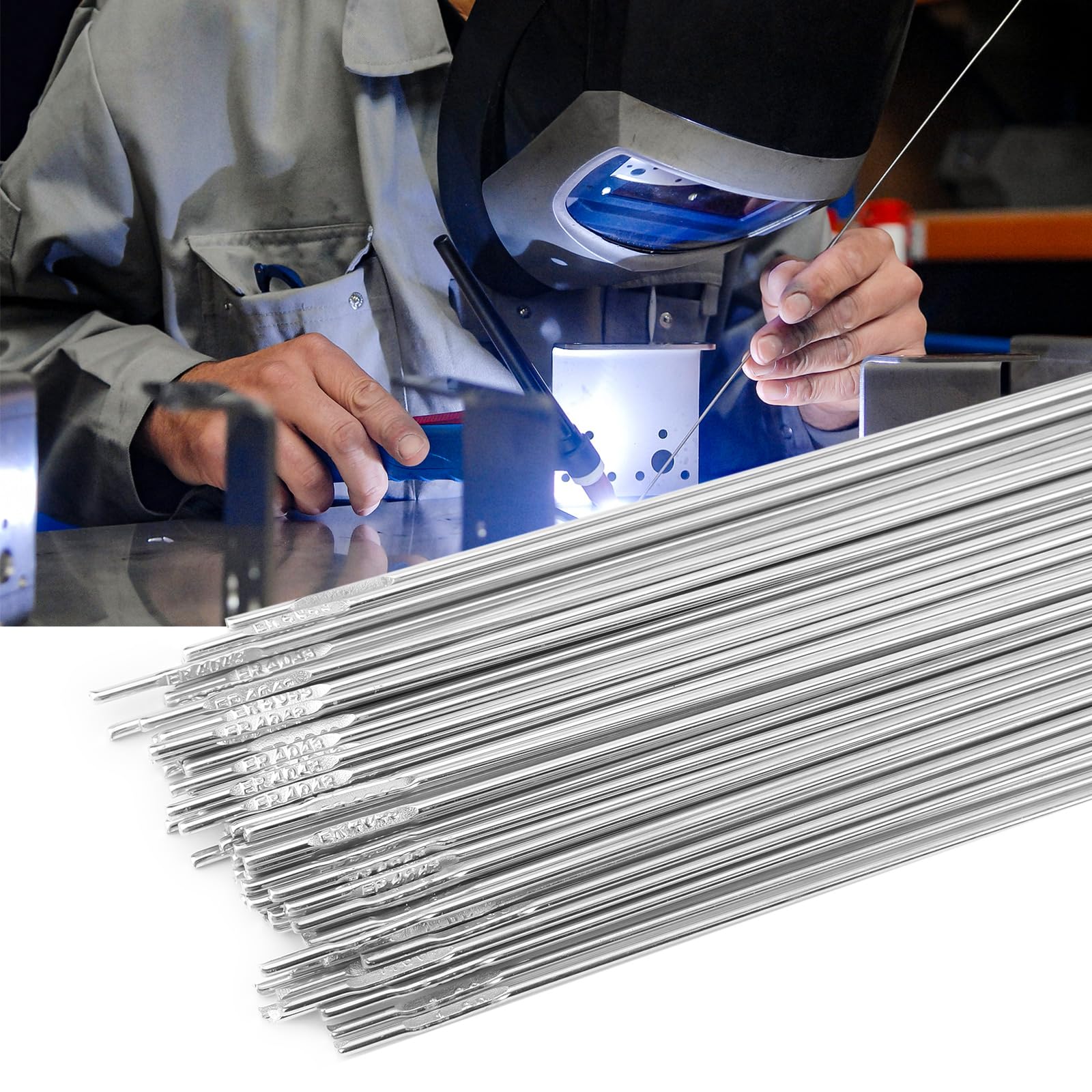
When you work with aluminum regularly, you want filler that behaves predictably and doesn’t make the job harder. These ER4043 rods give you a low-temperature fill and reduced splatter, which makes it easier to control the puddle on 1/16″ and 1/8″ work. You’ll find them useful for bench projects, light fabrication and repair jobs where neat beads and good penetration matter. If you do occasional tank work, brackets or custom parts, these rods are a reliable go-to that keeps cleanup to a minimum and helps you focus on fit and finish.
Situational Benefits
|
Situation |
How It Helps |
|---|---|
|
Thin Aluminum Fabrication |
The 1/16″ diameter and low-temp chemistry give you finer control, helping you avoid burn-through while producing neat welds. |
|
Custom Fuel Tanks |
Predictable flow and good penetration make it easier to lay consistent beads on seams and fittings that need to be leak-free. |
|
Hobby Projects |
If you’re building or repairing small parts, these rods reduce cleanup and make practice sessions more productive because the arc stays stable. |
Safety Tips
Always weld with clean, oxide-free aluminum and 100% argon shielding to prevent contamination. Use eye protection, gloves and proper ventilation.
Store rods dry to avoid surface oxidation.
Key Benefits
- Low-temp alloy for easier puddle control
- Low splatter for cleaner beads and less cleanup
- Works well on common aluminum alloys including 6061
- Generous 60-piece pack for repeated shop use

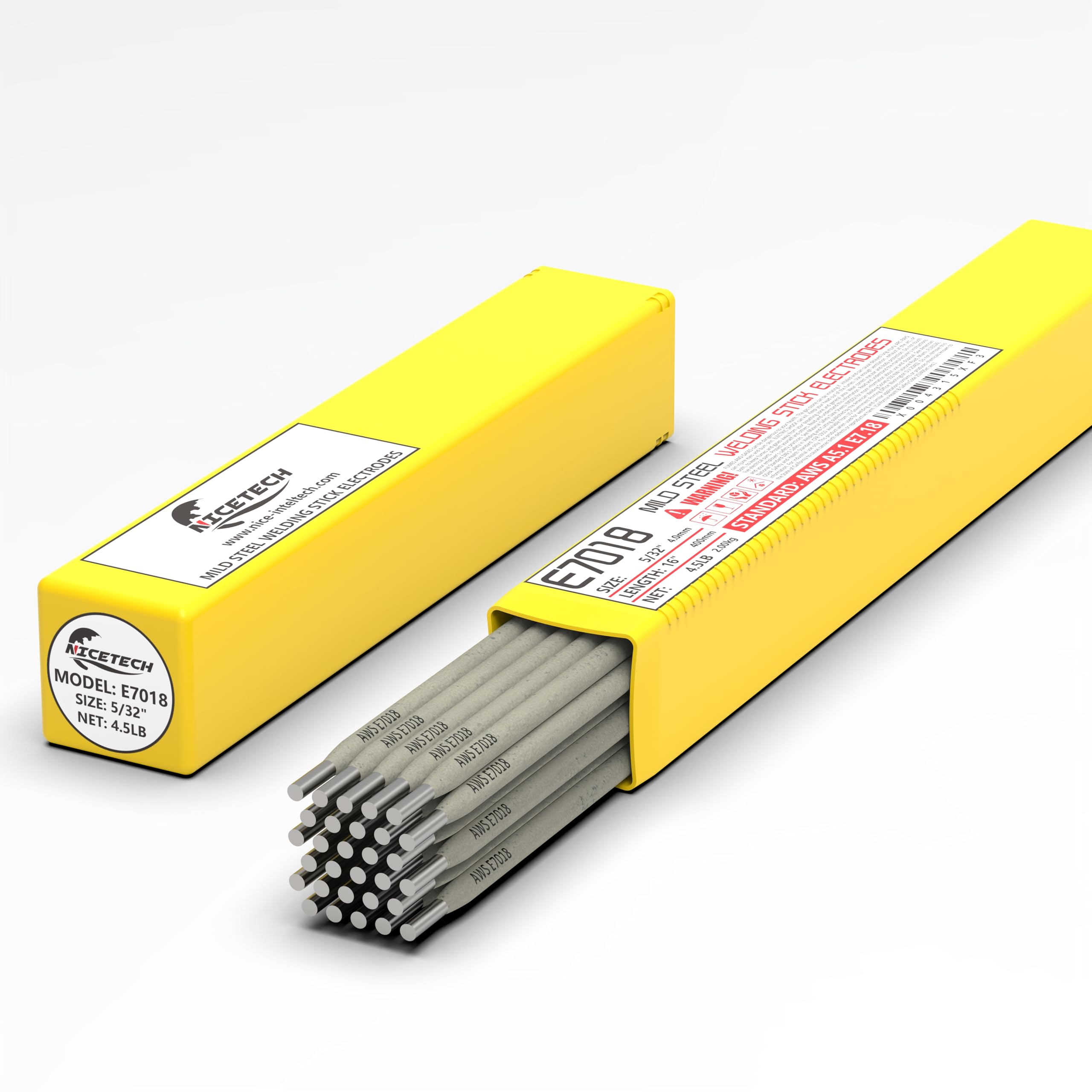
When you need a dependable stick electrode for structural or repair work, E7018 is a go-to choice. You’ll get a stable arc, good slag coverage and low-hydrogen properties that help reduce cracking on carbon steel.
It’s well suited to field repairs, fabrication and situations where stick welding is the practical option. If you want predictable beads and solid mechanical properties, these electrodes give you the kind of consistency that makes jobsite welding less stressful.
Situational Benefits
|
Situation |
How It Helps |
|---|---|
|
Structural Fabrication |
Provides welds with strong mechanical properties and reduced risk of hydrogen-induced cracking, which matters on load-bearing parts. |
|
Field Repairs |
Offers stable arc behavior and forgiving handling, so you can get consistent joins even in less-than-ideal conditions. |
|
Maintenance Work |
Good slag coverage and predictable bead shape reduce rework, helping you get machines and frames back in service faster. |
Safety Tips
Store electrodes dry or in a rod oven to prevent moisture pickup and hydrogen problems. Use proper eye, hand and respiratory protection, maintain correct grounding, and follow recommended preheat and interpass temperatures for thicker steel.
Key Benefits
- Low-hydrogen chemistry to minimize cracking
- Stable arc and good slag control for clean beads
- Built for structural strength and repair work
- Robust performance in field conditions

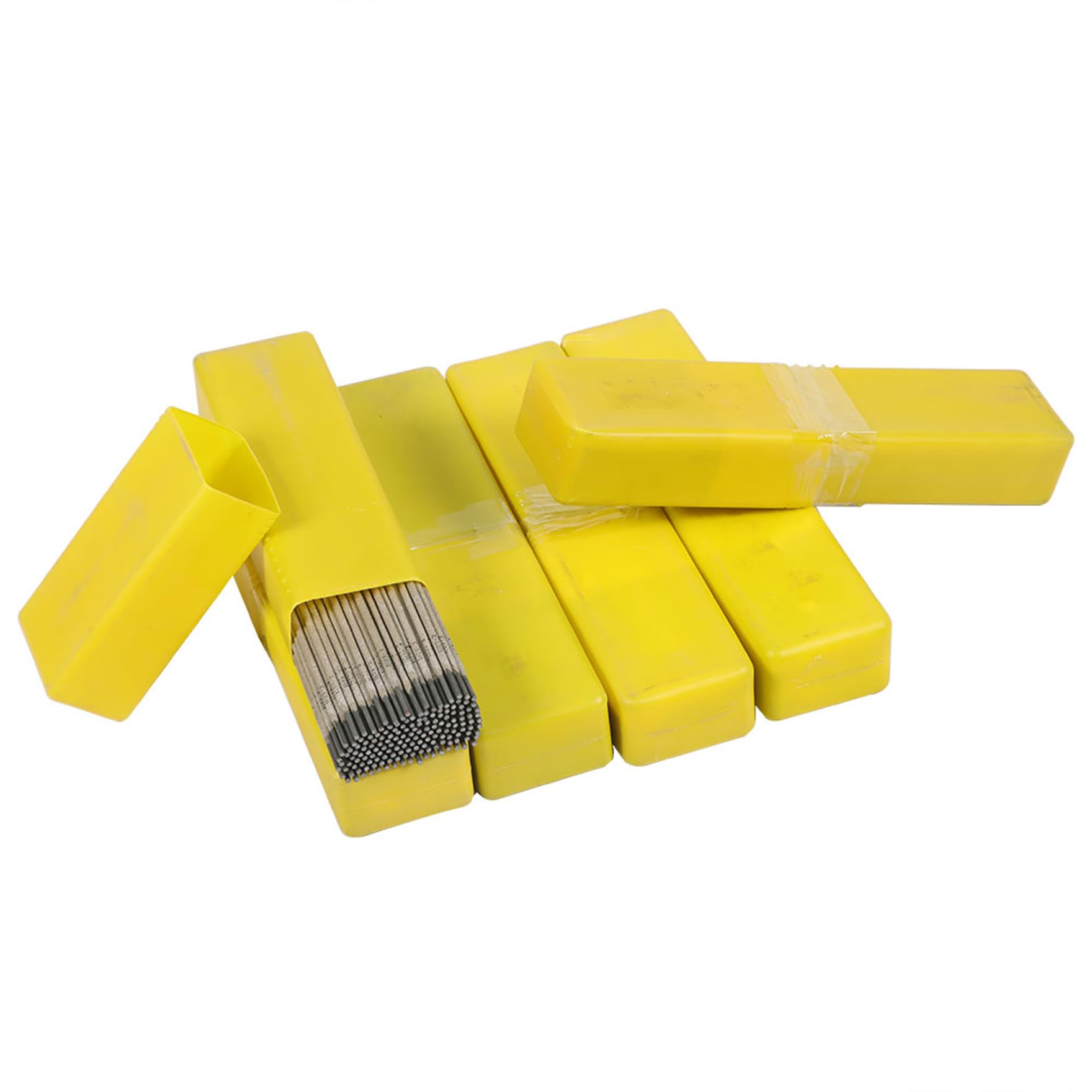
If you do a lot of repair work or custom metalwork, a big pack of E6011 electrodes keeps you ready for whatever the day throws at you. These rods are the kind that handle exhaust repairs, frame fixes and general fabrication with dependable penetration and predictable arc behavior.
You don’t need to overthink setup—they’re built for stick welding in typical shop and field conditions. Keep them dry and they’ll reward you with consistent beads and straightforward cleanup.
Situational Benefits
|
Situation |
How It Helps |
|---|---|
|
Exhaust and Pipe Repair |
Offers deep penetration to fuse thin-walled pipes and create strong joints that stand up to vibration. |
|
On-Site Maintenance |
For field fixes you get electrodes that handle variable conditions and still produce usable welds quickly. |
|
General Fabrication |
Predictable arc control helps you maintain bead consistency across repetitive welds and simple assemblies. |
Safety Tips
Store electrodes dry and follow manufacturer storage guidance to avoid moisture pickup. Use appropriate eye, hand and respiratory protection, provide good ventilation, and observe recommended grounding and electrode handling for stick welding.
Key Benefits
- Consistent arc for reliable repairs
- Good penetration on thin and moderate steel
- Large pack reduces trips to restock
- Durable in field and shop conditions

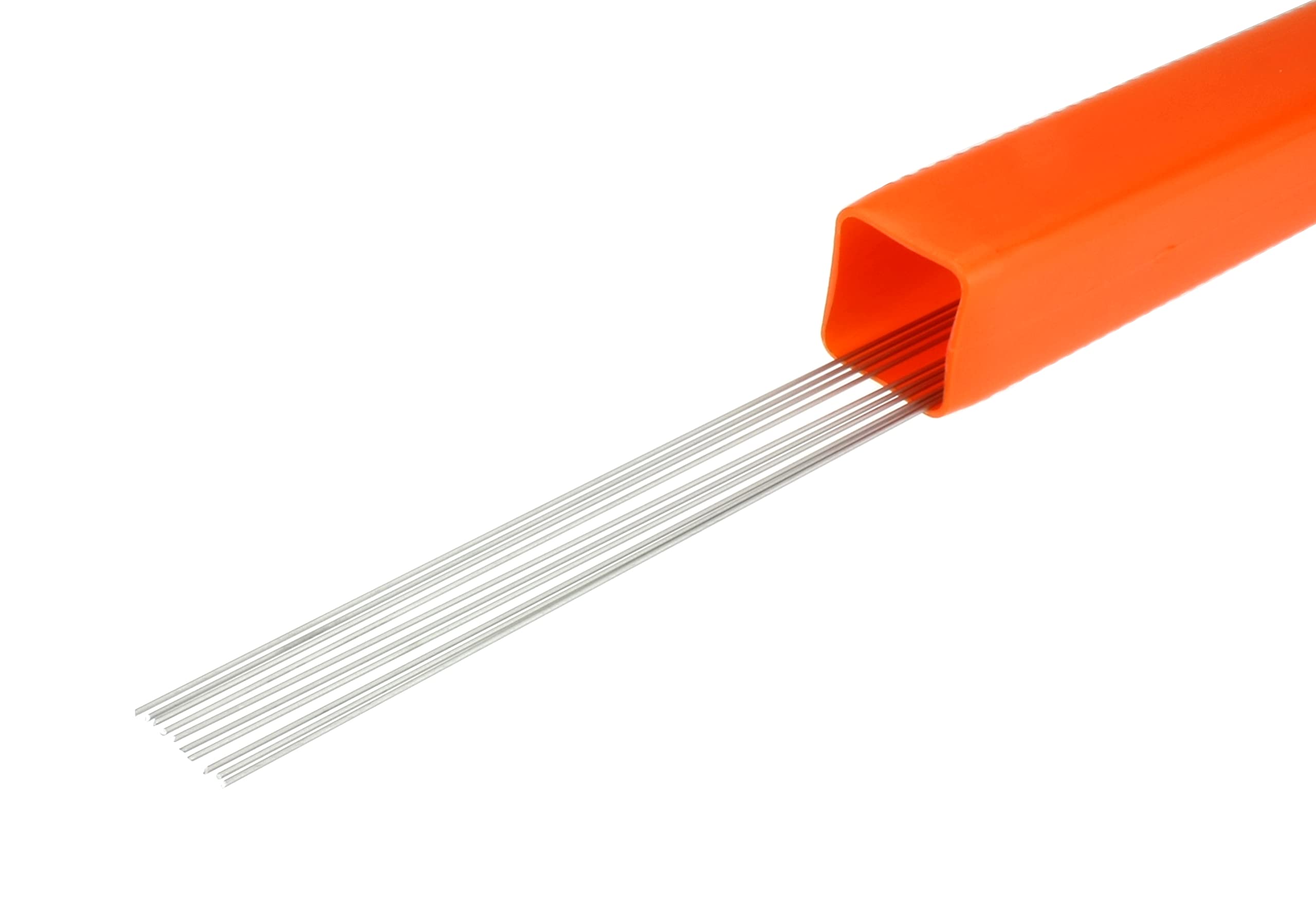
If you work with titanium, these Grade 1 rods are the kind of specialty consumable that makes delicate repairs and fabrications more straightforward. You’ll notice a clean arc and reliable fill when using 100% argon and a proper gas lens, which helps preserve the metal’s surface and color.
They suit tasks like headers, bike frames and thin structural parts where strength and appearance both matter. For occasional titanium work or topping up a project, these rods give predictable performance without a lot of fuss.
Situational Benefits
|
Situation |
How It Helps |
|---|---|
|
Titanium Header Repair |
Provides stable fill and good color control when you need to rejoin exhaust sections without compromising appearance. |
|
Bicycle Frame Work |
Small-diameter rod and steady arc give you fine control for thin-wall frame tubes and tidy weld beads. |
|
Prototype Fabrication |
Predictable behavior reduces trial-and-error during fittings and helps you maintain tolerances on light assemblies. |
Safety Tips
Use 100% argon shielding and a gas lens to avoid contamination. Clean titanium surfaces thoroughly before welding and avoid exposure to oils or salts.
Wear proper eye, hand and respiratory protection and ensure good ventilation.
Key Benefits
- Consistent weld quality on titanium
- Good length for bench and larger parts
- Works well with gas lens and argon shielding
- Suitable for frame and header repairs

When you need a reliable titanium rod for repairs or light fabrication, this WeldingCity ERTi-2 option is a solid pick. You’ll get a steady arc and predictable fill when you pair it with 100% argon and a proper gas lens.
It’s the sort of rod that helps you restore headers, mend bike frames or finish prototype pieces without guesswork. If you work with titanium occasionally or need a dependable specialty rod, these strike a good balance between consistency and ease of use.
Situational Benefits
|
Situation |
How It Helps |
|---|---|
|
Header Repair |
Stable fill and predictable color control when you need to rejoin exhaust sections without degrading appearance. |
|
Bike Frame Work |
Fine control and steady arc make it easier to weld thin-wall tubing and keep tidy beads. |
|
Prototype Fabrication |
Predictable behavior reduces trial-and-error, helping you hit tolerances on light assemblies and fittings. |
Safety Tips
Use 100% argon shielding and a gas lens to minimize contamination. Thoroughly clean titanium surfaces before welding and avoid oils, salts or moisture. Wear appropriate eye, hand and respiratory protection and ensure adequate ventilation.
Key Benefits
- Consistent performance on titanium with good bead appearance
- Long 36″ length useful for large parts and bench work
- Available in common diameters for different thicknesses
If you work with titanium, these 0.045″ ERTi-2 rods are a practical choice that keeps tricky repairs and light fabrication straightforward. You’ll get a steady arc and predictable fill when you pair them with 100% argon and a gas lens, which helps protect the metal’s surface and color.
They’re well suited to headers, bike frames and prototype parts where neat beads and reliable strength matter. For occasional specialty work or topping up your stock, these rods give consistent results and are easy to handle on the bench.
Situational Benefits
|
Situation |
How It Helps |
|---|---|
|
Header Repair |
Stable fill and predictable color control let you rejoin exhaust sections without compromising appearance. |
|
Bike Frame Work |
Small-diameter rod and steady arc give you the control needed for thin-wall tubes and tidy weld beads. |
|
Prototype Fabrication |
Predictable behavior reduces trial-and-error during fittings and helps you maintain tolerances on light assemblies. |
Safety Tips
Use 100% argon shielding and a gas lens to avoid contamination. Clean titanium surfaces thoroughly before welding, avoid oils or salts, wear eye, hand and respiratory protection, and ensure good ventilation.
Key Benefits
- Consistent weld quality and good bead appearance
- 36″ length offers reach for larger parts and bench work
- Works well with gas lens and 100% argon shielding
- Suitable for headers, frames and light fabrication
When you need fine-control titanium filler, the 0.035″ ERTi-2 rods give you a predictable arc and subtle fill that’s ideal for thin-wall work. The 36″ length keeps you from swapping rods on larger pieces, and the Grade-2 chemistry is versatile enough for headers, frames and light structural parts. Use a gas lens and solid argon coverage to protect the weld area and preserve appearance.
These rods suit occasional specialist jobs as well as shop projects where appearance and strength both matter.
Situational Benefits
|
Situation |
How It Helps |
|---|---|
|
Header Repair |
The small diameter and steady arc let you rejoin exhaust sections while keeping color and appearance under control. |
|
Bike Frame Work |
Precise fill and predictable behavior help you tack and finish thin-wall tubing without overheating or distorting joints. |
|
Prototype Fabrication |
Consistent rods reduce trial-and-error during fittings so you can maintain tight tolerances on light assemblies. |
Safety Tips
Use 100% argon shielding and a gas lens to avoid contamination. Clean titanium surfaces before welding and avoid oils, salts or moisture. Wear eye, hand and respiratory protection and ensure adequate ventilation.
Key Benefits
- Fine-diameter rod for precise control on thin titanium
- Long 36″ length reduces rod changes on larger parts
- Works well with gas lens and 100% argon shielding
- Consistent bead appearance suitable for visible repairs
If you work with titanium, these 1/16″ Grade-1 rods give you the control you want for visible repairs and delicate fabrications. You’ll notice a smooth arc and tidy beads when you use a gas lens and solid argon coverage, which helps keep the metal’s finish intact. They’re handy for exhaust work, frame repairs, knife etching and other projects where appearance and strength both matter. Delivery can be slower at times, but when the rods arrive they tend to perform consistently across the pack.
Situational Benefits
|
Situation |
How It Helps |
|---|---|
|
Header Repair |
Provides stable fill and good color control so you can rejoin exhaust sections without ruining the finish. |
|
Knife Etching / Anodizing Prep |
Clean welds and minimal contamination make subsequent etching or anodizing easier and more consistent. |
|
Thin-Wall Frame Work |
Small diameter and steady arc help you tack and finish thin tubing without excessive heat input or distortion. |
Safety Tips
Use 100% argon shielding with a gas lens to prevent contamination, thoroughly clean titanium before welding, avoid oils or salts, and wear appropriate eye, hand and respiratory protection. Ensure good ventilation.
Key Benefits
- Clean arc and attractive bead appearance
- Good control on thin-wall titanium
- 36″ length reduces rod changes on larger pieces
- Suitable for visible repairs and finishing work
Related guides: TIG filler rod selection chart, titanium vs stainless exhaust welding and TIG amp chart for stainless steel.
FAQ
What shielding gas do titanium welding rods need?
The listings recommend 100% argon. Titanium also needs clean metal and good gas coverage on the weld and as it cools, because it picks up oxygen and nitrogen when hot. Follow the rod maker guidance and test on scrap first.
What is the difference between ERTi-1 and ERTi-2?
They are different commercially pure titanium grades. ERTi-1 is the softer, higher-purity grade, and ERTi-2 is slightly stronger. Choose the filler that matches your base titanium grade.
Can I use these rods with a stick welder?
Only the E7018 and E6011 electrodes in this list are for stick welding. The titanium, stainless and aluminum rods are TIG filler, and the BCuP-2 rods are brazing rods used with a torch.
Do titanium rods need special prep?
Yes. Clean the joint and the rod with a lint-free wipe and acetone, avoid touching them with bare hands, and remove oxide and oil before welding. Use a gas lens for coverage if you can.
Choosing Titanium Welding Rods
Match the filler grade to your titanium base metal and pick a diameter that suits the thickness: the .035 and .045 inch rods are for thin sections, and 1/16 to 3/32 inch for heavier sections. Titanium is easy to contaminate, so keep rods in their sealed pack until use and wear clean gloves. Look at the shielding setup before the rod, since poor gas coverage shows up as discolored welds.
Specs at a Glance
Figures come from the Amazon listings and can change, so confirm grade, diameter, length and pack size before you order.
| Product Name | Image | Rod Type | Material | Length & Diameter |
|---|---|---|---|---|
| Convivium ER308L Stainless Steel TIG Welding Rods |
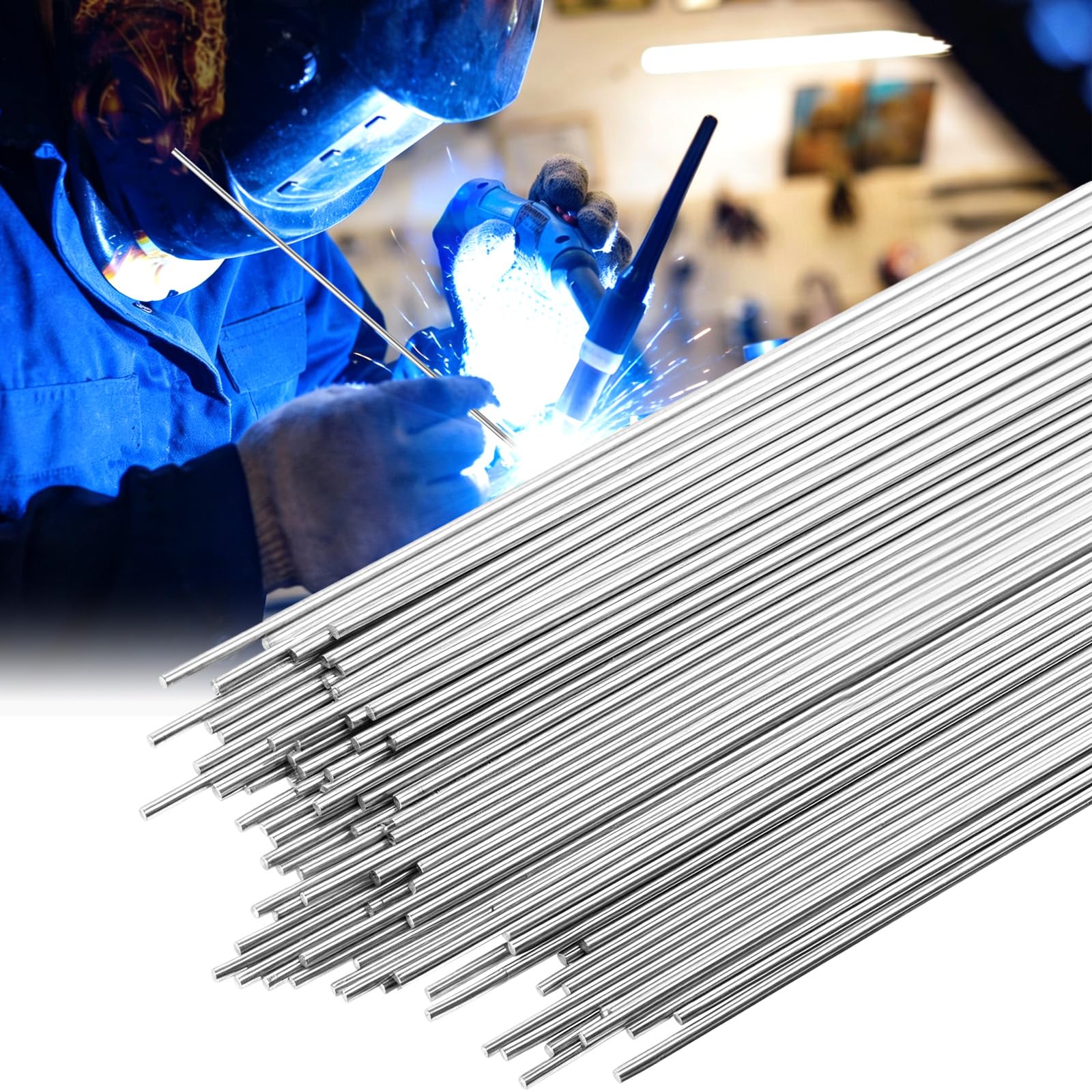 |
TIG Welding | Stainless Steel | 1/16″ x 16″ (20 pcs) |
| 50 PCS BCuP-2 Brazing Rods |
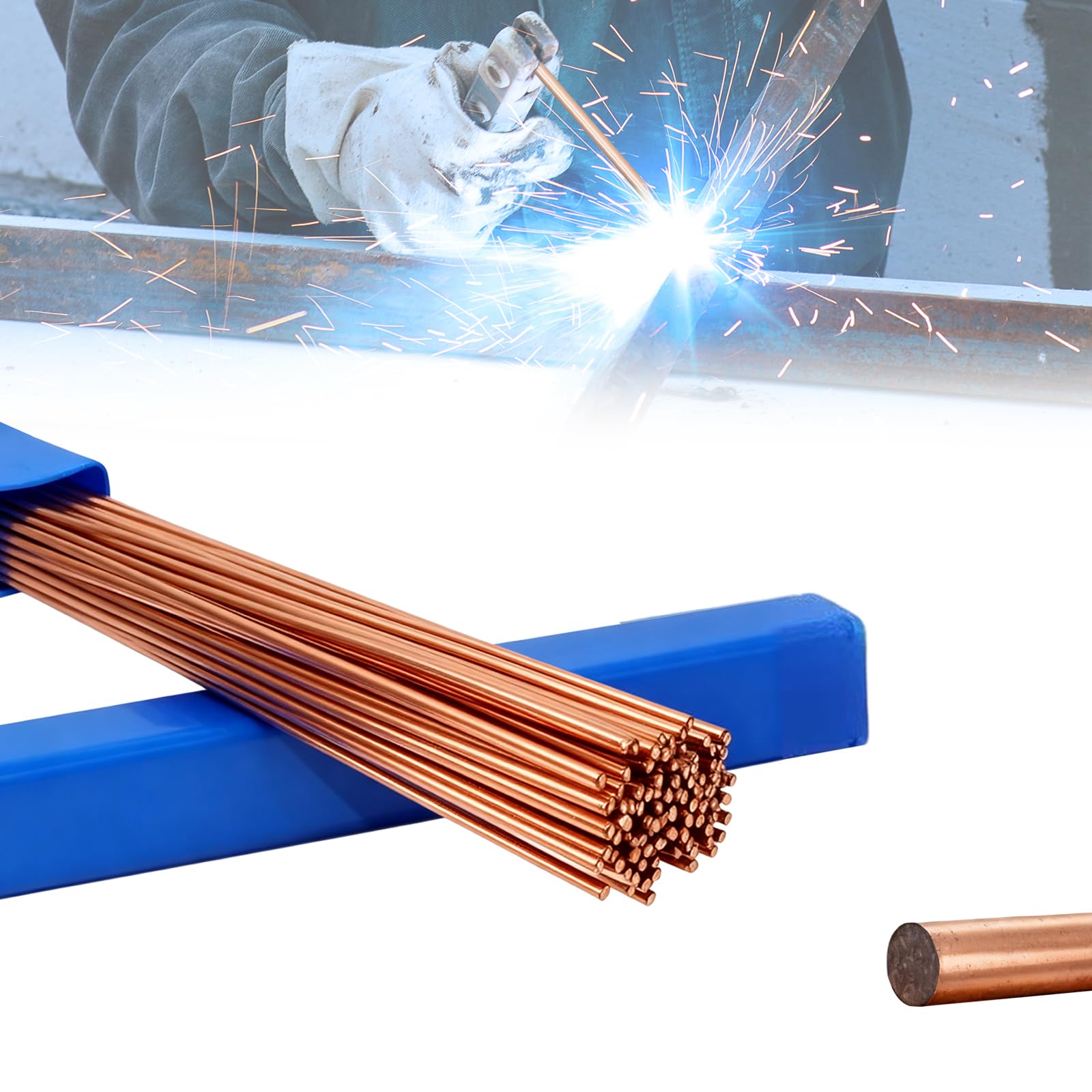 |
Brazing Rods | Phosphor Brass | 5/64″ x 9.84″ (50 pcs) |
| UNIFAMILY Aluminum Welding Rods ER4043 |
 |
TIG Welding | Aluminum | 1/16″ x 16″ (60 pcs) |
| E7018 5/32″ 4.5LB ARC Welding Rod |
 |
ARC Welding | Carbon Steel | 5/32″ (4.5 lbs) |
| waltyotur 6-Pack E6011 Carbon Steel Electrode |
 |
ARC Welding | Carbon Steel | 1/8″ (10 lbs per 6 pack) |
| SÜA – ERTi-1 Titanium TIG Welding Rod |
 |
TIG Welding | Titanium | 0.045″ x 36″ (10 rods) |
Wrapping Up
For titanium, buy the filler grade that matches your base metal and plan your shielding first. The other rods in this list cover stainless, aluminum, brazing and two common stick electrodes. Check each listing for current price and pack contents before you order.