As an Amazon Associate I earn from qualifying purchases. Buying through these links costs you nothing extra.
You want consistent welds without guessing which consumable matches the metal, machine, and joint. The right welding rod affects penetration, bead control, corrosion resistance, slag cleanup, and the risk of rework.
This guide compares seven welding rods for DIY projects: genuine stick electrodes, stainless TIG filler rods, and a hardfacing electrode for common DIY and maintenance jobs. It does not treat brazing rods as direct substitutes for arc-welding electrodes. Match the classification, diameter, polarity, and base metal before you start.
Quick Verdict
YESWELDER E6013 is the simplest general-purpose pick for mild-steel repairs. Choose Convivium ER308L for TIG welding compatible 300-series stainless, STARTECHWELD E6010 only when your DC welder can run cellulosic rods, and Forney Supercote for moderate-abrasion surface buildup.
Specs here come from the Amazon listings and manufacturer labels and can change, so confirm size, count and weight on the listing before you buy.
Top Picks
|
Category |
Product |
Quick Fit |
|---|---|---|
|
Best Stainless TIG |
304/304L stainless TIG |
|
|
Best General-Purpose Stick |
General mild-steel repairs |
|
|
Best for Deep Penetration |
DC root passes and deep penetration |
|
|
Best All-Position 3/32 |
Lower-amperage, lighter-gauge work |
|
|
Best Small-Diameter Rod |
Thin mild steel and detail work |
|
|
Best 1/8-Inch E6013 |
1/8-inch all-purpose stick welding |
|
|
Best Hardfacing |
Moderate-abrasion buildup |
How These Welding Rods Were Selected
Each remaining product had to match a real welding process and a clear use case. The list favors verified classifications, useful diameters, practical machine compatibility, manageable arc behavior, and packaging that makes sense for DIY or maintenance work.
General-purpose E6013 rods rank highly for mild-steel repairs because they are easier to strike and usually create less aggressive penetration than E6010. ER308L is included for compatible 300-series stainless TIG work, while the hardfacing option is kept for wear buildup rather than ordinary joint welding.
Review patterns, listings, and package details can change, so check the current Amazon page and the manufacturer label before ordering or setting your machine.
Before You Buy
- Confirm the rod classification matches the base metal and required weld properties.
- Check whether your welder supports the required current and polarity.
- Choose diameter by material thickness, joint design, and machine output.
- Remove paint, plating, oil, and galvanizing from the weld area, then use proper fume extraction and PPE.
- For code, load-bearing, pressure, or safety-critical work, follow an approved welding procedure instead of a general DIY recommendation.
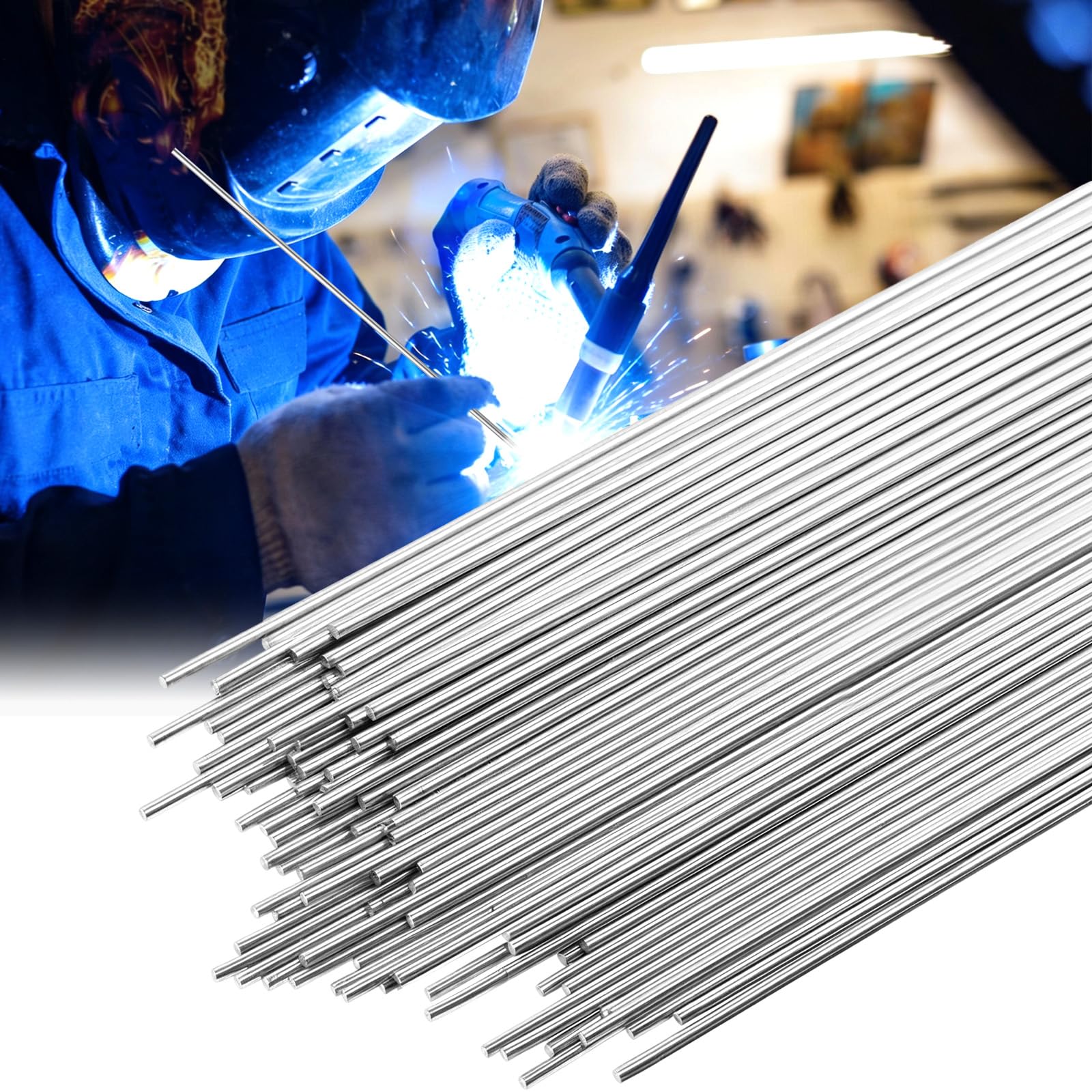
These ER308L TIG filler rods are a practical pick when you work on 304 or 304L stainless in a home shop. You get a low-carbon alloy that helps resist corrosion and a 1/16″ diameter that’s easy to control on thin tubing and sheet.
The short 16-inch rods are convenient for bench work and controlled feeding on thin tubing or sheet. The 20-piece pack is better suited to occasional repairs than high-volume fabrication.
DIY Tips
Use clean shielding gas that matches your TIG procedure, commonly 100% argon for this type of stainless work. Set amperage from the base-metal thickness, tungsten size, joint design, and your welder’s chart rather than the filler diameter alone. Keep the tungsten close, protect the hot puddle with gas coverage, and feed the rod without touching the tungsten.
Store any unused rods in a dry, sealed container to avoid surface oxidation and maintain performance.
Where It Fits
These rods work best for bench repairs, tubing, brackets, and thin stainless sheet where appearance and corrosion resistance matter. They’re not intended for high-volume production or for non-300-series stainless alloys that require different filler metals.
Key Benefits
- Low-carbon ER308L composition for corrosion-resistant stainless welds
- 1/16″ diameter that feeds smoothly for tidy TIG beads on thin material
- Short, clean filler rods that are easy to control during bench TIG work
If you need a dependable stick rod that behaves predictably, this YESWELDER E6013 is the kind of box you reach for in the shop. You get a rod that strikes easily, runs with a smooth arc, and handles a range of repair tasks from trailer fixes to farm equipment maintenance. It’s forgiving enough for hobbyists but consistent enough that you won’t feel held back when the job matters.
Treat it like a workhorse: clean metal, the right amperage, and you’ll get solid beads without extra fuss.
DIY Tips
The product listing recommends an 80-130 amp range for the 1/8-inch size. Start near the lower end on lighter material, keep a short arc, and adjust for joint design and position. Use AC or DC only as permitted by the electrode label and your welder.
Store extras in a dry container and scrape the rod tip if it picks up residue between starts.
Where It Fits
Good for general maintenance, trailer and farm repairs, noncritical tack and repair work, and hobby fabrication. It’s a solid option whether you’re learning stick welding or doing regular shop repairs.
Key Benefits
- Smooth, predictable arc that’s easy to control
- All-position performance for versatile repairs
- General-purpose E6013 format for common mild-steel repairs
- Five-pound package suited to repeated repair work
If you need a forceful, digging arc for compatible carbon-steel work, this E6010 box is the specialist option in the lineup. It offers deep penetration, but surface preparation and machine compatibility still matter.
E6010 is a specialist cellulosic electrode for DC welding, root passes, and situations that need a forceful digging arc. Your machine must specifically support E6010. Many small inverter welders cannot maintain this arc reliably, so check the welder manual before buying.
DIY Tips
Use DCEP, also called DC reverse or electrode positive, unless the product label states otherwise. For a 1/8-inch E6010, begin within the manufacturer’s recommended range and tune the arc on scrap. Remove paint, plating, grease, and galvanizing from the weld area before welding, and use adequate fume extraction.
For root passes, control travel speed and pause slightly to ensure fusion before moving on.
Where It Fits
Best for root passes, pipe practice, equipment maintenance, and penetration-focused repair work on a compatible DC machine. It is less suitable when smooth cosmetic beads or easy beginner operation are the priority.
Key Benefits
- Deep penetration suited to root passes and penetration-focused repairs
- Forceful arc can handle light rust or mill scale after proper surface preparation
- Useful on compatible DC power sources designed to run E6010
- Five-pound box suited to repeated practice and repair work
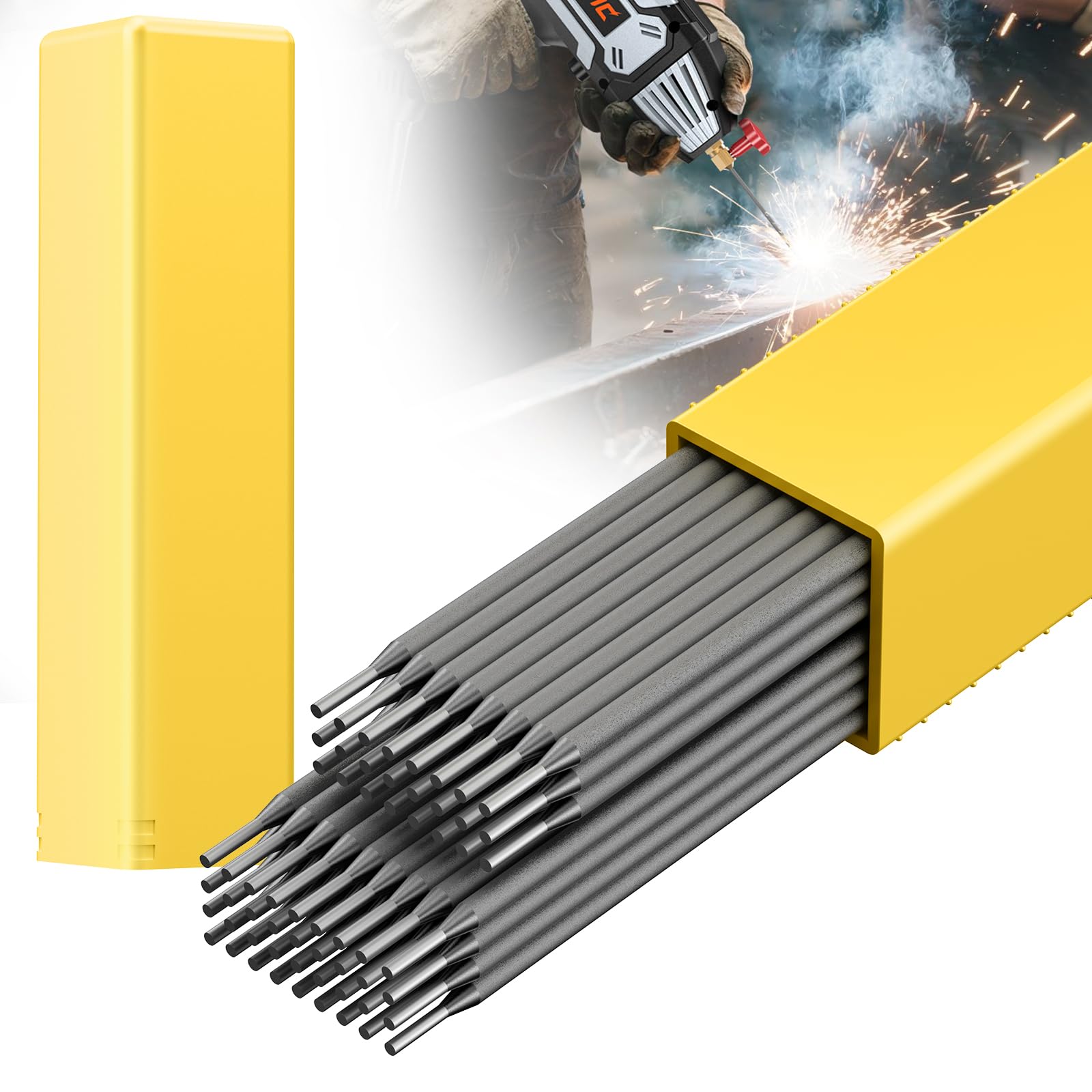
These E6013 rods are a reliable, user-friendly choice when you need predictable results across a range of home and shop repairs. They strike easily, run with a smooth arc and leave manageable slag, so you spend less time grinding and more time finishing projects. The 3/32″ size carries enough heat for medium-thickness steel while still working well on thinner material with correct settings.
Whether you’re restoring a gate, patching a toolbox or handling general maintenance, these rods are forgiving enough for newcomers and consistent enough that experienced folks keep a box on hand.
DIY Tips
Start with the amperage range printed on the package, keep a short arc, and test on scrap. Store unused rods in a sealed dry container. Do not improvise high-temperature redrying unless the manufacturer provides a specific procedure.
Where It Fits
Great for household repairs, trailer and farm fixes, light fabrication and general maintenance where you need dependable all-position performance without fuss.
Key Benefits
- Smooth, stable arc that’s easy to control
- Low spatter and easy slag removal for faster cleanup
- All-position performance suitable for varied repair work
- Check the package for supported current and polarity before use
These small-diameter J422 rods are positioned for detailed mild-steel repairs and light fabrication. Their 1.8 mm size can help reduce heat input compared with larger stick electrodes, but the correct current and polarity must be confirmed from the package.
They are better suited to noncritical light work than thick plate or safety-critical fabrication. Run scrap tests to set heat, arc length, and travel speed before working on the finished part.
DIY Tips
Match amperage to the 1.8mm size and start on a scrap piece to set travel speed and arc length. Use a short arc, steady hand motion, and keep joints clean for best fusion. Store unused rods in a dry container and reduce amperage if rods stick or produce excessive spatter.
Where It Fits
Best for light mild-steel fabrication, small brackets, decorative work, and noncritical maintenance repairs where a small-diameter electrode helps with heat control. Stick welding can still burn through very thin automotive body panels, so practice on matching scrap before attempting panel work.
Key Benefits
- Low spatter and easy slag removal for faster cleanup
- All-position capability for flexible repairs
- Thin diameter suited to detailed work and sheet metal
- Fifty-piece pack sized for repeated small jobs
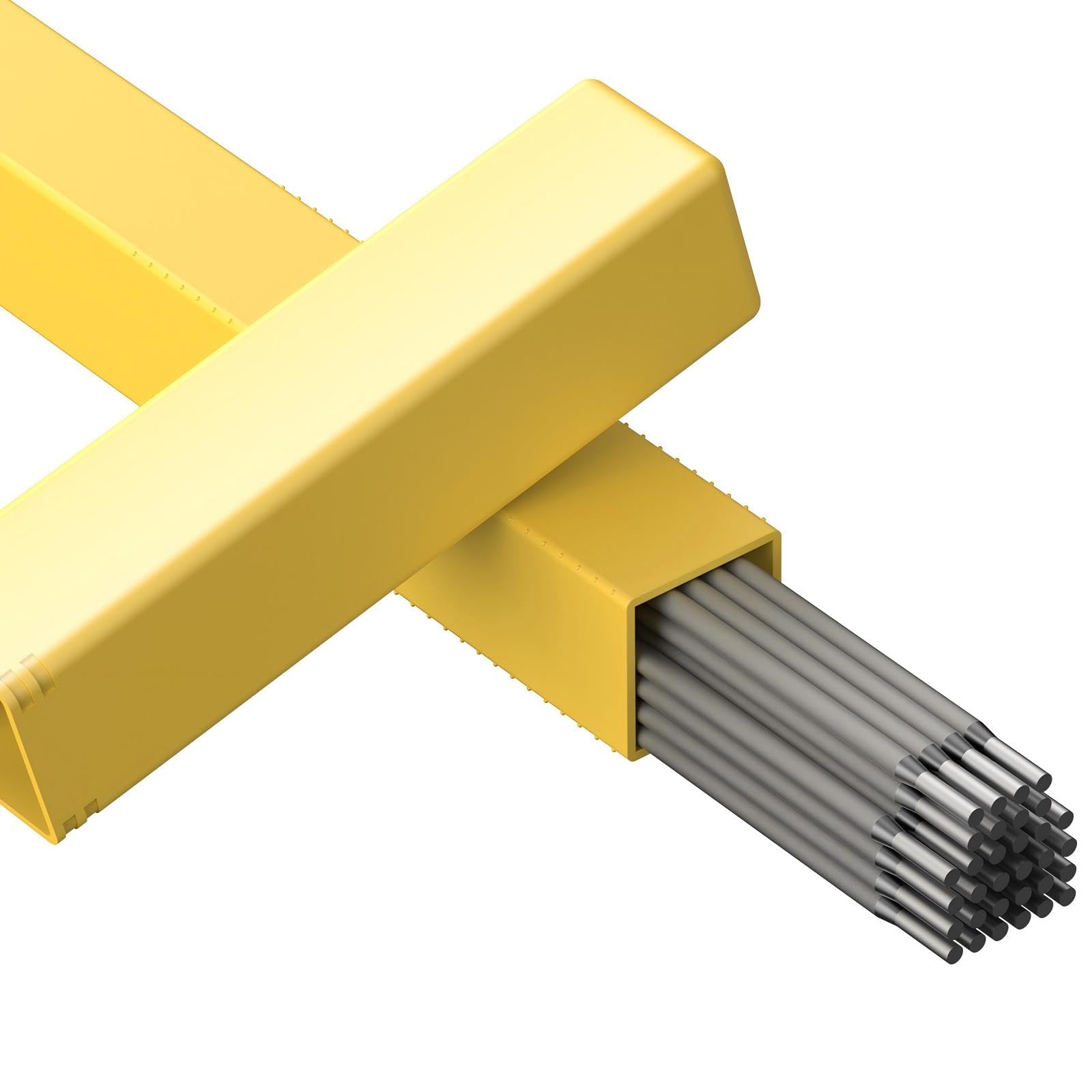
These E6013 rods are a dependable choice when you want predictable, work-ready performance for home and shop repairs. You’ll find they strike easily, run a smooth arc, and lay down tidy beads with minimal cleanup when you set the right amperage.
The 1/8-inch size suits many medium-thickness mild-steel repair jobs when the machine and polarity match the product label. It is a general-purpose option, not a substitute for a qualified electrode and procedure on vehicle frames, pressure parts, or code work.
DIY Tips
Set amperage from the package guidance for the 1/8-inch size, keep a short steady arc, and clean the joint before you start. If the coating shows moisture damage, stop and follow the manufacturer’s storage or redrying instructions instead of guessing.
Where It Fits
Good for brackets, gates, shop fixtures, and general mild-steel maintenance where a 1/8-inch E6013 suits the material thickness. Do not use a general product recommendation as approval for code, pressure, vehicle-safety, or load-bearing welds.
Key Benefits
- Stable, easy-to-control arc for consistent beads
- Low spatter and easy slag removal to speed cleanup
- All-position performance for awkward repairs
- Confirm current and polarity from the package before welding
This hardfacing electrode is designed to build up worn steel surfaces that face moderate abrasion and low impact. It is a maintenance overlay product, not a general-purpose rod for joining two pieces of mild steel.
It’s not a heavy-impact solution, but for moderate abrasion and maintenance buildup it gives consistent, easy-to-run results. Use recommended polarity and preheat when needed to get the best bond and layer control.
DIY Tips
Forney lists DC reverse or AC operation and a 115-160 amp range for this 5/32-inch electrode. Follow the product label, prepare the worn surface, and use controlled layers rather than one oversized pass. Preheat, interpass temperature, number of layers, and final grinding depend on the base metal and service conditions.
Where It Fits
Best for resurfacing tools, machine parts, anvil faces, and other components that see abrasion but not heavy impact. Not ideal for high-impact or shock-loading surfaces where specialized alloys are required.
Key Benefits
- Smooth arc and easy slag removal for faster cleanup
- Good for surface buildup and moderate abrasion repair
- Manufacturer describes the deposit as forgeable for suitable repair work
- Runs well in all positions with reliable consistency
More rod guides: welding rods for outdoor projects and easy-strike E6013 welding rods.
FAQ
How Do I Choose the Right Welding Rod?
Match the classification to the base metal, process, required properties, welding position, current type, and polarity. ER308L is commonly used for TIG welding compatible 300-series stainless. E6013 is a general-purpose mild-steel stick electrode, while E6010 needs a compatible DC power source and is chosen for a forceful, deep-penetrating arc. Pick diameter from the material thickness, joint design, and the manufacturer’s amperage chart.
How Should I Store and Care for Welding Rods?
Keep stick electrodes in their original sealed package or a dry storage container after opening. Do not assume every electrode uses the same rebaking temperature. Follow the manufacturer’s storage and redrying instructions. Keep TIG filler clean, dry, and free of oil, grinding dust, and cross-contamination.
What Settings Work Best for DIY Repairs?
Use the amperage and polarity printed on the electrode package, then fine-tune on scrap that matches the job. Diameter alone is not enough. Position, joint type, base-metal thickness, machine output, and travel speed all affect the correct setting. Keep the work clean, maintain the arc length recommended for the electrode type, and stop if the coating, metal, or ventilation creates a fume hazard.
Test on matching scrap before welding the actual part.
Can I Weld Galvanized or Painted Steel with These Rods?
Do not rely on a rod’s digging arc as permission to weld through coatings. Remove paint, galvanizing, oil, and other coatings from the weld area using a safe method, identify the coating, and use suitable ventilation, fume extraction, and respiratory protection. Coated-metal fumes can be hazardous.
Quick Decision Guide: Welding Rods for DIY Projects
Choose Convivium ER308L for compatible stainless TIG work, YESWELDER E6013 for general mild-steel repairs on AC or DC, and STARTECHWELD E6010 only when you need a forceful root-pass electrode and your DC machine supports it. Pick PLOWIC 3/32 or WOFICRET J422 1.8 mm when lower-amperage control matters, and use Forney Supercote only for moderate-abrasion buildup.
Wrapping Up
You can make a better choice by matching classification, process, polarity, diameter, and base metal before comparing brands. ER308L covers compatible 300-series stainless TIG work. E6013 suits many noncritical mild-steel repairs, while E6010 is a more demanding DC electrode for deep penetration and root work. Hardfacing electrodes serve a different purpose by rebuilding wear surfaces.
Check the current product label, store consumables correctly, prepare the metal safely, and test your settings on scrap before committing to the repair.
| Product | Image | Process / Classification | Size | Best For | Main Limitation |
|---|---|---|---|---|---|
| Convivium ER308L Stainless Steel TIG Welding Rods |
 |
TIG filler, ER308L stainless | 1/16 in. x 16 in.; 20 pieces | Compatible 304/304L and related 300-series stainless work | Small pack; not a universal stainless filler |
| YESWELDER E6013 Welding Rod |
 |
SMAW stick electrode, E6013 | 1/8 in.; 5 lb | General mild-steel repair on compatible AC or DC welders | Too large for very thin sheet; not a code-work approval |
| STARTECHWELD E6010 Welding Rod |
 |
SMAW stick electrode, E6010 | 1/8 in.; 5 lb | Root passes and deep penetration on a compatible DC machine | Many small inverters do not run E6010 well |
| PLOWIC E6013 Welding Rods |
 |
SMAW stick electrode, E6013 | 3/32 in.; 60 pieces | Lighter-gauge mild steel and lower-amperage repair work | Package count is less useful than a verified net weight |
| WOFICRET J422 Welding Rods |
 |
SMAW stick electrode, J422; marketed as similar to E6013 | 1.8 mm; 50 pieces | Small mild-steel repairs and detail work | Verify classification, polarity, and amperage on the package |
| PLOWIC E6013 Welding Rods |
 |
SMAW stick electrode, E6013 | 1/8 in. | General mild-steel maintenance and fabrication | Current package weight and amperage should be checked |
| Forney 42401 Supercote Hardfacing Rod |
 |
Hardfacing stick electrode | 5/32 in.; 1 lb | Moderate-abrasion, low-impact surface buildup | Not a general joining rod or heavy-impact overlay |