As an Amazon Associate I earn from qualifying purchases. Buying through these links costs you nothing extra.
You rely on an inverter welder to give you portable, stable arcs and predictable welds. The rod you choose makes a big difference in how clean and strong those welds turn out. This guide walks you through ten welding rods for inverter welders that cover TIG filler, low-hydrogen stick, stainless options and beginner-friendly sticks. You can match rod chemistry, diameter and packaging to the jobs you do. Knowing which rod to pick saves you time, reduces rework and helps you get consistent results whether you are repairing, fabricating or learning.
Specs here come from the Amazon listings and can change, so confirm rod size, weight and pack count on the listing before you buy.
Top Picks
| Category | Product |
|---|---|
| Best Mild Steel TIG | YESWELDER ER70S |
| Best Heavy-Duty E7018 | YESWELDER E7018 |
| Best Control | ARCCAPTAIN E7018 |
| Best For Beginners | Saker E6013 |
| Best Stainless Stick | YESWELDER E308L |
| Best Combo Pack | YESWELDER Dual |
| Best Thin Stainless TIG | Convivium ER308L |
| Best Budget 7018 | Sunstac E7018 |
| Most Forgiving Rod | Forney E6013 |
| Best All-Around E7018 | TOOLIOM E7018 |
Choosing Welding Rods for Inverter Welders
You need rods that match your inverter welder and the work you do. The rods below are compared on rod type, size, pack and storage, using the Amazon listings and general welding practice rather than hands-on testing. TIG filler rods suit clean, controlled puddles, while stick electrodes such as E7018 and E6013 suit repair and structural work. Check your welder manual for the amperage range and polarity it supports before you pick a diameter.
You get a pack of ER70S-6 mild steel TIG filler rods sized at 1/16″ x 16″. They make bench work, small repairs and thin-plate fabrication easier. The shorter length helps you feed filler into a puddle without wrestling a long stick. Pick this if you want reliable TIG filler for hobby projects and light shop repairs. Keep them dry and wipe with a solvent before use.
Problem Solving
These rods suit everyday TIG tasks like patching mild steel, welding thin sheet and tack welding fixtures. You can rely on them for practice, small fabrications and repairs where control and a predictable puddle matter.
For long production runs or critical structural work you might prefer full-length rods or specialty filler alloys.
Expertise Level
Beginner to Hobbyist
Key Benefits
- Smooth arc and good puddle control for TIG work
- Short 16″ length is easy to maneuver in tight spots
- Consistent metal quality suitable for hobby and repair work
- Packaged for convenient storage and quick access
Rating: 4.7 (total: 901+)
You get a 10 lb pack of E7018 low-hydrogen electrodes built for predictable, strong stick welds on carbon steel. These rods strike reliably and produce a steady bead when you set your amperage right. They work well for farm gear repairs, structural work and routine maintenance.
Pick this if you want a go-to electrode that behaves like name-brand sticks without much fuss. Keep them dry and match wire size to material thickness and you’ll find they handle tight fit-ups with little drama.
Problem Solving
These E7018 rods suit structural repairs, farm equipment, and general maintenance where low hydrogen and good penetration matter. You can rely on them for sound welds on carbon steel, especially when you need predictable results on tacked or tight-fit joints.
For precision TIG work or exotic alloys you’ll want a different filler, but for stick-based repair and fabrication they handle most common problems.
Expertise Level
Intermediate to Professional
Benefits
- Low-hydrogen formulation for stronger, crack-resistant welds
- Consistent arc and predictable bead geometry
- Performs like name-brand rods for many users
- Good storage packaging for keeping rods dry
Rating: 4.6 (total: 1719+)
You get a reliable E7018 stick electrode designed for low-hydrogen, crack-resistant welds on carbon steel. These rods are known for an even arc and steady bead. They make routine shop work, farm repairs and structural fixes easier.
Pick this if you need good control in tight fit-ups or when welding tacky joints. They’re easy to store and handy to keep in your toolbox for most maintenance and fabrication tasks.
Problem Solving
These E7018 rods suit structural repairs, farm equipment maintenance and general fabrication where low hydrogen and predictable penetration matter. They handle tight preps and routine shop problems reliably.
Expertise Level
Beginner to Professional
Key Benefits
- Low-hydrogen formulation for stronger, less brittle welds
- Steady arc and predictable bead shape
- Easy strike and consistent performance across rods
- Suitable packaging for storage and transport
Rating: 4.6 (total: 459+)
You’ll find these E6013 rods friendly to use whether you’re just starting or doing quick shop repairs. They strike easily and lay a smooth bead. They work well for thin tubing, light fabrication and practice sessions.
Pick this if you want forgiving rods for learners or everyday fixes. Expect some spatter, but it’s predictable once you dial in the right settings. Keep the tube handy for storage.
Problem Solving
These rods handle thin sheet, light fabrication and quick repairs well. They help you bridge gaps in fit-ups and make tidy practice beads. They’re not aimed at high-strength structural joins, but for maintenance, hobby projects and learning they solve the common problems of hard starts and uneven beads.
Expertise Level
Beginner to Hobbyist
Key Benefits
- Reliable arc starts that help you get going quickly
- Smooth bead profile ideal for thin‑gauge work and practice
- Compact tube packaging protects rods and is easy to store
- Good choice for learning and routine maintenance tasks
Rating: 4.6 (total: 333+)
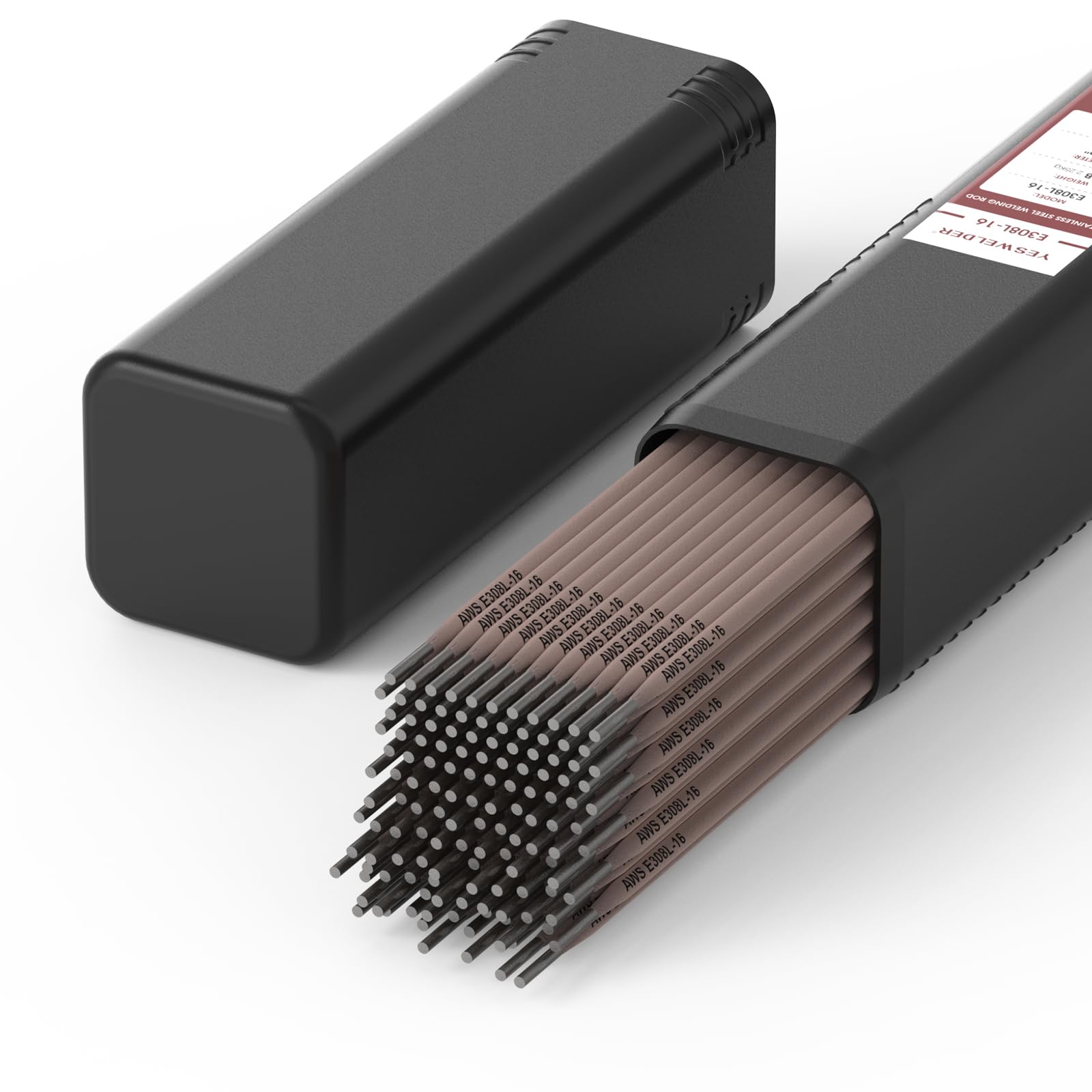
If you need to weld stainless without switching to MIG or TIG, these E308L stick rods are a practical fallback. They give you self-cleaning beads and decent puddle control on thin tubing and exhaust work. The 3/32″ size works well for light fabrication and repair.
Pick this if you do small shop fixes or patching stainless where TIG isn’t an option. You’ll appreciate the reusable tube for short-term storage, and they behave predictably once you settle on polarity and amps.
Problem Solving
These electrodes solve common shop problems like patching exhausts, repairing stainless brackets and welding thin 300-series tubing where a TIG or MIG setup isn’t practical. They bridge the gap for quick fixes and maintenance.
Expertise Level
Intermediate
Key Benefits
- Produces self-cleaning beads suitable for stainless repairs
- Good puddle control on thin stainless tubing and sheet
- Reusable tube helps protect rods from moisture
- Works well when MIG/TIG aren’t available
Rating: 4.5 (total: 18+)
You get a mixed pack of E7018 rods that covers two common sizes. You can switch between tack work and heavier beads without buying separate boxes. The low-hydrogen formulation helps reduce cracking on welds that need toughness.
Pick this if you do a mix of maintenance, fabrication and occasional structural repairs. The split packaging keeps the sizes organized for quick access.
Problem Solving
This dual pack solves the common shop need to jump between light tacks and more robust beads. It makes repairs, frame work and general fabrication easier without changing inventory. It’s a solid option when you want reliable E7018 performance for tight fit-ups and routine structural tasks.
Expertise Level
Beginner to Professional
Key Benefits
- Two common diameters in one container for flexibility
- Low-hydrogen chemistry for stronger, crack-resistant welds
- Well-sealed packaging that helps preserve rods
- Consistent arc and predictable bead for varied tasks
Rating: 4.6 (total: 103+)
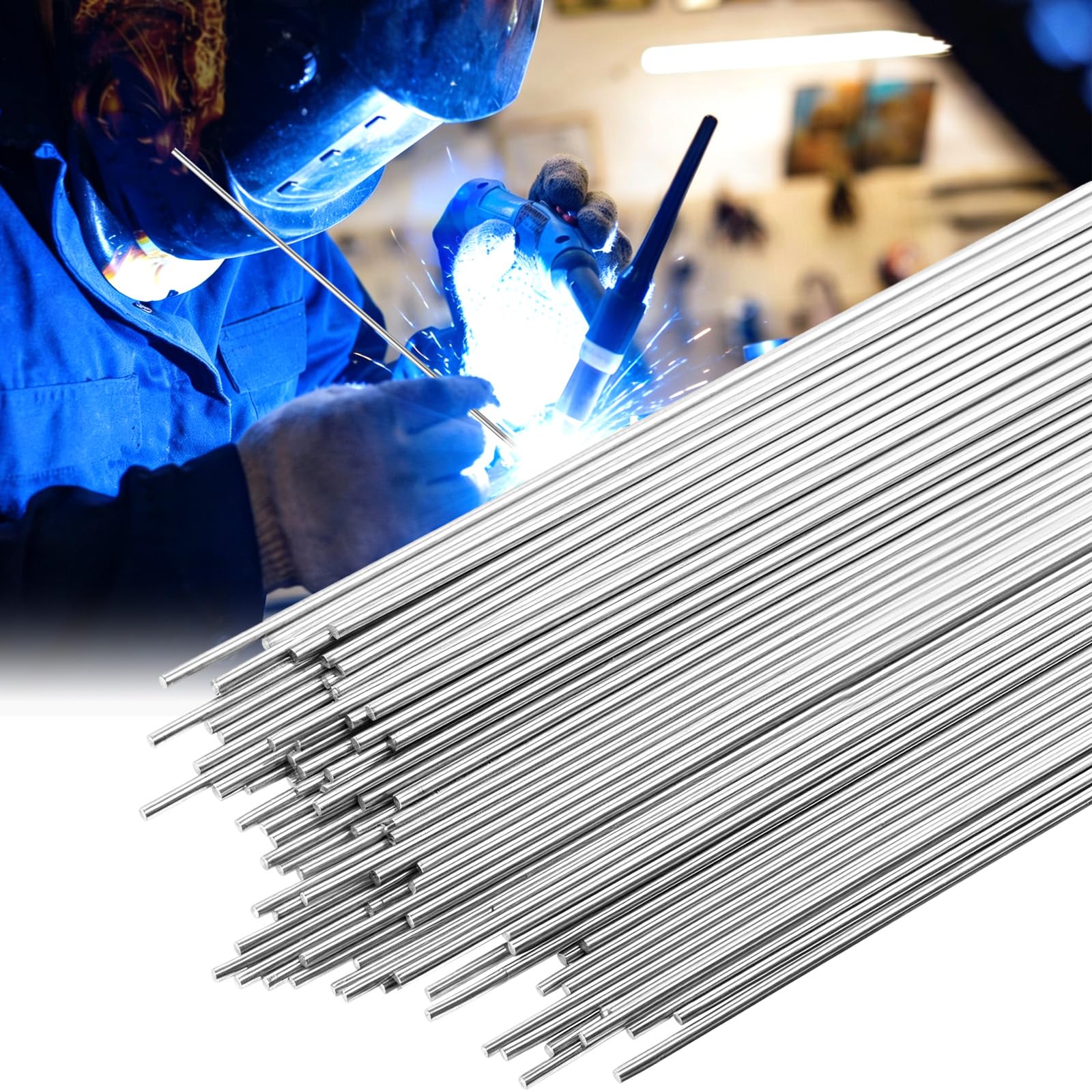
You’ll find these ER308L rods useful when you need clean, controllable TIG filler for 300-series stainless. The 1/16″ diameter feeds smoothly into the puddle and helps keep the arc stable on thin tubing and sheet. The low-carbon alloy improves corrosion resistance.
Pick this if you do light fabrication, exhaust work or patching stainless where TIG control matters. The rods arrive clean and sorted in a reusable tube.
Problem Solving
These TIG filler rods fit tasks like patching stainless tanks, welding thin tubing and small fabrication where control and finish matter. They help you avoid excess spatter and reduce cleanup on delicate joints.
Expertise Level
Beginner to Intermediate
Key Benefits
- Smooth feed and stable arc for tidy TIG beads
- Low-carbon composition for better corrosion resistance
- Convenient 16″ length for bench work and tubing
- Reusable tube keeps rods organized and protected
Rating: 5.0 (total: 7+)
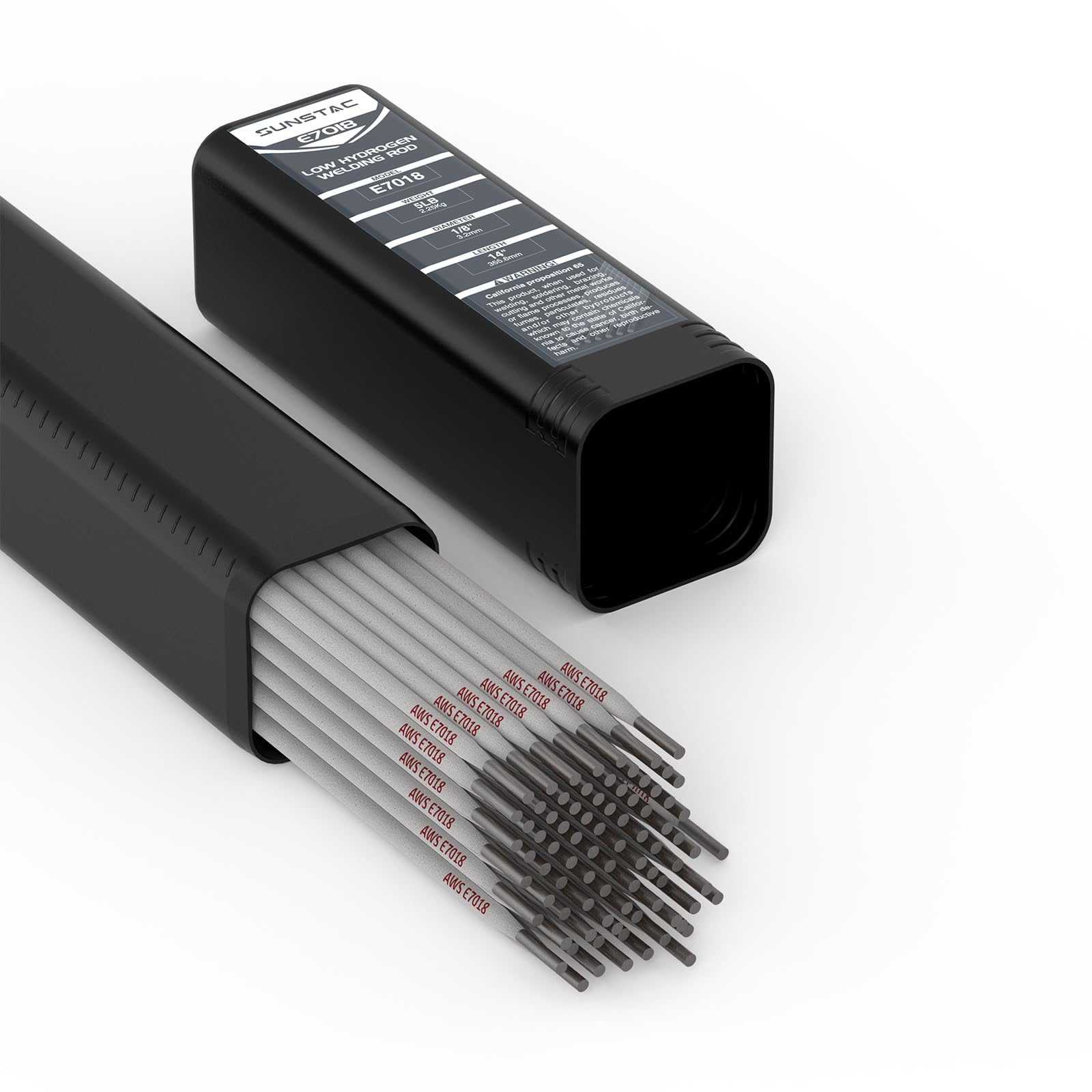
You get a low-hydrogen E7018 stick electrode built for predictable, crack-resistant welds on carbon steel. These rods are forgiving once you dial in amperage and deliver consistent penetration for repairs, farm gear and general fabrication.
Pick this if you want toughness for routine maintenance, frame and chassis fixes. Keep them dry and matched to material thickness and they make everyday stick welding less fiddly.
Problem Solving
These electrodes address common shop problems like cracked or brittle welds by offering a low-hydrogen option that improves toughness. They suit repairs on farm equipment, structural joins and maintenance where dependable stick performance is needed rather than fine cosmetic work.
Expertise Level
Intermediate to Professional
Key Benefits
- Low-hydrogen chemistry reduces cracking risk
- Consistent arc and reliable penetration
- Good for tight fit-ups and structural repairs
- Sturdy packaging helps preserve rod condition
Rating: 4.7 (total: 38+)
You’ll find these E6013 rods easy to work with whether you’re learning stick welding or doing everyday shop repairs. The 3/32″ size balances control and penetration. The alloy handles thin tubing, slightly rusty surfaces and general fabrication without fuss.
Pick this if you want rods that strike reliably and melt smoothly for practice, maintenance and quick metalwork. Keep them dry and they’re a solid go-to.
Problem Solving
These rods work well for patching thin tubing, welding mild steel with light millscale and doing general maintenance where a forgiving arc matters. They help you avoid burn-through on thin sections and let you keep producing decent beads when conditions aren’t pristine.
Expertise Level
Beginner to Professional
Key Benefits
- Easy arc starts that help you get going quickly
- Forgiving on thin or slightly scaled steel
- Smooth weld appearance with manageable slag
- Durable packaging and low moisture sensitivity
Rating: 4.6 (total: 1492+)
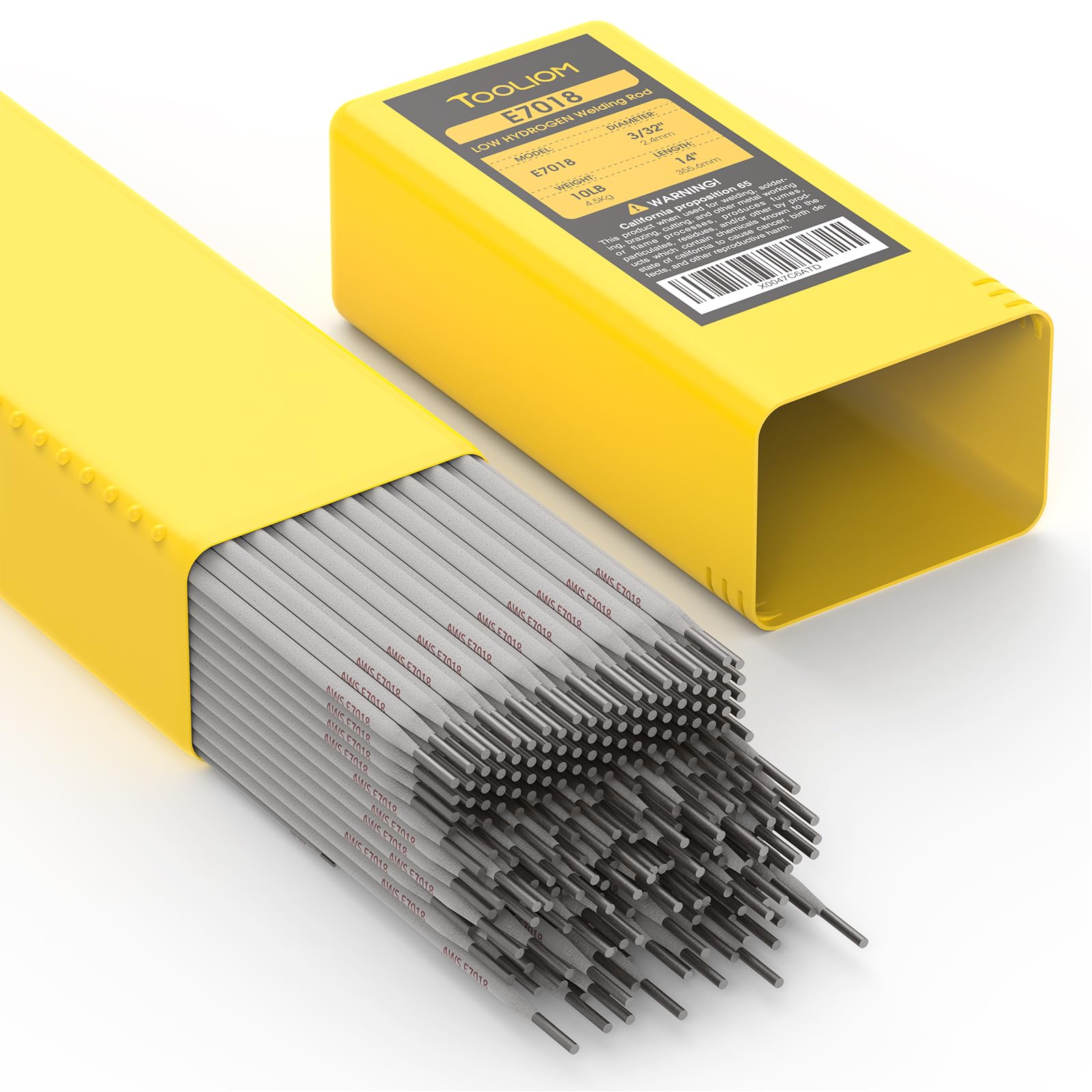
You get a heavy 10 lb pack of E7018 rods built to deliver steady, low-hydrogen stick welds on carbon steel. They’re the kind of electrode you reach for when toughness and crack resistance matter. They behave predictably once you dial in the right amperage.
Pick this if you want a reliable stick for everyday structural work, frame repairs and farm equipment fixes. Keep them dry and they’ll handle most shop maintenance without fuss.
Problem Solving
These rods help you tackle common shop problems like brittle welds and cracking by offering a low-hydrogen option that improves toughness and penetration. They suit structural repairs, chassis and frame work, and routine maintenance where a dependable stick electrode is required.
Expertise Level
Intermediate to Professional
Key Benefits
- Low-hydrogen chemistry reduces risk of cracking
- Consistent arc and dependable bead geometry
- Large 10 lb pack is convenient for frequent use
- Sturdy rods that perform like trusted name brands
Rating: 4.7 (total: 290+)
More guides: Alloyman 120A stick welder review, welding rod value packs and welding rods for newbies.
FAQ
How Do I Choose the Right Rod for an Inverter Welder?
Start by matching the rod to the base metal and the job: use E7018 for structural carbon steel where toughness matters, E6013 for forgiving starts and thin or slightly scaled steel, ER70S‑6 as TIG filler for mild steel and E308L for 300‑series stainless. Pick a diameter that fits the material thickness and the joint. If you’re unsure, match the rod to the material and test on scrap so you can dial your inverter’s settings before the real weld.
How Should I Store Welding Rods?
Keep rods dry and sealed between uses because moisture ruins flux and causes porosity or hydrogen problems. Store low‑hydrogen electrodes in a tight container or rod oven and consider a desiccant for long term storage. Wipe TIG fillers with a solvent like acetone if they look dirty. If E7018 rods absorb moisture check manufacturer guidance about re‑baking or replacing them so you don’t risk brittle welds.
Any Tips for TIG Filler and Short Rods?
Short 16″ TIG rods are easier to handle in tight spots and for bench work, but they get used up faster. Keep extras handy and practice a steady feed technique. With an inverter TIG function, make sure your gas coverage is good, control heat gently, and practice on scrap to find the right arc length and filler rhythm before tackling important joints.
Can an Inverter Stick Welder Run E7018 and E6013 Rods?
Usually yes, provided the machine has enough amperage for the rod diameter and supports the polarity the electrode needs. Check your welder manual and the rod package for the recommended amperage range before you buy a larger diameter.
Which Rod Fits Which Job
When choosing between ER70S TIG filler and E7018 stick rods you prioritize the job and material. Pick ER70S for neat TIG work on mild steel where appearance and puddle control matter. Go with E7018 when you need low‑hydrogen, crack‑resistant stick welds for repairs and structural work. Between the two E7018s, you usually choose the 3/32 ARCCAPTAIN for finer control and easier starts on thinner sections and the 1/8 YESWELDER when deeper penetration is needed. Practical factors like rod length, packaging and how easily a rod strikes also tip the decision.
Wrapping Up
Now that you can match rods to tasks, choose ER70S or ER308L TIG filler for clean, precise stainless or mild-steel TIG work. Pick E7018 for structural repairs where low hydrogen and good deposition matter. If you are learning, an E6013 gives forgiving arcs and easier starts. Combo packs and 10 lb reels make sense when you want flexibility or long runs.
Use packaging and storage to keep rods dry and pick diameters that suit material thickness. That way you spend less time troubleshooting and more time welding good beads.
| Product Name | Image | Weight | Size |
|---|---|---|---|
| YESWELDER Mild Steel TIG Welding Rod ER70S-6 1/16″x16″ 5LB |
 |
5 pounds | 1/16″x16″ 5LB |
| YESWELDER E7018 1/8” 10LB Welding Rod Low Hydrogen Carbon Steel Stick Electrodes |
 |
10.34 pounds | 1/8″ |
| ARCCAPTAIN E7018 Welding Rod 3/32” 5LB |
 |
5.28 pounds | 3/32″ |
| Saker E6013 Welding Rod 3/32” 1-Pound |
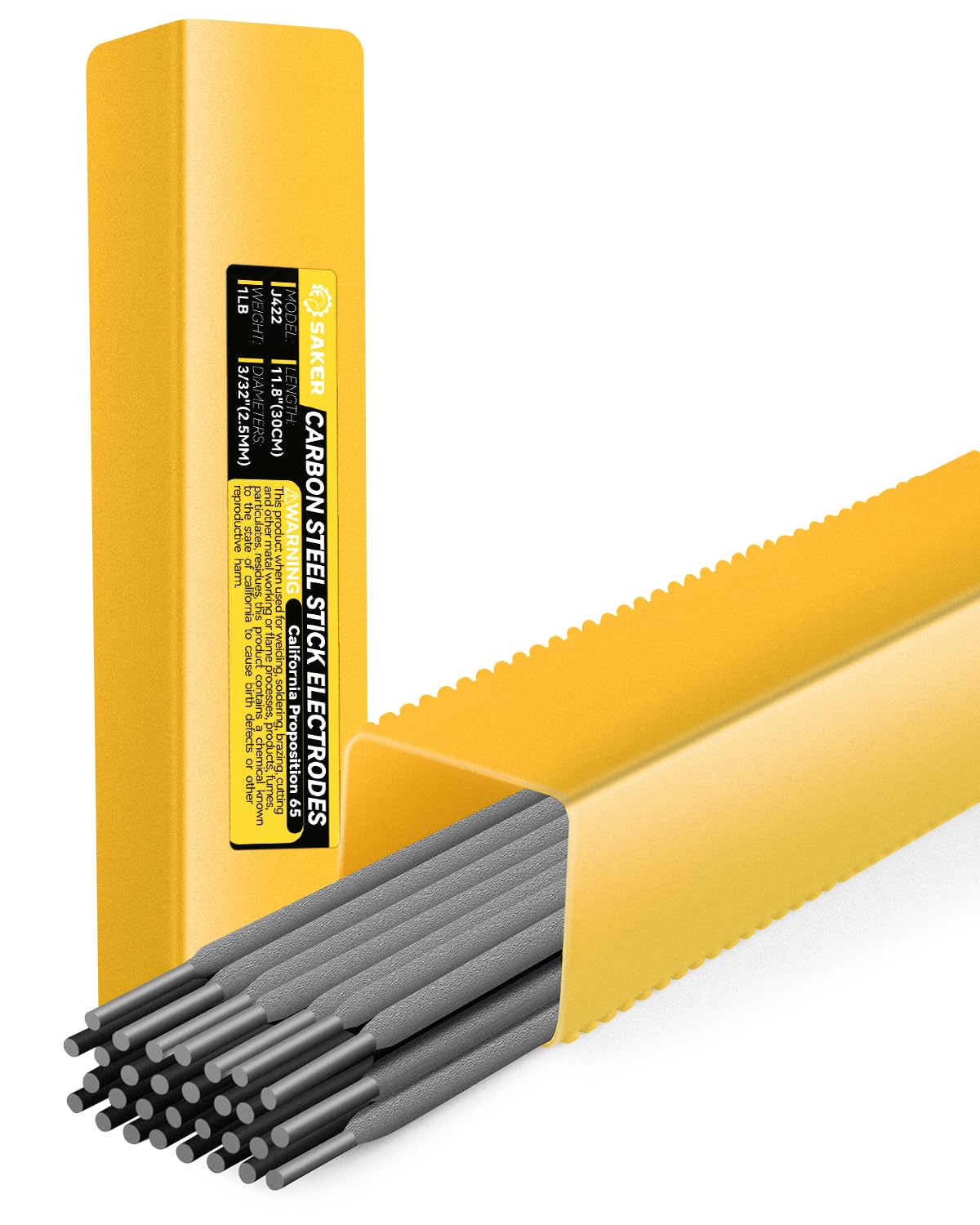 |
1.01 pounds | 3/32” 1LB |
| YESWELDER E308L-16 Stainless Steel Stick Electrodes |
 |
5.26 pounds | 3/32″ |
| YESWELDER E7018 3/32″(2.5lb)+1/8″(2.5lb) Welding Rod |
 |
5.19 pounds | 3/32″+1/8″ |
| Convivium ER308L Stainless Steel TIG Welding Rods |
 |
6.7 ounces | 1/16″ x 16″ |
| E7018 Welding Rod 1/8″ 5LB |
 |
5.24 pounds | 1/8″ 5LB |
| Forney 30305 E6013 Welding Rod, 3/32-Inch, 5-Pound |
 |
5.2 pounds | 3/32-Inch |
| TOOLIOM E7018 Low Hydrogen Welding Rod 3/32″ 10LB |
 |
10.17 pounds | 3/32″ 10LB |