Disclosure: As an Amazon Associate, we earn from qualifying purchases. If you click a link on this page and make a purchase, we may receive a small commission at no extra cost to you.
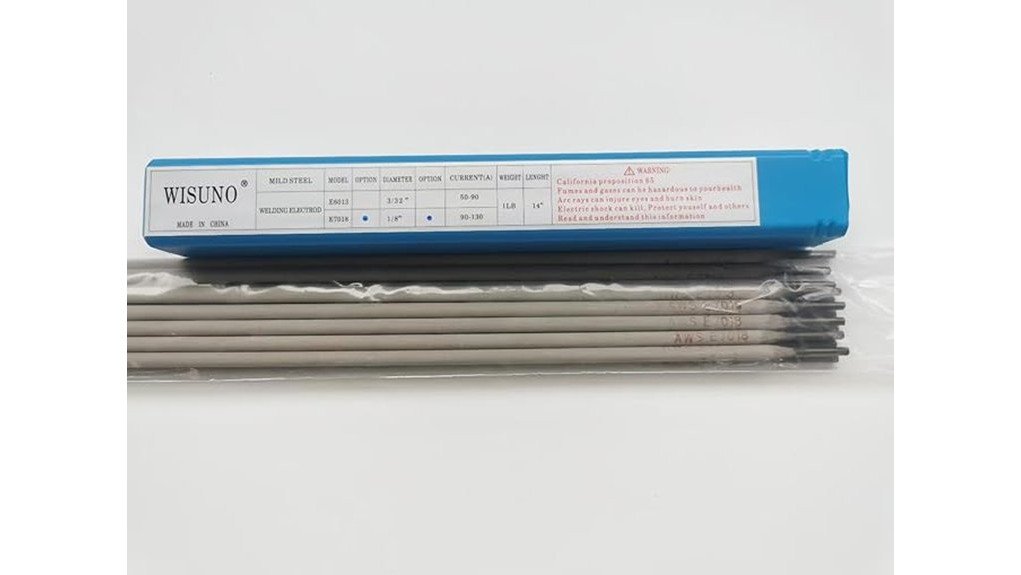
Choosing the right stick electrode matters when you want strong welds without fighting arc starts, excess spatter, or hard slag removal. The WISUNO E7018 Welding Rods are 1/8-inch carbon steel electrodes made for low carbon steel work, with support for both AC and DC machines. This review looks at where they make sense, what you should check before buying, and how to get better results from this low-hydrogen rod type. The main strength is versatility, but you still need proper storage and electrode preparation to avoid moisture-related weld problems.
Quick Verdict
Rating: 8/10
Best For: welders who need 1/8-inch E7018 rods for low carbon steel, small structural parts, frames, brackets, and general stick welding practice.
Bottom Line: The WISUNO E7018 rods are worth considering if you want AC/DC compatibility, all-position use, and smooth weld beads on low carbon steel. They are not ideal if you cannot store or prep low-hydrogen electrodes correctly.
| Specification | Detail |
|---|---|
| Brand | WISUNO |
| Product type | E7018 carbon steel stick welding electrodes |
| Rod diameter | 1/8 inch |
| Package weight | 1.04 pounds |
| Package size | 13.89 x 1.22 x 1.1 inches |
| Power compatibility | Designed for AC and DC stick welding applications |
| Welding position | All-position welding |
| Best use | Low carbon steel structures, frames, bridges, machinery components, thin plates, and small parts |
| Care note | Store dry and prepare electrodes correctly before use to reduce moisture-related weld defects. |
What Are the WISUNO E7018 Welding Rods?
The WISUNO E7018 Welding Rods are 1/8-inch carbon steel stick electrodes designed for welding low carbon steel. They are made for use with both AC and DC power sources, which gives you more flexibility if your welder supports different output types.
E7018 rods are often chosen when you want a stable arc, smoother bead appearance, and strong welds on structural steel projects. In this article-supported product listing, these rods are described as suitable for all-position welding, with easy arc initiation, minimal spatter, and easy slag removal.
The package details listed in the article include a 1.04-pound weight and a compact package size of 13.89 x 1.22 x 1.1 inches. That makes this more of a small-quantity purchase than a bulk shop supply, so it is better for repair work, practice, or occasional projects than high-volume fabrication.
Before You Buy: E7018 rods are low-hydrogen electrodes, so moisture control matters. If you cannot keep rods dry or follow proper prep guidance, weld quality can suffer even if the rods are otherwise suitable for your project.
Who Should Buy It?
Best For
- Stick welders who need 1/8-inch E7018 rods for low carbon steel.
- Buyers who want rods that can work with AC or DC machines.
- Small-shop users working on frames, brackets, thin plates, and machinery components.
Skip If
- You need electrodes for stainless steel, aluminum, or other non-carbon-steel materials.
- You want a large bulk package for daily production welding.
- You do not have a dry storage method for low-hydrogen electrodes.
Performance Features and Benefits
Arc Start and Stability
The article describes these rods as easy to start, with a stable arc once welding begins. That matters because a stable arc helps you control travel speed, bead width, and tie-in at the edges of the weld.
For newer stick welders, easy arc initiation can reduce frustration during practice. For experienced users, it helps keep repair work moving when you are welding small parts, brackets, or awkward positions.
Weld Bead Appearance
These E7018 rods are described as producing smooth weld seams with minimal spatter. A cleaner bead can reduce cleanup time, especially when the weld will remain visible or needs light finishing before paint or assembly.
Minimal spatter is also useful when you are welding near edges, holes, or machined surfaces. It does not remove the need for surface prep, but it can make the finished work look cleaner.
Slag Removal
The original article notes easy slag removal as one of the product benefits. That is helpful because stubborn slag can slow you down and may hide defects until the bead is cleaned.
For best results, let the weld cool enough for safe handling, chip or brush the slag fully, and inspect the bead before making another pass. Clean interpass work is especially important when strength and appearance both matter.
AC and DC Compatibility
The WISUNO E7018 rods are described as compatible with both AC and DC applications. This is a useful feature if your stick welder supports more than one output mode, or if you want rods that are less tied to one machine setup.
You should still match amperage and polarity to your welder, rod diameter, and project needs. The article does not provide a specific amperage range, so check the product label, your welding machine chart, or the rod packaging before striking an arc.
Ideal Applications for E7018
These rods are best matched with low carbon steel structures and general structural-style welding. The article lists frames, bridges, machinery components, thin plates, and small parts as suitable project examples.
The 1/8-inch size is a common stick electrode diameter for general repair and fabrication work, but it still needs enough material thickness and correct machine settings. On thin plate, you need careful heat control to avoid burn-through, warping, or a wide bead.
E7018 is not the right choice for every metal. For stainless steel, use a stainless electrode that matches the base metal. For aluminum, you need a process and filler made for aluminum welding.
How It Performs in Real Use
For Small Repair Jobs
For brackets, tabs, small frames, and machinery parts made from low carbon steel, these rods make sense when you want a stable arc and a neat bead. The small package size also fits occasional repairs better than large production jobs.
For Structural-Style Welds
E7018 rods are commonly chosen when strength and bead quality matter. In this article, the rods are described as having controlled deposited-metal composition with good strength and elongation, which supports their use on demanding low carbon steel tasks.
For Practice and Skill Building
If you are learning to run 7018, the easy arc start and smooth slag removal described in the article can help you focus on travel angle, arc length, and bead shape. You still need clean steel and consistent movement to get a sound weld.
For Outdoor or Field Use
The original article says these rods can support outdoor welding conditions due to stable arc behavior. That said, wind, surface moisture, dirty steel, and poor rod storage can still hurt weld quality, so outdoor work needs extra prep and inspection.
Usage Guidelines for Better Results
Good results with E7018 rods depend on more than the rod itself. Your base metal, welder setup, storage method, and technique all affect the final bead.
- Prep the metal first: Remove rust, oil, paint, and heavy mill scale from the weld area before welding.
- Keep a short arc: A tight, steady arc helps reduce porosity and keeps the bead more controlled.
- Limit weaving: Use a narrow bead when possible, especially on smaller parts or thinner plate.
- Use clean starts: A run-on tab or strike-and-return technique can help reduce arc-start porosity.
- Follow rod prep guidance: The article notes baking at 350-380°C for 1 hour before welding. Follow the product label or welding procedure when available.
Pro Tip: If a 7018 rod starts sticking, sputtering, or making rough porous beads, stop and check your metal cleanliness, arc length, amperage, and rod storage before blaming the machine.
Storage and Moisture Control
E7018 rods are sensitive to moisture compared with many general-purpose electrodes. Moisture in the flux can contribute to porosity, unstable performance, and weaker weld quality.
Store rods in a dry place and avoid leaving opened rods exposed to humid shop air. If your project requires code-level welds or critical strength, follow the required welding procedure and use proper low-hydrogen storage equipment.
For casual repair work, dry storage still matters. Keep the rods sealed when not in use, avoid damp benches or toolboxes, and do not use rods that appear damaged, wet, oily, or contaminated.
Compatibility and Safety
The WISUNO E7018 rods are intended for low carbon steel. They are not a general replacement for stainless steel, cast iron, aluminum, or specialty alloy electrodes.
Always wear a welding helmet, gloves, flame-resistant clothing, and safety glasses when using stick electrodes. Welding produces heat, sparks, UV radiation, fumes, and slag, so you also need safe ventilation and a clean work area.
Do not weld on closed containers, painted surfaces, galvanized metal, or unknown materials without proper safety procedures. If the weld is load-bearing, vehicle-related, pressure-related, or part of a critical structure, get qualified guidance before welding.
Pros and Cons
Pros
- 1/8-inch E7018 size fits many common low carbon steel stick welding jobs.
- Designed for both AC and DC welding applications.
- Article-supported all-position use gives you more flexibility on repair and fabrication work.
- Stable arc, minimal spatter, and easy slag removal can reduce cleanup time.
- Small 1.04-pound package suits occasional repairs, practice, and light shop use.
Cons
- Low-hydrogen rods need proper dry storage and preparation.
- Not suitable for stainless steel or aluminum welding.
- Package size is better for smaller jobs than high-volume production work.
Is It Worth the Price?
The WISUNO E7018 Welding Rods look like a smart buy for everyday use if you need a small package of 1/8-inch low carbon steel electrodes. The value is strongest for hobby welders, repair users, and small-shop buyers who do not need a large box of rods.
You get the most value if AC/DC compatibility, stable arc behavior, and cleaner bead appearance matter to you. The main limitation is storage and prep, because 7018 rods can lose performance if they absorb moisture.
If you weld often or run long projects, compare package size and cost per pound before ordering. A smaller pack can be convenient, but it may not be the best value for production work.
How It Compares to Alternatives
If you want a known shop-standard option, Lincoln Excalibur 7018 and Hobart 7018 AC rods are worth comparing. If you mainly need basic utility rods for less demanding work, Forney 7018 options may also be on your shortlist.
The WISUNO E7018 rods make the most sense if you want a compact 1/8-inch package with AC/DC compatibility for low carbon steel repair, practice, or small fabrication tasks. Buyers who need certified rods for code work should confirm packaging, storage requirements, and procedure requirements before purchase.
Frequently Asked Questions
Are the WISUNO E7018 rods suitable for AC and DC welders?
Yes. The article describes these rods as suitable for both AC and DC welding applications. You should still match your machine settings to the rod diameter, base metal, and welding position.
What metal are these E7018 rods best for?
They are best suited for low carbon steel. The article lists frames, bridges, machinery components, thin plates, and small parts as possible uses.
Can you use these rods for stainless steel?
No. These are carbon steel electrodes, so they are not the right match for stainless steel. For stainless projects, choose a stainless electrode that matches the base metal.
Do E7018 rods need special storage?
Yes. E7018 rods should be kept dry because moisture can hurt arc quality and weld integrity. Use dry storage and follow the product label or welding procedure for any baking requirements.
What size are these welding rods?
The article lists the rod diameter as 1/8 inch. It also lists the package weight as 1.04 pounds and the package size as 13.89 x 1.22 x 1.1 inches.
Are these rods good for beginners?
They can work for beginners who want to practice 7018 technique, especially because the article describes easy arc initiation and stable arc behavior. Beginners still need to learn short arc control, clean starts, and proper slag removal.
Who should skip these rods?
Skip them if you need rods for stainless steel, aluminum, or specialty metals. You may also want a larger package if you weld every day or need electrodes for production work.
The Bottom Line
The WISUNO E7018 Welding Rods are a solid option for welders who need 1/8-inch carbon steel electrodes for low carbon steel repair, practice, and small fabrication jobs. Their strongest advantages are AC/DC compatibility, all-position use, stable arc behavior, and cleaner weld appearance.
They are not the best fit if you need stainless steel rods, bulk packaging, or electrodes that can be left exposed without careful storage. If you can keep them dry and match them to the right steel, they are worth considering with those caveats.