Disclosure: As an Amazon Associate, we earn from qualifying purchases. If you click a link on this page and make a purchase, we may receive a small commission at no extra cost to you.
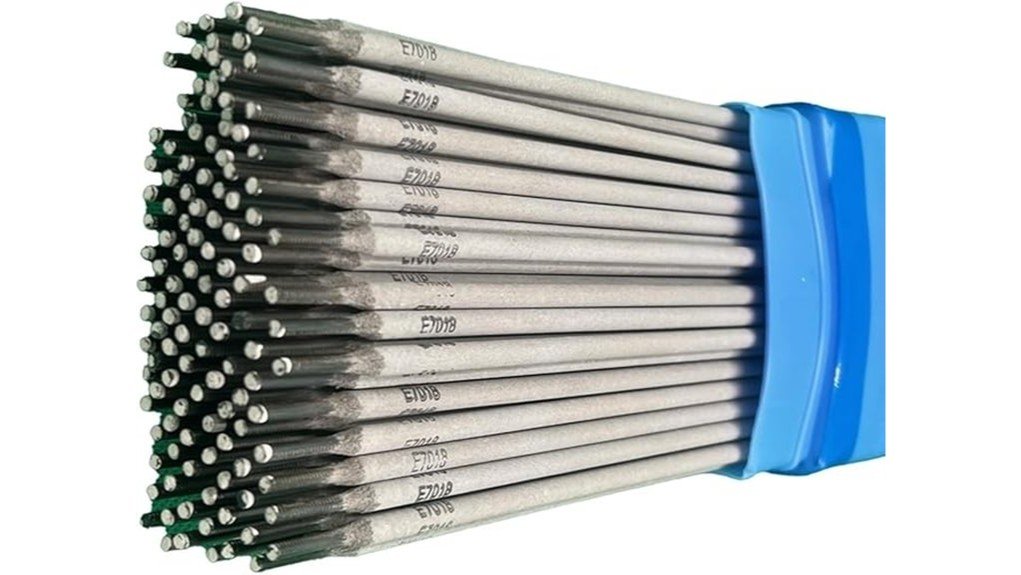
Choosing the right 1/8 inch 7018 welding rod matters when you need clean, strong welds on steel that cannot tolerate weak fusion or excess hydrogen. This low-hydrogen stick electrode is made for welders who want a steady arc, easier slag removal, and dependable performance on structural steel, heavy equipment, and repair work. It is strongest when you store it correctly and match it with the right machine settings. This review explains where the 7018 welding rod 1/8 inch performs well, where it needs extra care, and who should choose it over easier beginner rods.
Quick Verdict
Rating: 8/10, Recommended with caveats
Best For: Welders who need a low-hydrogen 1/8 inch electrode for structural steel, fabrication, repair work, and all-position stick welding.
Bottom Line: The 7018 welding rod 1/8 inch is a strong choice when you want cleaner welds, stable arc control, and better impact performance than many general-purpose rods. The main tradeoff is storage care, since low-hydrogen rods can absorb moisture if you leave them exposed.
| Specification | Detail |
|---|---|
| Product type | Stick welding electrode |
| Electrode class | 7018 welding rod |
| Diameter | 1/8 inch |
| Coating type | Low-hydrogen coating |
| Welding process | SMAW, stick welding, MMA welding |
| Welding position | All-position welding, based on the article claim |
| Best use | Structural steel, fabrication, shipbuilding, heavy equipment, process piping, and repair work |
| Compatible metals | Carbon steel and alloy steel, based on the article claim |
| Impact value listed | 78 ft-lbs at -20°F, confirm package data before code-required work |
| Storage note | Keep dry and follow the package or welding procedure instructions |
Key Takeaways
- The 7018 welding rod 1/8 inch uses a low-hydrogen coating that helps support cleaner welds with less spatter.
- The 1/8 inch diameter suits many structural, fabrication, and repair jobs when your machine can run the required amperage.
- The article lists Charpy impact performance at 78 ft-lbs at -20°F, but you should confirm exact package data before code work.
- Easy slag removal and good re-striking make it practical for repeat welds and multi-pass work.
- Storage matters because low-hydrogen electrodes can lose performance if they absorb moisture.
What Is the 7018 Welding Rod 1/8 Inch?
The 7018 welding rod 1/8 inch is a stick welding electrode designed for strong welds on carbon and alloy steels. The 7018 class is known for a low-hydrogen coating, which helps reduce hydrogen-related weld problems when you handle and store the rod correctly.
This rod is most useful when you need cleaner bead appearance, reliable arc stability, and better impact performance than many basic general-purpose electrodes. The 1/8 inch size is a common choice for fabrication and repair because it balances weld deposit, control, and productivity.
You still need the right setup. Low-hydrogen rods reward clean metal, correct amperage, dry storage, and steady travel speed. If you mainly weld thin sheet metal or want the easiest beginner rod, a 7018 may feel less forgiving than lighter-duty options.
Who Should Buy It?
Best For
- Welders working on structural steel, farm repairs, frames, brackets, and heavy equipment.
- Users who want a low-hydrogen electrode for cleaner welds and stronger joint integrity.
- Stick welders who need all-position capability and easier slag removal during repeat passes.
Skip If
- You cannot store rods in a dry place after opening the package.
- You mostly weld thin sheet metal where a smaller electrode may give better control.
- Your project requires certified consumable data and you cannot confirm the exact package specifications.
Before You Buy: Confirm that your welder can run 1/8 inch 7018 rods and check the package data before using them for code-required structural work. Do not rely on a product page alone for critical weld procedure decisions.
Features and Characteristics of the 7018 Welding Rod
Low-Hydrogen Coating
The main reason to choose a 7018 electrode is its low-hydrogen design. In practical use, that helps reduce the risk of hydrogen-related weld cracking when the base metal, joint prep, rod condition, and welding procedure are correct.
The tradeoff is storage care. A 7018 rod should stay dry before use, and opened rods should not sit exposed in damp air. Moisture can affect arc behavior, bead quality, and weld reliability.
1/8 Inch Diameter
The 1/8 inch size gives you a useful balance of weld deposit and control. It can cover more ground than smaller rods while still giving you enough control for many repairs, fabrication joints, and multi-pass welds.
This size is not ideal for every job. On thin material, you may need a smaller electrode or a different rod type to avoid burn-through and poor control. Always match rod size to metal thickness and your machine output.
Arc Stability and Slag Removal
The article highlights steady arc behavior, minimal spatter, good re-striking, and easy slag removal. Those details matter during real work because you spend less time fighting the arc and more time watching puddle shape, travel angle, and tie-in.
Easy slag removal also helps with multi-pass welds. You still need to clean between passes, but a rod that releases slag cleanly can save time and reduce the chance of trapping slag in the next pass.
Performance and Applications
The 7018 welding rod performs best when you need dependable welds on steel parts that carry load, vibration, or impact. It suits jobs where a clean bead, steady arc, and strong weld metal matter more than the fastest possible weld speed.
Common uses include structural steel fabrication, shipbuilding, process piping, heavy equipment repair, farm equipment repair, brackets, frames, and repair work on cast or cold-rolled steel. For critical jobs, follow the welding procedure, base metal requirements, and any applicable inspection standard.
Structural Steel Fabrication
For beams, brackets, supports, and frames, the low-hydrogen design gives 7018 a clear purpose. It helps you produce a cleaner weld with strong joint integrity when you use proper fit-up and dry rods.
Heavy Equipment Repairs
Equipment repairs often involve thicker steel, worn edges, and parts exposed to vibration. A 1/8 inch 7018 rod can be a practical choice when the metal thickness and repair procedure support it.
Shipbuilding and Marine Work
The article lists shipbuilding and marine construction as suitable applications. In those settings, clean technique and controlled storage matter because moisture, contamination, and poor preparation can all hurt weld quality.
Mechanical Properties and Impact Resistance
Mechanical performance is one of the main reasons welders compare 7018 against simpler stick rods. The article lists an impact strength value of 78 ft-lbs at -20°F, which points to use in demanding environments where impact resistance matters.
| Property | Listed Value or Note |
|---|---|
| Impact strength | 78 ft-lbs at -20°F |
| Temperature resilience | Listed as excellent in the source article |
| Weld appearance | Finely rippled bead appearance when used correctly |
Use those numbers as a buying reference, not as a substitute for product paperwork. If your weld must meet an inspection requirement, confirm the exact classification, lot data, and procedure requirements before you strike an arc.
How It Performs in Real Use
For Shop Fabrication
In a fabrication shop, the 1/8 inch 7018 rod makes sense for brackets, frames, supports, and thicker steel parts. The steady arc and cleaner slag release help you work faster once your settings are dialed in.
For Outdoor or Field Repairs
For field repairs, 7018 can deliver strong welds on heavy steel, but storage becomes harder. Keep rods protected from moisture, and do not leave opened electrodes in a toolbox or truck bed where humidity can affect performance.
For Multi-Pass Welds
The easy slag removal helps during multi-pass welding. Clean each pass before the next one, maintain a steady travel angle, and avoid trapping slag at the toes of the weld.
For Low-Temperature or Impact-Exposed Work
The listed impact performance makes this rod worth considering for parts that may face cold conditions or impact. For safety-critical welds, check the exact product data and welding procedure before use.
How to Use It Correctly
Start with clean base metal, a stable ground clamp, and the correct polarity or current type listed on the electrode package. Some 7018 rods run on AC, DC, or both, but you should not assume compatibility without checking the label.
Use a steady travel speed and keep your arc length short. A long arc can increase spatter, reduce control, and make the bead less consistent. Chip and brush the slag fully before welding over the previous pass.
Pro Tip: For cleaner 7018 welds, open only the rods you plan to use soon and keep the rest sealed or stored according to the package instructions. Dry rods help protect the low-hydrogen benefit.
Storage and Safety Notes
Low-hydrogen electrodes need careful storage because the coating can absorb moisture. Keep rods dry, close opened packaging when possible, and follow the manufacturer’s storage instructions if the weld must meet a structural or inspection standard.
Use proper welding safety gear, including eye protection, gloves, protective clothing, and ventilation. Stick welding creates fumes, sparks, heat, and ultraviolet light, so you should follow shop safety rules and professional guidance for your work environment.
Do not use damp, damaged, or contaminated rods for critical welds. If a rod coating looks cracked, swollen, oily, or wet, replace it rather than risking poor arc behavior or weld defects.
Pros and Cons
Pros
- Low-hydrogen coating helps support cleaner, stronger welds when stored correctly.
- 1/8 inch diameter works well for many fabrication and repair jobs.
- All-position capability gives you more flexibility on structural and field work.
- Easy slag removal helps during cleanup and multi-pass welding.
- Good re-striking makes repeat starts easier during longer projects.
Cons
- Requires dry storage to protect low-hydrogen performance.
- May not be the easiest rod for thin sheet metal or first-time stick welders.
- Exact brand, package count, warranty, and certification details should be confirmed on the listing or package.
Is It Worth the Price?
The 7018 welding rod 1/8 inch offers strong value for the price if you need a low-hydrogen stick electrode for fabrication, repair work, and structural steel projects. You get the most value from it when your work calls for cleaner welds, stronger joint performance, and reliable slag removal.
It is not the best fit if you only need a casual practice rod, mainly weld thin material, or cannot store electrodes properly. In those cases, a simpler rod may cost less and feel easier to control.
Before buying, compare package quantity, classification details, and seller information on the product page. Those details can affect the real value more than the button price alone.
How It Compares to Alternatives
Compared with 6010 and 6011 rods, 7018 usually makes more sense when you care about low-hydrogen weld quality and smoother bead appearance. 6010 and 6011 can be better for digging through dirty or rusty material, but they do not target the same low-hydrogen use.
Compared with 6013, the 7018 welding rod is more suited to stronger fabrication and repair work, while 6013 is often easier for light-duty projects and thinner steel. Compared with 7024, 7018 gives you better all-position flexibility, while 7024 is more focused on high-deposit flat and horizontal welds.
Frequently Asked Questions
What is a 7018 welding rod best used for?
A 7018 welding rod is best used for structural steel, fabrication, heavy equipment repair, process piping, and other jobs where strong weld quality matters. The 1/8 inch size works well on many medium-to-heavy steel tasks when your machine can run it properly.
Can I use 7018 rods with a DC welder?
Yes, 7018 rods are commonly used with DC stick welders. Check the exact package label for polarity and current requirements because different 7018 variants may have different AC or DC compatibility.
Is 1/8 inch the right 7018 rod size for every project?
No. The 1/8 inch size is useful for many fabrication and repair jobs, but it may be too large for thin sheet metal. Match the rod diameter to your base metal thickness, joint type, and welder output.
How should I store 7018 welding rods after opening?
Keep 7018 rods dry and follow the storage instructions on the package. Low-hydrogen electrodes can absorb moisture, which may hurt arc stability and weld quality.
Can I reuse 7018 rods after the package has been opened?
You can use rods from an opened package if they have stayed dry and the coating is not damaged. Do not use rods that look wet, cracked, contaminated, or swollen, especially on important welds.
Is 7018 good for beginners?
A beginner can learn with 7018, but it may feel less forgiving than easier light-duty rods. You need proper amperage, a short arc, clean metal, and dry rod storage to get the best results.
Who should skip this 7018 welding rod?
Skip it if your welder cannot run 1/8 inch electrodes, your work is mostly thin sheet metal, or you cannot keep rods dry. Also skip it for certified work unless you can confirm the exact product classification and required paperwork.
The Bottom Line
The 7018 welding rod 1/8 inch is a smart buy for welders who need cleaner low-hydrogen welds on steel fabrication, structural work, and heavy repairs. Its main strengths are arc stability, easy slag removal, and article-listed impact performance, while its main limitation is the need for careful dry storage.
Buy it if you can match the rod to your machine, base metal, and welding procedure. Skip it if you need a beginner-friendly rod for thin metal or cannot verify the exact product data for critical welds.