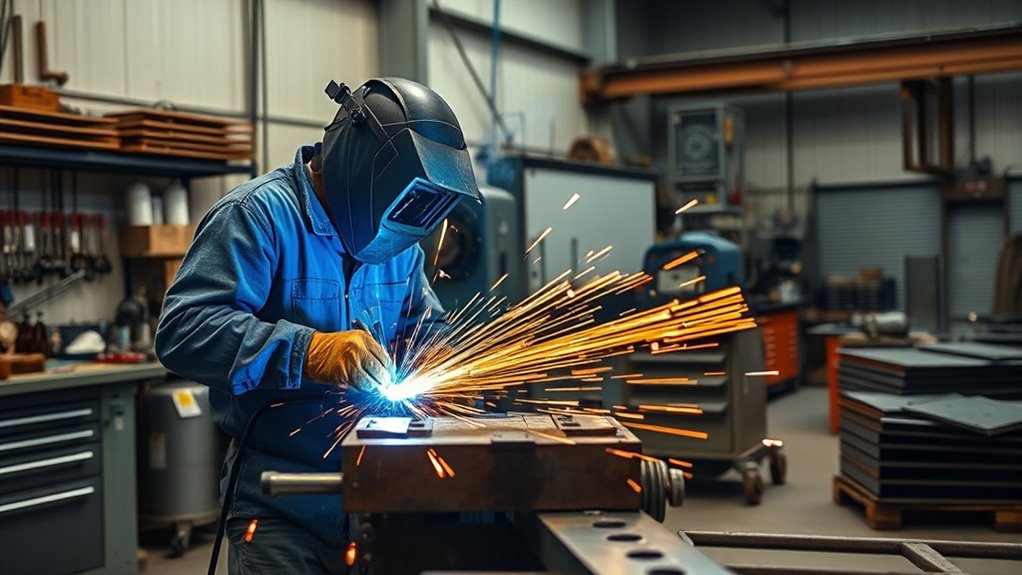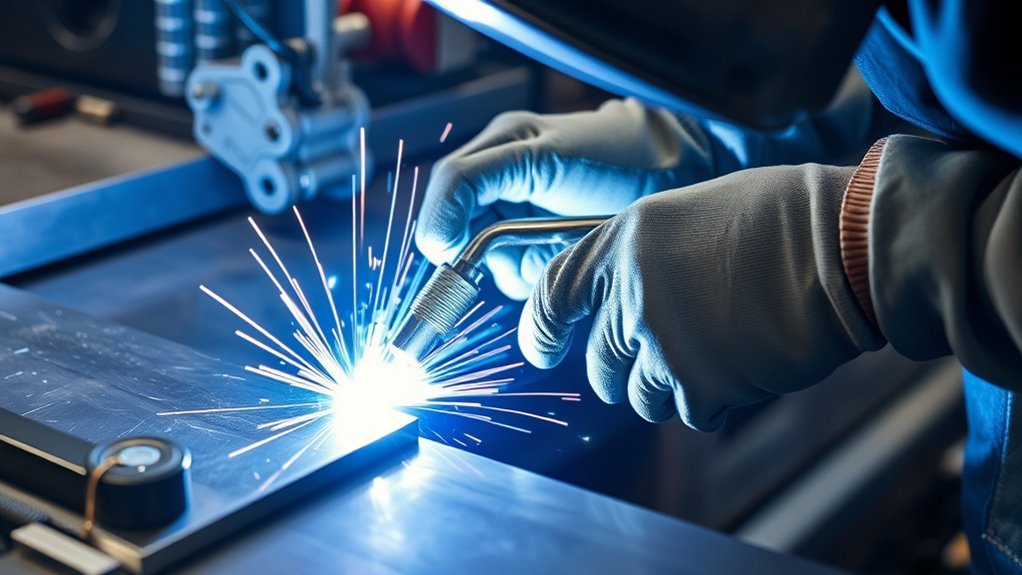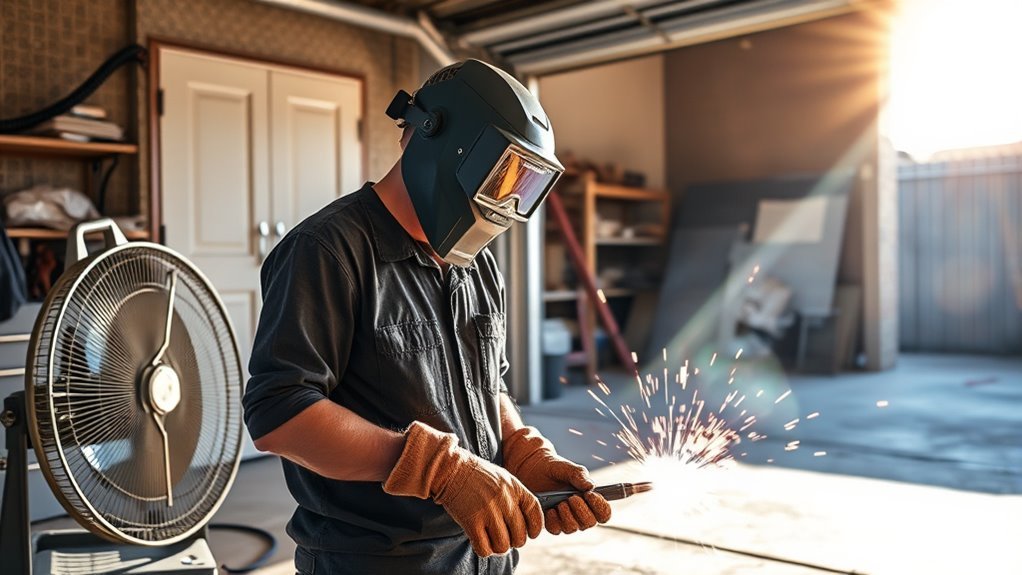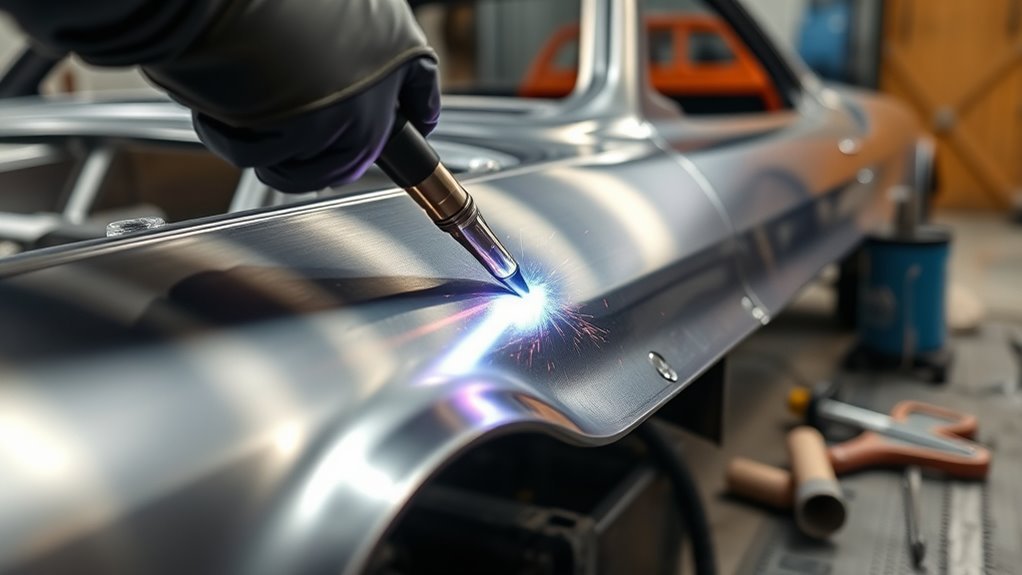
To extend the life of auto body welds, start with clean metal, the right welding process, tight panel fit-up, controlled heat, and a coating system that keeps moisture out. Long-lasting welds are not created by bead size alone. They come from safe prep, full fusion, low distortion, and proper protection after the repair cools.
Quick Answer
Auto body welds last longer when you weld clean, bare metal with the correct process, match filler to the base metal, control heat to avoid warping, verify fusion on test pieces, and seal the finished seam with epoxy primer, seam sealer, and cavity wax wherever moisture can reach.
Key Takeaways
- Choose the welding method based on metal type, panel thickness, joint design, and OEM repair guidance.
- Strip paint, rust, undercoating, zinc coating, adhesives, oil, and seam sealer from the weld zone before welding.
- Use test welds, tack spacing, skip welding, and cooling pauses to control heat on thin sheet metal.
- Protect the finished repair with epoxy primer, seam sealer, topcoat or undercoating, and cavity wax in hidden areas.
- Inspect welds regularly for cracks, rust stains, lifted sealer, pinholes, or paint blisters before small flaws spread.
At a Glance
| Time Required | 1 to 4 hours for many small panel weld repairs; longer for structural sections, corrosion repair, coating cure time, or full panel replacement. |
| Difficulty | Intermediate to advanced. Structural or crash-load repairs should follow OEM repair information or be handled by a qualified technician. |
| Tools Needed | Welder, matching wire or filler, shielding gas, clamps, grinder, abrasive discs, degreaser, marker, PPE, fire extinguisher, epoxy primer, seam sealer, cavity wax, and inspection light. |
| Cost | Low to moderate if you already own the welder and safety gear. Costs rise when the repair needs OEM procedures, specialty coatings, stainless or aluminum filler, or professional labor. |
Safety First Before Auto Body Welding
Before you strike an arc, protect yourself and the vehicle. Welding can create fire, eye, skin, fume, electrical, and noise hazards, so set up ventilation, remove flammable trim, keep an extinguisher nearby, and wear a welding helmet with the correct shade, safety glasses, hearing protection, flame-resistant clothing, and heat-resistant welding gloves.
Clean off paint, seam sealer, undercoating, adhesives, rustproofing, solvent residue, and zinc coatings before welding. These coatings can contaminate the weld and may release hazardous fumes. If you are working on galvanized steel, stainless steel, confined areas, or coated parts, use local exhaust ventilation and proper respiratory protection when required.
Disconnect or protect sensitive electronics as recommended by the vehicle maker, keep welding current paths short, and place the ground clamp close to the repair. Do not weld near fuel lines, brake lines, airbags, wiring harnesses, sound-deadening pads, or hidden insulation until the area is inspected and protected.
Warning: Do not guess on structural repairs, high-strength steel, ultra-high-strength steel, boron steel, frame rails, pillars, suspension mounts, or crash-load areas. Use the vehicle maker’s repair procedure or hire a qualified collision repair technician.
Choose the Right Auto Body Welding Method
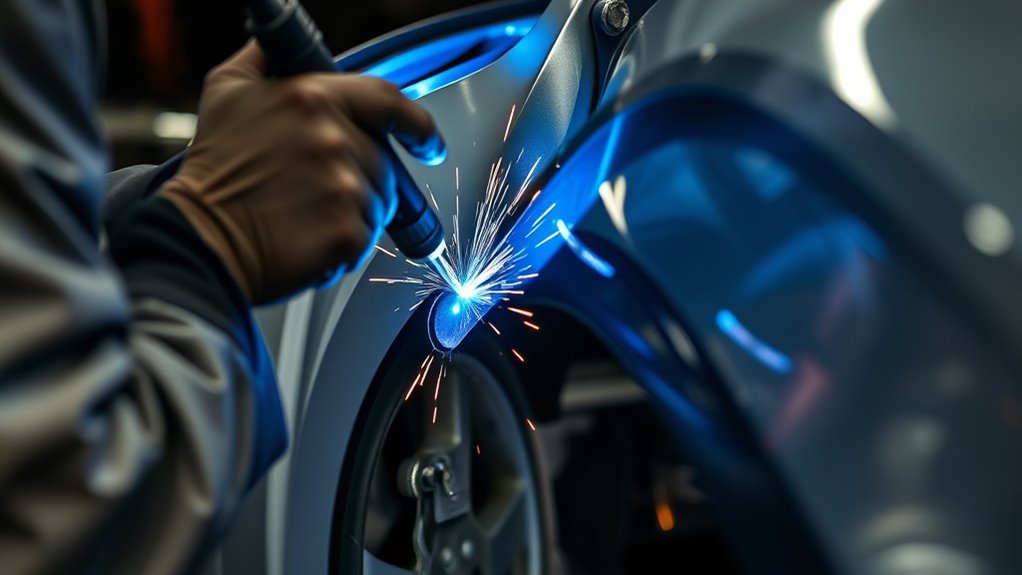
Choosing the right welding method is one of the most important decisions you’ll make in auto body repair. Match the process to the metal, panel thickness, joint style, and repair demand before you set up the machine.
MIG welding, also called GMAW, is the common choice for many mild-steel auto body repairs because it is fast, repeatable, and works well for plug welds, lap joints, patches, and replacement panels. For thin sheet metal, smaller wire and controlled short welds help limit burn-through and distortion. Proper bead profiles are essential for strength, appearance, and reduced rework.
TIG welding gives you finer heat and puddle control when you need precision on aluminum, stainless steel, or visible seams. It is slower than MIG, but it can produce clean, controlled welds when the metal is properly cleaned and the operator has enough practice.
Resistance spot welding may be the correct choice where the factory used spot welds and the OEM repair procedure allows it. Plug welds can also replace factory spot welds in some repair procedures, but the hole size, spacing, and weld quality need to match the repair instructions.
Stick welding can handle heavier steel work and offers portability, but it is usually too hot and rough for thin visible body seams. Use it only where the metal thickness, joint type, and repair goal make sense.
If you pick the wrong process, you risk burn-through, weak fusion, corrosion, distortion, and compromised integrity. You should also select filler material that matches the base metal, because compatibility drives durability.
Prepare Auto Body Metal for Welding
You should clean the metal surface thoroughly with a stiff brush, abrasive pad, and suitable solvent or degreaser to remove dirt, grease, adhesive, undercoating, and other contaminants.
Strip all rust, oxidation, paint, seam sealer, filler, primer, and coating from the weld zone and from the backside where heat will reach. Welding over contamination weakens fusion, increases porosity, and can trap corrosion under the finished repair.
Mark the cut and weld areas clearly so you can control fit-up, edge prep, and bead placement. If the panel is galvanized, remove the zinc coating from the weld area and use proper ventilation, because zinc contamination can compromise weld quality and create harmful fumes.
Products Worth Considering

FOAMING CLEANER – Dupli-Color Multi-Purpose Foaming Prep Cleaner is designed to remove wax, oils and other contaminants from the surface with no residue.

[High-Efficiency Formula] Designed for thorough cleaning, this wax and grease remover is fast-acting and effective on metal, plastic, and fiberglass, setting the stage for perfect paint jobs.

Essential Pre-Coating Prep Effectively removes polishing oils, waxes, and residue—perfect for prepping surfaces before ceramic coatings or sealants.
Clean Surface Thoroughly
A clean weld starts with bare, contamination-free metal. Remove dirt, grease, scale, paint dust, old seam sealer, wax, and grinding residue before you weld.
Use a stiff brush, abrasive disc, or conditioning wheel to expose solid metal, then wipe the area with a compatible cleaner and let it dry completely. Do not leave solvent trapped in seams, lap joints, or boxed sections.
Keep your work surface clean too, because buildup can transfer back onto the joint and poison future welds. When you start with clean steel, heat spreads more evenly, so you reduce burn-through and distortion on thin auto body sheet metal.
That control improves fusion, adhesion, and long-term fatigue resistance. Clean preparation gives you stronger, longer-lasting welds and protects the structure you’re building.
Remove Rust and Paint
Rust and paint have to come off before welding, because both contaminate the joint and weaken fusion. Use rust removal techniques with abrasive discs, wire wheels, or chemical removers until you expose solid metal.
Then use paint stripping tools, such as a stiff brush, grinder, or conditioning disc, to clear coatings and embedded debris. Finish with surface preparation methods that eliminate grease, oil, and residue; even thin films can cause poor adhesion and weld failure.
Wipe the area with a suitable metal cleaning solution, then let it dry completely before you weld. Inspect the cleaned metal often, and keep it protected from new rust or contamination while you work.
- Bare steel showing through old corrosion
- Clean edges with paint removed beyond the heat zone
- Backside coating cleared where heat and sparks can reach
- Solvent residue wiped away before the arc starts
Mark Cut and Weld Areas
Once the metal is clean, mark the cut and weld zones with chalk, a scribe, or a marker so every panel line, edge, and overlap stays exact. Use marking techniques that leave clear reference points for panel preparation and later trim work.
Check both sides of the repair, then scribe control lines that protect alignment precision when you fit the replacement panel. Dress the cut edges with a stiff brush or grinder so they’re smooth and burr-free; sharp edges can fight fit-up and weaken the joint.
After cutting, test-fit the piece again before tacking it in place. Gaps should be tight and even. Large gaps require extra heat and filler, which raises the risk of warpage, shrinkage, and pinholes.
Pro Tip: Make test welds on scrap from the same panel thickness before welding the vehicle. Adjust voltage, wire speed, travel speed, and tack spacing until the sample weld fuses cleanly without blowing through.
Set Heat, Filler, and Panel Fit-Up
Set the heat low enough to protect thin auto body sheet metal from burn-through and excessive distortion, but high enough to fuse the joint. A cold weld sitting on top of the panel will not last, even if it looks neat from the outside.
Use filler selection that matches the parent metal. Mild-steel panels often use small MIG wire for better control on thin sheet metal. Stainless applications need compatible stainless filler; for example, ER308L filler wire is commonly used for 304 stainless steel applications.
Prioritize panel alignment before you strike an arc. Fit edges tight, close gaps, clamp the panels securely, and wipe away every contaminant so the weld forms on clean metal, not on rust, oil, or old coating.
For thin panels, use tack welds, skip around the seam, and let the metal cool between short welds. A copper backing bar can help support the puddle and reduce burn-through on accessible open seams. Avoid long continuous beads on thin body panels unless the repair procedure specifically calls for them.
Note: Preheat is not a universal auto body rule. Use preheat only when the filler manufacturer, welding procedure, or vehicle maker’s repair information calls for it.
Weld Auto Body Joints for Penetration
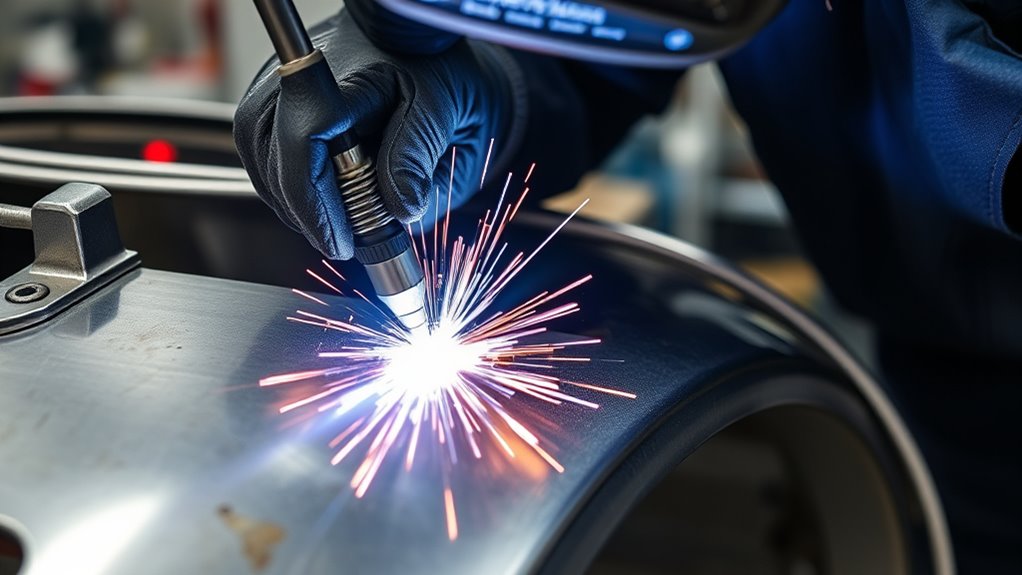
To get long-lasting auto body welds, you need enough fusion for the joint to bond fully without overheating the panel. The goal is not the biggest bead. The goal is a sound weld that ties into the base metal without excessive undercut, burn-through, or distortion.
Choose welding techniques that match the joint. Use plug welds where a repair procedure calls for spot-weld replacement. Use butt welds or lap joints only where the panel design and repair method support them. Keep joint alignment tight; poor fit-up steals heat, creates gaps, and weakens the fuse line.
A durable auto body weld is controlled, fused, and protected. Oversized welds and extra heat often create more problems than they solve.
Feed the wire or filler consistently and hold a steady torch speed so the puddle stays controlled and penetration stays uniform. Watch the puddle edges, not just the arc. If the bead piles up without tying into both sides, increase fusion through better settings, cleaner metal, slower travel, or improved fit-up.
Verify your work with penetration testing on sample joints before you commit to the final repair. For plug welds, inspect the backside when possible and confirm a solid nugget. For butt joints, check that the weld is fused across the joint and that grinding does not reveal pinholes. When you control heat, travel, and alignment, you weld with precision and keep the panel strong without surrendering material integrity.
If you are welding galvanized material, use safe surface preparation and ventilation to reduce contamination and fume risk.
Finish Welds Without Weakening the Repair
After the weld cools, finish it carefully. Grinding can improve appearance and panel fit, but over-grinding can thin the weld and surrounding metal. Use light pressure, keep the disc moving, and stop as soon as the weld is flush enough for the repair stage.
Do not grind structural welds flat unless the repair procedure allows it. Many structural welds need their full profile to retain strength. On cosmetic outer panels, grind only enough to shape the seam, then use a sanding block or body file to find high spots and low spots.
Look for pinholes, cracks, sharp undercut, missed edges, and heat distortion before you apply coatings. Small defects are easier to fix before primer, seam sealer, or filler hides them.
Seal and Protect Welded Seams
After welding, protect the repair from oxygen, moisture, salt, and road debris. The right sequence matters. Clean the cooled weld, remove grinding dust, apply epoxy primer to bare metal where the coating system allows, seal the joint, topcoat or undercoat the area, and apply cavity wax inside hidden sections after the coating has cured.
Use weld-through primer only where it belongs: between overlapping flanges before welding when the product and repair procedure allow it. Do not treat weld-through primer as a replacement for epoxy primer, seam sealer, or cavity wax after the weld is complete.
Products Worth Considering

HIGH-PERFORMANCE: Two-part epoxy seals vertical and horizontal seams to match OEM seals

Epoxy Fast Dry 2.1 low voc DTM Primer & Sealer Gray

SUPERIOR CORROSION PROTECTION: This epoxy primer automotive coating provides excellent adhesion and rust protection on steel, aluminum, and galvanized metal surfaces – ideal for cars, motorcycles, and restorations.
Epoxy Primer Coverage
Epoxy primer should be applied to bare welded seams as soon as practical after welding, cleaning, and final metal finishing. It seals the metal and helps block moisture intrusion. You gain epoxy primer benefits: stronger corrosion resistance, less oxidation, and a tighter base for later coatings.
Use controlled application techniques. Clean the surface, spray or brush an even coat, and cover the full seam edge without gaps. Respect the product’s curing time so the film hardens into a durable barrier before seam sealer, filler, or topcoat is applied.
- Fresh welds sealed under a uniform primer coat
- Tight seam lines shielded from rain and road spray
- Bare metal locked behind a sealed surface
Inspect the area regularly. If wear exposes metal, clean it and recoat it fast. That steady protection keeps your repairs resilient and free from rust.
Seam Sealer Application
Once the weld has cooled and the primer or coating system is ready, apply a high-quality automotive seam sealer to the joint to block moisture and protect the repair from rust and corrosion.
Choose seam sealer types that flex with panel movement and bond tightly to the coating system you are using. Follow the product directions for whether it should go over epoxy primer, bare metal, or another approved surface.
Use disciplined application techniques: lay a uniform bead over the weld, then tool it smooth so it bridges the seam without gaps. This creates reliable moisture barriers that keep water and road contaminants out of the repair zone.
Clean prep matters. Any oil, dust, or residue weakens adhesion and compromises the seal. Inspect the sealer regularly for cracks, lifting, or wear, and reapply when needed.
Cavity Wax Protection
Cavity wax gives welded seams a critical barrier against moisture, helping you block water intrusion before rust and corrosion can start. You gain cavity wax benefits by coating inner panels, boxed sections, rocker cavities, quarter-panel seams, and hidden flanges after body repairs and after paint or primer has cured enough for wax application.
Use controlled application techniques with a wand or nozzle so wax reaches every seam and crevice. This layer shields joints from environmental factors like condensation, road spray, salt, and temperature swings. For maximum durability, pair cavity wax with exterior primer, seam sealer, paint, or undercoating to defend both sides of the repair.
- Wax mist filling a dark rocker cavity
- A thin film clinging to a folded seam
- Water beading and sliding off protected metal
Inspect treated areas regularly, then reapply where wear, heat, or impact reduces coverage.
Inspect and Maintain Auto Body Welds
Regular inspections of auto body welds help you catch early wear, corrosion, or fatigue cracks before they turn into costly structural failures. Use weld inspection techniques like visual checks, seam probing, close attention to heat-affected zones, and inspection of the backside when access allows.
Build a routine schedule so you can spot defects before they spread. Inspect the repair after the first few drives, after the first wet season, after winter road-salt exposure, and at least once a year. Clean welded areas first; removing dirt, paint chips, and oxide with soft brushes improves assessment and repair quality.
When you find damage, apply corrosion prevention strategies quickly, including epoxy primer on exposed seams to block moisture and salt. If rust has already started, using rust converters can help neutralize light corrosion before you refinish the area, but badly thinned metal should be cut out and replaced.
For repairs, trust experienced professionals with professional welding certifications or collision repair training, especially on structural parts. They follow industry standards, use OEM repair information, and preserve joint strength.
Do not wait for rust to dictate your options. Consistent maintenance keeps your body structure sound, reduces downtime, and helps your welds stay durable for years.
Auto Body Weld Troubleshooting
| Problem | Likely Cause | Fix |
| Porosity | Dirty metal, poor shielding gas coverage, paint, oil, zinc, or moisture | Clean to bare metal, check gas flow, reduce drafts, and retest on scrap. |
| Burn-through | Too much heat, large gaps, slow travel, or thin metal | Lower heat, tighten fit-up, use shorter tacks, add cooling pauses, and use copper backing when possible. |
| Lack of fusion | Cold settings, fast travel, poor angle, or contaminated joint | Clean again, adjust settings, slow the travel speed, and verify fusion on a test piece. |
| Warped panel | Too much continuous heat or poor tack spacing | Skip around the seam, use smaller welds, let the panel cool, and avoid long beads on thin sheet metal. |
| Rust returning | Bare metal left exposed, poor seam sealing, or no cavity wax | Clean, prime with epoxy, reseal the seam, topcoat, and apply cavity wax inside hidden areas. |
| Cracked seam sealer | Wrong sealer, poor adhesion, panel movement, or dirty surface | Remove failed sealer, clean and prime correctly, then apply a flexible automotive seam sealer. |
Frequently Asked Questions
Why do welders age so fast?
Welding can expose your body to heat, UV radiation, fumes, awkward posture, vibration, and repetitive strain. Good PPE, ventilation, work breaks, hydration, hearing protection, and better body positioning help reduce the long-term toll.
How do you stop welds from rusting?
Stop welds from rusting by cleaning the metal, removing contamination, welding with full fusion, grinding only as needed, applying epoxy primer, sealing seams, topcoating or undercoating exposed areas, and adding cavity wax inside hidden panels.
Do welds degrade over time?
Yes. Welds can degrade from corrosion, vibration, fatigue, road salt, moisture, poor fusion, trapped contamination, or failed coatings. Regular inspection and fast coating repair help preserve strength and prevent small defects from spreading.
How do you improve weld quality?
Improve weld quality by cleaning to bare metal, matching filler to the base metal, setting heat on test coupons, controlling travel speed, keeping gaps tight, protecting the puddle with proper shielding gas, and checking the weld before coating it.
Can you weld over paint, undercoating, or seam sealer?
No. Paint, undercoating, seam sealer, adhesives, oil, and rust can contaminate the weld and may create hazardous fumes. Strip the weld zone to clean metal on both sides where heat will reach.
Should seam sealer go before or after primer?
Many collision repair coating systems apply seam sealer over cured epoxy primer, then topcoat over the sealer. Always follow the seam sealer and primer manufacturer’s directions because some products allow different approved surfaces.
Conclusion
By choosing the right welding method, preparing the metal properly, controlling heat and filler, fitting panels accurately, and protecting every seam after welding, you give auto body welds a much longer service life. Full fusion matters, but so does what happens before and after the weld. Clean metal, safe technique, epoxy primer, seam sealer, cavity wax, and regular inspection all work together to keep cracks and corrosion from taking over.
Sources
- OSHA 29 CFR 1910.252 Welding, Cutting, and Brazing — fire prevention, ventilation, and welding safety requirements.
- OSHA Fact Sheet: Controlling Hazardous Fume and Gases during Welding — welding fume hazards, surface cleaning, ventilation, and respiratory protection.
- OSHA 29 CFR 1910.133 Eye and Face Protection — eye and face protection requirements for hazardous work, including welding.
- OSHA Hexavalent Chromium — stainless and alloy steel welding exposure risk information.