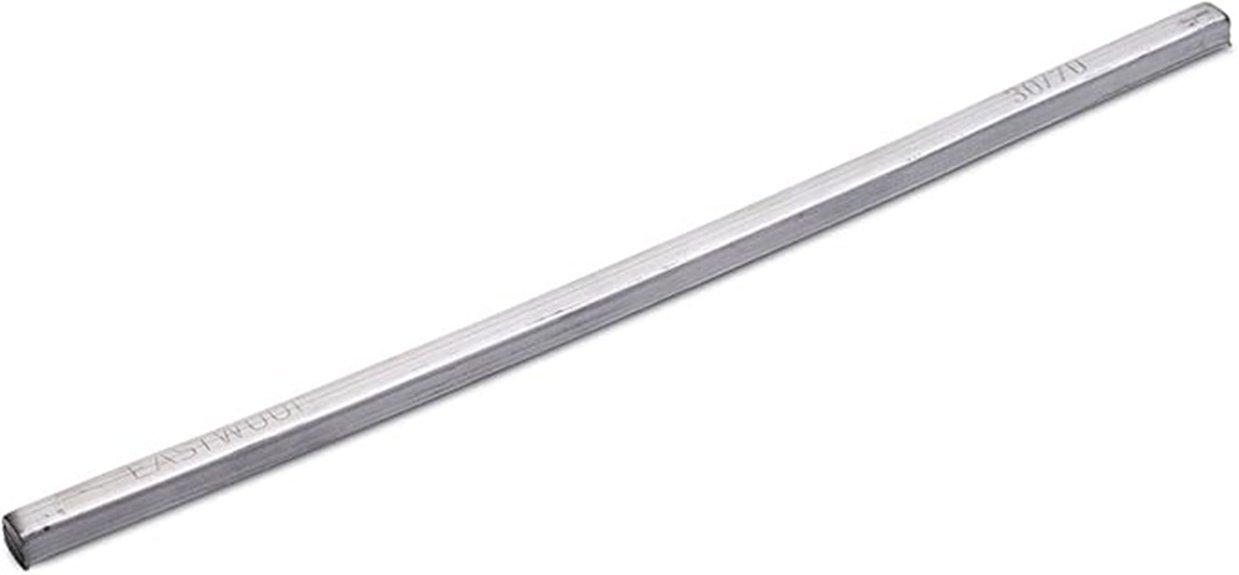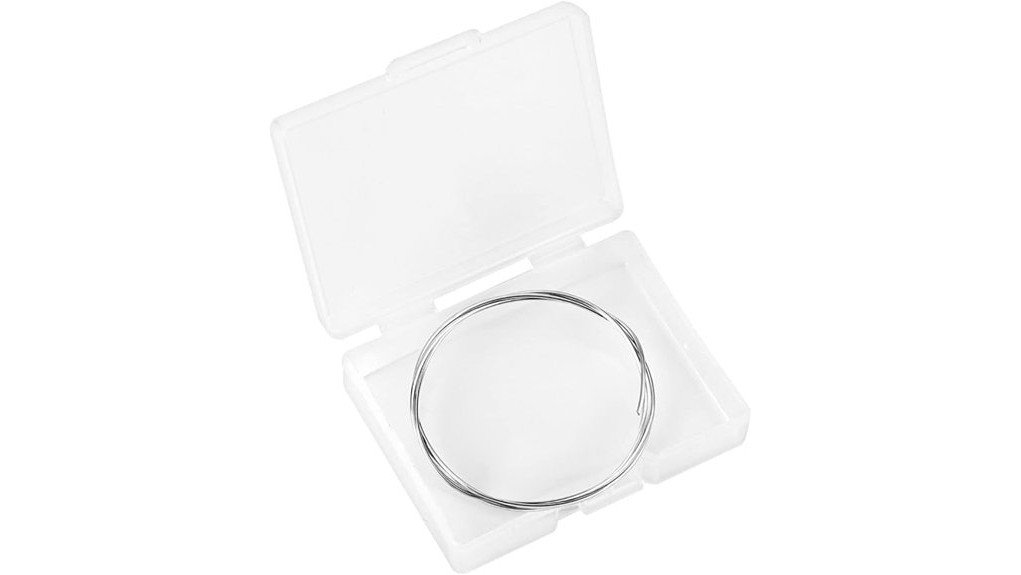
The AIEX 14-inch silver solder wire is a 65% silver filler wire sold in short, hand-fed lengths for jewelry work, small copper and brass repairs and similar torch-heated joints. This AIEX silver solder wire review is based on the Amazon listing, not hands-on testing. The key point: at roughly 1,320°F (717°C) it is a torch material, so it is not a wire for an ordinary soldering iron.
Quick specs at a glance
| Item | Per the listing |
|---|---|
| Product | AIEX 14-inch silver solder wire |
| Silver content | 65% |
| Flow temperature | About 1,320°F (717°C) |
| Wire diameter / length | About 0.88 mm / 35 cm (14 in) |
| Cadmium | Listed as cadmium-free |
| Heat source | Torch (not a standard soldering iron) |
Specs can change between listing updates, so confirm them on the current page before you buy.
What the AIEX silver solder wire is and who it suits
A flow point around 1,300°F puts this wire in the range that the welding trade calls brazing (anything above about 450°C / 842°F), even though sellers often label it silver solder. That matters because the technique is different from electronics soldering: you heat the joint with a torch, apply flux, and let the alloy flow by capillary action.
It is a reasonable fit for:
- Jewelry makers joining silver, copper or brass pieces
- Small repairs on copper, brass or bronze parts where a strong, neat joint matters
- Hobbyists who already own a small torch and flux and want short pieces of filler
It is a poor fit for circuit boards, tinning wires with a pencil iron, or plumbing. Plumbing joints use their own approved solders or brazing alloys, so follow local code rather than reusing a craft wire.
How to check it fits your project
- Heat source: you need a torch that can bring the joint to about 1,300°F or more. A small iron tops out far below that. See our brazing torch kit review for one torch option.
- Base metals: silver alloys of this type are normally used on copper, brass, bronze and steel. Check the listing and your metal before assuming a match.
- Flux: confirm whether flux is included. If it is not, buy a flux made for silver brazing.
- Length and quantity: 14 inches is short. It suits small joints but is awkward for long production runs.
- Joint fit: capillary action works best with a tight, clean gap, so plan to degrease and sand the surfaces.
Pros and limitations
| Pros | Limitations |
|---|---|
| High silver content, which generally gives clean, strong joints on suitable metals | Needs a torch and flux; will not melt properly with a standard iron |
| Cadmium-free per the listing | Short 14-inch lengths |
| Thin wire is easy to feed into small joints | Silver alloys cost more than ordinary solder, so waste adds up |
The short length is the main drawback, and the wire suits small jobs best.
How to use silver solder wire safely
- Clean the metal to bare, oil-free surfaces and apply flux to the joint.
- Heat the base metal, not the wire. When the flux turns clear and the metal is hot enough, touch the wire to the joint and let it flow toward the heat.
- Work in a ventilated space. Flux and heated metal give off fumes, and any zinc-bearing or plated parts add to the hazard. Use a fume extractor or fan; our solder fume extractor review covers one option.
- Wear safety glasses and keep a heat-proof surface under the work, such as a soldering mat. Quench or pickle only when the joint is cool enough to handle.
- Do not use this wire on food-contact surfaces unless the maker states it is rated for that.
Alternatives and related guides
- Hapivida 3-piece brass wire solder if you want a brass-based filler for heavier repairs.
- Brass brazing rods for larger steel or copper joints.
- TI-SMART soldering iron kit if your real job is electronics, where an iron is the right tool.
Frequently Asked Questions
Can I use AIEX silver solder wire with a soldering iron?
Generally no. The listing gives a flow temperature of about 1,320°F (717°C), which is well above what a typical soldering iron reaches. This wire is meant to be melted with a torch together with flux. For electronics, use a tin-based solder designed for irons.
Is 65% silver solder wire good for jewelry?
Silver-bearing solders are commonly used for jewelry because they flow neatly and make strong joints on silver, copper and brass. Check the listing to confirm it fits your metal and that the alloy suits the finish you want, since color match varies.
Do I need flux with silver solder wire?
Usually yes. Silver brazing and hard soldering rely on flux to clean the joint and let the alloy flow. Check whether flux is included in the listing, and if not, buy one that is rated for the temperature range you plan to use.
Is this silver solder wire safe for plumbing?
Do not assume so. Drinking-water systems are governed by local plumbing codes and approved materials. This wire is marketed for jewelry and small electronic or craft repairs, so use a product rated for plumbing if that is your job.
Conclusion
The AIEX 14-inch silver solder wire makes sense for small jewelry and brass or copper repairs when you already have a torch and flux. If you want to work on circuit boards, choose electronics solder and an iron instead.