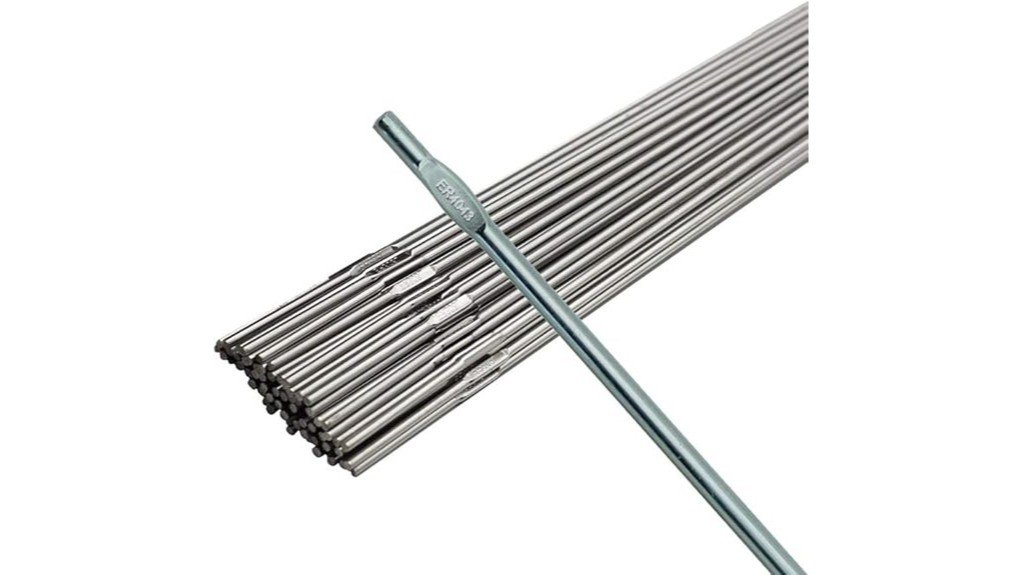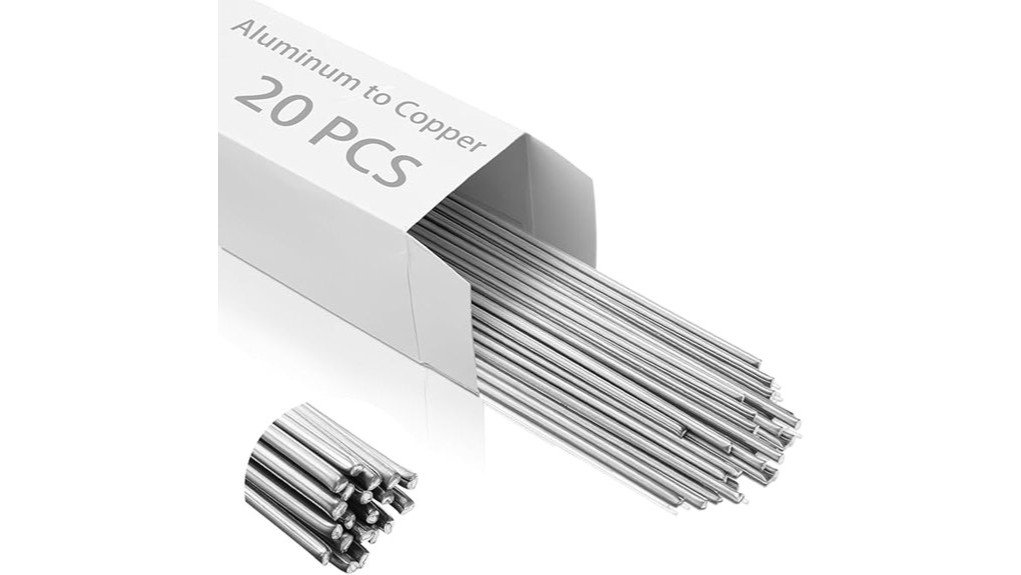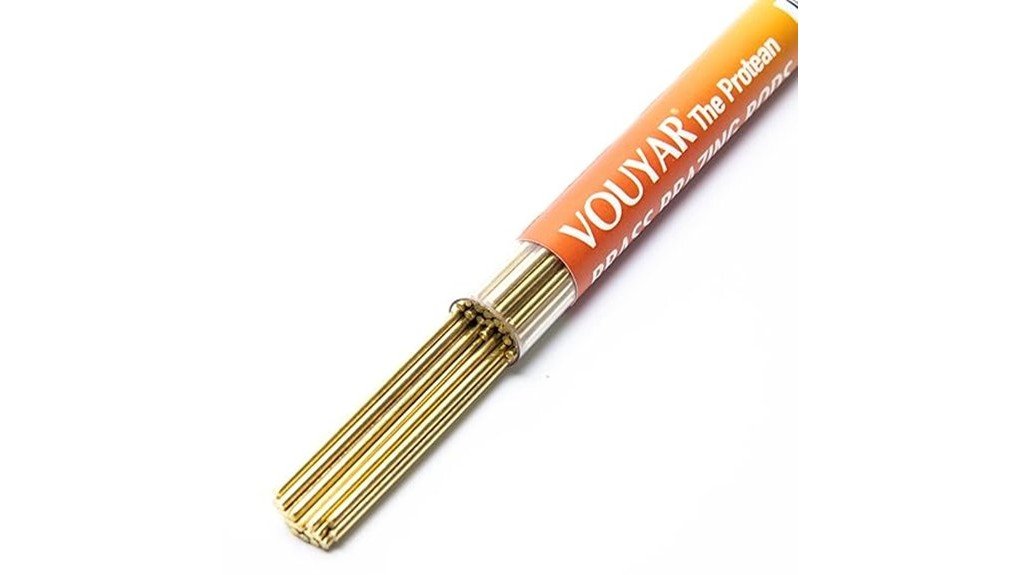
This 40-piece set of brass brazing rods gives you 1/16 in diameter, 10 in long copper-zinc filler rods listed at 58 to 62 percent copper. It is worth considering for brazing steel, cast iron, copper and brass with a hot enough torch and flux. Skip it if your goal is aluminum or zinc die-cast repair, because brass brazing rods melt far above those metals.
This brass brazing rods review is based on the Amazon listing and standard brazing practice, not hands-on testing. Check the listing for the exact alloy name and whether flux is included.
Quick specs at a glance
| Item | Detail |
|---|---|
| Item | 40 brass brazing rods, sold as a set |
| Size | 1/16 in diameter x 10 in long per listing |
| Composition | About 58 to 62 percent copper (copper-zinc brass) per listing |
| Melting range (listing) | Roughly 1630 to 1660 F (about 890 to 905 C) |
| Process | Torch brazing with flux; this is brazing, not soldering |
| Suits | Steel, cast iron, copper, brass, bronze (verify the exact alloy) |
| Not suited for | Aluminum, magnesium, zinc die-cast parts |
What brass brazing rods are and who they suit
Brazing joins metals with a filler that melts above 840 F (450 C) but below the melting point of the parts. Brass rods flow by capillary action into a close-fitting joint when the base metal is hot enough and fluxed.
The set suits hobby and shop repairs: bike and trailer frames, brackets, tool repairs and joining copper-alloy parts. It is not a precision HVAC alloy, and the thin 1/16 in rods are best for small joints.
- Good for: small steel and copper-alloy repairs, workshops with oxy-fuel or a strong MAPP or propylene torch.
- Less suited to: aluminum, galvanized parts without cleaning, high-pressure refrigerant lines, structural jobs that need a rated procedure.
The aluminum and zinc claim, explained
The listing says the rods are compatible with aluminum and zinc. That does not hold up for brass fillers. Aluminum melts at roughly 1220 F (660 C), well below this rod’s melting range, so the part would melt before the rod flowed. Zinc alloys melt even lower.
For aluminum, use a dedicated aluminum brazing or low-temperature aluminum rod system, or TIG or MIG welding. Treat any listing that promises brass on aluminum with caution.
How to check it fits your project
- Base metal: Steel, cast iron, copper, brass and bronze are the usual matches.
- Heat source: Brass needs a bright cherry-red base metal. Oxy-acetylene is the standard. A standard propane torch usually can’t heat larger parts enough.
- Flux: Brazing flux is needed; check whether the listing includes it. Match it to the metals.
- Joint design: Aim for a close, clean fit with a small gap so capillary action works.
- Rod size: 1/16 in is fine for thin work; larger parts may need thicker rods.
- Pipe work: For copper plumbing or refrigeration, use the alloy specified by the code or manufacturer, often a phosphorus-copper or silver alloy, not generic brass.
Pros and limitations
Pros
- Large quantity of small rods for repeated small jobs.
- Good gap-filling filler for steel and cast iron when properly fluxed.
- Lower heat input than welding, so less distortion in many parts.
Limitations
- Needs substantial heat compared with silver brazing or solder.
- Zinc in the brass produces fume at brazing temperature.
- Not for aluminum or zinc die-cast.
- Alloy is only described by copper content; ask the seller for the exact classification if a code requires it.
How to braze with these rods
- Clean metal to bright base metal with a wire brush or abrasive; remove rust, paint and oil.
- Fit the joint tightly and apply flux to the area.
- Heat the base metal, not the rod, until the flux turns clear and the metal glows dull red.
- Touch the rod to the joint and let the heat draw the filler in.
- Let the part cool slowly, then remove flux residue with hot water and a brush.
Wear shade-appropriate eye protection (shade 3 to 5 for torch brazing is typical; follow your filter chart), leather gloves and ensure strong ventilation because the zinc in brass produces fume. Never braze closed containers or parts with unknown coatings.
Alternatives and related guides
- Kodilin brazing torch kit review: a torch option for small brazing jobs
- BlueFire MAPP gas torch review: hotter than plain propane for brazing
- oxygen-acetylene torch kit review: the standard heat source for brass brazing
- AIEX silver solder wire review: a lower-temperature option for small joints
Frequently Asked Questions
Can brass brazing rods weld aluminum?
No. Aluminum melts near 1220 F, below the roughly 1630 to 1660 F range listed for these rods, so the base metal would melt first. Use a purpose-made aluminum brazing alloy or TIG or MIG welding for aluminum.
Do I need flux with brass brazing rods?
Yes. Flux cleans oxides and lets the filler flow into the joint. Use a brazing flux compatible with your base metals, apply it to clean parts, and remove residue afterward because it can be corrosive.
What torch do I need for brass brazing?
Brass needs the base metal at cherry-red heat, so oxy-acetylene is the usual choice. Hotter fuel such as MAPP or propylene can handle small parts, but a plain propane torch often struggles with anything thick.
Is brazing the same as soldering?
No. Solder melts below 840 F (450 C) while brazing fillers melt above it, so brazed joints are generally stronger and need much more heat. Brass rods in this set are brazing fillers.
Final verdict
These brass brazing rods are a practical way to braze steel, cast iron and copper alloys when you have a hot enough torch and flux. Do not buy them for aluminum or zinc, and always work with good ventilation.