Disclosure: As an Amazon Associate, we earn from qualifying purchases. If you click a link on this page and make a purchase, we may receive a small commission at no extra cost to you.
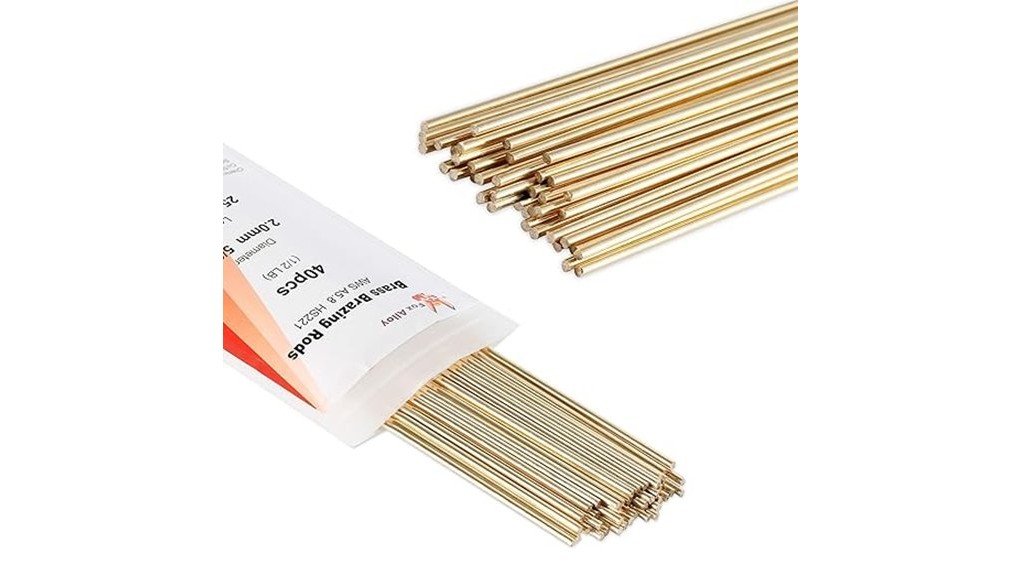
Choosing brazing rods can feel confusing when you need a clean joint, the right melting range, and a rod that works with your torch setup. The Brass Brazing Rods HS221 are made for buyers who want a 40-piece pack for copper and copper-alloy brazing jobs without buying a large shop-size supply. This review helps you decide if the 5/64-inch diameter, 25 cm length, and 710-820°C melting range fit your repair or fabrication work. The main strength is the easy-flowing, self-fluxing design for supported metals, but you still need to confirm base-metal compatibility before using them on every project.
Quick Verdict
Rating: 8.2/10
Best For: DIY users, refrigeration repair work, appliance repair, and small metalworking jobs involving copper or copper alloys.
Bottom Line: The HS221 rods make sense if you want a manageable 40-rod pack with a moderate melting range and good flow for supported brazing work. They are not the best fit if you need a clearly verified brand, detailed manufacturer documentation, or a rod for unknown base metals.
Key Takeaways
- The HS221 brass brazing rods come in a 40-piece pack, giving you enough rods for several small repair or fabrication jobs.
- Each rod measures 5/64 inch in diameter and 25 cm, or about 9.85 inches, in length.
- The article-supported melting range is 710-820°C, which gives you a workable range for torch-based brazing.
- The rods are described as self-fluxing in air and made primarily with copper and phosphorus.
- They are best suited for copper and copper-alloy work, including refrigeration, home appliance, and electrical instrument applications.
- You should skip them if your project involves an unknown base metal or requires a rod with fully verified manufacturer documentation.
| Specification | Detail |
|---|---|
| Model | HS221 |
| Product Type | Brazing rods for metal joining |
| Rod Count | 40 rods |
| Diameter | 5/64 inch |
| Length | 25 cm, or about 9.85 inches |
| Total Weight | 1/2 lb, or 250 g |
| Composition Stated in Article | Primarily copper with phosphorus content listed at 6.6-7.4% |
| Melting Range | 710-820°C |
| Standard Mentioned | AWS A5.8, as stated in the original article |
| Compatible Heat Sources | MAPP, MAP, propane, and oxygen-acetylene setups |
| Best Use | Copper and copper-alloy brazing, refrigeration work, home appliances, and electrical instruments |
| Safety Note | Use proper ventilation, eye protection, gloves, and heat-safe work practices. |
What Is the Brass Brazing Rods HS221?
The Brass Brazing Rods HS221 are filler rods designed for brazing supported metals, especially copper and copper alloys. The pack includes 40 rods, so it fits small-shop, repair, maintenance, and home project use better than bulk industrial packs.
Each rod has a 5/64-inch diameter and a 25 cm length, which gives you a slim filler size for controlled work. The listed 710-820°C melting range helps you plan heat control with common fuel setups such as MAPP, MAP, propane, or oxygen-acetylene.
The rods are described as self-fluxing in air, which can simplify copper-to-copper or copper-alloy work. That does not mean you can ignore surface prep, joint fit, or safety steps, since clean metal and correct compatibility still matter.
Who Should Buy It?
Best For
- DIY users who need a small pack of brazing rods for supported copper work.
- Repair tasks involving refrigeration, home appliances, or electrical instruments.
- Users who want rods compatible with propane, MAPP, MAP, or oxygen-acetylene heat setups.
Skip If
- You need a rod for every metal type without checking base-metal compatibility first.
- You want a product with a verified brand name, manufacturer sheet, or full technical manual.
- Your project requires certified welding documentation beyond the article-supported details.
Features and Specifications
The strongest selling point is the practical pack size. With 40 rods and a total stated weight of 1/2 lb, you get enough filler material for several small jobs without storing a large supply.
The 5/64-inch diameter gives you better control on smaller joints than a thick rod would. The 25 cm length is also easy to handle around appliances, tubing, and compact repair areas.
The article lists a composition primarily of copper with 6.6-7.4% phosphorus. That combination helps explain why the rods are positioned for copper and copper-alloy brazing rather than broad, all-metal repair work.
Before You Buy: Do not treat these rods as universal filler rods for every metal. Confirm your base metal, joint design, and heat source before starting, especially if your project is not copper or a copper alloy.
Performance and Advantages
The HS221 rods are built around easy flow and joint coverage. The 710-820°C melting range gives you a moderate working range, which helps when you need controlled heat rather than a rod that melts too quickly or takes too long to flow.
High fluidity matters when you need the filler metal to cover a joint cleanly. It can help the rod move into the joint area and create a stronger connection when the surface is clean and the fit is correct.
The self-fluxing description is helpful for supported copper work because it may reduce the number of steps needed for basic brazing. You should still clean oxidation, dirt, grease, and old residue before heating the joint.
Applications and Compatibility
These rods are best suited for copper and copper-alloy brazing tasks. The original article lists refrigeration, home appliances, and electrical instruments as useful applications, which makes the pack more practical for repair work than decorative-only metal projects.
The rods can be used with several heat sources, including MAPP, MAP, propane, and oxygen-acetylene setups. That range is useful if you already own a common torch and do not want to change your entire setup for a small brazing job.
They are also described as suitable for resistance, flame, and high-frequency brazing. That gives them a wider application range, but your results still depend on heat control, joint clearance, surface condition, and the metals you are joining.
How It Performs in Real Use
For Refrigeration Repair
For refrigeration-related copper work, the slim 5/64-inch rod size can help you work around tubing and compact spaces. The 25 cm length gives you enough reach without feeling oversized for smaller joints.
For Home Appliance Repair
In home appliance repair, the 40-rod pack gives you room for practice pieces and actual joints. That matters because brazing quality often improves after you test heat, flow, and joint fit before working on the final part.
For DIY Metalworking
For DIY users, the main benefit is convenience. You get a manageable pack, a moderate melting range, and compatibility with common torch setups, which makes the rods easier to fit into a small workshop.
For Electrical Instrument Work
The article mentions electrical instruments as a supported application. In that use case, the claimed conductivity and joint strength are useful, but you should avoid overheating nearby parts and follow the correct repair procedure for the equipment.
How to Use It Correctly
Start by checking that the rod matches the base metal you plan to join. The article-supported use case focuses on copper and copper alloys, so do not assume the same results on unrelated metals.
Clean the joint area before heating. Remove paint, oil, oxidation, and dirt so the filler rod can flow into the joint instead of sitting on top of contamination.
Heat the workpiece evenly and touch the rod to the joint area once the metal reaches the right temperature. Avoid using the flame to melt the rod alone, since that can leave filler on the surface without proper bonding.
Pro Tip: Practice on scrap material with the same base metal before repairing a real part. This helps you learn how quickly the HS221 rod flows with your torch and joint size.
Compatibility and Safety
Brazing involves high heat, fumes, and hot metal, so basic safety is not optional. Use eye protection, heat-resistant gloves, protective clothing, and a stable work surface.
Work in a well-ventilated area and keep flammable materials away from the torch zone. Let parts cool fully before touching, moving, or testing the joint.
If the repair affects pressure, refrigeration systems, electrical equipment, or safety-critical parts, get professional guidance. A rod may fit the material, but the job can still require proper testing, pressure checks, or code-compliant repair work.
Pros and Cons
Pros
- 40-rod pack gives you enough filler for multiple small jobs.
- 5/64-inch diameter works well for controlled brazing on smaller joints.
- 25 cm rod length is easy to handle in compact repair areas.
- 710-820°C melting range supports torch-based brazing work.
- Compatible with MAPP, MAP, propane, and oxygen-acetylene setups.
Cons
- Brand and manufacturer details are not clearly verified from the article content.
- Not suitable for every base metal without checking compatibility first.
- Small-diameter rods may not be ideal for larger gaps or heavy buildup work.
Is It Worth the Price?
The HS221 rods look like a strong value for the price if you need a small pack for copper or copper-alloy brazing work. You get 40 rods, a useful 5/64-inch diameter, and compatibility with several common heat sources.
The best value goes to buyers who already know their base metal and want a practical rod supply for repair, maintenance, or DIY work. If you need fully verified manufacturer data, a known brand, or a rod for many different metals, compare more documented alternatives before buying.
How It Compares to Alternatives
Compared with larger bulk packs, this HS221 pack is easier to justify for occasional users because it includes 40 rods instead of more material than you may need. Compared with thicker brazing rods, the 5/64-inch size gives you better control on smaller joints but may not fill large gaps as quickly.
If you need maximum documentation, look for rods with a clear manufacturer data sheet and detailed compatibility chart. The HS221 rods make the most sense when you want a manageable pack for supported copper and copper-alloy work.
Frequently Asked Questions
How many rods are included in the package?
The package includes 40 rods. That quantity is useful for multiple small repair jobs, practice joints, or light workshop use.
What size is each HS221 brazing rod?
Each rod measures 5/64 inch in diameter and 25 cm, or about 9.85 inches, in length. This slim size helps with controlled filler placement on smaller joints.
What is the total weight of the rods?
The listed total weight is 1/2 lb, or 250 g. That makes the pack manageable for home users and small repair kits.
Can these rods be used with a propane torch?
Yes, the article lists propane as a compatible heat source. It also lists MAPP, MAP, and oxygen-acetylene setups.
Are HS221 rods suitable for DIY projects?
Yes, they can work for DIY projects when the base metal and heat source match the rod. New users should practice on scrap material before repairing a finished part.
What metals are these rods best for?
The article-supported use case focuses on copper and copper alloys. Do not assume the rods are right for every metal without checking compatibility first.
Who should skip these brazing rods?
Skip them if you need a product with fully verified manufacturer documentation or a rod for unknown metals. You should also compare alternatives if your project needs thicker filler material for larger gaps.
The Bottom Line
The Brass Brazing Rods HS221 are worth considering if you need a 40-piece pack for copper or copper-alloy brazing with common torch setups. Their main strengths are the slim 5/64-inch size, moderate 710-820°C melting range, and practical pack quantity, while the main limitation is the lack of clearly verified brand and manufacturer details. Skip them if your work requires full technical documentation or compatibility beyond the article-supported use cases.