Disclosure: As an Amazon Associate, we earn from qualifying purchases. If you click a link on this page and make a purchase, we may receive a small commission at no extra cost to you.
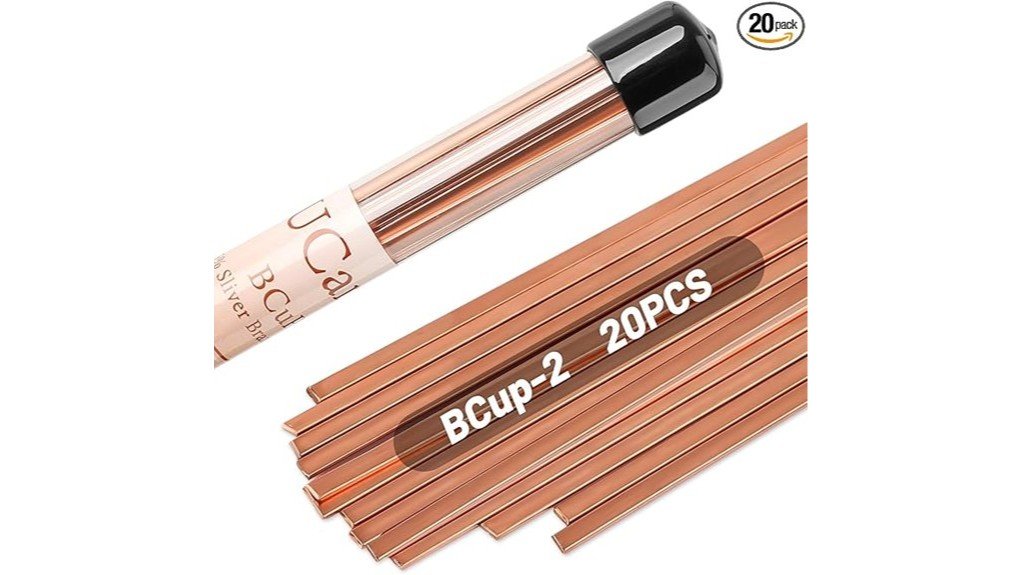
Choosing brazing rods for copper work can be frustrating when you need a filler that flows into small joints without making the job harder than it needs to be. The BCuP-2 Copper Brazing Rods are made for copper and copper alloy brazing, with a listed low melting range of 640 to 770°C and a compact 0.050″ x 1/8″ x 10″ rod size. They make the most sense for refrigeration parts, copper repair work, and detailed craft projects where joint access is tight. The main limitation is compatibility, since these rods are not meant for every metal or every setup.
Quick Verdict
Rating: Recommended with caveats, 8/10
Best For: Buyers brazing copper or copper alloy joints in refrigeration, air-conditioning, heat exchanger, or small craft work.
Bottom Line: These BCuP-2 rods are a practical choice when you need good flow into narrow copper joints. Skip them if you need a filler for iron, steel, or a project where the base metal compatibility is uncertain.
| Specification | Detail |
|---|---|
| Product name | BCuP-2 Copper Brazing Rods |
| Product type | Copper brazing filler rods |
| Listed alloy type | BCuP-2 phosphor alloy rods |
| Listed size | 0.050″ x 1/8″ x 10″ |
| Rod diameter note | Original product details state 1/8 inch |
| Package count | 20 rods per package |
| Melting range | 640 to 770°C |
| Compatible base metals | Copper and copper alloys |
| Listed methods | Gas welding, TIG welding, MIG welding, and HF brazing |
| Best use | Refrigeration components, air conditioners, heat exchangers, evaporators, jewelry, and copper alloy bonding |
| Safety note | Use proper eye, hand, skin, and respiratory protection with good ventilation. |
What Are BCuP-2 Copper Brazing Rods?
BCuP-2 Copper Brazing Rods are filler rods used to join copper and copper alloy parts. The article-supported specifications list them as phosphor alloy rods with a 640 to 770°C melting range, which helps the filler flow during high-temperature brazing.
The 10-inch length is useful for hand control on small joints, tight bends, and repair areas where a longer rod could feel awkward. A 20-rod pack also gives you enough pieces for practice joints, small repairs, and repeat work without buying a large shop-size quantity.
Before You Buy: These rods are intended for copper and copper alloy work. Do not assume they will work on iron, steel, or mixed-metal assemblies unless the product instructions and your brazing process support that use.
Who Should Buy It?
Best For
- You work with copper tubing, copper fittings, or copper alloy parts.
- You need a filler rod that can flow into small spaces and narrow joints.
- You want a manageable 20-rod pack for repair, practice, or occasional shop use.
Skip If
- You need filler for steel, iron, aluminum, or unknown mixed metals.
- You do not have the protective gear, ventilation, or heat control needed for brazing.
- You need a certified filler for code-sensitive HVAC or pressure work and cannot verify the listing details.
Features and Benefits of BCuP-2 Copper Brazing Rods
Low Melting Range
The listed 640 to 770°C melting range is the main reason these rods are easy to manage for copper brazing. A lower working range helps you bring the filler to flow without fighting excessive heat, which can be helpful on smaller copper parts and thin sections.
This does not mean the job is low-risk. Brazing still uses high heat, so you need correct torch control, a safe work area, and a good match between the rod, base metal, and joint design.
Fluidity in Tight Joints
The strongest practical benefit is fluidity. When the joint is prepared well and heated evenly, the filler can move into small gaps, which helps create a cleaner bond between copper surfaces.
This matters for refrigeration components, copper tubing, jewelry, and other work where the joint area may be narrow. Poor surface prep, oil, oxidation, or uneven heat can still weaken the result, so the rod cannot make up for a poorly prepared joint.
Size and Pack Count
Each package is listed with 20 rods. The article also lists the rod size as 0.050″ x 1/8″ x 10″ and identifies the diameter as 1/8 inch, which gives you a compact filler size for hand-fed work.
The 10-inch length is short enough to control around small workpieces but long enough for repeated passes before you need another rod. For frequent commercial use, you may still want to compare larger packs or job-specific filler options.
Fit, Compatibility, and Materials
These rods are best matched to copper and copper alloy applications. That includes copper fittings, copper tube connections, and copper alloy craft work where the filler metal is compatible with the base material.
The original article warns that they are not the right choice for iron or steel. If your project includes mixed metals, plated parts, pressure-rated assemblies, or safety-critical equipment, confirm the filler selection with the product label, a qualified technician, or the applicable service manual before you heat the joint.
Welding Methods and Compatibility
The listing details in the source article mention gas welding, TIG welding, MIG welding, and HF brazing. In practice, your result will depend less on the name of the heat source and more on temperature control, surface preparation, joint gap, and base metal compatibility.
| Method | What to Know |
|---|---|
| Gas welding or torch brazing | A practical choice for copper joints when you can heat the joint evenly. |
| TIG welding heat source | Useful when you need tighter heat control and have the right setup for the base metal. |
| MIG welding setup | Listed as compatible in the original article, but you should confirm process details before relying on it. |
| HF brazing | Suitable for controlled production-style heating when the equipment and joint design match the filler. |
Pro Tip: Before using a full rod on the final part, make a test joint on matching scrap copper. Check flow, joint gap, and heat control so you can adjust your technique before the real repair.
Ideal Applications for BCuP-2 Copper Brazing Rods
These rods are best suited to copper and copper alloy work where the filler needs to move through a tight joint. The original article highlights jewelry, refrigeration parts, air conditioners, heat exchangers, and evaporators as common examples.
For jewelry and craft work, the small rod size can help with control around detailed shapes. For refrigeration and heat-exchange components, the key benefit is flow into copper joints, but you should follow any equipment-specific requirements before working on sealed, pressure-bearing, or regulated systems.
How to Use It Correctly
Start by checking that the base metal is copper or a compatible copper alloy. Clean the joint area so dirt, oil, paint, oxidation, and loose debris do not block filler flow.
Heat the joint evenly instead of melting the rod directly in one spot. When the base metal reaches the right temperature, the filler should flow into the joint rather than balling up on the surface.
- Use eye protection, heat-rated gloves, long sleeves, and proper ventilation.
- Keep combustible materials away from the work area.
- Use a joint gap that allows the filler to flow without leaving a loose fit.
- Let the joint cool safely before handling or testing it.
- Follow the product label and equipment manual for your torch, welder, or brazing system.
How It Performs in Real Use
For Refrigeration and Air-Conditioning Work
The low melting range and fluidity are useful around copper lines, evaporators, heat exchangers, and related components. This is where a filler that flows into small joints can save time and reduce frustration.
For Jewelry and Detailed Copper Work
The compact rod size helps when you need to feed a small amount of material into a detailed joint. You still need careful heat control because small copper pieces can heat quickly.
For Tight Spaces
In narrow joints, good fluidity can help the filler move where a stiffer rod may be harder to place. Clean metal and steady heat matter most, since contamination can stop the filler from wetting the surface properly.
For Occasional DIY or Shop Use
The 20-rod pack is a reasonable size for practice, small repairs, or backup stock. If you braze copper often, compare pack size and verified specs before buying so you do not run short mid-project.
Compatibility and Safety
BCuP-2 rods involve high heat, fumes, and hot metal, so they are not casual indoor craft supplies. Work in a well-ventilated space, wear suitable protective gear, and keep a fire-safe setup around your bench or work area.
Indoor use can be reasonable only when ventilation, fire safety, and fume control are handled correctly. If you are repairing HVAC, refrigeration, pressure-bearing parts, or equipment tied to safety codes, get professional guidance rather than guessing.
Pros and Cons
Pros
- Listed 640 to 770°C melting range helps with controlled copper brazing.
- Good fluidity supports tight joints and small copper spaces.
- 20-rod package is useful for practice, repairs, and occasional work.
- Works for copper and copper alloy applications such as refrigeration and jewelry.
- Compact 10-inch rod length is easy to handle on smaller workpieces.
Cons
- Not a universal filler for iron, steel, aluminum, or unknown metals.
- MIG compatibility should be confirmed before you rely on that process.
- Safety-critical HVAC or pressure work may require verified filler specs and professional handling.
Is It Worth the Price?
These rods offer strong value for the price if your main need is copper or copper alloy brazing in smaller quantities. The 20-rod count gives you enough material for practice and several small jobs without forcing you into a bulk purchase.
They are worth considering if you care about flow in tight copper joints and a manageable rod size. They are not the best fit if you need verified filler for regulated repair work, a different base metal, or a process that the listing does not clearly support.
How It Compares to Alternatives
Compared with larger shop packs of copper brazing filler, this 20-rod package is easier to justify for occasional repair work or a small bench setup. Compared with silver-bearing brazing alloys, these BCuP-2 rods make the most sense when your project is centered on copper and copper alloy compatibility rather than broad mixed-metal use.
If you need a filler for steel, aluminum, or code-sensitive refrigeration work, compare the required alloy class before buying. If you need a simple copper-focused filler with good flow, the BCuP-2 Copper Brazing Rods are a practical option.
Frequently Asked Questions
How many BCuP-2 rods are included?
The package is listed with 20 rods. That count is practical for small repairs, test joints, craft work, and occasional copper brazing jobs.
What size are the rods?
The listed size is 0.050″ x 1/8″ x 10″, and the original FAQ identifies the rod diameter as 1/8 inch. The 10-inch length is easy to manage for hand-fed copper brazing.
Can you use BCuP-2 rods for jewelry making?
Yes, they can be used for copper and copper alloy jewelry work when the base metals are compatible. Use careful heat control, especially on small parts that heat quickly.
Are these rods suitable for refrigeration work?
The article-supported applications include air conditioners, heat exchangers, evaporators, and refrigeration components. For pressure-bearing or regulated systems, verify the filler requirements before repair.
Can BCuP-2 rods be used on steel or iron?
No, the original article positions these rods for copper and copper alloy bonding and warns against iron or steel use. Choose a filler made for your exact base metal instead.
Are BCuP-2 rods safe for indoor use?
They can be used indoors only when you have proper ventilation, fire safety, and protective equipment. Brazing creates high heat and fumes, so do not work in a closed or cluttered space.
What is the shelf life of BCuP-2 brazing rods?
The original article does not provide a fixed expiration date. Store the rods dry, clean, and protected from contamination so the surface condition does not interfere with brazing performance.
Who should skip these brazing rods?
Skip them if your project is not copper or copper alloy, or if you need documented filler certification for a regulated job. You should also skip them if you do not have safe ventilation and protective gear.
The Bottom Line
BCuP-2 Copper Brazing Rods are a good fit for buyers who need a copper-focused filler rod with good flow, a listed 640 to 770°C melting range, and a practical 20-rod package. They are not the right choice for iron, steel, unknown mixed metals, or safety-critical work where you need verified filler documentation. The 8/10 verdict reflects strong usefulness for copper brazing with clear compatibility and safety caveats.