15% Silver Brazing Rods AWS BCuP-5 Review
By Garage Welding Team | Last Updated: June 3, 2026
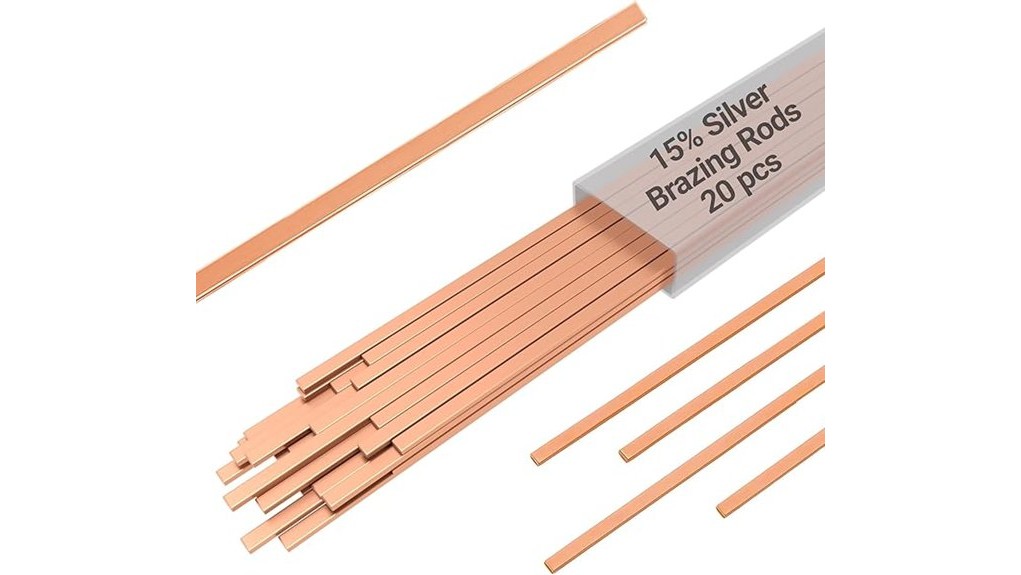
The 15% Silver Brazing Rods AWS BCuP-5 are made for strong brazed joints in HVAC, refrigeration, and copper assembly work. The 15% silver content helps the rod flow well and form durable joints when used with proper heat control.
These brazing rods are designed for jobs where leak resistance matters. They work within a thermal range of 1193°F to 1472°F, based on the source article. That range makes them useful for technicians who need clean flow, capillary action, and reliable bonding on suitable metals.
Quick Verdict
Best for: HVAC, refrigeration, copper tubing, and brazing work where strong leak-resistant joints are needed.
Bottom line: These 15% silver AWS BCuP-5 brazing rods are a practical choice for users who need good flow, deep capillary penetration, and joints that can handle thermal stress. They are best for trained users who already understand heat control and joint preparation.
Key Specifications
| Specification | Detail |
|---|---|
| Product Type | 15% silver brazing rods |
| AWS Classification | AWS BCuP-5 |
| Silver Content | 15% |
| Thermal Range | 1193°F to 1472°F, based on the source article |
| Common Uses | HVAC, refrigeration, air conditioning systems, copper joints, and industrial assembly |
| Key Benefit | Good flow and deep capillary penetration for strong, leak-resistant joints |
| ASIN | B0FL73KD4B |
What Is This Product?
The 15% Silver Brazing Rods AWS BCuP-5 are filler rods used to join suitable metals through brazing. They are not regular welding rods. Instead, they melt and flow into a properly heated joint to create a bonded connection.
The source article highlights HVAC and refrigeration work as key uses. In these jobs, a weak joint can cause leaks, pressure loss, and system failure. A rod with good flow helps fill the joint area more evenly when the surface is clean and the heat is controlled.
Who It Is For
These brazing rods make the most sense for HVAC technicians, refrigeration repair workers, plumbers, maintenance teams, and skilled DIY users who already know how to braze safely.
They are useful when you need a filler rod for copper joints or similar suitable applications where flow and joint strength matter. They also fit repair work where leak resistance is more important than using the cheapest possible filler rod.
Who Should Skip It
You should skip these rods if you need a filler metal for aluminum. The source article says the rods have limited aluminum compatibility and may need special techniques or different materials.
You should also skip them if you are new to torch work and do not have proper safety gear. Brazing uses high heat, and poor technique can damage the part, weaken the joint, or create a safety risk.
Key Features
15% Silver Composition
The 15% silver content is the main selling point of these AWS BCuP-5 brazing rods. Silver helps improve flow and supports strong joint formation when the base material, joint gap, and heat are correct.
This makes the rods useful for HVAC and refrigeration work, where joints often need to stay sealed under heat changes and vibration.
Strong Flow and Capillary Action
The source article notes that these rods offer good flow and deep capillary penetration. That means the molten filler can move into the joint gap instead of sitting only on the surface.
Good capillary action can reduce leak risk. Still, the final result depends on clean parts, correct fit-up, and even heat.
Thermal Range for Brazing Work
These rods operate within a thermal range of 1193°F to 1472°F, based on the source article. This range supports common brazing work in HVAC and refrigeration applications.
Heat control matters. Too little heat can stop the filler from flowing correctly. Too much heat can overheat the joint and affect the quality of the bond.
Useful for HVAC and Refrigeration
HVAC and refrigeration systems need clean, sealed joints. These rods are designed for that kind of work, especially when joining copper parts in air conditioning and refrigeration lines.
They can help create durable joints when the technician prepares the surface well and uses proper brazing steps.
Real-World Use
In real use, these rods fit jobs like joining copper tubing, repairing refrigeration lines, and assembling HVAC connections. They are also useful for shop work where a strong brazed joint is needed.
Before brazing, clean the joint with a wire brush or abrasive pad. Remove oxidation, dirt, and oil. Then apply heat evenly and let the filler flow into the joint instead of forcing it with the torch flame.
| Installation Techniques | Maintenance Tips |
|---|---|
| Use proper joint preparation | Regularly check for leaks |
| Control heat application | Clean parts before brazing |
| Keep a proper rod angle | Inspect joints periodically |
These steps help improve joint quality and may extend the life of the system. They also reduce avoidable problems caused by poor preparation.
Pros and Cons
Pros
- 15% silver composition supports strong and durable brazed joints
- Good flow helps the filler reach deep into properly prepared joints
- Useful for HVAC, refrigeration, air conditioning, and copper joint work
- Thermal range of 1193°F to 1472°F supports common brazing applications
- Can help reduce leak risk when used with correct technique
Cons
- Not a good choice for aluminum unless you use a suitable method and material match
- Requires clean joints and careful heat control for best results
- Not ideal for beginners who do not have brazing experience or safety gear
Is It Worth the Price?
These rods can be worth it if you need reliable brazing performance for HVAC, refrigeration, or copper joint work. The value comes from the 15% silver content, smooth flow, and ability to form strong joints under the right conditions.
They may not be the right value if you only need a basic filler rod for light, non-critical work. They also may not be right if your project uses aluminum or another material that needs a different brazing alloy.
Alternatives to Consider
For context, you can compare these rods with other 15% silver phosphorus copper brazing rods, lower-silver BCuP brazing rods, or silver brazing alloys that require separate flux. These alternatives may fit different budgets, base metals, and joint requirements.
Some users may also compare this type of rod with well-known 15% silver brazing options from brands such as Harris Stay-Silv 15 or Lucas-Milhaupt Sil-Fos 15. Always match the filler rod to your base metal, joint type, and service conditions before buying.
Frequently Asked Questions
How Should I Store 15% Silver Brazing Rods?
Store the rods in a cool and dry place. Keep them away from moisture, dirt, and chemicals. Clean storage helps reduce oxidation and keeps the rods ready for brazing work.
What Safety Gear Is Recommended When Using These Rods?
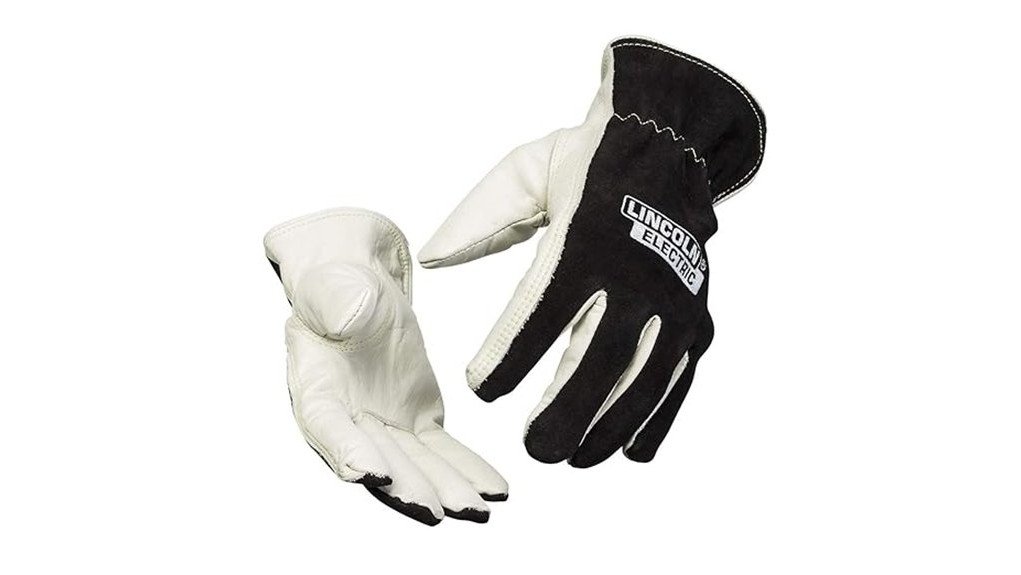
Use heat-resistant gloves, safety glasses, a face shield, proper clothing, and good ventilation. Brazing involves high heat, fumes, and bright flame, so safety gear is important.
Can These Rods Be Used on Aluminum?
These rods are not the best choice for aluminum. The source article says they have limited aluminum compatibility. Use a filler metal and method made for aluminum if your project involves aluminum parts.
Are These Rods Compatible With Different Types of Flux?
Flux compatibility depends on the base metal and brazing method. For copper-to-copper brazing, BCuP alloys are often selected because of their flow behavior. For other metals, check the rod instructions and use the correct flux for the job.
How Do I Clean the Joints Before Brazing?
Use a wire brush, abrasive pad, or suitable cleaning method to remove oxidation, dirt, and oil. Clean joints help the filler metal flow better and create a stronger bond.
What Are These Rods Best Used For?
They are best suited for HVAC, refrigeration, copper joint work, air conditioning lines, and similar brazing tasks where strong and leak-resistant joints are needed.
Final Verdict
The 15% Silver Brazing Rods AWS BCuP-5 are a solid option for HVAC and refrigeration work when you need strong flow and durable joints. The 15% silver content, deep capillary action, and 1193°F to 1472°F thermal range make them useful for serious brazing jobs.
They are best for users who understand proper joint preparation, heat control, and brazing safety. If you need rods for copper HVAC or refrigeration work, this product is worth considering. If you need to braze aluminum, choose a filler made for that material instead.