As an Amazon Associate I earn from qualifying purchases. Buying through these links costs you nothing extra.
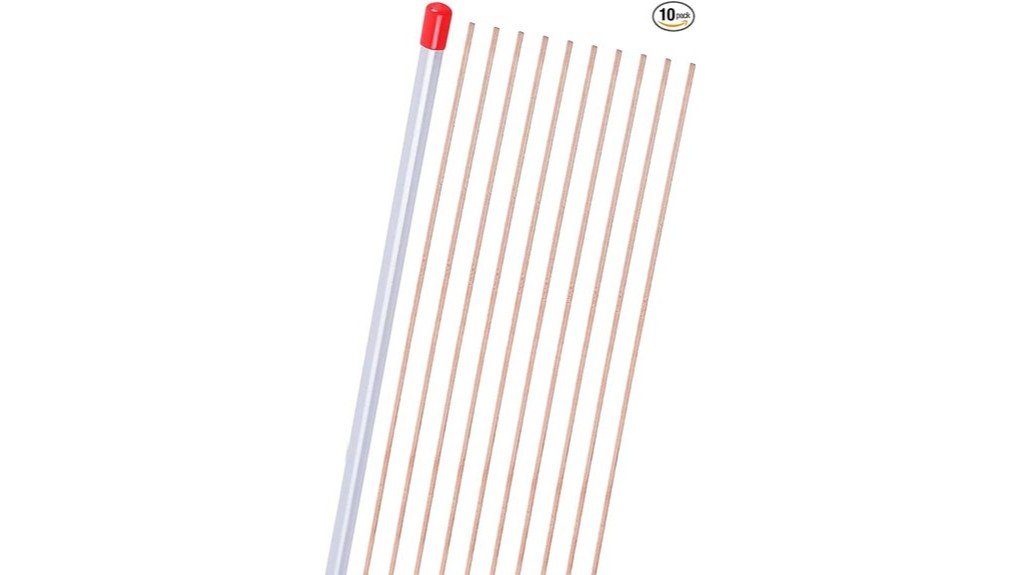
The 16 inch phosphor copper brazing rods on this listing are sold for copper tube work such as HVAC, refrigeration, and plumbing repairs. They are phosphorus-copper rods, which normally need no flux on copper-to-copper joints. This review is based on the Amazon listing details and general brazing practice, not hands-on testing, so confirm the alloy and rod size on the current listing before you buy.
Quick Take
- Best for: copper-to-copper joints in HVAC, refrigeration, and plumbing repair.
- Not for: steel, stainless, nickel alloys, or aluminum.
- Check first: the alloy class, rod diameter, and quantity on the listing.
Key Specifications
Specs are as described on the listing. The melting range quoted on the listing differs from published figures for the common BCuP-2 alloy (about 1310 to 1460 F, or 709 to 793 C, per one alloy maker), so use the alloy maker data for your rod when setting up a joint.
| Specification | Detail |
|---|---|
| Rod length | 16 inches |
| Alloy type | Phosphorus-copper brazing rod; listing identifies it as BCuP-2 |
| Typical BCuP-2 melting range | About 709 to 793 C (1310 to 1460 F), per an alloy maker data sheet |
| Typical phosphorus content (BCuP-2) | About 7% |
| Packaging | Capped tube, per the listing |
| Intended base metals | Copper to copper; copper to brass with flux |
| Typical uses | HVAC and refrigeration lines, plumbing, coils |
What Are These 16 Inch Phosphor Copper Brazing Rods?
Phosphorus-copper rods are filler metals that flow into a tight joint by capillary action when the tube is hot enough. The phosphorus works as a flux on clean copper, which is why they are popular for refrigeration and air-conditioning lines. They cost less than silver-bearing alloys but make a more brittle joint, so they are not meant for joints that see heavy vibration or impact.
Who Should Buy Them?
A good fit if you:
- braze copper tube for HVAC, refrigeration, or plumbing repairs
- want a filler that normally needs no flux on copper-to-copper joints
- need rods that fit in a toolbox or service van
Look elsewhere if you:
- need to join steel, stainless, or nickel alloys (use a silver alloy with flux)
- need a joint that handles heavy vibration
- are welding aluminum
How to Braze Copper Tube With Phosphorus-Copper Rods
- Cut the tube square, deburr it, and clean the joint area with abrasive cloth until it is bright.
- Fit the joint with a small, even gap so the filler can be drawn in by capillary action.
- Purge refrigerant lines with nitrogen while brazing, as is standard HVAC practice.
- Heat the tube and fitting evenly with a torch suited to the tube size. Heat the joint, not the rod.
- Touch the rod to the joint. When the tube is hot enough, the rod melts and flows into the gap.
- Let the joint cool without quenching, then wipe it clean and pressure test the system.
Safety Notes
- Braze in a ventilated area; brazing fumes should not be breathed.
- Wear eye protection and gloves, and keep a fire extinguisher nearby.
- Keep flammables, insulation, and wiring away from the joint.
- Follow local codes and refrigerant handling rules for HVAC work.
Pros and Limitations
Pros
- Self-fluxing on copper-to-copper joints
- Suited to HVAC, refrigeration, and plumbing tube
- Capped tube packaging helps keep rods clean, per the listing
Limitations
- Not for ferrous metals or nickel alloys
- Joints are less ductile than silver-alloy joints
- Listing details such as quantity and rod diameter should be confirmed before buying
How They Compare
Silver-bearing alloys flow at lower temperatures and make tougher joints, and they work on more metals with flux, but they cost more per rod. Phosphorus-copper rods are the budget choice for copper tube. For a closer look at when to braze and when to weld, see the related guides below.
Related reading: how to braze HVAC copper pipe without soldering, brazing vs welding on auto body metal, and the soldering flux guide.
Frequently Asked Questions
Do these rods need flux?
For copper-to-copper joints, phosphorus-copper alloys are normally self-fluxing, so flux is not usually needed. Joining copper to brass generally needs flux. Check the alloy maker data for your exact rod.
Can I braze steel or stainless with phosphorus-copper rods?
No. Phosphorus-copper alloys are intended for copper and are not recommended on ferrous metals or nickel alloys, because brittle compounds can form in the joint. Use a silver brazing alloy and flux for those metals.
Can I use these rods on aluminum?
No. Aluminum needs its own aluminum brazing or welding rods and a different process. These rods are for copper tube work.
What torch should I use?
Small tube can be brazed with an air-acetylene or MAPP-style torch. Larger tube usually needs more heat, so oxy-fuel is common. A plain propane torch may be too weak for bigger joints.
How should I store the rods?
Keep them dry in the capped tube they came in so they stay clean and do not get bent or contaminated before use.
What should I check before buying?
Check the current listing for the alloy class, rod length, rod diameter, and quantity. Compare the alloy class with your joint type, since phosphorus-copper rods suit copper-to-copper work.
The Bottom Line
These 16 inch phosphor copper brazing rods make sense for copper tube repair in HVAC, refrigeration, and plumbing. They are the wrong choice for steel, stainless, or aluminum. Confirm the alloy class, rod diameter, and quantity on the listing before you order.
{“@context”:”https://schema.org”,”@type”:”FAQPage”,”mainEntity”:[{“@type”:”Question”,”name”:”Do these rods need flux?”,”acceptedAnswer”:{“@type”:”Answer”,”text”:”For copper-to-copper joints, phosphorus-copper alloys are normally self-fluxing, so flux is not usually needed. Joining copper to brass generally needs flux. Check the alloy maker data for your exact rod.”}},{“@type”:”Question”,”name”:”Can I braze steel or stainless with phosphorus-copper rods?”,”acceptedAnswer”:{“@type”:”Answer”,”text”:”No. Phosphorus-copper alloys are intended for copper and are not recommended on ferrous metals or nickel alloys, because brittle compounds can form in the joint. Use a silver brazing alloy and flux for those metals.”}},{“@type”:”Question”,”name”:”Can I use these rods on aluminum?”,”acceptedAnswer”:{“@type”:”Answer”,”text”:”No. Aluminum needs its own aluminum brazing or welding rods and a different process. These rods are for copper tube work.”}},{“@type”:”Question”,”name”:”What torch should I use?”,”acceptedAnswer”:{“@type”:”Answer”,”text”:”Small tube can be brazed with an air-acetylene or MAPP-style torch. Larger tube usually needs more heat, so oxy-fuel is common. A plain propane torch may be too weak for bigger joints.”}},{“@type”:”Question”,”name”:”How should I store the rods?”,”acceptedAnswer”:{“@type”:”Answer”,”text”:”Keep them dry in the capped tube they came in so they stay clean and do not get bent or contaminated before use.”}},{“@type”:”Question”,”name”:”What should I check before buying?”,”acceptedAnswer”:{“@type”:”Answer”,”text”:”Check the current listing for the alloy class, rod length, rod diameter, and quantity. Compare the alloy class with your joint type, since phosphorus-copper rods suit copper-to-copper work.”}}]}