Disclosure: As an Amazon Associate, we earn from qualifying purchases. If you click a link on this page and make a purchase, we may receive a small commission at no extra cost to you.
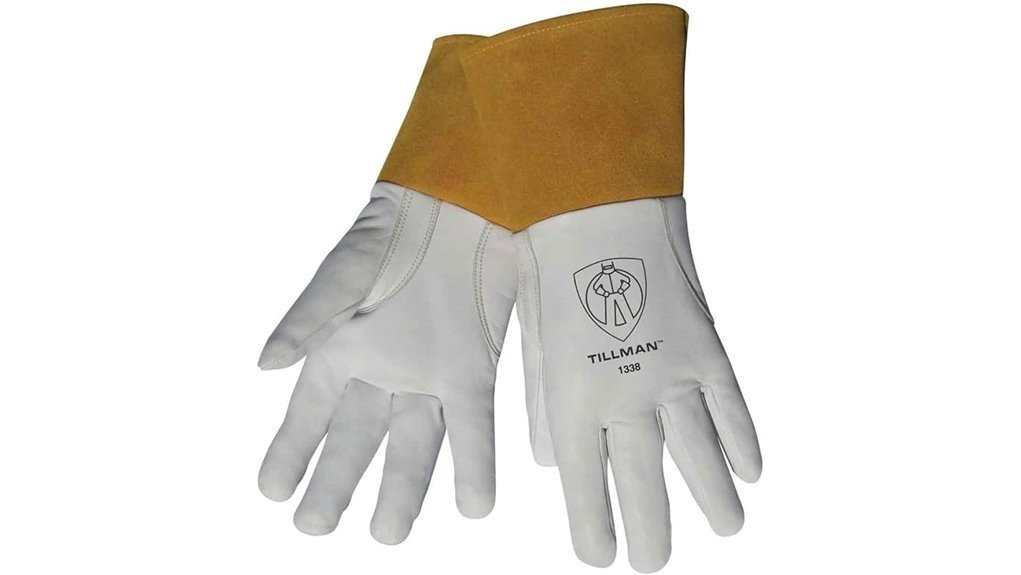
Choosing TIG welding gloves is a balance between feel, heat protection, and hand control. The Tillman unisex adult Tig Welding Gloves R3SC34122981 focus on dexterity with pearl top grain goatskin, Kevlar sewn seams, a glide patch, and a reinforced thumb. That makes them worth considering if you want a flexible TIG glove that helps you hold a torch or filler rod with more control. The tradeoff is that this review could not verify extra listing details such as size options, warranty terms, or heat ratings, so you should check the Amazon listing carefully before you buy.
Quick Verdict
Rating: 8.4/10
Best For: TIG welders who want a soft goatskin glove with better finger feel than bulky welding gloves.
Bottom Line: The Tillman Tig Welding Gloves are a strong choice if you want flexible goatskin, Kevlar sewn seams, and a thumb design made for control. They are not the best fit if you need verified heavy spatter protection, exact heat ratings, or confirmed warranty details before buying.
| Specification | Detail |
|---|---|
| Brand | Tillman |
| Model reference | R3SC34122981, as listed in the source article |
| Product type | TIG welding gloves |
| Primary material | Pearl top grain goatskin |
| Seams | Kevlar sewn seams |
| Grip design | Straight thumb design for grip and control |
| Reinforcement | Reinforced thumb for a high-stress area |
| Movement feature | Glide patch to support smoother movement with a welding gun |
| Best use | TIG welding tasks where dexterity and hand feel matter |
| Care note | Wipe with a damp cloth and use leather conditioner when appropriate |
What Are the Tillman Tig Welding Gloves?
The Tillman Tig Welding Gloves R3SC34122981 are leather welding gloves made for TIG work, where hand control often matters as much as protection. The article-supported construction includes pearl top grain goatskin, Kevlar sewn seams, a glide patch, a reinforced thumb, and a straight thumb design.
Goatskin is commonly valued in TIG gloves because it gives you a softer hand feel than many heavier welding gloves. In this Tillman design, the goatskin helps with flexibility, while the Kevlar sewn seams and reinforced thumb add strength in areas that see frequent movement.
These gloves make the most sense for welders who want better torch control, smoother movement, and a glove that does not feel overly stiff. They are less ideal if you need a glove with verified heavy-duty heat ratings, thick insulation, or confirmed protection for high-spatter welding processes.
Key Takeaways
- Pearl top grain goatskin supports flexibility and hand feel for TIG welding tasks.
- Kevlar sewn seams add strength in areas that can wear from repeated movement.
- The glide patch helps the glove move more smoothly when you handle a welding gun.
- The reinforced thumb supports a high-stress area that sees frequent gripping and repositioning.
- The straight thumb design helps with grip and control, especially when precision matters.
Before You Buy: This review could not verify the Amazon listing details through direct browsing, so check the current size, quantity, warranty, and safety information on the product page before ordering.
Who Should Buy It?
Best For
- TIG welders who want better finger feel than thick stick-welding gloves provide.
- Buyers who prefer goatskin leather for flexibility and dexterity.
- Welders who want reinforced stitching and a reinforced thumb for regular shop use.
Skip If
- You need verified heat ratings, size charts, or warranty terms before buying.
- You mainly do heavy spatter work and need thicker process-specific protection.
- You want a glove with confirmed dimensions or a clearly verified package count.
Material and Construction Quality
The main strength of these Tillman gloves is the article-supported material package. Pearl top grain goatskin gives the glove a softer, more flexible feel, which is helpful when you need to control a TIG torch or feed filler rod with steady hand movement.
The Kevlar sewn seams are another key detail. Welding gloves often fail where seams face repeated flexing, heat exposure, and abrasion. Kevlar stitching gives those seams a stronger build than basic thread, which can help the glove last longer under normal TIG use.
The reinforced thumb also matters because the thumb area takes a lot of stress during gripping, adjusting, and repositioning. For TIG welding, that extra reinforcement is useful because you often make small hand adjustments while trying to keep a steady arc.
For TIG work, the best part of this design is the balance between soft goatskin feel and reinforced high-wear areas.
Design Features and Functionality
The glove design is built around movement. The glide patch is meant to help your hand move more smoothly when you maneuver a welding gun, which can reduce the feeling of drag during controlled welds.
The straight thumb design supports grip and hand positioning. This is useful for TIG welders because a small shift in hand angle can affect comfort, torch control, and the consistency of your weld bead.
The gloves also avoid the bulky feel that many heavier welding gloves have. That can be a real benefit when you need to pick up filler rod, adjust a torch, or handle small parts. The tradeoff is that thinner, more flexible TIG gloves may not be the right choice for every welding process or high-heat task.
Pro Tip: Measure your hand before ordering and choose the closest available size on Amazon. A TIG glove should feel snug enough for control, but not so tight that it limits finger movement.
Performance and Durability
For TIG welding, the Tillman gloves should appeal most to buyers who care about feel, control, and flexible hand movement. The goatskin construction helps you keep better contact with the torch and filler rod than you would get from many thick, stiff gloves.
The Kevlar sewn seams and reinforced thumb improve durability where the glove is most likely to face stress. That does not mean the gloves are indestructible, but it does make the build more practical for repeated welding sessions.
The biggest limitation is that the available source article does not provide verified heat ratings, size measurements, or warranty terms. That means you should treat these as TIG-focused dexterity gloves, not as a confirmed solution for every welding process or every heat level.
Material Safety and Comfort
Because welding gloves touch your skin for long periods, comfort and fit matter. The goatskin contact surface should feel more flexible than many stiff leather gloves, which can reduce hand fatigue during detail-focused welding.
You should still check the gloves before each use. Do not use them if the leather is cracked, the seams are opening, the thumb reinforcement is damaged, or the glove has holes. Any damage near the fingers, thumb, or palm can reduce protection and control.
Always match your gloves to the welding process, heat level, and task. TIG gloves are often chosen for dexterity, but heavier welding work may call for a thicker glove with more verified heat and spatter protection.
How It Performs in Real Use
For TIG Welding Control
The soft goatskin and straight thumb design help when you need a stable grip and clean hand movement. This is where the glove has its clearest advantage, especially for welders who dislike bulky gloves during precise TIG work.
For Short Shop Sessions
During shorter welding sessions, the flexible leather should make the gloves easier to wear without a long break-in period. The reinforced thumb and Kevlar sewn seams also give the gloves a more durable feel than a basic light-duty leather glove.
For Repeated Gripping and Positioning
The reinforced thumb is useful when you grip a torch, reposition your hand, or adjust small workpieces. That reinforcement targets a practical wear area instead of adding bulk across the whole glove.
For Other Welding Tasks
The source article mentions MIG and arc welding use, but you should be careful with that claim. These gloves are reviewed as TIG gloves, so use them for other welding tasks only when the protection level fits the heat, spatter, and safety requirements of that job.
How to Use Them Correctly
Start by checking the glove fit. Your fingers should reach close to the end of the glove without being crushed, and your hand should be able to close around the torch comfortably.
Before each welding session, inspect the leather, thumb reinforcement, and seams. If you see holes, hard cracking, open stitching, or thin spots, replace the gloves instead of trying to keep using them.
Use these gloves for tasks that match their TIG-focused design. For high-spatter jobs or extended high-heat work, compare them with heavier welding gloves that are clearly rated for that process.
Care and Maintenance
For basic care, wipe the gloves with a damp cloth after use and let them dry naturally. Avoid soaking leather welding gloves because too much water can make the leather stiff or shorten its useful life.
A leather conditioner can help preserve flexibility, but use it lightly and follow the product label. Store the gloves away from direct heat, moisture, and sharp tools that can damage the goatskin or seams.
Do not keep using welding gloves just because the outer leather still looks acceptable. If the seams, thumb area, or palm contact points are worn, the glove may no longer give you the control or protection you expect.
Pros and Cons
Pros
- Pearl top grain goatskin supports flexibility and hand feel.
- Kevlar sewn seams add strength in common wear areas.
- Glide patch helps with smoother welding gun movement.
- Reinforced thumb improves durability in a high-stress area.
- Straight thumb design supports grip and control during TIG work.
Cons
- Current listing details, warranty terms, and size options were not verified during this edit.
- Not the best choice if you need thicker gloves for heavy spatter work.
- Correct sizing matters because loose TIG gloves can reduce control.
Is It Worth the Price?
The Tillman Tig Welding Gloves are worth considering if you want a dexterity-focused welding glove with goatskin leather and reinforced construction details. They should offer strong value for the price if your main priority is TIG control rather than maximum bulk or heavy spatter coverage.
The best value goes to welders who need a glove for regular TIG work, light shop use, and tasks where finger movement matters. The goatskin, Kevlar sewn seams, glide patch, and reinforced thumb all support that use case.
They are not the best fit if you need verified ratings, exact sizing information, or a glove made mainly for hotter, heavier, spatter-heavy welding. In that case, compare these with thicker process-specific welding gloves before you decide.
How It Compares to Alternatives
Compared with heavier welding gloves, the Tillman Tig Welding Gloves focus more on feel and movement. That makes them better for TIG welders who want control, but less ideal for buyers who need heavy insulation or extra spatter coverage.
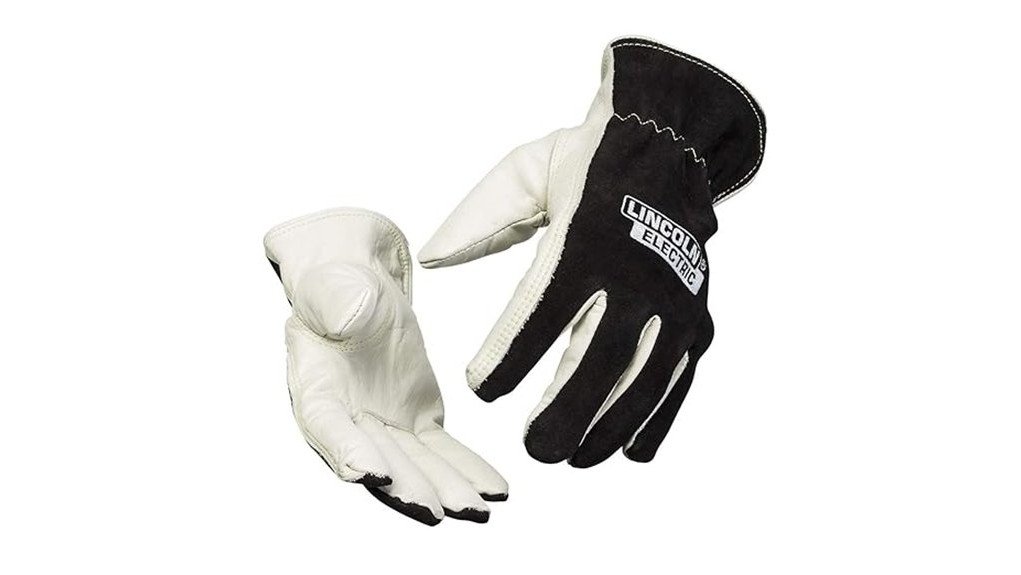
If you are comparing brands, look at similar TIG gloves from Lincoln Electric, Miller, and Revco. The Tillman gloves make the most sense if you care most about goatskin flexibility, reinforced seams, and a thumb design built for controlled handling.
Frequently Asked Questions
Are the Tillman Tig Welding Gloves good for beginners?
Yes, they can be a good choice for beginners who are learning TIG welding and want better hand feel. The goatskin material and straight thumb design help with grip, but beginners should still follow welding safety guidance and use gloves that match the task.
Can you use these gloves for MIG or stick welding?
The source article mentions other welding uses, but these are reviewed as TIG gloves. Use them for MIG or stick welding only if the heat, spatter, and protection needs match the glove, and choose heavier gloves when the job requires more coverage.
What material are these welding gloves made from?
The article-supported material is pearl top grain goatskin. This type of leather is used here for flexibility and hand feel, which is especially useful for TIG welding control.
Do the gloves have reinforced stitching?
Yes, the source article describes Kevlar sewn seams. That is a useful durability detail because seams are common failure points on gloves that flex often.
How should you choose the right size?
Measure your hand and compare it with the current size options on Amazon. A TIG glove should be close-fitting enough for control without pinching your fingers or limiting hand movement.
How do you care for these gloves?
Wipe them with a damp cloth after use and let them dry naturally. Use leather conditioner only as directed, and store the gloves away from moisture, sharp tools, and direct heat.
Who should skip these Tillman gloves?
Skip them if you need verified heavy heat protection, confirmed spatter resistance, or exact warranty terms before buying. They are better suited to TIG-focused dexterity than to every welding job.
The Bottom Line
The Tillman Tig Welding Gloves R3SC34122981 are recommended with caveats for welders who want goatskin flexibility, Kevlar sewn seams, a glide patch, and a reinforced thumb for TIG work. They are strongest in hand feel and control, but you should skip them if you need verified heavy-duty heat ratings, exact sizing specs, or confirmed warranty details before ordering.