As an Amazon Associate, Garage Welding may earn from qualifying purchases. This does not change the price you pay.
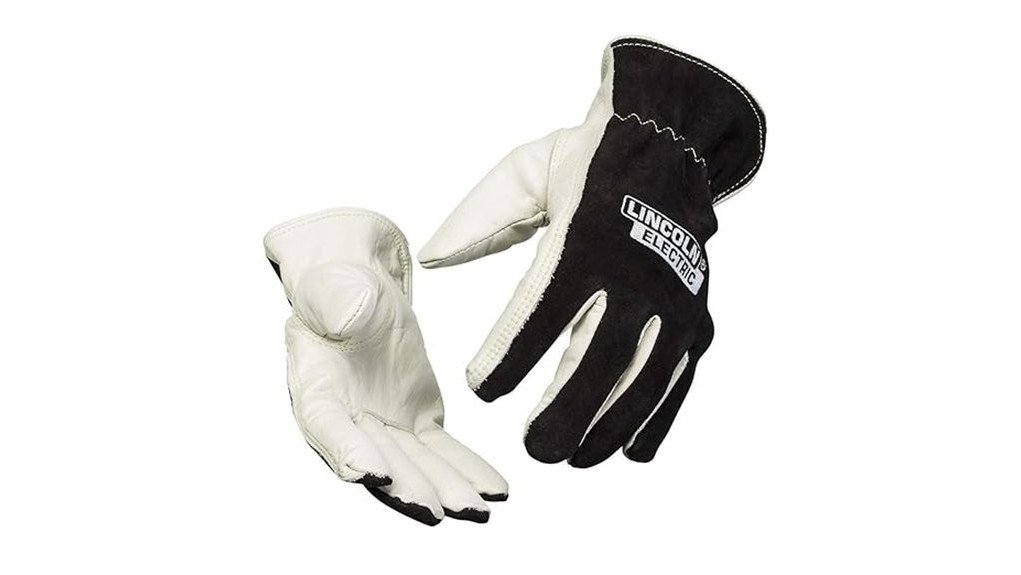
The Lincoln Electric welders gloves in this listing are lightweight leather gloves with a top grain leather palm, split leather on the back of the hand, a knit cotton liner and a keystone thumb. They suit low-amperage welding, cutting and general shop handling. If you run heavy stick welding or high-amp MIG, step up to a thicker, longer-cuff glove.
This page is based on the seller’s Amazon listing and common welding-glove practice, not hands-on testing.
Lincoln Electric welders gloves at a glance
| Item | Per the listing |
|---|---|
| Palm | Top grain leather |
| Back of hand | Split leather |
| Liner | Soft knit cotton |
| Wrist | Integrated elastic band |
| Thumb | Ergonomic keystone design |
| Length / sizes | About 10 inches; medium to 2XL |
| Positioned for | Low-amp welding, cutting, material handling, woodworking |
Check Current Price on Amazon →
Who this glove suits
A top grain palm is softer and more sensitive than split leather, which helps when you handle small parts, set up joints and run a torch for short stretches. Split leather on the back of the hand keeps the tougher, cheaper material where abrasion and radiant heat hit hardest.
- Good for: light fabrication, hobby MIG, cutting prep, handling and fit-up, general shop work.
- Less suited to: high-amp stick, overhead welding or long hot-contact tasks.
How to check the fit and suitability
- Measure your hand. Use the size chart; gloves should allow a full fist without strain.
- Match the cuff to your sleeve. At about 10 inches, the glove is short, so overlap with your jacket sleeve.
- Match amperage to glove. Lighter gloves belong to lighter work.
- Check dexterity. You should be able to pick up a tip, a piece of wire and a tool without fumbling.
- Check seams. Look for a stitching layout that avoids seams over high-wear spots.
Pros and limitations
Pros
- Good tactile feel from the top grain palm.
- Keystone thumb and elastic wrist for a secure fit.
- Brand name from a well-known welding supplier.
Limitations
- Short cuff and thin lining limit protection against heavy spatter.
- Not a replacement for gloves rated for high-amperage stick welding.
- Top grain palms can wear faster under hot contact.
Using and caring for the gloves
Do not use them to pick up hot metal for long, because leather conducts heat. Keep them dry, because wet leather loses insulation. Wipe off dirt, air dry away from heat, and apply a little leather care product sparingly.
Replace gloves when seams open, the palm thins, or the liner burns through. Never wear gloves with holes, and do not assume gloves make your hands fireproof.
Alternatives and related guides
- See the Lincoln Electric K2977 welding gloves review for another model from the brand.
- For heavier MIG, see Tillman 48XL welding gloves.
- For lined stick gloves, see Caiman Revolution gloves.
- For fine work, see Wells Lamont TIG gloves.
Frequently Asked Questions
Are these Lincoln Electric gloves good for MIG or stick welding?
The listing positions them for low-amperage welding, cutting, material handling and woodworking, so treat them as a lighter, more flexible glove. For sustained high-amperage stick or heavy spatter, a thicker, lined glove with a longer cuff is the more usual choice.
What materials are used in this glove?
The listing describes a top grain leather palm, a split leather top hand, a soft knit cotton liner, an integrated elastic wrist band and a keystone thumb. Top grain leather gives feel, and split leather on the back of the hand is tougher against heat and abrasion.
How long are the gloves and what sizes are there?
The listing describes a glove about 10 inches long in sizes from medium to 2XL. That is a short cuff, so wear it with a jacket sleeve that overlaps the glove to stop spatter dropping inside. Check the current size chart before ordering.
Do welding gloves protect from electric shock?
Leather welding gloves are not electrical safety gloves. Dry leather helps insulate you slightly, but wet or sweaty gloves conduct, and a glove is no substitute for correct grounding and dry conditions. Never use welding gloves as a replacement for rated insulating gloves.
Conclusion
These Lincoln Electric gloves look best for light welding, cutting and shop handling where feel matters. Confirm the size chart and keep a heavier glove for high-amperage work.