Disclosure: As an Amazon Associate, we earn from qualifying purchases. If you click a link on this page and make a purchase, we may receive a small commission at no extra cost to you.
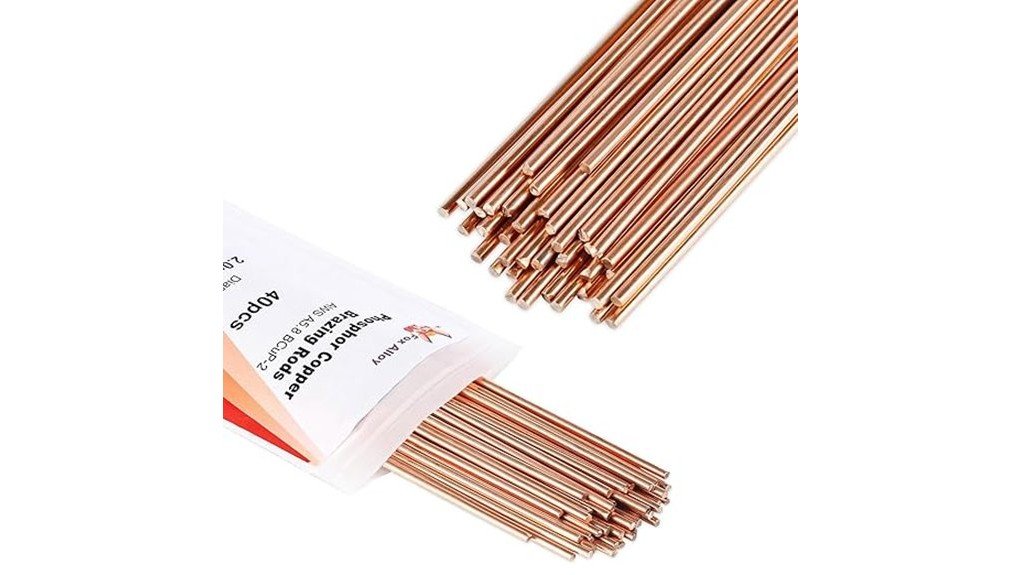
Copper brazing jobs can fail when the filler rod does not flow well, fit the base metal, or match the heat source you plan to use. The 40 PCS Phos Copper Brazing Rods are made for copper and copper-alloy work where a compact, self-fluxing rod can help fill tight joints. This review breaks down the rod size, supported uses, practical limitations, safety points, and buying value so you can decide if this pack fits your repair or shop work. The main strength is easy flow on suitable copper joints, while the main limitation is narrow material compatibility.
Quick Verdict
Rating: 8.2/10, Recommended with caveats
Best For: Copper-to-copper brazing, refrigeration-style repairs, electrical appliance work, and small shop projects that need a 5/64-inch rod.
Bottom Line: These rods make sense if you need a compact copper-phosphorus filler that flows into small gaps and supports strong copper joints. Skip them if you need aluminum, steel, stainless steel, or wide-gap structural repair work.
Key Takeaways
- The pack includes 40 phos copper brazing rods for copper and copper-alloy brazing tasks.
- Each rod measures 5/64 inches in diameter and 25 cm in length, based on the submitted product details.
- The rods are described as air self-fluxing, which helps with copper work when the joint and surfaces are prepared correctly.
- The 710-820°C melting range supports gas flame, resistance, and induction brazing applications listed in the article.
- The rods are not suitable for aluminum brazing, and they are not a general-purpose filler for every metal.
Product Specifications and Features
| Specification | Detail |
|---|---|
| Product type | Phos copper brazing rods |
| Count | 40 rods |
| Rod diameter | 5/64 inches |
| Rod length | 25 cm |
| Package weight | 1/2 lb, based on the original article |
| Composition note | 6.6-7.4% phosphor, remainder copper, as stated in the source article |
| Standard noted | AWS A5.8, based on the submitted product details |
| Melting range | 710-820°C |
| Best use | Copper, copper alloys, refrigeration work, home appliances, and electrical instruments |
| Compatible processes | Gas flame, MAPP, propane, resistance brazing, flame brazing, and induction brazing, where suitable for the workpiece |
What Is the 40 PCS Phos Copper Brazing Rod Set?
The 40 PCS Phos Copper Brazing Rod set is a small-pack filler rod option for joining copper and compatible copper alloys. The rods are designed to melt and flow into the joint area, then cool into a firm bond when the base metal, heat, clearance, and surface prep are right.
The 5/64-inch diameter gives you a slim rod that is easier to control on smaller joints than a thicker filler stick. The 25 cm length also makes the rods easy to store in a toolbox, welding cart, or small parts drawer without taking up much space.
The main feature is the air self-fluxing behavior described in the original article. In practical terms, that makes these rods most appealing for copper work where you want a filler that wets and flows without adding extra steps beyond proper cleaning and heating.
Before You Buy: These are phos copper rods, not universal brazing rods. Do not buy this pack for aluminum brazing, and do not assume it will suit every steel, stainless, nickel, or mixed-metal repair.
Who Should Buy It?
Best For
- You work on copper tubing, copper fittings, or copper-alloy parts.
- You want a 40-piece pack for repeated small repairs or practice joints.
- You use MAPP, propane, gas flame, resistance, or induction brazing setups.
Skip If
- You need rods for aluminum brazing.
- You need a filler for structural welding rather than brazing.
- You need verified brand, warranty, or manufacturer support before buying.
Materials and Build Quality
The rods are described as copper-based with 6.6-7.4% phosphor. That composition supports the product’s main purpose: flowing into copper joints and creating conductive connections for suitable metalworking jobs.
The slim 5/64-inch profile is useful when you need better feed control around small fittings, appliance parts, or narrow repair areas. A thinner rod also helps reduce waste when you only need a small amount of filler.
The tradeoff is that these rods still depend on joint fit. They are a poor match for loose, dirty, poorly aligned, or oversized gaps where filler metal cannot bridge the problem cleanly.
Performance and Applications
For copper and compatible copper-alloy work, the strongest feature is fluidity. The original article notes that the molten filler can fill small gaps, which matters when you are brazing tight fittings or small contact points.
The rods are a practical fit for refrigeration work, home appliance repair, and electrical instrument tasks listed in the article. In those jobs, good flow and conductivity matter because the joint often needs both mechanical hold and a clean conductive path.
You should still match the rod to the job. The article does not support using these rods for aluminum, and it does not confirm them as a solution for every industrial, pressure-rated, or code-regulated repair.
Ease of Use
The self-fluxing claim makes these rods more approachable for copper work than fillers that always require a separate flux step. That said, self-fluxing does not mean no preparation. You still need clean metal, proper heat control, safe ventilation, and a stable joint fit.
The 25 cm length helps with handling during small jobs. You can feed the rod steadily without fighting an oversized stick, and the 40-piece count gives you enough rods for practice, repairs, and repeat use.
Pro Tip: Clean the joint area before heating, test-fit the pieces first, and feed the rod only after the base metal is hot enough to draw the filler into the gap.
How It Performs in Real Use
For Refrigeration-Style Copper Work
These rods are best suited to small copper tubing and fitting work where the joint is tight and properly prepared. The low melting range and strong flow help the filler move around the joint instead of sitting in one spot.
For Electrical Appliance Repairs
The article highlights electrical instruments and appliances as suitable use cases. In these repairs, the rods make the most sense when you need a copper-compatible filler that supports conductivity and a stable bond.
For DIY Practice and Small Shop Work
The 40-piece count is helpful if you are practicing heat control or making repeated small joints. Beginners still need proper protective gear, but the rod size and self-fluxing behavior can make copper practice more manageable.
For Storage and Backup Use
The compact 25 cm rods are easy to keep as backup consumables in a tool drawer or repair kit. Store them dry and protected so the surface stays clean before use.
How to Use It Correctly
Start by confirming that the base metal is copper or a compatible copper alloy. Remove dirt, oil, oxidation, and loose debris from the joint area before applying heat.
Use steady heat and let the workpiece bring the filler to flow temperature. Avoid melting the rod with the flame alone, because that can leave filler on the surface instead of drawing it into the joint.
Keep the joint clearance tight and even. These rods are described as good for small gaps, so they work best when the parts already fit well before you begin brazing.
Compatibility and Safety
These rods are made for brazing, not arc welding. Use the right heat source, follow the product label, and work in a ventilated area that suits high-temperature metalworking.
Wear safety goggles or a face shield, heat-resistant gloves, long sleeves, and other shop protection required for your setup. Molten filler metal, hot copper, and flame work can cause burns, eye injury, and fire risk if handled carelessly.
Do not use these rods on aluminum. If you are working on a pressure-rated refrigeration system, electrical equipment, gas line, or code-controlled repair, check the relevant requirements or hire a qualified professional.
Pros and Cons
Pros
- 40-piece pack gives you enough rods for several small jobs or practice sessions.
- 5/64-inch diameter supports controlled feeding on smaller copper joints.
- Self-fluxing design is useful for suitable copper and copper-alloy work.
- High fluidity helps fill small gaps when the joint fit is correct.
- Works with common brazing setups listed in the article, including MAPP and propane.
Cons
- Not suitable for aluminum brazing.
- Brand, warranty, and manufacturer details are not confirmed in the provided article.
- Requires correct surface prep, heat control, and joint clearance.
Is It Worth the Price?
This pack looks like a practical value choice if you need multiple rods for copper brazing rather than a single repair stick. The 40-piece count makes it better for users who practice, repair, or maintain copper parts more than once.
It is worth considering if you care about compact rod size, self-fluxing use on suitable copper jobs, and compatibility with common flame-based setups. It is not the best fit if you need confirmed brand support, detailed manufacturer documentation, or a filler for metals outside the supported range.
How It Compares to Alternatives
Compared with aluminum brazing rods, these phos copper rods are more specialized and should only be chosen for compatible copper work. Compared with silver-bearing brazing alloys, this pack may appeal to users who want a copper-focused filler for common repair tasks rather than a higher-cost specialty alloy.
If you need a filler for steel or stainless steel, compare these rods with the correct silver brazing alloy or another filler that is designed for that base metal. The 40 PCS Phos Copper Brazing Rods make the most sense when copper compatibility and small-gap flow are your main priorities.
Frequently Asked Questions
What metals are these phos copper brazing rods best for?
They are best for copper and compatible copper alloys, based on the article details. They are not a universal filler for every metal.
Can you use these rods for aluminum brazing?
No. The original article states that these rods are not suitable for aluminum brazing, so choose an aluminum-compatible filler instead.
Do these rods need flux?
The rods are described as air self-fluxing for suitable copper work. You still need clean surfaces, proper heat, and correct joint fit for good results.
What heat sources can you use with them?
The article lists gas flame, MAPP, propane, resistance brazing, flame brazing, and induction brazing as compatible setups. Match your heat source to the base metal, joint size, and safety requirements.
Are these rods good for beginners?
They can be beginner-friendly for copper practice because the rods are slim and described as self-fluxing. Beginners should practice on scrap copper first and use proper safety gear.
How should you store the rods?
Store them in a cool, dry place away from moisture and shop grime. Keeping the rods clean helps protect flow quality when you use them later.
What common mistake should you avoid?
Do not rely on the rod to fix a poor joint fit. These rods work best when the parts are clean, aligned, and close enough for the molten filler to flow into the gap.
Who should skip this brazing rod pack?
Skip it if you need aluminum rods, a welding electrode, or a filler for unknown mixed metals. You should also skip it if your repair requires certified materials that are not confirmed in the listing details.
The Bottom Line
The 40 PCS Phos Copper Brazing Rods are a strong fit for buyers who need compact, self-fluxing filler rods for copper and copper-alloy brazing. They are not the right choice for aluminum or broad mixed-metal repairs, but they offer useful value when your project matches the supported use cases.