Disclosure: As an Amazon Associate, we earn from qualifying purchases. If you click a link on this page and make a purchase, we may receive a small commission at no extra cost to you.
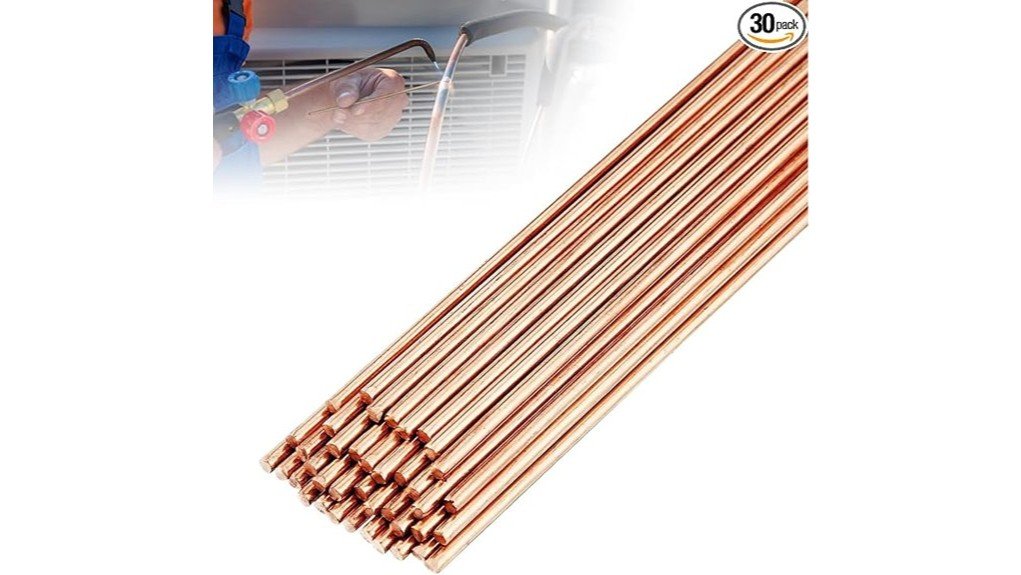
Clean copper joints can fail when the filler rod does not flow well, the tubing overheats, or the base metal was not prepared correctly. The NIEFARG 30Pcs Copper Brazing Rods are made for small copper and copper-alloy brazing jobs where flow control matters more than heavy welding power.
This review helps you decide whether these L201 phosphor-copper rods fit your HVAC, refrigeration, plumbing, or electrical repair work. Their main strength is the low melting range and good fluidity, but they still need clean surfaces, proper heat control, and the right base material to perform well.
Quick Verdict
Rating: 8/10 (Based on verified listing details and buyer-use suitability)
Best For: Copper tubing, HVAC service, refrigeration repair, small plumbing work, and copper-alloy brazing
Bottom Line: These rods make sense if you need a low-melting phosphor-copper filler that flows into tight copper joints. They are not the right choice for heavy structural welding, general steel repair, or users who want one rod for every metal.
Key Specifications
| Specification | Detail |
|---|---|
| Brand | NIEFARG |
| Product Name | 30Pcs Copper Brazing Rods, Phosphor Copper Solder |
| Product Type | Phosphor-copper brazing rods |
| Listed Alloy Detail | L201 phosphor copper welding wire |
| Composition | 7.0–7.5% phosphorus, remainder copper |
| Material | Copper and phosphor |
| Rod Shape | Round rod |
| Rod Diameter | 1.6 mm |
| Listed Dimensions | 9.8 x 0.05 x 0.1 inches |
| Item Weight | 0.11 kg |
| Melting Range | 1310 to 1459.4°F |
| Quantity | 30 pieces |
| Color | Yellow |
| Best Use | Brazing copper and copper alloys in HVAC, refrigeration, instruments, and electrical machinery |
| Key Limitation | Not designed for heavy structural welding or broad multi-metal repair |
| Storage Note | Store dry and protect from contamination or oxidation |
What Are the NIEFARG 30Pcs Copper Brazing Rods?
The NIEFARG 30Pcs Copper Brazing Rods are round phosphor-copper filler rods for brazing copper and compatible copper alloys. The listing identifies them as L201 phosphor copper welding wire with 7.0–7.5% phosphorus and the remainder copper.
The phosphorus content helps the molten filler flow into narrow joints, which is useful when you are joining copper tubing, small fittings, instrument parts, or refrigeration components. The rods are not welding electrodes for structural steel work, and they should not be treated like general-purpose soldering wire.
Each set includes 30 rods. The listed 1.6 mm diameter gives you a slim filler size for controlled work, especially when the joint gap is small and you do not want to flood the area with extra material.
Who Should Buy It?
Best For
- HVAC technicians brazing clean copper tubing and small copper fittings
- Refrigeration repair work that needs controlled filler flow into tight joints
- DIY users who already understand torch heat control and surface preparation
Skip If
- You need rods for steel fabrication, structural welding, or load-bearing repairs
- You want a filler that works equally well across many unrelated metals
- You only have a light soldering iron and no suitable brazing heat source
Feature-by-Feature Review
Composition and Flow
The key material detail is the 7.0–7.5% phosphorus content. That composition helps the rod melt and flow through small brazing joints instead of sitting on the surface when the base metal reaches the right temperature.
This flow behavior matters most on copper tubing and close-fitting joints. It can help you build a cleaner joint with less excess filler, but it does not remove the need for surface cleaning or proper heat.
Melting Range and Heat Control
The listed melting range is 1310 to 1459.4°F. That range is lower than many high-heat filler options, which helps when you are working around thinner copper parts that can overheat or distort.
You still need enough heat for the base metal to draw the filler into the joint. If the surface is too cool, the rod may ball up or fail to wet the joint. If the surface gets too hot, you can damage the workpiece or burn off control.
Rod Size and Handling
The 1.6 mm diameter is useful for small repair areas and narrow copper joints. You can feed the rod gradually, which gives you better control than a thicker rod on light HVAC or refrigeration work.
The listed rod length is about 9.8 inches, which is manageable for bench work, field repairs, and small torch setups. For bigger production jobs, you may prefer longer rods or larger bulk packaging.
Compatibility
These rods are intended for copper and copper alloys. They are a better fit for copper-to-copper joints than for random metal repair, craft soldering, or steel work.
Compatibility becomes more important when brass, bronze, or mixed metals are involved. In those cases, follow the product directions, test on scrap first, and use the correct flux or filler type when your base metal requires it.
Before You Buy: These are brazing rods for copper-focused work, not low-temperature solder sticks for a basic electronics iron. You need suitable torch heat, clean metal, and a compatible base material.
How It Performs in Real Use
For HVAC Copper Tubing
On clean copper tubing, the low melting range and slim 1.6 mm rod size help you feed filler into small joints with better control. This makes the set useful for service work where you want a clean joint without adding too much material.
For Refrigeration Repairs
Refrigeration work often involves tight spaces and thin copper lines. These rods can work well when the joint is properly fitted, the surface is polished clean, and the torch keeps steady heat on the base metal.
For Electrical Machinery and Instruments
The listing notes use in electrical machinery and instrument applications. In these jobs, the main benefit is controlled filler flow around small copper parts, but you should avoid overheating nearby components or insulation.
For Home Shop and DIY Brazing
DIY users can get good results when they already understand brazing basics. The rods are less forgiving if you treat them like soft solder, skip cleaning, or try to melt the rod directly in the flame instead of heating the base metal.
How to Use It Correctly
Start by cleaning the copper surface with physical abrasion until oxidation, oil, paint, and residue are removed. Brazing filler depends on capillary action, so a dirty joint can block flow even when the rod itself melts.
Heat the base metal rather than burning the rod directly. Once the joint area reaches brazing temperature, touch the rod to the heated joint and let the base metal draw the filler into the gap.
Keep the torch moving enough to avoid hot spots, but do not pull the heat away too early. Copper sheds heat quickly, so a joint can fall below working temperature before the filler has fully flowed.
Pro Tip: Practice on scrap copper before repairing a live HVAC, refrigeration, or plumbing system. A short test joint shows whether your torch, surface prep, and heat control are working together.
Material Quality and Safety Notes
The rods use a copper and phosphorus composition with uniform material control listed as a key selling point. That matters because inconsistent filler can melt unevenly, flow poorly, or create weak joints.
Use brazing gloves, eye protection, ventilation, and heat-resistant work surfaces. Brazing can create high heat, fumes, and fire risk, especially near insulation, refrigerant lines, wood framing, or flammable residue.
For HVAC or refrigeration systems, follow the equipment manufacturer’s service guidance and local safety rules. Pressurized systems, refrigerants, and electrical parts can create hazards beyond the filler rod itself.
Pros and Cons
Pros
- 7.0–7.5% phosphorus content supports good flow into tight copper joints
- 1310 to 1459.4°F melting range suits controlled copper brazing work
- 1.6 mm round rods are easy to feed on small joints and tubing repairs
- 30-piece set gives you enough rods for several small repair or practice jobs
- Useful for HVAC, refrigeration, instruments, and copper-alloy applications
Cons
- Limited compatibility compared with broader multi-metal brazing fillers
- Requires proper torch heat, so it is not suitable for basic soldering irons
- Surface prep and joint fit matter, so beginners may need practice first
Need Copper Brazing Rods?
Check the current product details and confirm the rods match your project before buying.
Is It Worth the Price?
This set fits the budget-friendly side of copper brazing consumables. The strongest value comes from the 30-piece quantity, slim rod size, and copper-specific composition for small service and repair jobs.
It is worth considering if you mainly work with copper tubing, refrigeration lines, instruments, or compatible copper alloys. You get less value if your work often involves steel, mixed metals, structural fabrication, or large production runs.
The set also works well as practice material for improving heat control. Since brazing technique affects results so much, a larger count can help you build cleaner joints before working on a final repair.
How It Compares to Alternatives
Compared with general-purpose brazing rods, these NIEFARG phosphor-copper rods make more sense for copper-focused work because they are designed for flow into copper and copper-alloy joints. General multi-metal rods may offer wider compatibility, but they may not flow as smoothly on small copper joints.
Compared with silver-bearing brazing rods, this set is usually the more cost-conscious choice. Silver-bearing options may be worth comparing when you need higher joint toughness, better performance on certain copper alloys, or a more demanding professional specification.
Frequently Asked Questions
Do these rods require flux?
For clean copper-to-copper brazing, phosphor-copper rods are often used without separate flux. For brass, bronze, dirty joints, or mixed materials, check the product directions and use the correct flux when the base metal requires it.
Can these rods be used on steel?
They are primarily designed for copper and copper alloys, not structural steel welding. If you need to join steel, choose a filler rod made for that metal and process.
What torch do you need for these rods?
You need a heat source that can bring the base metal to brazing temperature. A light soldering iron is not enough, and some thicker copper parts may need more heat than a basic propane torch can provide.
Are these good for HVAC and refrigeration work?
Yes, they are a practical fit for copper tubing and copper-alloy joints used in HVAC and refrigeration repairs. You still need proper surface prep, joint fit, and safe system-handling practices.
What size are the rods?
The listing identifies the rods as 1.6 mm in diameter with listed dimensions of 9.8 x 0.05 x 0.1 inches. That slim size helps with controlled feeding on small copper joints.
Why will the rod not stick or flow?
Poor flow usually comes from dirty metal, not enough base-metal heat, poor joint fit, or using the rod on the wrong material. Clean the surface, heat the workpiece rather than the rod, and test on scrap before the final joint.
How many rods come in the package?
The set includes 30 pieces. That count is useful for several small repairs, practice joints, or keeping backup rods in a service kit.
How should you store them?
Keep the rods dry, clean, and protected from shop grime. Moisture, oil, and oxidation can make brazing harder and reduce joint quality.
The Bottom Line
The NIEFARG 30Pcs Copper Brazing Rods are a strong fit for copper-focused brazing in HVAC, refrigeration, instruments, and small plumbing repairs. Their best strengths are the 7.0–7.5% phosphorus composition, slim 1.6 mm rod size, and low melting range, while the main limitation is narrow material compatibility.
Buy them if your work centers on copper and copper alloys. Skip them if you need structural welding rods, steel repair filler, or a product that works with a basic soldering iron.