Disclosure: As an Amazon Associate, we earn from qualifying purchases. If you click a link on this page and make a purchase, we may receive a small commission at no extra cost to you.
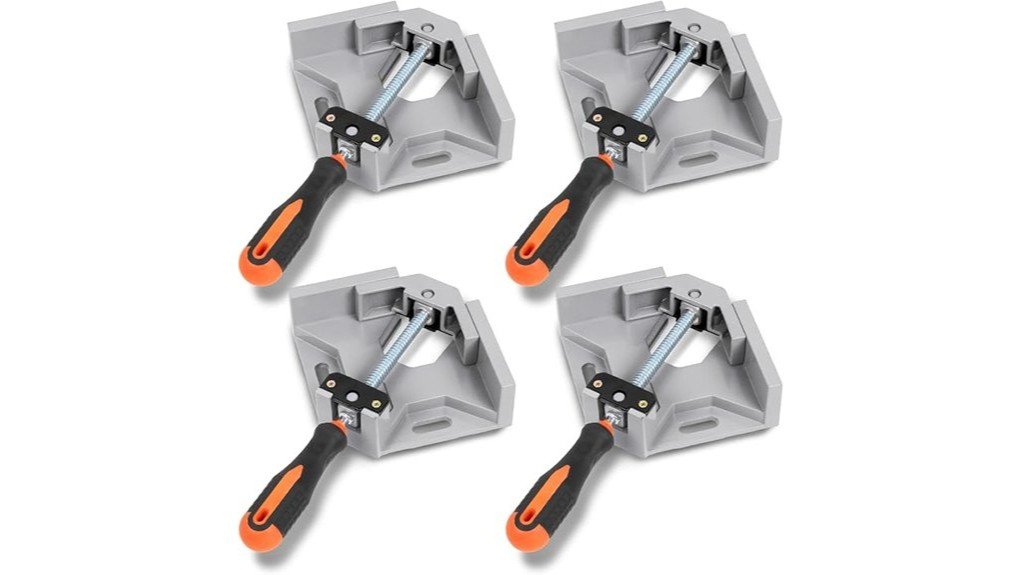
Keeping two boards square while glue sets or screws go in can be harder than it looks. The Corner Clamp for woodworking is made to hold materials at a 90-degree angle so you can assemble frames, cabinets, shelves, and small furniture with less shifting. Its aluminum alloy body, adjustable swing jaw, and rubberized handle make it useful for light to moderate workshop jobs. This review helps you decide where it works well, where it feels limited, and whether it fits your project style.
Quick Verdict
Rating: 8/10, recommended for DIY and light workshop use
Best For: Cabinet making, picture frames, shelves, small boxes, and light furniture assembly
Bottom Line: This corner clamp gives you stable 90-degree alignment with a lightweight aluminum alloy frame and an adjustable jaw. It is a smart pick for everyday woodworking, but it is not built for heavy structural clamping or high-force industrial work.
| Specification | Detail |
|---|---|
| Product Type | Corner Clamp for woodworking |
| Angle Design | 90-degree right angle clamp |
| Material | Aluminum alloy with anti-rust coating |
| Clamping Range | Up to 2.76 inches |
| Jaw Width | 3.74 inches |
| Max Material Thickness | Up to 1.5 inches with adjustable swing jaw |
| Handle Type | Non-slip rubberized handle |
| Best Use | Frames, cabinets, boxes, shelves, and small furniture joints |
| Supported Materials | Wood, acrylic, and light metal pieces |
| Safety Note | Not intended for heavy structural loads, welding fabrication, or industrial clamping pressure |
What Is the Corner Clamp for Woodworking?
The Corner Clamp for Woodworking is a right-angle holding tool designed to keep two pieces of material aligned at 90 degrees during assembly. You can use it when building cabinet corners, picture frames, boxes, shelves, and smaller furniture parts where square joints matter.
The clamp uses an aluminum alloy frame with an anti-rust coating, which keeps it lighter than many steel-bodied clamps. Its adjustable swing jaw supports material thickness up to 1.5 inches, so it can handle thin strips, common boards, and light project panels without a complex setup.
It is best viewed as an alignment helper, not a replacement for every clamp in your shop. It keeps a corner steady while you glue, screw, or fasten parts, but large projects may still need extra clamps for even pressure across the full joint.
Key Features and Build Quality
90-Degree Precision Design
The fixed right-angle design helps you keep two workpieces square while you tighten the clamp. This is useful during glue-up because even a small shift can leave a cabinet corner, box, or picture frame slightly out of alignment.
The clamp is most helpful when your parts already have clean, square edges. It can hold pieces in position, but it cannot correct badly cut boards or warped stock on its own.
Aluminum Alloy Frame
The aluminum alloy body keeps the tool light enough for repeated use during small projects. The anti-rust coating adds protection in humid garages and workshops where tools may contact moisture, glue residue, or sawdust.
Aluminum also keeps handling simple, especially if you use several clamps across a frame or cabinet box. The tradeoff is clamping strength, since this style is better for light to medium pressure than heavy-duty force.
Adjustable Swing Jaw
The swing jaw adjusts to fit material thickness up to 1.5 inches. That range works for many common DIY woodworking materials, including thin boards, trim pieces, small panels, and frame stock.
The jaw also helps when two pieces are not exactly the same thickness. You still need to align the visible faces by hand before tightening, but the adjustable jaw gives you more flexibility than a fixed-width corner holder.
Clamping Range and Jaw Width
The clamp has a stated clamping range of up to 2.76 inches and a jaw width of 3.74 inches. Those dimensions make it practical for small and medium project parts, not oversized beams or large structural frames.
This range is enough for many home workshop tasks, but you should measure your material before buying. If your boards or frame parts exceed the stated range, a larger right-angle clamp will fit better.
Grip and Handling
The non-slip rubberized handle gives you a steadier hold while tightening. That matters when one hand is positioning the material and the other hand is turning the clamp.
The handle helps reduce slipping, but you should still tighten with control. Overtightening can shift small parts, dent softer wood, or pull a corner out of square before glue sets.
Pro Tip: Dry-fit both pieces before adding glue. Align the outside faces first, tighten the clamp gradually, then check the corner with a square before fastening.
Who Should Buy It?
Best For
- DIY woodworkers building frames, cabinets, shelves, or boxes
- Hobbyists who need simple 90-degree alignment during glue-up
- Light workshop users working with material up to 1.5 inches thick
Skip If
- You need heavy-duty industrial clamping force
- You work with oversized frames, beams, or irregular structural parts
- You need a welding square or steel fabrication fixture
How It Performs in Real Use
For Cabinet Assembly
The clamp helps hold cabinet corners steady while glue sets or screws go in. Its 90-degree frame supports cleaner alignment, especially when you are working alone and need an extra hand to keep side panels from shifting.
For larger cabinet boxes, you may still need additional bar clamps or parallel clamps. This corner clamp works best as a positioning aid, while other clamps handle wider pressure across the joint.
For Picture Frames
The adjustable jaw works well with thinner wood strips, making it useful for picture frames and small display frames. It can help keep mitered or square-cut corners stable while you glue, pin, or fasten them.
Because frame pieces can move easily, tighten the handle slowly. A light, gradual tightening motion gives you better control than forcing the clamp down in one pass.
For Small Boxes and Shelves
Small boxes, shelf corners, and storage projects are good matches for this tool. The aluminum frame keeps setup simple, and the jaw range is enough for many common DIY boards and panels.
For shelf projects, check that the shelf side and front edge sit flat before tightening. The clamp holds the angle, but uneven boards can still create gaps if you do not dry-fit them first.
For Workshop Repairs
You can use the clamp to stabilize loose or broken corners while re-gluing or adding fasteners. It is especially helpful on lightweight furniture, small wood frames, drawer boxes, and simple repair jobs.
It is not meant to force damaged, warped, or stressed parts back into shape. If the repair needs strong pressure across a long edge, use larger clamps along with this corner clamp.
Before You Buy: This clamp is not intended for heavy structural loads, steel fabrication, or oversized assemblies. It is best for woodworking, acrylic, and light metal pieces within the stated jaw range.
Setup Tips Before First Use
Check the Material Thickness
Before you start, measure the material you plan to clamp. The adjustable swing jaw supports thickness up to 1.5 inches, so anything larger may not seat correctly.
Dry-Fit the Corner
Place both workpieces in the clamp before adding glue. This lets you confirm that the joint sits square, the faces line up, and the handle can tighten without pushing the parts out of position.
Tighten Gradually
Start with light pressure, adjust the workpieces, then tighten a little more. Gradual tightening helps prevent soft wood from denting and reduces the chance of a corner slipping out of square.
Use Extra Clamps When Needed
This corner clamp holds the angle, but it may not provide enough pressure for long boards or wide panels. Add bar clamps or spring clamps when you need pressure along a larger glue joint.
Materials and Safety Notes
The aluminum alloy body makes the clamp light and easy to handle, while the anti-rust coating supports better durability in normal workshop conditions. The rubberized handle improves grip and gives you better control during tightening.
Use the clamp only for suitable light to moderate tasks. Do not use it to support heavy structural parts, suspend material, or hold metal pieces during welding. Always keep your fingers clear of the jaw area while tightening.
For best results, use the clamp on clean, stable surfaces. Sawdust, glue buildup, or uneven edges can reduce grip and make the corner harder to align.
Pros and Cons
Pros
- Fixed 90-degree design helps keep joints square during assembly
- Lightweight aluminum alloy frame reduces hand fatigue
- Adjustable swing jaw supports material thickness up to 1.5 inches
- 3.74-inch jaw width gives useful contact for small and medium parts
- Rubberized handle improves grip while tightening
Cons
- Not suitable for heavy-duty industrial clamping
- Limited to moderate material thickness and a 2.76-inch clamping range
- May still need extra clamps for larger panels or long glue joints
Need a Simple 90-Degree Clamp?
Check the latest product details before you add it to your workshop setup.
Is It Worth the Price?
This corner clamp sits in the budget to mid-range category for home workshop tools. It offers strong value for the price if you often assemble right-angle joints and want a simple way to hold pieces steady while you work.
The best value goes to DIY users who build frames, cabinet boxes, small shelves, drawer boxes, or light furniture. You get a clear benefit from the 90-degree design, adjustable jaw, and lightweight frame without paying for a heavy professional jig.
It is not the best fit if your projects need extreme clamping force, oversized capacity, or industrial durability. For those jobs, a heavier steel right-angle clamp or a larger clamping system may be a better choice.
How It Compares to Alternatives
Compared to larger steel right-angle clamps, this aluminum clamp is easier to handle and better suited to quick DIY setup. Steel alternatives may offer more rigidity and pressure, but they can feel heavier and less convenient for small frames or light furniture work.
Compared to magnetic welding squares, this clamp is a better match for woodworking because it provides actual clamping pressure. Magnetic squares make more sense for metal layout and welding support, while this tool works best for holding wood, acrylic, and light material at 90 degrees.
Common Mistakes to Avoid
Using It as the Only Clamp on Large Panels
A corner clamp helps with alignment, not full-panel pressure. Use extra clamps along long edges when you need a tight glue joint across a wider surface.
Tightening Before the Pieces Are Square
Do not tighten fully before checking the corner. Set the pieces in place, apply light pressure, check with a square, then finish tightening.
Ignoring the Thickness Limit
The adjustable swing jaw supports material up to 1.5 inches thick. For thicker stock, choose a larger clamp rather than forcing the jaw beyond its intended range.
Frequently Asked Questions
What material can this corner clamp hold?
It is designed for wood, acrylic, and light metal pieces. It works best when the material has clean, flat edges that can sit evenly inside the jaw.
Can it hold 90-degree joints accurately?
Yes, the fixed right-angle design helps maintain square alignment during glue-up and fastening. For best results, dry-fit the pieces and check the corner with a square before tightening fully.
Is it suitable for heavy-duty use?
No, it is better suited for light to moderate woodworking tasks. It is not intended for structural clamping, industrial fabrication, or high-pressure metal work.
What is the maximum thickness it supports?
It supports material thickness up to 1.5 inches with the adjustable swing jaw. Measure your boards before buying if you often work with thicker stock.
What is the clamping range?
The stated clamping range is up to 2.76 inches. That makes it useful for small and medium workshop parts, but not for oversized frames or thick structural pieces.
Does it slip during tightening?
The rubberized handle improves grip stability while tightening. Still, you should tighten gradually because small parts can shift if pressure is applied too quickly.
Do I need other clamps with it?
For small corners, this clamp may be enough to hold alignment while you fasten the joint. For larger boards, long panels, or wide glue joints, use extra clamps to spread pressure evenly.
Is it beginner-friendly?
Yes, it is simple to use and does not require a complex setup. Beginners should dry-fit first, tighten slowly, and check the corner before glue or fasteners lock the joint in place.
The Bottom Line
The Corner Clamp for woodworking is a practical choice for hobbyists and light workshop users who need reliable 90-degree alignment. It performs best in cabinet making, framing, boxes, shelves, and small furniture projects where clean positioning matters more than raw clamping force.
You should skip it if you need heavy industrial pressure, oversized capacity, or a welding fixture. For everyday DIY woodworking within its jaw range, its aluminum alloy build, adjustable swing jaw, and rubberized handle make it a useful shop helper.