Disclosure: As an Amazon Associate, we earn from qualifying purchases. If you click a link on this page and make a purchase, we may receive a small commission at no extra cost to you.
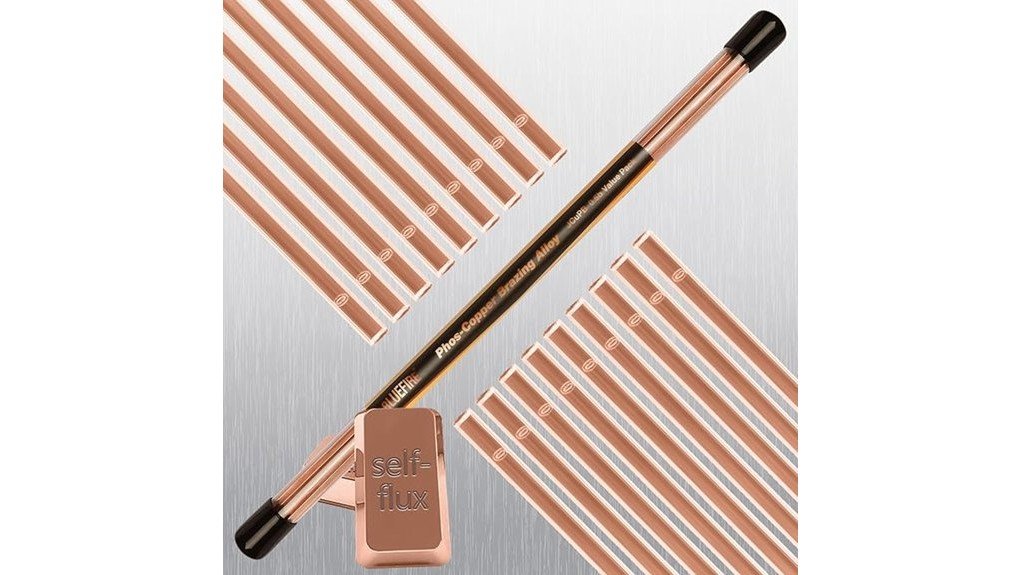
Choosing brazing rods is less about buying the hottest filler metal and more about matching the alloy to the metals you need to join. The 21 Sticks BLUEFIRE BCuP-2 brazing rods are made for copper-focused brazing jobs, especially HVAC, refrigeration, plumbing, and small mechanical repairs. Their main appeal is the self-fluxing phosphor copper design for clean copper-to-copper joints, but they are not a universal rod for aluminum, steel, or every brass repair. This review helps you decide where these rods fit, where they do not, and what to check before you buy.
Quick Verdict
Rating: 8.3/10, Recommended with caveats
Best For: HVAC techs, plumbers, and DIY repair users working on clean copper tubing and copper alloy joints.
Bottom Line: BLUEFIRE BCuP-2 is a practical choice when you need a silver-free phosphor copper rod for copper brazing. The tradeoff is limited compatibility, since you should not treat it as a one-rod solution for aluminum, steel, nickel-bearing alloys, or poorly fitted joints.
| Specification | Detail |
|---|---|
| Brand | BLUEFIRE |
| Model or alloy | BCuP-2 phosphor copper brazing alloy |
| Product type | Self-fluxing brazing rods for copper-focused joints |
| Quantity | 21 sticks |
| Package amount | Half-pound package, as listed in the product details |
| Rod size | 1/16-inch diameter and 18-inch length, as listed in the product details |
| Alloy composition | 6.6% to 7.4% phosphorus, balance copper |
| Listed melting range | Solidus 1310°F, liquidus 1508°F |
| Recommended joint clearance | 0.002 to 0.007 inches |
| Best use | HVAC, refrigeration, heat exchanger, copper plumbing, and copper alloy repair work |
| Important limitation | Not for aluminum brazing, and not recommended for steel, iron, or nickel-bearing joints |
What Is the 21 Sticks BLUEFIRE BCuP-2?
The 21 Sticks BLUEFIRE BCuP-2 is a phosphor copper brazing rod set made for joining copper and compatible copper alloys. The rods are described as self-fluxing, which helps most when you are joining clean copper to clean copper because the phosphorus in the alloy helps handle copper oxide during brazing.
This is not a general welding rod for MIG or TIG work. It is better viewed as a brazing filler rod for torch-based joining, repair, and maintenance jobs where the base metal is heated and the filler flows into a tight joint by capillary action.
The package is aimed at HVAC, refrigeration, plumbing, and repair users who need a small supply of rods instead of a large industrial tube. The 21-stick count also makes sense for occasional repairs, jobsite backup, or a home workshop where you do not want to store a bulk pack.
Before You Buy: BCuP-2 is mainly a copper brazing alloy. Do not buy it for aluminum, steel, iron, stainless steel, or nickel-heavy parts, and confirm the product label before using it on brass or bronze joints that may need a separate compatible flux.
Who Should Buy It?
Best For
- HVAC and refrigeration users brazing clean copper tubing, return bends, or small service fittings.
- Plumbing repair users who need rods for tight copper joints and properly prepared copper surfaces.
- DIY metal repair users who want a compact 21-stick pack for occasional copper or copper alloy work.
Skip If
- You need aluminum brazing rods, low-temperature solder, or filler metal for steel or stainless steel.
- Your joints have wide gaps, poor fit-up, heavy contamination, paint, oil, or corrosion that cannot be cleaned away.
- You need a certified filler for code-critical HVAC, medical gas, pressure, or structural work without checking the required standard first.
Performance and Applications
BCuP-2 is most useful when the joint is clean, tight, and made from compatible copper-based metal. The listed joint clearance of 0.002 to 0.007 inches gives the molten alloy a narrow path to flow through, which helps create a more consistent joint than a loose, uneven gap.
For copper-to-copper work, the self-fluxing behavior reduces one extra step because a separate flux is often not needed on clean copper. For brass or bronze, you should follow the rod label and use a compatible flux when required because zinc and other alloying elements can change how the surface oxides behave.
Build Quality and Alloy Design
The rod set uses a copper-phosphorus alloy rather than a silver-bearing formula. That keeps the product focused on value and copper compatibility, but it also means you should not expect the same ductility, vibration tolerance, or broad metal compatibility you may get from some silver-bearing brazing alloys.
The listed composition is 6.6% to 7.4% phosphorus with copper making up the remainder. That composition supports fast flow on suitable copper joints, but it also makes correct fit-up more important because a very fluid filler is not the best choice for bridging sloppy gaps.
HVAC and Refrigeration Work
For A/C units, freezers, refrigeration tubing, and heat exchanger repairs, these rods make the most sense on copper service joints that can be cleaned, fitted, and heated evenly. They are especially useful when you want the filler to wick into a capillary joint instead of sitting as a large bead on the outside.
For professional HVAC work, always match the filler alloy to the job requirement. Some systems, pressure levels, or service conditions may call for a different alloy, nitrogen purging, a specific procedure, or documentation that goes beyond a small retail rod pack.
Plumbing and Mechanical Repairs
In plumbing and shop repairs, the rods are best for copper assemblies where a brazed joint is appropriate and the part can handle high heat. They are not a substitute for soft solder when a lower-temperature plumbing method is required, and they are not the right choice for plastic-lined parts, rubber seals, or nearby heat-sensitive components.
For small mechanical repairs, the benefit is simple storage and quick access. The limitation is that every joint still needs clean metal, close fit-up, even heating, and a safe work area.
Pro Tip: Clean both sides of the joint until the copper is bright, dry-fit the parts, and heat the base metal evenly before feeding the rod. If the rod balls up instead of flowing, the joint may be too cold, dirty, oxidized, or too loose.
How It Performs in Real Use
For Copper Tubing Repairs
On clean copper tubing, BLUEFIRE BCuP-2 should flow best when the joint clearance is tight and the heat is spread around the fitting, not focused only on the rod. This makes it a practical choice for small tube joints, elbows, and repair fittings where the parts fit closely.
For HVAC Service Work
For HVAC service users, the 21-stick pack is convenient because it gives you enough rods for several small jobs without forcing you to buy a large shop-size supply. The main concern is job suitability, since some refrigeration and pressure work may require a specific alloy or procedure.
For Workshop Backup
As a backup pack in a garage or repair kit, these rods are useful for occasional copper alloy jobs. They are less useful if most of your work involves aluminum brackets, steel parts, stainless hardware, or unknown scrap metal.
For Long-Term Storage
Unused rods should be kept dry and protected from shop moisture, dirt, and oil. Store them in a tube, sleeve, or sealed container so the rods stay clean and are easy to identify later.
How to Use It Correctly
Start by cleaning the joint area with a brush, abrasive pad, or other method that removes oxidation, oil, paint, and residue. Brazing filler flows by heat and capillary action, so the surfaces need to be clean enough for the molten alloy to wet the metal.
Fit the joint before heating it. A close, even gap matters with BCuP-2 because the alloy is made to flow into tight spaces, not fill large missing sections. If the joint rocks, wobbles, or has a visible uneven gap, fix the fit before you apply heat.
Heat the base metal, not just the end of the rod. Touch the rod to the heated joint area and let the filler flow into the joint when the metal reaches the right temperature. Always follow the product label, your torch instructions, and any trade requirements for the system you are repairing.
Compatibility and Safety
These rods are not suitable for aluminum brazing. Aluminum needs a different filler and surface preparation because it forms a tough oxide layer and behaves very differently under heat.
You should also avoid using phosphor copper rods on steel, iron, stainless steel, or nickel-bearing alloys unless the product instructions and an approved procedure say otherwise. Phosphorus-bearing alloys can create brittle joints on some ferrous or nickel-containing metals, which makes them a poor choice for the wrong base material.
Use proper brazing safety gear, including eye protection, heat-resistant gloves, nonflammable clothing, and ventilation. Keep flammable materials away from the work area, protect nearby hoses and wiring, and use a fire watch when working around walls, vehicles, equipment cabinets, or other hidden cavities.
Pros and Cons
Pros
- Self-fluxing design helps simplify clean copper-to-copper brazing jobs.
- 21-stick pack is practical for service kits, small shops, and occasional repair work.
- Phosphor copper alloy is well suited to HVAC, refrigeration, and copper plumbing tasks when used correctly.
- Listed 0.002 to 0.007-inch joint clearance supports strong capillary flow in tight fittings.
- No silver content is listed, which may make it a value-focused option for compatible copper work.
Cons
- Not suitable for aluminum, steel, stainless steel, iron, or nickel-heavy materials.
- Requires clean metal, tight fit-up, and enough torch heat to flow correctly.
- May not be the right alloy for code-critical pressure or refrigeration work without checking the required procedure.
How It Compares to Alternatives
Compared with silver-bearing copper-phosphorus rods such as BCuP-3 or BCuP-5, BLUEFIRE BCuP-2 is a simpler silver-free choice for compatible copper work. Silver-bearing rods may be worth comparing if you need different flow behavior, better ductility, or a filler specified by a particular job procedure.
Compared with aluminum brazing rods or flux-coated brass rods, BCuP-2 serves a different purpose. Choose this BLUEFIRE pack when your work is centered on copper and compatible copper alloys, not when you need a general-purpose rod for mixed metals.
Warranty and Support Information
Warranty and return support should be checked on the current Amazon product page before you buy. Return terms can depend on seller, listing status, location, and timing.
For product questions, compatibility concerns, or order issues, use the seller details and Amazon support options shown on the active listing. For trade-critical work, the most important support detail is the product label or technical data that confirms the alloy, size, and intended use.
Is It Worth the Price?
BLUEFIRE BCuP-2 is worth considering if you need a small pack of copper brazing rods for HVAC, plumbing, refrigeration, or shop repair work. It offers strong value for the price when the job fits the alloy and you do not need a silver-bearing filler.
The best value goes to buyers who already understand basic brazing setup and need a practical rod supply for clean copper joints. It is not the best fit if you need one rod that handles aluminum, steel, stainless steel, and wide-gap repairs.
Frequently Asked Questions
Do BLUEFIRE BCuP-2 rods need flux?
For clean copper-to-copper joints, the phosphor copper alloy is designed to be self-fluxing. For brass, bronze, dirty metal, or uncertain alloys, check the label and use a compatible flux if the joint requires it.
Can these rods be used for aluminum brazing?
No. These rods are made for copper-focused brazing work, not aluminum. Aluminum brazing needs a compatible aluminum filler, the right flux or process, and different surface preparation.
Are they good for HVAC and refrigeration repairs?
They can be a good fit for clean copper HVAC and refrigeration joints where BCuP-2 is an acceptable filler. For pressure, refrigerant, or code-regulated work, confirm the required alloy and procedure before using them.
Will a propane torch get hot enough?
A propane torch may work on some small copper joints if it can heat the whole joint evenly. Larger copper parts draw heat away fast, so you may need a hotter torch setup and should follow the rod and torch instructions.
What joint gap works best?
The listed recommended clearance is 0.002 to 0.007 inches. A tight, even gap helps the filler flow through the joint instead of forming a weak blob outside the fitting.
How should unused rods be stored?
Keep unused rods dry, clean, and protected from shop grime. A sealed tube or sleeve helps prevent contamination and keeps the alloy easy to identify later.
Who should skip this rod pack?
Skip it if you mainly work on aluminum, steel, stainless steel, cast iron, or unknown mixed-metal parts. You should also skip it if the job requires a documented filler alloy that is different from BCuP-2.
The Bottom Line
The 21 Sticks BLUEFIRE BCuP-2 brazing rods are a smart buy for copper-focused HVAC, refrigeration, plumbing, and repair users who need a compact rod pack. Their biggest strength is simple copper-to-copper brazing with a self-fluxing phosphor copper alloy, while the biggest limitation is narrow material compatibility.
Buy them if your jobs match BCuP-2 and you can prep tight, clean joints. Skip them if you need aluminum, steel, stainless steel, nickel, or a code-specified filler that this product does not confirm.