BCuP-2 Brazing Rods Review
By Garage Welding Review Team
Last Updated: June 3, 2026
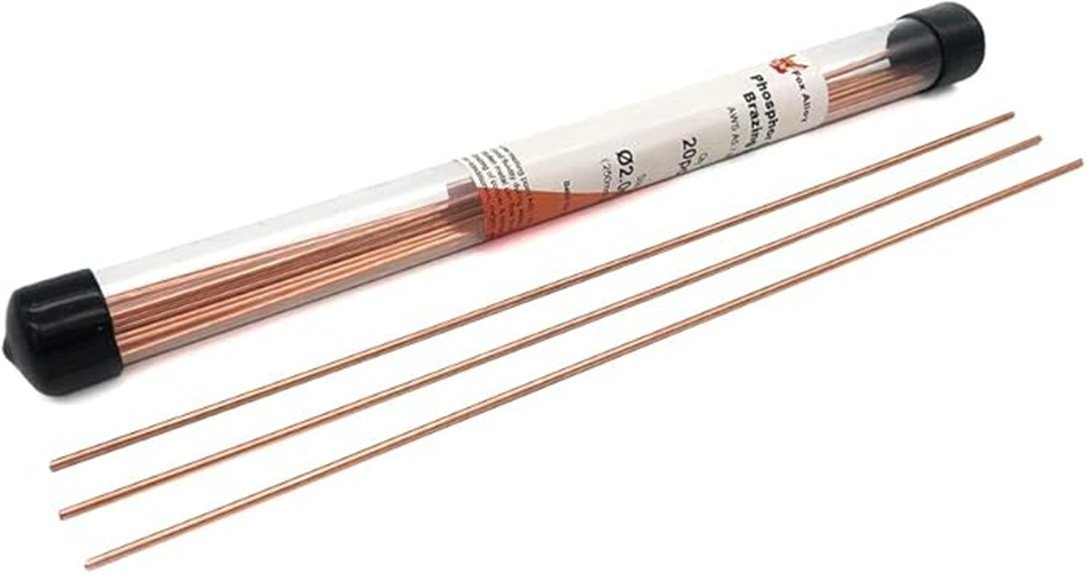
BCuP-2 brazing rods are made for copper-based brazing jobs, especially HVAC repair work. The source article describes these rods as self-fluxing phosphorus rods with good flow into small gaps. That can help when you work on air conditioners, refrigerators, gas pipes, and similar metal joints.
This review looks at the BCuP-2 brazing rods listed in the source article. It covers the main specs, best use cases, buyer feedback reported in the article, pros, cons, and key questions before you buy.
Verdict
BCuP-2 Brazing Rods Review Verdict
Best for: HVAC brazing, copper tubing work, refrigerator repair, air conditioner repair, and gas pipe applications where BCuP-2 filler rods are suitable.
Bottom line: These rods are a practical choice if you need self-fluxing brazing rods with good fluidity for copper, brass, and bronze work. Beginners may need practice with heat control, especially in tight spaces.
Key Specifications
| Specification | Detail |
|---|---|
| Product Type | BCuP-2 brazing rods |
| ASIN | B09QLV229D |
| Rod Diameter | 2 mm, also described as about 1/16 inch in the source article |
| Rod Type | Phosphorus round self-fluxing brazing rods |
| Standard Mentioned | AWS A5.8 |
| Melting Temperature Range | 640-770°C, based on the source article |
| Package Quantity | 20 rods |
| Package Weight | 4.6 ounces, based on the source article |
| Common Applications | Air conditioners, refrigerators, gas pipes, and HVAC-related brazing work |
| Compatible Materials Mentioned | Copper, brass, and bronze |
What Is This Product?
BCuP-2 brazing rods are filler rods used for brazing copper-based metals. The source article describes them as copper, phosphorus, and silver brazing rods with a self-fluxing design. This means they may reduce the need for extra flux in suitable copper-to-copper applications.
The rods are made for jobs where the filler metal needs to flow into small gaps. This makes them useful for HVAC work, refrigerator lines, air conditioner repairs, and gas pipe projects. Clean surfaces and steady heat are still important for a strong joint.
Who It Is For
These BCuP-2 brazing rods are a good fit for users who need small-diameter brazing rods for copper-based repair work. They make the most sense for HVAC technicians, appliance repair workers, and skilled DIY users who already understand basic brazing safety.
- Choose them if you work on HVAC tubing, air conditioners, or refrigerators.
- Choose them if you need rods that flow well into small gaps.
- Choose them if you want a self-fluxing rod for suitable copper-based brazing jobs.
- Choose them if you want a 20-rod pack for small repair tasks or workshop use.
Who Should Skip It
These rods are not the right choice for every welding or brazing job. Skip them if your project requires a different filler metal, a different rod size, or a process that does not match BCuP-2 applications.
- Skip them if you need rods for metals not supported by your brazing setup.
- Skip them if you are not comfortable controlling heat in tight spaces.
- Skip them if your project manual calls for a different brazing alloy or rod standard.
- Skip them if you need verified compatibility for a safety-critical job and cannot confirm it from the product page or manual.
Key Features
Self-Fluxing Design
The source article describes these rods as self-fluxing. This can simplify some brazing jobs because it may reduce the need for added flux on suitable copper-based joints. Still, the metal surface must be clean before heating.
Good Fluidity for Small Gaps
Fluidity is one of the main reasons buyers consider BCuP-2 rods. The article says these rods flow into small spaces and gaps during brazing. That matters when you work with tubing, fittings, and narrow repair areas.
Melting Temperature Range
The listed melting range is 640-770°C. This range helps the rod melt and flow during brazing when the base metal and joint area are heated correctly. Poor heat control can still cause weak flow or uneven bonding.
HVAC and Appliance Repair Use
The rods are described as suitable for air conditioners, refrigerators, and gas pipes. This makes them useful for repair tasks where copper-based brazing filler is needed. Always match the rod type to the metal and job requirements before use.
Real-World Use
In real use, these rods work best when the joint is clean, dry, and properly fitted. The rod needs enough heat to flow into the joint, but too much heat can make the work harder to control. This is why practice matters, especially for beginners.
For HVAC work, the small rod diameter can help with tighter areas. The self-fluxing design can also save steps in suitable copper applications. For tight spaces or mixed materials, check the current product details and your repair guide before starting.
What Buyers Are Saying
Based on customer feedback reported in the source article at review time:
- Praise: Several buyers mention good fluidity, especially when filling small gaps.
- Praise: Buyers report successful use in HVAC-related work, including air conditioner and refrigerator applications.
- Praise: Some users say the rods are easy to install when the joint is clean and heat is controlled well.
- Watch-out: Some users report challenges with heat control and flow in tight spaces.
Pros and Cons
Pros
- Self-fluxing design can reduce the need for extra flux in suitable copper-based jobs
- Good fluidity helps the filler flow into small gaps and joints
- Useful for HVAC, air conditioner, refrigerator, and gas pipe applications
- 20-rod pack gives enough rods for several small repair tasks
- Small 2 mm rod size can help with controlled work in narrow areas
Cons
- Heat control may be difficult for beginners
- Flow can be harder to manage in tight spaces
- Material compatibility should be checked before safety-critical repairs
Is It Worth the Price?
These BCuP-2 brazing rods may be worth buying if you need self-fluxing rods for HVAC or copper-based repair work. Their value comes from the small rod size, 20-rod pack, and reported fluidity in gaps.
They are less ideal if you need a beginner-proof product. Heat control still matters. If you are new to brazing, practice on scrap material first before working on a real repair.
Alternatives to Consider
If these BCuP-2 rods do not match your project, compare them with similar brazing filler options before buying. Good alternatives depend on the base metal, joint type, and heating method.
- Harris Stay-Silv brazing rods: A common option for HVAC and copper tubing work.
- Bernzomatic brazing rods: A popular choice for general repair and torch-based projects.
- Blue Demon brazing rods: Another filler rod brand often used for welding and brazing applications.
Frequently Asked Questions
What Materials Can I Use BCuP-2 Rods On?
The source article says BCuP-2 rods are compatible with copper, brass, and bronze materials. They are commonly used for air conditioners, refrigerators, and gas pipes. Always confirm material compatibility for your exact repair before brazing.
Are These Rods Suitable for Outdoor Welding Tasks?
They may be used outdoors if your work area is safe, dry, and protected from wind. Outdoor brazing can be harder because wind and surface contamination can affect heat control. Use proper safety gear and follow your torch or welding setup instructions.
How Should I Store BCuP-2 Brazing Rods?
Store the rods in a cool, dry place. Keep them away from moisture, dirt, and oil. Clean rods and clean base metal help improve the chance of a strong brazed joint.
Can Beginners Easily Use These Brazing Rods?
Beginners can use them, but they should practice first. The source article mentions that some users face heat-control challenges. Start on scrap metal before using the rods on an HVAC or gas-related repair.
What Safety Gear Is Recommended When Using BCuP-2 Rods?
Use safety goggles or a proper face shield, heat-resistant gloves, long sleeves, and good ventilation. Brazing uses high heat, so keep flammable items away from the work area. Follow the safety instructions for your torch, welder, and filler rods.
Do These Rods Need Extra Flux?
The source article describes the rods as self-fluxing. That can reduce the need for extra flux in suitable copper applications. For brass, bronze, or other specific jobs, check the product page, manual, or project requirements before use.
Final Verdict
BCuP-2 brazing rods are a solid option for users who need self-fluxing filler rods for HVAC and copper-based repair tasks. The source article highlights their fluidity, 640-770°C melting range, and usefulness in air conditioners, refrigerators, and gas pipe applications.
The main drawback is heat control. These rods can work well, but they still require clean surfaces, steady heating, and proper technique. If your project matches BCuP-2 rod use, they are worth considering for small repair jobs and workshop use.