Disclosure: As an Amazon Associate, we earn from qualifying purchases. If you click a link on this page and make a purchase, we may receive a small commission at no extra cost to you.
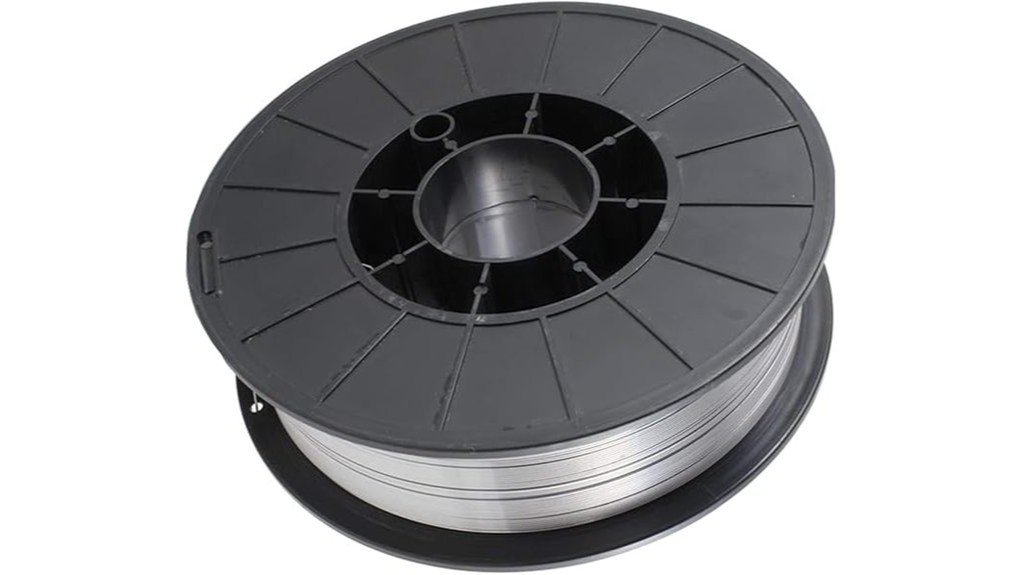
Aluminum MIG welding can become frustrating fast if your wire does not feed smoothly, match the base metal, or handle the environment where the finished part will live. The Aluminum 5356 MIG Welding Wire is an ER5356 aluminum-magnesium filler wire made for welders who need a .035-inch wire with good strength and corrosion resistance. This review helps you decide when this 5 lb spool makes sense, which aluminum alloys it suits best, and when another filler wire may be the safer choice. It is a strong pick for many marine, automotive, and fabrication jobs, but you still need the right welder setup, shielding gas, and filler selection for your exact alloy.
Quick Verdict
Rating: 8.2/10, Recommended with caveats
Best For: Welders working on compatible 5XXX aluminum alloys, marine parts, automotive repairs, and general aluminum fabrication.
Bottom Line: This ER5356 wire offers strong, corrosion-resistant welds on the right aluminum base metals. The main tradeoff is that aluminum MIG requires careful setup, clean material, and correct alloy matching.
| Specification | Detail |
|---|---|
| Product type | Aluminum MIG welding wire |
| Filler classification | ER5356 |
| Wire diameter | .035 inch, also listed as about 0.9 mm |
| Spool weight | 5 lb |
| Material | Aluminum-magnesium filler metal |
| Composition note | Commonly described as a 5% magnesium aluminum alloy filler |
| Welding process | MIG/GMAW aluminum welding |
| Common base metals | Often used with 5050, 5052, 5083, 5356, 5454, 5456, and similar 5XXX aluminum alloys |
| Best use | Marine parts, automotive aluminum repairs, trailers, frames, tanks, and general fabrication |
| Setup note | Aluminum MIG typically needs clean base metal, proper shielding gas, and a welder setup suited for soft aluminum wire |
| Safety note | Use proper PPE, ventilation, and a qualified welding procedure for structural or pressure-rated work |
What Is the Aluminum 5356 MIG Welding Wire?
The Aluminum 5356 MIG Welding Wire is a .035-inch ER5356 filler wire sold as a 5 lb spool for aluminum MIG welding. ER5356 is an aluminum-magnesium filler metal, often used where you need better strength and corrosion resistance than a softer general-purpose aluminum wire may provide.
This wire is mainly aimed at welders working with compatible aluminum base metals, especially 5XXX-series alloys such as 5052 and 5083. It can also be considered for some 6XXX-series aluminum jobs, but you should confirm the correct filler metal for your base alloy, service temperature, and finished-part requirements before welding.
The main appeal is practical: you get a wire size that many aluminum MIG setups can run, a 5 lb spool for more work between changes, and a filler type that fits many marine, automotive, trailer, tank, and fabrication tasks.
Who Should Buy It?
Best For
- You weld compatible 5XXX aluminum alloys such as 5052 or 5083.
- You need wire for marine, trailer, automotive, or general aluminum fabrication work.
- You want a .035-inch wire size in a 5 lb spool for repeated shop use.
Skip If
- You need a filler wire chosen by an engineer, code, or certified welding procedure.
- Your welder cannot feed aluminum wire reliably or does not support the correct setup.
- You are welding cast aluminum or a job where ER4043 is the better filler choice.
Before You Buy: Match the wire to your exact aluminum alloy before ordering. ER5356 is useful for many aluminum jobs, but filler selection can change with base metal, heat exposure, weld strength needs, anodizing, and code requirements.
Key Features of Aluminum 5356 MIG Welding Wire
The biggest feature is the ER5356 filler classification. This aluminum-magnesium wire is commonly chosen when you want stronger weld metal and better corrosion resistance on compatible aluminum alloys, especially in outdoor or marine-style environments.
The .035-inch diameter gives you a practical middle ground for many aluminum MIG jobs. It is not as tiny as thin-sheet wire, and it is not as large as heavy industrial wire, so it can work well for welders set up for medium aluminum fabrication.
The 5 lb spool size also matters. A smaller 1 lb spool may suit occasional repairs, but a 5 lb spool gives you more wire for repeated shop work, longer fabrication sessions, and projects where stopping to change spools would slow you down.
Compatibility and Base Metal Fit
ER5356 is commonly used with 5XXX-series aluminum base metals, including alloys such as 5050, 5052, 5083, 5356, 5454, and 5456. That makes it a practical choice for boat parts, aluminum trailers, truck panels, and fabricated components that need corrosion resistance.
For 6061 aluminum, the answer is more careful. ER5356 can be used in some 6061 applications, but ER4043 is also a common choice and may be preferred in some situations because of crack sensitivity, wetting behavior, or procedure requirements. Check a filler-metal selection chart, your project drawing, or a qualified welding professional when the weld is structural, load-bearing, or exposed to elevated temperatures.
Do not treat any filler wire as universal. The right choice depends on the base alloy, material thickness, service environment, weld position, heat input, and the strength requirements of the final part.
Materials and Build Quality
This wire uses an aluminum-magnesium filler composition, commonly described as 5% magnesium aluminum. That magnesium content helps support strength and corrosion resistance, which is why ER5356 appears often in marine, transportation, and structural aluminum work.
Aluminum wire is softer than steel MIG wire, so feeding quality depends heavily on your machine setup. A clean liner, correct drive-roll tension, suitable contact tip, and short gun lead can reduce feeding problems. Many welders prefer a spool gun or push-pull gun for aluminum because it shortens the wire path and helps prevent bird-nesting.
The wire can deliver clean welds when your base metal is clean and your machine settings are correct. If the aluminum surface has oxide, oil, paint, or moisture, even good wire can produce porosity and inconsistent weld beads.
Welding Performance
In use, ER5356 wire is valued for strong weld deposits and stable performance on compatible aluminum alloys. The .035-inch diameter gives you enough wire volume for many repair and fabrication jobs without moving immediately into a heavier industrial wire size.
Smooth feeding is one of the most important buying points for aluminum wire. ER5356 is generally stiffer than some other aluminum filler wires, which can help feeding compared with softer alternatives. Even so, your welder setup still matters more than the spool alone.
You should expect better results when you use clean base metal, correct shielding gas, proper wire speed, and enough travel speed to avoid overheating the joint. Aluminum transfers heat quickly, so practice on scrap from the same material before welding the final part.
Pro Tip: Clean aluminum immediately before welding. Use a dedicated stainless wire brush for aluminum only, remove oil or residue, and keep the wire spool dry so moisture does not lead to porosity.
How It Performs in Real Use
For Marine Repairs
ER5356 is a strong fit for many marine-style aluminum jobs because corrosion resistance matters around water and salt exposure. It can work well for compatible boat parts, dock hardware, and aluminum components where the base alloy supports this filler choice.
For Automotive and Trailer Work
This wire can be useful for aluminum frames, panels, trailers, brackets, and repair work where ER5356 matches the base metal. For vehicle safety parts, do not guess. Follow the manufacturer repair procedure or ask a qualified welder because modern aluminum vehicle structures may have strict joining requirements.
For Fabrication Projects
For shop fabrication, the 5 lb spool gives you enough wire for repeated welding without constant spool changes. It makes sense for welders who already have an aluminum-capable MIG setup and need a practical ER5356 wire size for frames, tanks, supports, and general aluminum parts.
For Practice and Skill Building
Aluminum MIG has a learning curve. This wire can help you practice bead control, travel speed, cleaning habits, and machine setup on compatible scrap aluminum before moving to a finished part.
Setup Tips Before First Use
Start by confirming that your welder can run .035-inch aluminum wire. Check your machine manual for drive-roll type, contact tip size, polarity, shielding gas, and spool-gun or push-pull compatibility.
Aluminum MIG commonly uses 100% argon shielding gas, but you should follow the wire label and welder manual for your specific setup. Make sure the gas flow is steady and the work area is protected from drafts because shielding loss can cause porosity.
Set drive-roll tension carefully. Too little tension can cause slipping, while too much tension can deform the soft aluminum wire and create feed problems. If the wire shaves, nests, or stutters, stop and fix the feed path before welding the actual project.
Common Mistakes to Avoid
- Skipping alloy verification: ER5356 is not the right filler for every aluminum job.
- Welding dirty aluminum: Oxide, oil, and moisture can cause porosity and weak-looking welds.
- Using a poor feed setup: Long liners and wrong drive rolls can make aluminum wire bird-nest.
- Overheating thin material: Aluminum moves heat quickly, so you may burn through if you travel too slowly.
- Ignoring safety procedures: Structural, pressure-rated, and vehicle repairs may need certified procedures.
Compatibility and Safety Notes
Use this wire only with a welding process and base material that suit ER5356. If your project involves pressure vessels, load-bearing frames, critical repairs, or marine structural work, use a qualified welding procedure rather than a general online recommendation.
Wear proper eye, hand, skin, and respiratory protection for the welding process. Welding fumes, ultraviolet light, hot metal, and shielding gas displacement can create serious hazards, especially in enclosed areas. Work with ventilation and follow the safety information from your welder, wire supplier, and gas supplier.
This product should not be treated as a standard solution for underwater welding. Underwater work requires specialized equipment, procedures, training, and certification. A normal aluminum MIG wire spool is not a replacement for professional underwater welding systems.
Pros and Cons
Pros
- .035-inch diameter suits many aluminum MIG repair and fabrication setups.
- 5 lb spool is practical for repeated shop use and longer projects.
- ER5356 aluminum-magnesium filler supports strong welds on compatible alloys.
- Good fit for many marine, automotive, trailer, and fabrication applications.
- Can feed well when paired with the right aluminum MIG setup.
Cons
- Not the correct filler wire for every aluminum alloy or service condition.
- Requires clean material, correct shielding gas, and proper machine setup.
- May need a spool gun or push-pull system for the most reliable feeding.
Is It Worth the Price?
This wire is worth considering if you already weld aluminum and need a 5 lb spool of .035-inch ER5356 filler for regular use. The larger spool size gives better convenience than a small practice spool when you have multiple repairs, shop projects, or fabrication jobs planned.
The value is strongest for welders who work on compatible 5XXX-series aluminum and need corrosion resistance for marine, trailer, automotive, or outdoor parts. It is not the best fit if you only need a few short beads, if your welder cannot feed aluminum wire correctly, or if your project calls for a different filler such as ER4043 or ER5183.
How It Compares to Alternatives
Compared with ER4043, ER5356 is often chosen when strength and corrosion resistance matter more, especially on many 5XXX aluminum jobs. ER4043 may be easier to weld in some situations and is commonly compared for 6061 or cast aluminum work, so it deserves consideration if your base metal or procedure points that way.
Compared with ER5183, ER5356 is more of a common general-purpose aluminum-magnesium filler. ER5183 may be preferred for certain higher-strength 5083 applications, especially in demanding marine work. The Aluminum 5356 MIG Welding Wire makes the most sense when your project matches ER5356 and you want a practical .035-inch, 5 lb spool.
Frequently Asked Questions
What size is this Aluminum 5356 MIG Welding Wire?
The article-supported size is .035 inch, also commonly listed as about 0.9 mm. The spool weight is listed as 5 lb, which suits repeated aluminum MIG work better than a small practice spool.
What aluminum alloys can ER5356 wire weld?
ER5356 is commonly used with 5XXX-series aluminum alloys such as 5050, 5052, 5083, 5356, 5454, and 5456. Always confirm the filler choice for your exact alloy, thickness, and service conditions.
Can ER5356 wire be used with 6061 aluminum?
ER5356 can be used with some 6061 aluminum applications, but it is not always the best choice. ER4043 is also common for 6061, so check your filler selection chart or project requirements before welding.
Is this wire good for marine welding?
It can be a good fit for many compatible marine aluminum parts because ER5356 is known for corrosion resistance. For structural boat work, follow the design specification or consult a qualified marine welder.
Can ER5356 wire be used for underwater welding?
No, do not treat this standard MIG wire spool as an underwater welding solution. Underwater welding requires specialized equipment, procedures, training, and certification.
What shielding gas should you use with aluminum MIG wire?
Aluminum MIG commonly uses 100% argon shielding gas. Confirm the correct gas, polarity, and settings in your welder manual and wire instructions before welding.
How should you store Aluminum 5356 MIG Welding Wire?
Store it in a clean, dry area away from moisture, dust, and shop contamination. Keeping the spool covered and dry helps reduce feeding issues and weld porosity.
Who should skip this ER5356 wire?
Skip it if your project requires a different filler metal, if you are welding a critical part without a qualified procedure, or if your machine is not set up for aluminum MIG. It is also not ideal if you only need a tiny amount of wire for one small repair.
The Bottom Line
The Aluminum 5356 MIG Welding Wire is a strong choice if you need .035-inch ER5356 wire for compatible aluminum repairs, marine work, automotive projects, trailers, tanks, or shop fabrication. It is best for welders who understand aluminum setup and alloy matching, while beginners or critical-repair users should confirm filler selection before buying.
Its main strength is the useful balance of corrosion resistance, strength, and a practical 5 lb spool size. Its main limitation is that it will only perform well when your base metal, machine setup, cleaning process, and safety procedure are right.