Disclosure: As an Amazon Associate, we earn from qualifying purchases. If you click a link on this page and make a purchase, we may receive a small commission at no extra cost to you.
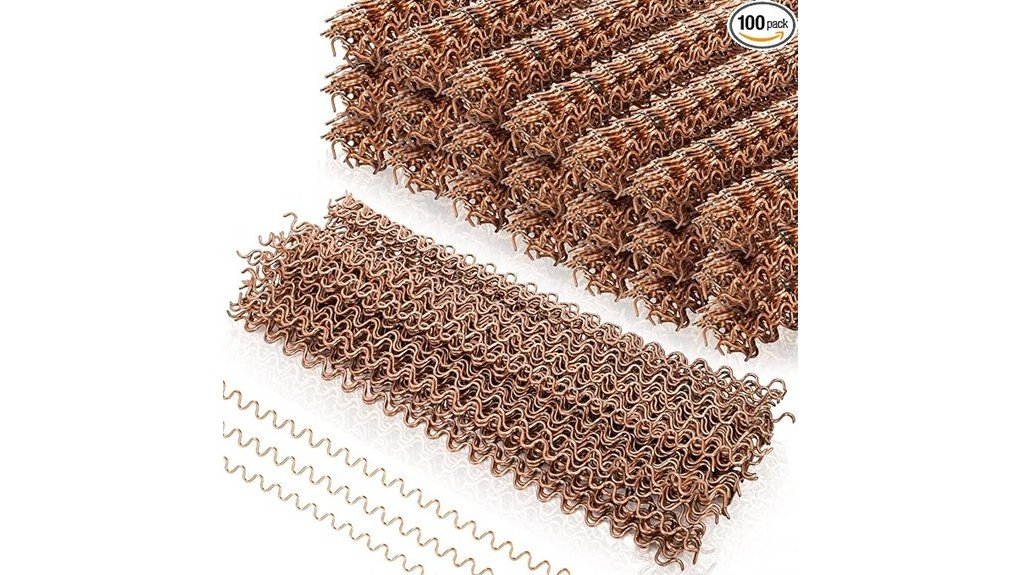
Dent pulling wire looks simple, but the wrong size, material, or repair method can make bodywork harder than it needs to be. The YIMITEE 100 Pack Dent Repair Pull Wire gives you 100 copper-coated iron wires, each measuring 320 mm long and 2 mm in diameter, for repeated automotive panel-repair work. Its biggest advantage is the combination of a high piece count and a wavy shape designed for pulling force across damaged metal. The main limitation is that this is a consumable for a larger dent-repair workflow, so you still need the correct pulling or spot-welding equipment and must match the wire to the method you use.
Quick Verdict
Rating: 8.0/10, Recommended with caveats
Best For: Body shops, home garages, and DIY users who already have a compatible dent-pulling or spot-welding setup.
Bottom Line: The 100-count pack, 320 mm length, 2 mm diameter, and copper-coated iron construction make this a practical stock item for repeated panel repairs. It is not a complete dent repair kit, and the exact attachment method should follow the instructions for your dent puller, spotter, or welding system.
Key Specifications
| Specification | Detail |
|---|---|
| Brand | YIMITEE |
| Product type | Dent repair pull wire / wavy repair welding wire |
| Pack quantity | 100 wires |
| Wire length | 320 mm (about 12.6 inches) |
| Wire diameter | 2 mm |
| Material | Iron wire with a copper coating |
| Design | Wavy / wiggle-wire profile |
| Primary use | Automotive body dent pulling and sheet-metal repair workflows |
| Best setting | Professional workshops and equipped home garages |
| Package note | Pull wire only, other dent-repair tools are still required |
What Is the YIMITEE 100 Pack Dent Repair Pull Wire?
This product is a bulk pack of wavy pull wires used as consumables during automotive sheet-metal dent repair. Each piece is 320 mm long and 2 mm thick, giving you enough length to work across a crease or damaged panel while maintaining a relatively stiff pulling surface.
The wire uses an iron core with a copper coating. The original product description emphasizes thermal conductivity and tensile strength, while the wavy profile gives pulling tools multiple contact points along the repair area. With 100 pieces in the pack, it makes more sense for repeat jobs than a small starter pack.
It is best viewed as one component of a dent-pulling system. You still need the appropriate equipment for attaching the wire to the panel and applying controlled pulling force. The exact process can vary by dent puller or spotter setup, so your machine instructions should take priority over generic repair steps.
Who Should Buy It?
Best For
- Body shops that use wavy wire regularly for steel-panel dent pulling.
- DIY users who already own compatible dent-pulling or spot-welding equipment.
- Garages that want a 100-piece supply instead of buying small replacement packs.
Skip If
- You need a complete dent puller kit with a welder, electrode, slide hammer, or pulling bar.
- You want a simple suction-cup or glue-tab paintless dent repair tool.
- You cannot confirm that 2 mm wavy wire suits your existing repair equipment.
Before You Buy: Do not assume these wires work as a standalone paintless dent repair solution. The product is sold as wavy repair welding/pulling wire, and your attachment method, surface preparation, pulling tool, and safety procedure should match the equipment you already use.
Materials and Build Quality
The main construction detail is an iron wire core with a copper coating. At 2 mm in diameter, each piece is designed to resist easy bending while still following the wavy profile needed for dent pulling. For repeated shop work, that balance matters because overly thin wire can deform too quickly under pull force.
The copper coating is also intended to support heat transfer during the attachment stage. That can be useful in systems that rely on heat or spot-welding contact, but it does not make the wire universal. You should still use the electrode, welder settings, and panel-preparation method recommended by your specific equipment manufacturer.
Because this is sold as a repair consumable, you should expect individual wires to be used, deformed, cut, or discarded as jobs progress. The value comes from having 100 pieces available rather than expecting a small number of wires to last indefinitely.
Fit and Compatibility
The 320 mm length gives you room to work across larger creases while still being manageable around doors, fenders, wheel-arch areas, and other body-panel sections. The 2 mm diameter is a common size for wavy dent-pulling wire, but compatibility depends on the electrode or holder that grips or welds the wire.
Before ordering, check the wire size your dent puller, spotter, or wavy-wire electrode is designed to use. The article and product description do not establish compatibility with every machine, so matching the dimensions is more reliable than assuming a universal fit.
Ease of Use and Application
The original listing describes a simple heat, glue, attach, and pull workflow. It also describes the product as spot-soldering or wavy repair welding wire. Because those descriptions can refer to different repair systems, you should not treat one generic four-step sequence as a substitute for the instructions that came with your equipment.
In a properly matched setup, the wavy shape helps distribute pulling points across a crease rather than focusing force on one tiny location. That can make the wire useful for longer dents and panel creases where controlled, progressive pulling is more practical than a single pulling stud.
The 100-piece count also improves workflow. You can keep fresh wire close to the repair station and replace a bent, overheated, or used section without trying to reuse a piece that no longer sits correctly against the panel.
Pro Tip: Before starting a repair, confirm the 2 mm wire fits your holder or electrode and cut or position only the amount needed for the damaged area. Controlled pulls are easier when the wire is secured evenly instead of being attached at random points.
How It Performs in Real Use
Long Panel Creases
The 320 mm length is most useful when damage extends across a longer section of sheet metal. A wavy wire can create several pulling locations along the crease, helping you work the panel gradually instead of yanking from a single point.
Door Dings and Localized Dents
For smaller dents, you may not need the full wire length. The 2 mm thickness still provides a sturdy pulling surface, but the repair method and access around the panel will determine whether wavy wire is the best choice compared with a stud, tab, or another dent-pulling attachment.
Hail and Repeated Body-Shop Work
A 100-piece pack is convenient when you handle many repair jobs and want consumables available without frequent reordering. It is especially practical in a shop where wire sections can be used up quickly during multi-panel repairs.
Home Garage Repairs
DIY users get the same quantity advantage, but the pack only makes sense if you already have the supporting equipment and understand the repair process. If you are starting from zero, a complete dent-repair system may be a better first purchase than a bulk box of consumable wire.
How to Use It Correctly
Start by checking the instructions for your dent puller or spot-welding system. Confirm that 2 mm wavy wire is an approved size, then prepare the panel and attachment area according to the tool manufacturer’s procedure. Avoid guessing at heat, current, adhesive, or pulling-force settings.
Once the wire is attached with the correct method, apply pulling force gradually and watch how the metal responds. Large or sharp creases may need several controlled adjustments rather than one hard pull. Stop if the panel begins to stretch, tear, overheat, or move in an unexpected way.
After the repair, remove used wire according to your equipment procedure and inspect the panel before finishing or refinishing. Since these wires are consumables, replace pieces that are bent, weakened, heavily heated, or no longer fit the holder properly.
Compatibility and Safety
Automotive panel repair can involve hot metal, electrical current, sharp wire, pulling force, and damaged paint or coatings. Wear appropriate eye, hand, and body protection for the equipment you use, keep the work area clear, and follow the safety instructions for your spotter, welder, dent puller, or adhesive system.
Do not rely on an unverified fixed temperature such as 350°F (175°C) just because it appears in a generic repair description. The correct setting depends on the actual attachment method and equipment. If you are unsure about panel material, repair settings, or structural damage, a professional body technician is the safer choice.
Pros and Cons
Pros
- 100-piece quantity is practical for repeat repairs and workshop inventory.
- Each wire is 320 mm long, giving useful coverage across longer creases.
- 2 mm diameter provides a sturdy profile for controlled pulling.
- Iron construction with copper coating is designed for heat transfer and pulling strength.
- Wavy shape creates multiple contact points across a damaged panel.
Cons
- It is only a consumable, not a complete dent-repair system.
- Exact compatibility with every dent puller or spotter is not established.
- The seller’s generic attachment description may not match your equipment, so you need to follow your tool manual.
Is It Worth the Price?
Without relying on a fixed sale price, the strongest value argument is quantity. A 100-piece pack is easier to justify when you perform regular dent repairs and expect the wire to be treated as a consumable. It reduces the need to buy small packs every time you use several sections on one vehicle.
For an occasional DIY repair, the value depends more on what you already own. If you have compatible pulling equipment, a bulk pack can be a smart way to keep supplies ready. If you still need a welder, electrode, puller, and finishing tools, buying wire alone may not move your project forward.
How It Compares to Alternatives
GYS 049727 wavy wire is a useful comparison if you prefer a known dent-repair accessory line and do not need a 100-piece YIMITEE-style pack. Grade A Tools also sells 2.0 mm × 320 mm wiggle wire in 50- or 100-piece quantities, which makes it a closer size-for-size alternative. TywelMaster offers 320 mm × 2 mm wave wire in smaller quantities, which may suit occasional users who do not need 100 pieces.
The YIMITEE 100 Pack Dent Repair Pull Wire makes the most sense when quantity and the 320 mm × 2 mm format are your priorities. If machine-specific compatibility matters more, compare the wire size and electrode requirements from your dent-puller manufacturer before choosing a pack.
Frequently Asked Questions
How many wires are included in the pack?
The pack contains 100 dent repair pull wires. Each wire measures 320 mm long and 2 mm in diameter, so the package is aimed at repeat use rather than a single small repair.
Are these wires reusable?
They are best treated as repair consumables. A wire that has been bent, overheated, cut, or weakened during a pull should be replaced rather than reused simply to save one piece.
Will 2 mm wire fit every dent puller?
No universal compatibility is established. Check the size accepted by your wavy-wire electrode, holder, spotter, or dent-pulling system before ordering.
What temperature should you use?
There is no verified universal temperature for this wire. Use the settings specified by the dent puller, spotter, welder, or adhesive system you are actually using rather than relying on a generic fixed number.
Can you use any glue with these wires?
The available product information does not verify compatibility with every adhesive. Because the wire is also marketed for spot-soldering or welding applications, follow the attachment method approved for your repair system.
Is this a complete paintless dent repair kit?
No. The package is a supply of pull wires only, and you still need suitable attachment and pulling equipment. Depending on your repair method, surface preparation and refinishing may also be required.
Who should skip this 100-piece pack?
Skip it if you do not yet own compatible dent-pulling equipment or only need a simple one-time suction or glue-tab repair. A complete repair kit or smaller consumable pack may be easier to justify for occasional use.
The Bottom Line
The YIMITEE 100 Pack Dent Repair Pull Wire is a sensible choice for equipped shops and DIY garages that want 320 mm × 2 mm wavy wire in bulk. Its 100-piece count and copper-coated iron construction are the main strengths, while the biggest limitation is that it is a consumable that depends on compatible repair equipment and the correct attachment method. Choose it when you already have the rest of the dent-pulling setup, and skip it if you need a complete starter system.