Disclosure: As an Amazon Associate I earn from qualifying purchases. Buying through these links costs you nothing extra.
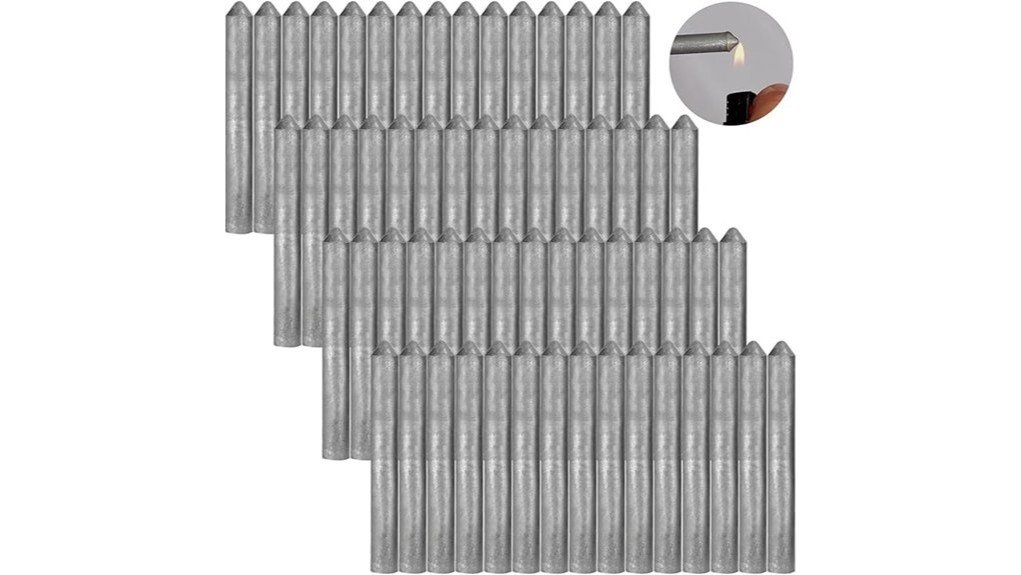
CoscosX Welding Rods are a 60-piece pack of low-temperature repair rods that the listing says can be melted with a lighter. They are a cheap way to try small, non-structural repairs on aluminum and similar metals, but they are filler rods for low-temperature joining, not arc welding, and several claims on the listing need caution.
What Are CoscosX Welding Rods?
CoscosX Welding Rods are sold on Amazon as 60 Pcs Low Temperature Universal Welding Rods. Per the listing they are made from tin and aluminum powders and are meant for joining or repairing aluminum, cast aluminum, copper, iron and stainless steel.
Rods of this type behave like a brazing or soldering filler. The filler melts onto heated base metal and bonds to it, while the base metal itself does not fuse the way it does in arc welding. That is why the joint is usually weaker than a real weld.
CoscosX Welding Rods at a Glance
| Item | Detail (per the listing) |
|---|---|
| Product name | CoscosX 60 Pcs Low Temperature Universal Welding Rods |
| Pack size | 60 rods |
| Composition | Tin and aluminum powders |
| Rod size | Conflicting figures in the product copy: about 1.6 mm in one place, about 6 mm and 3 inches long in another. Confirm before ordering. |
| Heat source | Described as meltable with a lighter |
| Listed base metals | Aluminum, cast aluminum, copper, iron, stainless steel |
| Not stated | Melting range, joint strength, flux content, warranty terms |
What to Treat With Caution
- Strength. Do not use low-temperature rods on load-bearing, pressure, fuel, brake or other safety-critical parts. Use proper welding or brazing for those.
- Non-metal claims. The listing mentions wood, bamboo, ceramics and PVC. A metal filler rod does not weld those materials, so treat that as marketing wording.
- Lighter claim. A lighter flame is small. Thin or small parts may heat enough, but thicker aluminum pulls heat away fast and usually needs a larger torch.
- Missing data. The listing gives no melting range or alloy sheet, so you cannot match it to a base metal with confidence. Ask the seller or test on scrap first.
- Brittleness. Cast-style filler rods can snap, so store and carry them carefully.
How to Use Low-Temperature Rods
- Clean and degrease the joint, then scrub off oxide with a clean stainless brush. Aluminum oxide stops the filler from bonding.
- Fit the parts together and support them so they cannot move while the filler cools.
- Heat the base metal, not just the rod. The rod should melt when it touches the hot joint and flow into it.
- Let the joint cool without moving it, then clean off residue and test it on a low-stress load.
- Work in a ventilated area and wear eye protection and gloves. Flux and heated metal give off irritating fumes.
Pros and Limitations
Pros
- 60 rods in one pack covers many small repair attempts.
- Low working temperature compared with arc welding or silver brazing.
- No welder is needed, only a heat source and basic prep.
Limitations
- Joint strength is not documented and is likely well below a true weld.
- Rod size is stated inconsistently.
- Results depend heavily on cleaning and on enough heat in the base metal.
- Not suited to structural, pressure or high-heat service.
Who Should Buy It, and Who Should Skip It
Buy it if you want to practice or make light cosmetic or hobby repairs on small aluminum or copper parts and accept the limits. Skip it if the part carries load, sits near high heat, or has to be certified. In that case, use proper TIG or MIG aluminum welding or a recognised brazing alloy instead.
Related reading: 60 pcs low temp aluminum brazing rods | 3-inch low temperature universal welding rods | low temperature universal welding rod review
Frequently Asked Questions
Are CoscosX welding rods real welding rods?
They are sold as welding rods, but they work like a low-temperature brazing or soldering filler. The filler bonds to heated base metal instead of fusing it, so the joint is generally not as strong as a true weld.
Can a lighter melt them?
The listing says so. In practice it depends on the size and thickness of the part. Small parts may heat enough, while thicker aluminum conducts heat away and usually needs a propane or similar torch.
What size are the rods?
The product copy gives conflicting figures, about 1.6 mm in one place and about 6 mm and 3 inches long in another. Check the current listing and measure a rod when it arrives.
Do they work on wood, ceramic or PVC?
Do not expect them to. A metal filler rod does not weld wood, ceramic or plastic, so treat those claims on the listing with caution.
Is there a warranty?
A warranty is not confirmed in the product details used for this review. Check the current Amazon listing and seller terms before you buy.
Bottom Line
CoscosX Welding Rods are a low-cost pack of low-temperature repair rods for light, non-structural jobs. Check the rod size and test on scrap before you rely on them, and use real welding or brazing for anything that has to be strong.
{
“@context”: “https://schema.org”,
“@type”: “FAQPage”,
“mainEntity”: [
{
“@type”: “Question”,
“name”: “Are CoscosX welding rods real welding rods?”,
“acceptedAnswer”: {
“@type”: “Answer”,
“text”: “They are sold as welding rods, but they work like a low-temperature brazing or soldering filler. The filler bonds to heated base metal instead of fusing it, so the joint is generally not as strong as a true weld.”
}
},
{
“@type”: “Question”,
“name”: “Can a lighter melt them?”,
“acceptedAnswer”: {
“@type”: “Answer”,
“text”: “The listing says so. In practice it depends on the size and thickness of the part. Small parts may heat enough, while thicker aluminum conducts heat away and usually needs a propane or similar torch.”
}
},
{
“@type”: “Question”,
“name”: “What size are the rods?”,
“acceptedAnswer”: {
“@type”: “Answer”,
“text”: “The product copy gives conflicting figures, about 1.6 mm in one place and about 6 mm and 3 inches long in another. Check the current listing and measure a rod when it arrives.”
}
},
{
“@type”: “Question”,
“name”: “Do they work on wood, ceramic or PVC?”,
“acceptedAnswer”: {
“@type”: “Answer”,
“text”: “Do not expect them to. A metal filler rod does not weld wood, ceramic or plastic, so treat those claims on the listing with caution.”
}
},
{
“@type”: “Question”,
“name”: “Is there a warranty?”,
“acceptedAnswer”: {
“@type”: “Answer”,
“text”: “A warranty is not confirmed in the product details used for this review. Check the current Amazon listing and seller terms before you buy.”
}
}
]
}