
Disclosure: As an Amazon Associate, we earn from qualifying purchases. If you click a link on this page and make a purchase, we may receive a small commission at no extra cost to you.
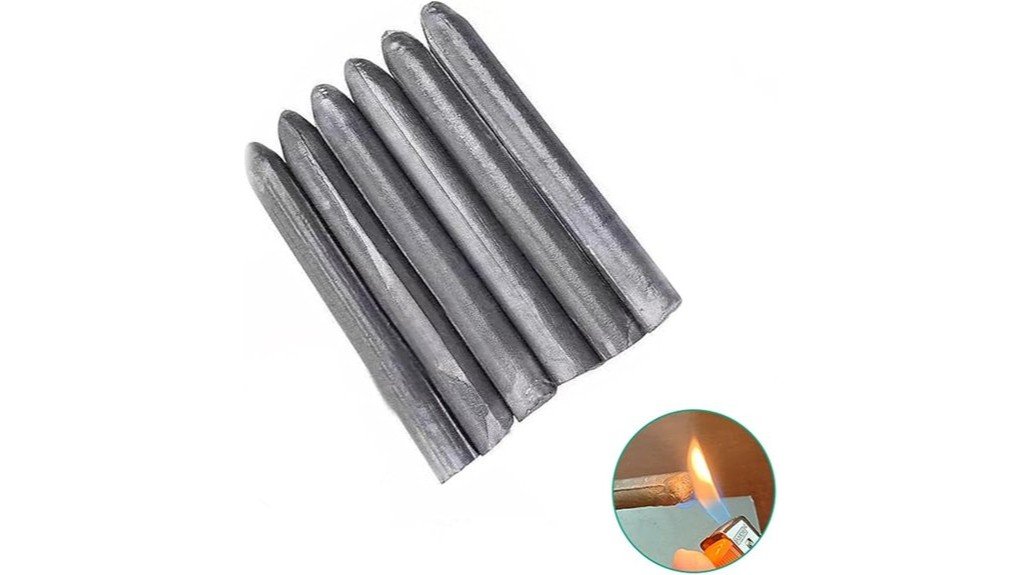
Small metal repairs can be frustrating when you do not own a full welding setup, but inexpensive low-temperature rods also come with important limitations. The Low Temperature Universal Welding Rods are compact, approximately 3-inch filler rods sold for lower-heat repair work on several metals, with flux incorporated into the product. They can be convenient for small DIY jobs and practice, but you should not assume that a low-temperature repair has the same strength or suitability as a properly specified weld or brazed joint. This review explains what the rods offer, where their claims need caution, and what you should check before buying.
Quick Verdict
Rating: Recommended with caveats
Best For: DIY users experimenting with small, non-critical metal repairs where the rod’s listed compatibility matches the workpiece.
Bottom Line: The compact rods, integrated flux, and simple preparation process make them approachable for light repair work. The main tradeoff is limited technical documentation, so you should not rely on them for structural, safety-critical, pressure-containing, or high-load joints.
| Specification | Detail |
|---|---|
| Product type | Low-temperature welding/brazing-style repair rods |
| Rod length | Approximately 3 inches / 75 mm each |
| Listed composition | Tin and aluminum powder |
| Flux | Integrated flux, so separate solder powder is not listed as necessary |
| Seller-listed materials | Aluminum, iron, copper, and stainless steel |
| Preparation | Clean and smooth the repair area before application |
| Packaging | Foam-protected packaging is described to reduce rod breakage |
| Package quantity | Multiple quantities appear in current marketplace indexing, so confirm the selected pack before checkout |
| Best use | Small, non-critical DIY repairs and practice projects |
What Are the Low Temperature Universal Welding Rods?
These are short filler rods intended to melt at a lower temperature than many conventional welding consumables. The listing describes each rod as approximately 3 inches long and made with tin and aluminum powder. Flux is incorporated into the rod, which removes the separate flux-powder step described in many other soldering or brazing processes.
The product is marketed for use with aluminum, stainless steel, iron, and copper. That broad compatibility is attractive when you keep a small repair kit at home, but it should be viewed as a seller compatibility claim rather than proof that one filler material produces equally strong joints on every listed base metal.
Before You Buy: Check the package quantity shown on the Amazon selection before ordering. Current marketplace indexing for this product family shows more than one pack count. Also, no verified structural load rating, tensile-strength specification, exact melting temperature, or certification was found for this exact listing.
Key Takeaways
- Each rod is approximately 3 inches or 75 mm long, making the pieces compact enough for a small toolbox or repair kit.
- The listed formulation uses tin and aluminum powder and incorporates flux into the rod.
- Seller-listed compatible metals include aluminum, iron, copper, and stainless steel.
- Surface cleaning and smoothing are part of the listed preparation process and can affect how well the molten filler wets the work area.
- Foam packaging is intended to reduce breakage because short filler rods can be brittle during shipping and storage.
- The product lacks the detailed engineering specifications you would want before trusting a joint in a structural or safety-critical application.
Who Should Buy It?
Best For
- DIY users experimenting with small metal-repair jobs.
- Hobbyists who want compact filler rods that already contain flux.
- Buyers who need a small repair-kit option and can test the joint before relying on it.
Skip If
- You need a certified or load-rated joint.
- You are repairing a pressure vessel, safety component, vehicle structure, or other critical part.
- You need a filler alloy with published strength, working temperature, or certification data.
Features and Specifications
Compact 3-Inch Rod Design
At approximately 3 inches long, these rods are much shorter than many traditional brazing or welding filler rods. The short format can make them easy to store and convenient when you only need a small amount of filler for a minor repair.
The tradeoff is that a short rod gives you less material per piece. For repeated jobs or a larger repair, you may consume several rods quickly. Confirm the current pack quantity before purchase because different quantities appear in marketplace listings connected with this product family.
Integrated Flux
The rods are described as containing flux, which means you are not instructed to add separate solder powder before use. That reduces the number of materials you need to keep beside the work area.
Integrated flux does not remove the need for good surface preparation. Dirt, grease, oxidation, coatings, and loose corrosion can still interfere with wetting and bonding.
Broad Material Claims
The seller lists aluminum, iron, copper, and stainless steel among the materials these rods can be used with. That can be useful for experimentation around a home workshop, but you should test the rod on scrap or a hidden area first when the base material or coating is uncertain.
Do not assume that the same technique, heat level, or resulting strength will be identical across all metals. Base-metal composition, oxide layers, joint design, heat input, cleanliness, and filler compatibility all affect the final result.
Ease of Use and Application
The listed procedure is simple compared with a full arc-welding setup. You begin by cleaning and smoothing the area to be repaired. The seller then describes melting the rod onto the joint, holding or stabilizing the repaired area for about five minutes, and leaving it undisturbed for roughly 30 minutes afterward.
Treat those times as seller usage guidance rather than guaranteed cure or strength specifications. The actual result depends on the material, thickness, joint shape, heat source, and how effectively the filler bonds to the prepared surface.
Pro Tip: Practice on scrap made from the same type of metal before repairing the final part. That lets you see how readily the rod flows and adheres without risking the item you actually need to fix.
Packaging and Durability
The product description specifically mentions foam packaging intended to reduce rod breakage during transportation. That is useful because short low-temperature filler rods may be more fragile than a solid steel welding electrode.
Keep unused rods dry, clean, and protected from impact after opening the package. If a rod arrives cracked, inspect the product instructions before deciding whether the shorter pieces remain practical for your application.
There is not enough verified technical information to claim a specific service life for a completed repair. Joint durability will depend much more on base materials, preparation, heat control, joint geometry, load, vibration, temperature changes, and exposure than on the simple number of rods used.
How It Performs in Real Use
Small Household Metal Repairs
For a small non-critical crack, loose metal tab, craft item, or similar workshop project, the compact rods can be convenient because you do not need to handle a long filler rod. The integrated flux also keeps the setup relatively simple.
Test the repaired item before normal use. A joint that looks filled is not automatically suitable for heavy loads.
Aluminum Practice Projects
Aluminum is one of the main materials associated with this type of low-temperature repair rod. Beginners may find the lower-temperature concept easier to approach than traditional aluminum welding, but surface oxide and heat control can still make aluminum joining challenging.
Use scrap aluminum first and learn how the filler behaves on the specific alloy and thickness you plan to repair.
Copper, Iron, and Stainless Steel
These materials are included in the seller’s compatibility claims. For light DIY work, that gives you room to test the rods on several common metals without purchasing a separate small package for every experiment.
For important joints, use a filler and process specifically documented for the exact base metal instead of relying only on the word “universal.”
Toolbox and Emergency Storage
The 3-inch format takes little space and the foam packaging can help keep the pieces organized. This makes the rods easy to keep with other small repair supplies.
They are better treated as a convenience item for appropriate minor repairs than as a substitute for correctly specified welding or brazing consumables.
How to Use Them More Carefully
- Identify the base material. Do not guess when the repair is important.
- Clean the surface. Remove dirt, oil, loose corrosion, paint, and other contamination from the immediate repair area.
- Smooth the joint area where appropriate. The seller specifically recommends cleaning and smoothing before application.
- Test on scrap first. Confirm that the filler wets and adheres to the same material before working on the finished item.
- Use controlled heat. Follow the product packaging and your heat-source instructions rather than applying uncontrolled flame.
- Keep the joint stable. Avoid moving the repair while the filler is cooling and setting.
- Inspect before use. Look for poor wetting, gaps, cracks, or movement before putting any load on the repaired item.
Compatibility and Safety
Heat-based metal repair requires eye protection, suitable gloves, appropriate clothing, fire prevention, and adequate ventilation. Keep flammable materials away from the work area and follow the safety instructions for the torch, lighter, or other heat source you use.
Because the exact chemical composition and safety documentation for this ASIN are limited, avoid breathing fumes and wash your hands after handling the rods. Do not use the product for food-contact repairs, potable-water components, children’s products, medical equipment, or other sensitive applications unless the manufacturer specifically documents that use.
The original seller material also mentions PVC pipes in some listings. You should not assume that a metal filler rod is an appropriate repair for pressurized PVC plumbing. Use a repair system specifically approved for the pipe material and service conditions.
For automotive structures, load-bearing brackets, pressure systems, fuel systems, electrical safety components, or anything whose failure could cause injury or major property damage, use a properly specified repair process or consult a qualified professional.
Pros and Cons
Pros
- Compact approximately 3-inch rods are easy to store.
- Integrated flux reduces the need for separate solder powder.
- Seller lists compatibility with several common metals.
- Simple surface-preparation instructions are approachable for DIY users.
- Foam packaging is intended to reduce shipping breakage.
Cons
- No verified structural strength or load rating was found for this exact listing.
- Current marketplace indexing shows conflicting package quantities.
- Broad “universal” compatibility claims do not guarantee the same performance on every metal.
Is It Worth the Price?
These rods make the most sense as a small DIY consumable when convenience matters more than detailed engineering documentation. The compact format, integrated flux, and broad seller-listed material range give you a simple way to experiment with minor repair work without buying several different small packs immediately.
The value becomes less convincing if you need documented strength, a known filler-alloy specification, a certified process, or predictable performance on a particular engineering material. In that situation, spending more on a clearly specified brazing or welding consumable is the better choice.
Also check the selected pack quantity before comparing value. A listing can look inexpensive until you discover that the quantity or variation differs from the version you expected.
How It Compares to Alternatives
A dedicated product such as Bernzomatic AL3 Aluminum Brazing and Welding Rods is narrower in purpose but comes with clearer manufacturer specifications for aluminum repair. That type of product makes more sense when you specifically know you are joining aluminum and want published working information from an established manufacturer.
The Low Temperature Universal Welding Rods make more sense when your priority is a compact, inexpensive, multi-material DIY kit and you accept the uncertainty around strength and exact application limits. Traditional welding electrodes or application-specific brazing alloys are better when the joint must meet a known technical requirement.
Frequently Asked Questions
How many rods come in the package?
The original article describes a 6-piece package, but current marketplace indexing connected with this product shows more than one pack quantity. Check the quantity selected on the Amazon page immediately before ordering.
Do these rods require separate flux?
The product description says flux is incorporated into the rods, so additional solder powder is not listed as necessary. You still need to clean the work surface carefully before applying the filler.
What metals are these welding rods made for?
Seller listings name aluminum, iron, copper, and stainless steel. Treat that as a compatibility claim rather than proof of equal joint strength on every metal, and test the rod on scrap when possible.
Can these rods replace normal welding?
Not in every situation. They are better viewed as low-temperature filler rods for suitable minor repair work, not as a universal substitute for MIG, TIG, stick welding, or a specified brazing process when structural strength matters.
Can I use them for electronics?
Do not assume they are suitable for electronic circuits simply because they melt at a relatively low temperature. Use electronics-grade solder with a known alloy and flux system when repairing circuit boards or sensitive electrical components.
Are these rods suitable for structural repairs?
They should not be your default choice for structural or safety-critical work because no verified tensile strength or structural rating was found for this exact product. Use a documented filler material and qualified repair method when joint failure could create a hazard.
What is the biggest mistake to avoid when using them?
Do not apply the filler to a dirty, oxidized surface and assume the visible material means you have a sound joint. Prepare the surface, practice on scrap, follow the package directions, and inspect the finished repair before placing it under load.
The Bottom Line
The Low Temperature Universal Welding Rods are worth considering for small, non-critical DIY repairs when you value compact size, integrated flux, and the ability to experiment with several seller-listed metals. You should skip them for structural or safety-critical work because important engineering specifications are not clearly documented, and you should verify the selected package quantity before purchasing.
Ready to Buy?
Check the current package quantity, price, and product details before you decide.


