Disclosure: As an Amazon Associate, we earn from qualifying purchases. If you click a link on this page and make a purchase, we may receive a small commission at no extra cost to you.
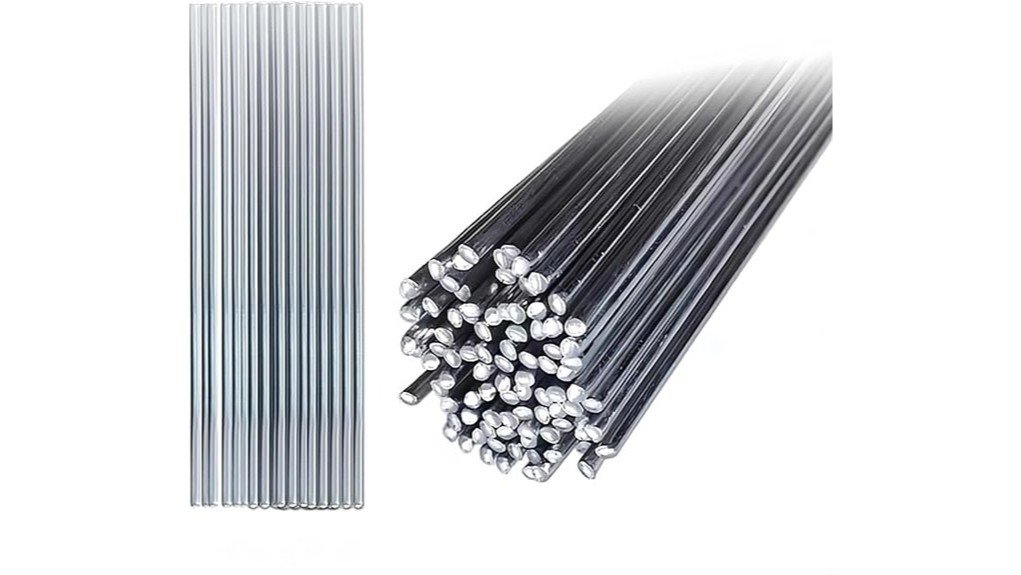
Small aluminum repairs can be frustrating when you do not have a TIG welder or want to avoid the setup required for conventional welding. The 60 Pcs Low Temp Aluminum Brazing Rods give you a torch-applied repair option with a listed working range of 572°F to 752°F and no separate solder powder required according to the product description. You get 60 rods measuring about 1/16 inch in diameter and 13 inches long, making the pack better suited to repeated DIY work than a small two-rod kit. The main tradeoff is technique: surface preparation and careful heat control matter, so these rods are better for repair-minded users willing to practice than for someone expecting instant, structural-quality welding.
Quick Verdict
Rating: 8/10, Recommended with caveats
Best For: DIY aluminum repairs, hobby fabrication, non-critical automotive work, and users who want a large pack for practice or repeated projects.
Bottom Line: The 60-count pack, low working temperature, and propane/MAPP torch compatibility make these rods convenient for light aluminum brazing jobs. They still require clean metal, controlled heating, and practice, and they should not be treated as a substitute for a properly engineered weld on safety-critical or structural parts.
Key Specifications
| Specification | Detail |
|---|---|
| Product type | Low-temperature aluminum brazing/repair rods |
| Quantity | 60 rods |
| Rod diameter | 1/16 inch |
| Rod length | 13 inches |
| Listed working range | 572°F-752°F (300°C-400°C) |
| Compatible torch types | Propane and MAPP-style torch use |
| Primary materials | Aluminum, aluminum alloy, and aluminum-magnesium alloy as listed by the seller |
| Separate solder powder | Listed as not required |
| Arc-welding electrode | No |
| Typical use | Light repairs, fabrication, DIY projects, and other suitable non-critical aluminum work |
Key Takeaways
- You get 60 aluminum brazing rods, each about 1/16 inch wide and 13 inches long.
- The listed working temperature is 572°F to 752°F, which is lower than the melting point of the aluminum base material used in many common projects.
- The product is marketed for use with propane and MAPP-style torches, so you do not need an arc welder to use it as intended.
- The listing says no separate solder powder is required, reducing the number of supplies you need to prepare.
- Results depend heavily on clean metal, joint fit, temperature control, and technique.
- These rods make more sense for light repairs and fabrication than for safety-critical, load-bearing, pressure-containing, or professionally specified structural work.
What Are the 60 Pcs Low Temp Aluminum Brazing Rods?
These are low-temperature aluminum brazing and repair rods designed to be melted with a suitable torch rather than used as electrodes in an arc-welding machine. The package contains 60 rods, giving you enough material for practice pieces, multiple repairs, or ongoing hobby fabrication.
Each rod measures about 1/16 inch in diameter and 13 inches long. The seller lists a working range of 572°F to 752°F and compatibility with aluminum, aluminum alloys, and aluminum-magnesium alloys. That combination makes the rods most relevant when you need to fill, join, or repair suitable aluminum parts without investing in TIG equipment.
The product description also states that no separate solder powder is needed. That can simplify your setup, but it does not remove the need for careful preparation. Aluminum oxide, dirt, paint, oil, corrosion, and uneven heating can all interfere with how well filler material wets and bonds to the workpiece.
Before You Buy: These are brazing/repair rods, not conventional arc-welding electrodes. Do not assume a brazed repair has the same mechanical properties as a properly engineered TIG or MIG weld, especially on structural, safety-critical, high-pressure, or heavily loaded parts.
Who Should Buy It?
Best For
- DIY users repairing suitable non-critical aluminum parts
- Hobby fabricators who want a 60-rod supply for practice and repeated jobs
- Users who already own a propane or MAPP-style torch and want a low-temperature repair option
Skip If
- You need a certified or engineered structural weld
- You are repairing a safety-critical automotive, pressure, fuel, or high-load component
- You want a process that requires little practice or temperature control
Low-Temperature Design and Heat Control
The main attraction is the listed 572°F-752°F working range. You can use a torch to bring the repair area up to the temperature needed for the filler to flow without using an electric welding machine.
Lower-temperature brazing can also be useful when you want to limit how much heat you put into a small aluminum part. That does not mean overheating is impossible. Aluminum conducts heat quickly, and it may not give you the same obvious color warning that hot steel does. You still need to control the flame and avoid concentrating heat in one small spot for too long.
The rods are only part of the process. Joint fit, base-metal cleanliness, oxide removal, and even heating can matter as much as the filler itself. That explains why one user may get a neat repair while another using the same type of rod struggles to make the material flow or stick.
Material Compatibility
The seller lists these rods for aluminum, aluminum alloy, and aluminum-magnesium alloy. That covers many common aluminum repair situations, but it does not mean every casting or alloy will react the same way.
Cast aluminum can be especially unpredictable because old parts may contain oil, coolant, oxidation, coatings, or other contamination. If you are repairing a casting with an unknown alloy or an important mechanical function, a professional welding assessment is safer than assuming a low-temperature rod will solve the problem.
You should also avoid treating broad phrases such as “white metals” as proof that the rods will bond successfully to every non-ferrous metal. When compatibility matters, test on scrap of the same material first or confirm the alloy and joining method before working on the finished part.
Surface Preparation and Ease of Use
The product is marketed as easy to use because you do not need an arc welder or separate solder powder. In practice, the easiest way to improve your odds is to spend more time on preparation.
- Remove paint, grease, oil, corrosion, and loose oxidation around the joint.
- Expose clean aluminum where the filler needs to bond.
- Make sure the pieces fit closely before applying heat.
- Heat the work area evenly instead of concentrating the flame on the filler rod alone.
- Practice on scrap material before attempting an important visible repair.
- Allow the completed joint to cool safely before handling or testing it.
Pro Tip: Practice on an offcut of the same aluminum first. It lets you learn how quickly that particular piece absorbs heat and how the filler behaves before you risk overheating the actual part.
Application Scenarios and Use Cases
The 60-piece quantity is useful when you expect to work on more than one project. Instead of conserving a two-rod pack, you have enough filler for practice, failed attempts, and multiple small repairs.
DIY Aluminum Repairs
For brackets, trim, hobby pieces, frames, housings, and other suitable non-critical aluminum parts, the torch-based process can be more accessible than buying a dedicated aluminum welding setup. You still need enough access around the joint to clean it and heat it evenly.
Automotive Projects
The rods may be useful for suitable non-safety-critical aluminum repair and fabrication work. Avoid using a general-purpose brazing rod as your only repair method on steering, suspension, braking, wheel, fuel, pressure-bearing, or other components where failure could create a hazard.
HVAC and Workshop Work
The original product description lists HVAC and fabrication among possible applications. The important distinction is the specific component. A small aluminum bracket or non-pressure accessory is very different from a sealed refrigerant or pressure-bearing line. Use the repair method specified for the actual system.
Hobby Fabrication and Art Projects
The low-temperature torch process is well suited to learning and experimentation on scrap aluminum, decorative pieces, prototypes, and hobby projects where you can inspect the finished joint and where failure would not create a safety risk.
How It Performs in Real Use
For Small, Thin Aluminum Parts
Thin pieces can come up to temperature relatively quickly, which makes flame control important. The low working range is helpful, but you still need to move the heat and watch how the filler behaves so you do not overheat the base material.
For Larger Aluminum Pieces
Thicker aluminum acts as a heat sink. A small torch may take longer to heat the full joint area than you expect. If only the rod is melting while the base metal remains too cool, the filler may bead up rather than wet the surface properly.
For Repeated DIY Projects
The 60-rod package is one of the stronger buying points. You can sacrifice a few rods while learning the correct heat level and still have plenty left for later repairs.
For Important Load-Bearing Repairs
This is where you should be cautious. The listing does not provide the engineering information needed to treat every completed joint as a structural weld. If joint failure could injure someone or damage equipment, use the repair process specified by the manufacturer or a qualified welding professional.
Common Mistakes to Avoid
- Skipping surface preparation: Dirt, oxidation, coatings, and oil can prevent proper wetting.
- Heating only the rod: The workpiece also needs adequate, even heat for the filler to flow into the joint correctly.
- Overheating one spot: Aluminum transfers heat quickly, and excessive localized heat can damage thin parts.
- Testing a joint while it is still hot: Allow the work to cool safely before evaluating the repair.
- Assuming every alloy behaves identically: Different aluminum alloys and castings can respond differently.
- Using brazing for a safety-critical repair without engineering guidance: A repair that looks solid is not automatically suitable for structural service.
Safety and Durability Considerations
The seller describes the rods as aluminum-based, odorless, and non-toxic. You should not interpret that language as permission to ignore normal hot-work precautions. Brazing still involves an open flame, heated metal, possible fumes from coatings or contamination, and burn and fire hazards.
Wear suitable eye and hand protection, keep combustible materials away from the work area, and use adequate ventilation. Never heat painted, coated, oily, or unknown materials without understanding what fumes they may release.
Durability depends on more than the filler rod. Joint design, preparation, alloy, temperature control, service load, vibration, moisture, and exposure conditions all influence how long a brazed repair lasts. The product description promotes strong and corrosion-resistant joints, but no verified tensile-strength figure or independent durability certification for this exact ASIN was available during verification.
Pros and Cons
Pros
- Large 60-rod package gives you material for practice and multiple repairs
- Listed 572°F-752°F working range supports low-temperature torch brazing
- Compatible with propane and MAPP-style torch use
- No separate solder powder is listed as necessary
- Suitable for several listed aluminum and aluminum-alloy applications
Cons
- Clean surfaces and correct heat control are still essential
- Different aluminum alloys and castings may require trial and error
- Not a substitute for a specified structural welding process on critical parts
What to Expect From the Learning Curve
The original article reported mixed user experiences: some people obtained clean, useful repairs while others had trouble getting the filler to bond as expected. That difference is believable for a process in which preparation and temperature control play such large roles.
You should therefore judge this product less like a plug-and-play accessory and more like a consumable that requires technique. If your first attempt does not flow correctly, inspect surface cleanliness, joint fit, torch position, and base-metal temperature before assuming the rod itself is defective.
Current Amazon star ratings and review counts were not added because they could not be verified reliably during this review refresh.
Is It Worth the Price?
This is best viewed as a value-focused bulk option. The 60-piece quantity gives you far more practice material than the small two-rod and seven-rod packages offered by some established alternatives. That matters if you expect to complete several repairs or need time to develop your technique.
You get the most value if you already own a suitable torch and regularly work with repairable aluminum parts. You get less value if you need only one tiny repair, need published engineering strength data, or require a certified joining process.
Because Amazon pricing changes, compare the current cost against the quantity you actually need rather than assuming a large package automatically gives you the best deal.
How It Compares to Alternatives
The Bernzomatic AL3 is a more documented small-pack alternative. Bernzomatic lists two 12-inch rods, a 720°F-750°F working temperature, and a published tensile-strength figure. It may be more appealing when manufacturer documentation matters more to you than package quantity.
The Hobart 770206 is another low-temperature option, sold as a seven-pack of larger 1/8-inch by 18-1/8-inch self-fluxing rods with a listed 700°F melting point. The 60 Pcs Low Temp Aluminum Brazing Rods make more sense when you prioritize a larger supply of thinner rods for practice and repeated light projects.
Frequently Asked Questions
Can you use these rods with a standard propane torch?
Yes. The product listing specifically positions these rods for propane and MAPP-style torch use. Larger or thicker aluminum parts may take longer to bring to the required temperature because aluminum carries heat away from the joint quickly.
Do you need separate flux or solder powder?
The seller states that separate solder powder is not required. You still need clean base metal and proper heat control, so “no solder powder needed” should not be confused with “no preparation needed.”
Are these actual arc-welding rods?
No. They are low-temperature brazing/repair rods intended to be heated with a torch. You should not buy them expecting stick-welding electrodes for an arc welder.
Can you use them on cast aluminum?
Some cast aluminum may be repairable with low-temperature filler, but castings vary in alloy and contamination. Oil-soaked, corroded, coated, or safety-critical cast parts are better evaluated by an experienced welding professional before you apply heat.
Are these rods suitable for underwater welding?
No underwater-welding capability was verified for this product. These are torch-applied low-temperature repair rods intended for normal dry-work conditions, not specialized underwater welding operations.
How should you store unused rods?
Keep unused rods clean, dry, and protected from contamination or physical damage. No special verified shelf-life figure was found for this exact product, so avoid claiming that the rods remain usable for a specific number of years.
Who should skip this 60-piece pack?
Skip it if you need a certified structural repair, a published strength specification for your exact joint, or a process approved for a safety-critical component. It may also be unnecessary if you need only one small repair and do not expect to use the remaining rods.
The Bottom Line
The 60 Pcs Low Temp Aluminum Brazing Rods are worth considering when you want a large supply of thin aluminum repair rods, already own a propane or MAPP-style torch, and are prepared to spend time learning heat control and surface preparation. Their strongest advantages are the 60-piece quantity, 1/16-inch x 13-inch format, and 572°F-752°F listed working range, while the main limitation is that successful brazing still depends heavily on technique and should not be confused with a certified structural weld.
If your projects involve light DIY repairs, hobby fabrication, or suitable non-critical aluminum parts, the pack earns a Recommended with caveats verdict. If you need guaranteed engineering properties or a repair for a safety-critical component, use the manufacturer-specified process or qualified professional welding service instead.