Disclosure: As an Amazon Associate, we earn from qualifying purchases. If you click a link on this page and make a purchase, we may receive a small commission at no extra cost to you.
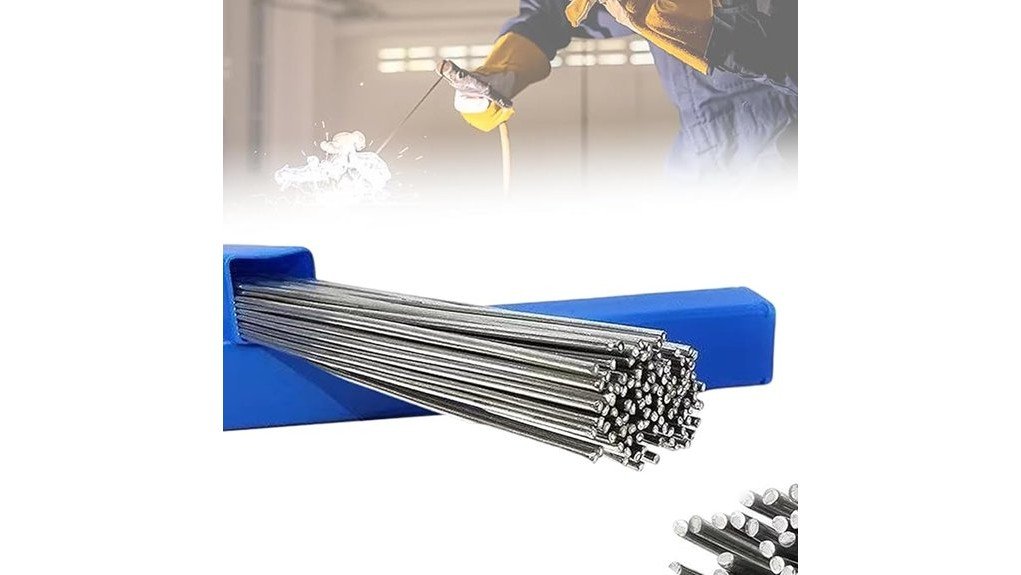
Low-temperature aluminum repair can be frustrating if the rod will not flow, the surface is dirty, or you choose the wrong filler for the metal. The 50Pcs Aluminum Brazing Rods are made for smaller aluminum repair jobs where you want a low-melt rod that does not require separate solder powder. This review looks at the verified specs, best use cases, safety notes, and limits so you can decide if this 50-count pack fits your project. The main appeal is convenience, but these rods are still better for light repair and fabrication work than structural welding.
Quick Verdict
Rating: 7.2/10, Recommended with caveats
Best For: DIY aluminum touch-ups, HVAC repair practice, hobby fabrication, and non-structural automotive aluminum repairs.
Bottom Line: These rods are a practical budget choice if you need a 50-piece pack of low-melt aluminum rods for small jobs. They are not the right choice for load-bearing repairs, critical vehicle parts, or work that needs certified MIG or TIG welding.
| Specification | Detail |
|---|---|
| Product name | 50Pcs Aluminum Brazing Rods, Aluminum Welding Rods, Welding Sticks |
| Displayed store | Generic Store |
| Manufacturer | tiaoling |
| Item model number | 1 |
| Product type | Low-melt aluminum brazing and repair rods |
| Count | 50 rods |
| Rod size | 2/32" x 13" |
| Melting range | 716°F to 752°F |
| Material | Aluminum, described by the listing as nontoxic, odorless, and durable |
| Package dimensions | 13.27 x 1.46 x 0.55 inches |
| Item weight | 2.39 ounces |
| Compatibility | Aluminum, aluminum alloy, aluminum-magnesium alloy, and other white metals |
| Best use | Automotive repairs, HVAC systems, metal fabrication, and hobby projects |
| Prep note | Clean off rust, oil, coatings, paint, and oxidation before use |
What Are the 50Pcs Aluminum Brazing Rods?
The 50Pcs Aluminum Brazing Rods are low-melt aluminum repair rods sold as a 50-piece pack. The listing describes them as 2/32-inch by 13-inch rods with a melting range of 716°F to 752°F, which makes them easier to use than high-heat welding filler in many small repair situations.
They are meant for aluminum, aluminum alloys, aluminum-magnesium alloy, and similar white metals. You can use them for light automotive repair, HVAC work, hobby fabrication, patching, and practice joints, as long as the job does not require certified structural welding.
The key buying point is convenience. The listing says you do not need separate solder powder, and it describes the rods as flux-core, which means you should think of them as low-temperature aluminum repair rods rather than a direct replacement for MIG or TIG welding.
Key Takeaways
- The 50-piece pack gives you enough rods for practice, small repairs, and repeat use.
- The 716°F to 752°F melting range helps reduce the heat needed compared with many traditional aluminum welding jobs.
- The rods are promoted for all-position use and single or multiple-pass work.
- They are intended for aluminum, aluminum alloy, aluminum-magnesium alloy, and other white metals.
- Clean metal matters. Oil, paint, coatings, oxidation, and rust can weaken the joint.
- They are not the best choice for critical structural repairs, pressurized systems, or safety-related vehicle parts unless a qualified professional approves the repair method.
Before You Buy: These rods are for low-temperature aluminum repair and brazing-style work. Do not treat them as a replacement for certified MIG, TIG, or structural welding on frames, suspension parts, load-bearing brackets, pressure vessels, or safety-critical repairs.
Who Should Buy It?
Best For
- DIY users repairing small aluminum pieces, brackets, panels, or hobby parts.
- Garage and shop users who want a 50-count pack for practice and repeat small jobs.
- Buyers working on aluminum, aluminum alloys, aluminum-magnesium alloy, or similar white metals.
Skip If
- You need a certified repair on a load-bearing or safety-critical part.
- You want a rod for steel, stainless steel, cast iron, or unknown base metal.
- You do not have a safe way to clean, heat, ventilate, and inspect the work area.
Features and Benefits of Aluminum Brazing Rods
The biggest benefit is the low melting range. At 716°F to 752°F, these rods are designed to flow with less heat than many welding processes require, which can help on thin aluminum pieces when you are trying to avoid excess distortion.
The 50-count pack is also useful if you are still learning. Aluminum repair takes practice because the base metal and rod need the right heat balance, and extra rods let you test your technique on scrap before touching the final part.
The listing also notes corrosion-resistant and high-conductivity results. Those claims matter most when the joint is clean, properly heated, and used in the right application. A rushed joint on dirty aluminum can still fail, even with a good rod.
Materials and Build Quality
The rods are made from aluminum and are described as nontoxic, odorless, and durable. That does not remove the need for safety gear because heating metal, coatings, oils, and shop residue can still create smoke or fumes.
The 2/32-inch by 13-inch size is thin enough for small repair work and easy storage. The full package is listed at 13.27 x 1.46 x 0.55 inches and 2.39 ounces, so it should fit easily in a welding cart, toolbox drawer, or mobile repair kit.
Fit and Compatibility
These rods are made for aluminum, aluminum alloy, aluminum-magnesium alloy, and other white metals. That makes them a better fit for aluminum repair than general-purpose solder or filler that is not made for aluminum surfaces.
They are not a universal metal repair solution. If you are working with steel, stainless steel, cast iron, copper, brass, or a painted mystery part, confirm the base material before buying. Wrong-material repairs often look acceptable at first but lack real strength.
Performance in Various Applications
For automotive use, these rods make the most sense for non-structural aluminum repairs, small brackets, practice coupons, trim pieces, light tabs, and minor fabrication work. They should not be used on frames, suspension parts, wheels, brake components, steering parts, or crash-related repairs unless the procedure is approved by a qualified repair professional.
For HVAC work, the low-melt design can help with aluminum pieces and light repair tasks. Be careful around coils, sealed systems, refrigerant lines, and pressure-related components. Those jobs may require specific procedures, leak testing, and professional tools.
For hobby fabrication, the rods are practical because the pack includes 50 pieces and does not require separate solder powder. You still need clean metal, steady heat, and realistic expectations about joint strength.
These rods are most useful when you treat them as a low-temperature aluminum repair aid, not as a shortcut for certified structural welding.
How It Performs in Real Use
For Small Garage Repairs
On small aluminum tabs, brackets, and patch pieces, the low melting range can make the job easier to control. You should still test on scrap first because aluminum does not always show heat color clearly before it gets too hot.
For Automotive Touch-Ups
For light, non-structural automotive repairs, the rods can be helpful when the base metal is clean and the joint is not carrying major load. They are not a safe choice for structural body repairs, frame sections, suspension mounts, or crash-repair work.
For HVAC and Shop Use
The rods may work for aluminum HVAC-related metal repair when the part is suitable for brazing-style repair. For pressurized lines, sealed systems, or parts tied to refrigerant handling, use professional guidance instead of guessing.
For Practice and Skill Building
The 50-piece count is a real advantage for beginners. You can practice heat control, joint fit-up, surface cleaning, and rod flow before using the rods on a visible or useful part.
Tips for Optimal Use and Results
Start by cleaning the metal fully. Grind or brush away oxidation, paint, oil, coatings, dirt, and loose contamination. Aluminum oxide can block proper wetting, so a bright, clean surface gives the rod a better chance to flow.
Fit the parts tightly before heating. Gaps can make the repair weaker, and too much rod will not fix poor joint fit. Keep the heat moving and avoid overheating the base metal.
Let the joint cool naturally after brazing. Quenching can create stress and may reduce the quality of the repair. After cooling, inspect the joint for gaps, poor flow, cracks, or areas where the rod sat on top instead of bonding.
Pro Tip: Before your first real repair, use one or two rods on scrap aluminum with the same thickness as your project. This helps you learn how fast the rod flows and how much heat the base metal can handle.
Safety and Material Notes
Wear eye protection, heat-resistant gloves, long sleeves, and respiratory protection when conditions call for it. Work in a well-ventilated space, especially if the part has paint, oil, adhesive, coating, or unknown residue.
Keep flammable materials away from the work area. A low-melt rod still needs enough heat to burn nearby dust, insulation, rags, fuel residue, and plastic parts. If you are repairing anything attached to a vehicle, disconnect or shield nearby sensitive components before applying heat.
Follow the product label and your tool instructions. If the repair affects safety, pressure, electricity, fuel, refrigerant, or load-bearing strength, ask a qualified professional before using a brazing rod.
Pros and Cons
Pros
- 50-piece pack gives you enough rods for practice and multiple small repairs.
- 716°F to 752°F melting range can be easier to manage on light aluminum work.
- No separate solder powder is required, according to the listing.
- Compatible with aluminum, aluminum alloy, aluminum-magnesium alloy, and other white metals.
- Compact 13.27-inch package length makes storage simple in a toolbox or repair kit.
Cons
- Not suitable for structural, load-bearing, or safety-critical repairs.
- Requires careful cleaning and heat control for strong adhesion.
- Compatibility is limited to aluminum and similar white metals, not general metal repair.
Is It Worth the Price?
These rods look like a strong value for the price if you want a budget-friendly pack for light aluminum repair, practice, and hobby fabrication. The 50-piece count is the main value point because it gives you room to test your technique before using the rods on a real part.
You get the most value if you already have the right heat source, safety gear, cleaning tools, and scrap aluminum for practice. If you need certified strength, repeatable shop-grade welds, or repairs on high-risk parts, paying more for professional welding service or a better-suited process is the smarter choice.
How It Compares to Alternatives
Compared with smaller 20-rod aluminum repair kits, this 50-piece pack is better if you want more practice material or expect repeat use. Compared with larger 100-piece flux-core rod packs, it may be a better fit if you only need a modest supply and do not want extra rods sitting unused.
Alumaloy 20 Rods and similar branded aluminum repair rods may appeal to buyers who want a more recognizable name. The 50Pcs Aluminum Brazing Rods make the most sense if you care more about count, low-melt use, and simple aluminum repair practice than brand recognition.
Frequently Asked Questions
Do these aluminum brazing rods need separate flux?
The listing says the rods can be used without separate solder powder and describes them with flux-core wording. For the safest result, follow the product label and do not assume every aluminum repair rod works the same way.
What metals can you use them on?
They are listed for aluminum, aluminum alloy, aluminum-magnesium alloy, and other white metals. They are not a general-purpose filler for steel, stainless steel, cast iron, or unknown metal.
Can you use these rods for automotive repairs?
Yes, but only for suitable non-structural aluminum repairs and small fabrication tasks. Skip them for frame, suspension, steering, braking, wheel, crash-repair, and load-bearing work unless a qualified professional approves the repair method.
Can these rods be used outdoors?
They can be used outdoors when the work area is safe, dry, and protected from wind that can affect heating. Make sure the metal is clean and that no flammable materials are near the repair area.
How should you prepare the surface before using them?
Remove oxidation, paint, oil, coatings, rust, and loose debris before heating. A clean, bright surface helps the rod flow and bond instead of sitting on top of contamination.
Do these rods produce fumes during use?
Any heated metal repair can create fumes, especially if the workpiece has oil, paint, coatings, adhesive, or dirt on it. Use ventilation, eye protection, gloves, and respiratory protection when the work conditions require it.
How should you store unused aluminum brazing rods?
Store unused rods in a clean, dry place to reduce oxidation and contamination. Keep them away from moisture, shop chemicals, grinding dust, and oil so they are ready for the next repair.
Who should skip these rods?
Skip them if you need certified weld strength, a repair on a critical vehicle part, or a filler for non-aluminum metals. You should also skip them if you cannot safely clean, heat, ventilate, and inspect the joint.
The Bottom Line
The 50Pcs Aluminum Brazing Rods are worth considering if you want a low-melt, 50-count pack for small aluminum repairs, practice joints, HVAC-related aluminum work, or hobby fabrication. Their main strength is convenience, but the main limitation is that they are not a substitute for certified structural welding or professional repair procedures.
Buy them if your project matches the listed metals and you are willing to prep the surface properly. Skip them if the repair affects safety, structure, pressure, or a part where failure could cause damage or injury.