Aluminum Brazing Rods Review
A small crack or broken tab in an aluminum part can be frustrating when you do not own a TIG welder. The ouwinway ABR-999 aluminum brazing rods offer a lower-temperature repair method in a 50-piece pack, but the process still depends on clean metal, enough torch output, and steady heat control. This review explains the verified specifications, the jobs these rods suit, and the situations where a professional repair is the safer choice. The main appeal is convenience, while the main limitation is that results vary with the alloy, part thickness, and your technique.
Quick Verdict
Rating: 7.5/10, recommended with caveats
Best For: Practice pieces and non-critical aluminum repairs where you can clean, clamp, and heat the joint correctly.
Bottom Line: The 50-pack, 1/16-inch rod size, and 716°F to 752°F working range make the ouwinway ABR-999 a practical garage supply. You should expect a learning curve, and you should not use these rods for structural, pressure-bearing, or safety-critical repairs.
Key Specifications
| Specification | Detail |
|---|---|
| Brand | ouwinway |
| Model / Part Number | ABR-999 |
| Product Type | Flux-cored aluminum brazing rods |
| ASIN | B0C9CPJHDJ |
| Pack Size | 50 rods |
| Rod Size | 1/16 inch diameter by 13 inches long |
| Brazing Temperature | 716°F to 752°F (380°C to 400°C) |
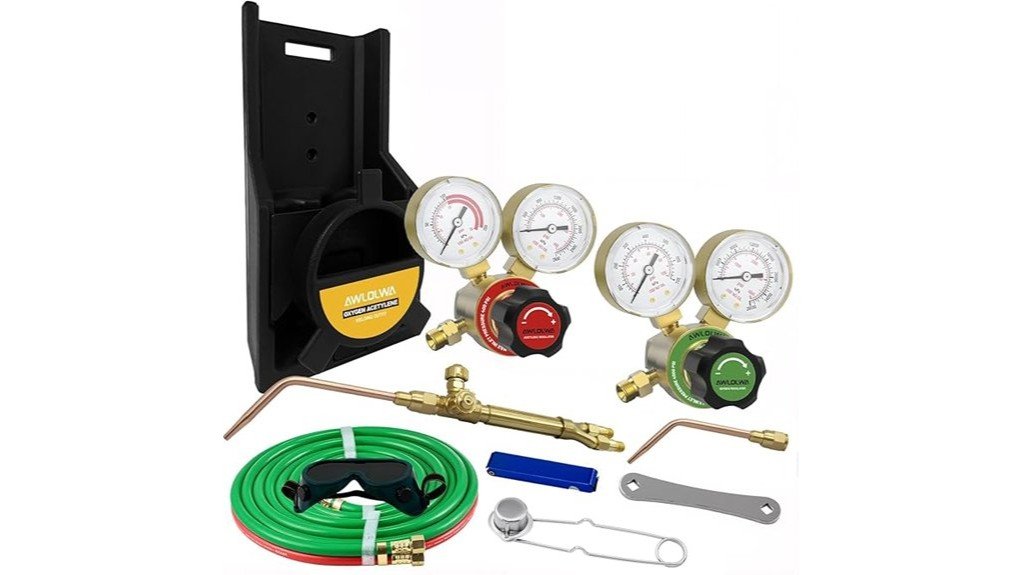
| Listed Torch Types | Oxygen-propane or oxygen-acetylene flame brazing; the product title also refers to propane-torch use |
| Separate Flux | No separate solder powder is listed as necessary |
| Listed Compatibility | Aluminum, aluminum alloys, and cast aluminum |
| Listed Composition | Silicon 12%; magnesium ≤0.10%; iron ≤0.21%; copper ≤0.05%; zinc ≤0.05%; manganese ≤0.10%; aluminum remainder |
| Item Weight | 3.2 ounces |
| Package Dimensions | 13.78 × 0.75 × 0.71 inches |
| Best Use | Practice and light, non-critical aluminum repair work |
What Is the ouwinway ABR-999?
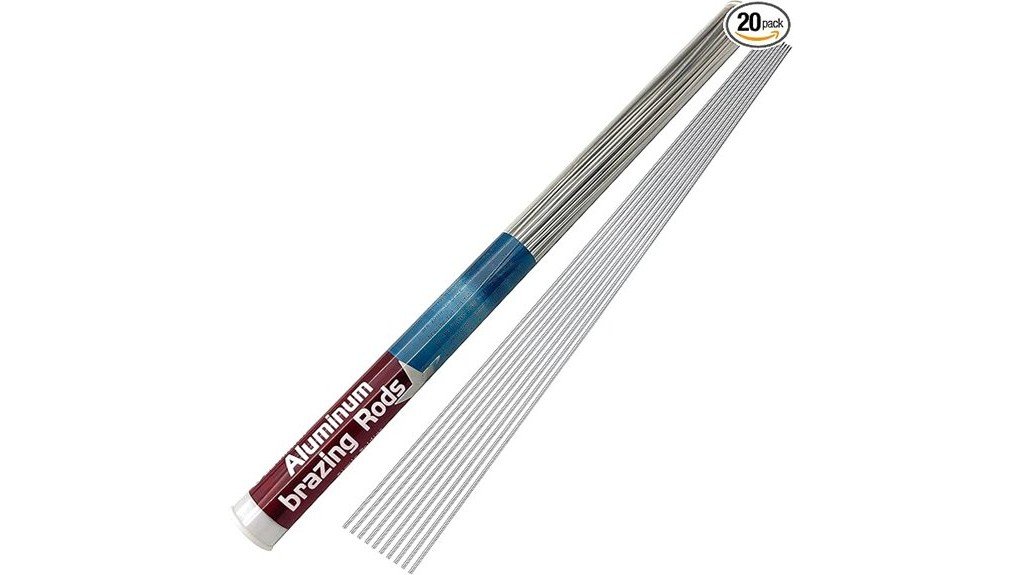
The ouwinway ABR-999 is a 50-pack of thin aluminum brazing filler rods. Each rod is listed at 1/16 inch in diameter and 13 inches long. Instead of feeding wire through a welding gun, you heat the aluminum base material and touch the rod to the joint so the filler can melt and flow.
This process is brazing rather than conventional fusion welding because the goal is to melt the filler without melting the entire base part. The listed working range of 716°F to 752°F is far below aluminum’s melting point, which can reduce the risk of collapsing a thin part. It does not remove the need for joint preparation, correct fit-up, or enough heat in the base metal.
The listing describes the rods as flux-cored and says you do not need separate solder powder. That simplifies your supply list, but it does not mean the joint can be dirty. Oil, paint, corrosion, anodizing, and aluminum oxide can prevent the filler from wetting the surface.
Who Should Buy It?
Best For
- DIY users repairing small brackets, tabs, sheet-metal parts, or hobby pieces.
- Beginners who want enough rods to practice heat control before touching the final part.
- Garage users who need a compact 50-piece supply for occasional aluminum work.
Skip If
- You need a certified structural, suspension, pressure-vessel, fuel-system, or safety-critical repair.
- You cannot identify or fully clean the aluminum alloy and surface coating.
- You only have a low-output torch and plan to heat a thick or highly conductive part.
Feature-by-Feature Review
50-Rod Pack and 1/16-Inch Size
The package contains 50 rods, giving you room for practice, failed starts, and several small projects. The 1/16-inch diameter is easier to meter into a narrow joint than a thick filler rod, while the 13-inch length gives you enough distance from the hot work area.
The thin diameter also means each rod can disappear quickly on a wide gap or large build-up. These rods make more sense for controlled seams, cracks, and small repairs than for replacing a large amount of missing metal.
716°F to 752°F Working Range
The listed 716°F to 752°F range is the product’s main selling point. You can work below the melting temperature of the aluminum base part, which gives you a wider margin than trying to fusion-weld thin aluminum. The filler still needs the joint area to reach the correct temperature before it will wet and flow.
Do not judge the process only by whether the rod melts. A direct flame can melt the filler while the base metal remains too cool, leaving a bead that sits on top with little bond strength. Heat the workpiece evenly and test the rod against the joint, rather than holding the rod in the flame.
Flux-Cored Convenience
The listing says no separate solder powder is required because the rods are flux-cored. This saves a preparation step and avoids guessing how much external flux to apply. You still need bare, clean aluminum because built-in flux cannot overcome heavy oxidation, paint, oil, or dirt.
Clean the joint shortly before heating. Aluminum forms a new oxide layer quickly, so long delays after brushing can reduce wetting. Keep the unused rods clean and dry so surface contamination does not transfer into the joint.
Alloy Composition and Compatibility
The listing identifies silicon at 12% with aluminum as the remainder, plus small stated limits for magnesium, iron, copper, zinc, and manganese. That composition supports a low melting range, but it does not guarantee a strong joint on every aluminum grade or casting.
Cast aluminum can contain pores, oil, or unknown alloying elements that make brazing less predictable. Anodized aluminum and painted parts need coating removal around the full joint area. When the alloy or service load is unknown, test a scrap piece or choose a professional repair method.
Torch Output and Heat Control
The product title refers to propane-torch use, while the listing details specify oxygen-propane or oxygen-acetylene flame brazing. That difference matters because a small air-propane torch may heat thin parts adequately but struggle with thick castings or parts that pull heat away from the joint.
More heat is not always better. An oversized flame can overheat thin aluminum before the filler flows, while an undersized torch can keep you heating for too long and spread heat into a larger area. Match the torch to the mass of the part and follow the torch manufacturer’s instructions.
Before You Buy: Confirm that your torch can heat the entire joint area to the listed brazing range. A basic handheld propane torch may work on thin pieces, but the listing’s oxygen-propane or oxygen-acetylene wording suggests that larger parts may need more heat than a simple torch can deliver.
How It Performs in Real Use
Thin Sheet, Tabs, and Small Brackets
These are the most realistic jobs for a 1/16-inch low-temperature rod. A close-fitting crack or broken tab needs less filler and less total heat than a wide gap. Clamping the pieces firmly helps you keep the joint aligned while the filler flows and cools.
Small Cast-Aluminum Repairs
The rods are listed for cast aluminum, but castings can be harder to clean and heat evenly. Oil trapped in pores may rise when the part gets hot, and a thick casting can absorb heat faster than a small torch supplies it. Practice on a non-critical area and stop if the filler beads up instead of wetting the surface.
Holes and Missing Material
You can bridge a small hole only when the surrounding metal is sound and the gap is controlled. A large hole or crumbling edge needs backing, careful filler control, and more skill than a basic seam. When the repair must carry load or remain leak-free under pressure, use a qualified welding or replacement solution.
Outdoor and Field Work
A compact rod pack is easy to carry, but wind can disturb the flame and cool the joint. Work in a fire-safe, sheltered area with ventilation, not in an enclosed space. Keep combustible materials away and make sure the finished part is cool before handling or storing it.
Pro Tip: Practice on scrap aluminum that matches the final part’s alloy and thickness. If the rod flows on thin scrap but not on the project, the issue may be part mass, surface coating, or torch output rather than the rod itself.
How to Use the Rods Correctly
- Confirm the repair is suitable. Do not braze structural, pressure-bearing, fuel, brake, steering, suspension, or other safety-critical parts.
- Expose clean base metal. Remove paint, anodizing, corrosion, grease, and oxidation from the joint and nearby heating area.
- Fit and clamp the parts. Keep the gap small and stable so the filler can flow into the joint instead of falling through it.
- Heat the base aluminum evenly. Move the flame around the joint and avoid concentrating it on one thin edge.
- Test with the rod. Touch the filler to the heated metal. Let heat from the workpiece melt the rod rather than melting it directly in the flame.
- Allow the joint to cool naturally. Do not disturb it while the filler is still fluid. Inspect the repair and test it conservatively before use.
Follow the brazing-rod label and the instructions supplied with your torch. If the filler balls up, the surface may still be oxidized or the base metal may be below the working range. If the aluminum sags or changes shape, stop heating and let the part cool.
Safety and Hot-Work Precautions
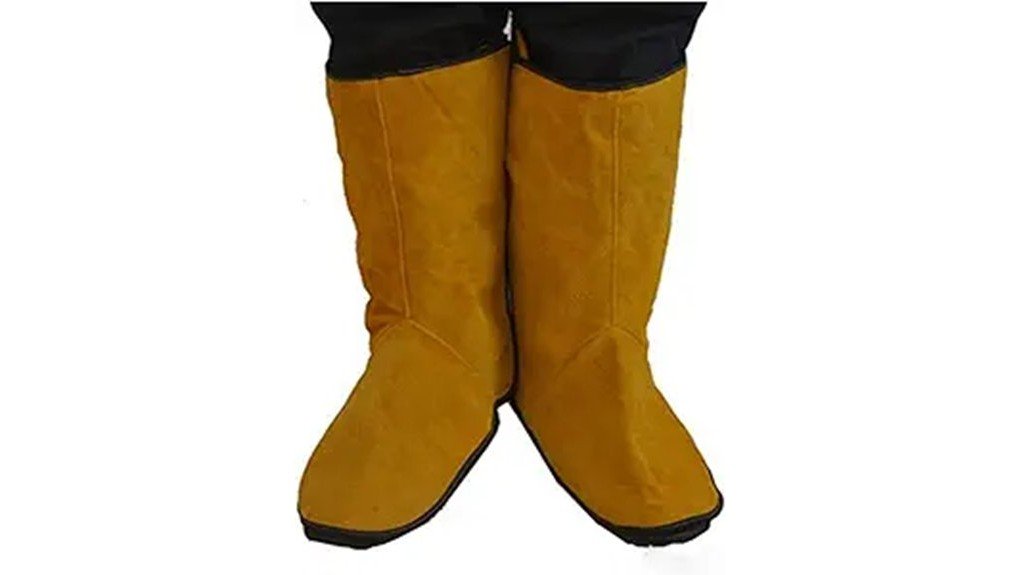
Brazing exposes you to open flame, hot metal, fumes, and fire risk. Wear suitable eye protection, heat-resistant gloves, long sleeves, and closed footwear. Use adequate ventilation, keep your face out of the fume path, and remove combustible materials from the work area.
Do not heat sealed containers, tanks, pressurized parts, or components that may hold fuel or chemical residue. Remove coatings only with methods suitable for the material, and do not assume that outdoor work automatically provides enough ventilation. OSHA’s welding, cutting, and brazing safety guidance covers common fume, burn, eye, and fire hazards.
Keep a suitable fire extinguisher nearby and check the area after you finish. Aluminum can remain hot without glowing, so use tools or temperature-safe handling methods before touching the part.
What Buyers Are Saying
Buyer feedback summarized in the source article shows a consistent pattern:
- Positive: Users appreciate having a no-separate-flux option for basic aluminum repair work.
- Positive: Some beginners report better results after practicing heat control and surface preparation.
- Watch-out: Other users struggle to reach or hold enough heat for the filler to wet the joint.
Pros and Cons
Pros
- 50-rod pack gives you enough material for practice and several small jobs.
- 1/16-inch diameter offers controlled filler placement in narrow joints.
- 716°F to 752°F working range is lower than aluminum’s melting point.
- Flux-cored design does not call for separate solder powder.
- Compact package is easy to store in a dry toolbox or cabinet.
Cons
- Results depend heavily on alloy compatibility, surface preparation, and heat control.
- The torch guidance is inconsistent between the listing title and product bullets.
- Not suitable for certified structural, pressure-bearing, or safety-critical repairs.
Is It Worth the Price?
The ouwinway ABR-999 is best viewed as a budget-oriented consumable for practice and occasional garage repairs. The 50-piece count can provide strong value when you expect to make several attempts while learning how the filler responds to different aluminum parts.
You get less value if you need only one critical repair or if your torch cannot heat the project evenly. In those cases, buying rods does not solve the compatibility or equipment problem. The product is worth considering for light, non-critical work, but it is not a substitute for proper aluminum welding when strength, pressure, vibration, or public safety matters.
How It Compares to Alternatives
Hobart, Bernzomatic, and Blue Demon aluminum brazing rods are reasonable alternatives to compare. The useful differences are not just brand names. Check each product’s rod diameter, working temperature, flux system, intended base alloys, torch requirements, package count, and application instructions.
The ouwinway pack makes the most sense when you want 50 thin rods for practice and small repairs. An alternative may be better when you need clearer manufacturer documentation, a different filler formulation, or a rod specifically identified for your aluminum alloy and service conditions.
Frequently Asked Questions
Can the ouwinway ABR-999 rods be used on every aluminum alloy?
No. The listing names aluminum, aluminum alloys, and cast aluminum, but alloy chemistry, coatings, contamination, and joint design can change the result. Test on matching scrap before repairing the final part.
Do these rods need separate flux?
The listing describes them as flux-cored and says no separate solder powder is required. You still need to remove paint, grease, dirt, and oxidation so the molten filler can wet the aluminum.
Will a standard propane torch work?
It may work on thin, small parts, but torch output is a major limitation. The listing title refers to propane-torch use while the product bullets specify oxygen-propane or oxygen-acetylene, so thicker parts may need a hotter setup.
Is this the same as TIG welding aluminum?
No. Brazing melts the filler at a lower temperature while the base aluminum should remain solid. TIG welding creates a fusion weld and requires different equipment, shielding gas, filler selection, and technique.
Why does the rod melt without bonding to the aluminum?
The base metal may be too cool, oxidized, coated, or contaminated. Heat the workpiece evenly and touch the rod to the joint instead of melting the rod directly with the flame.
Can these rods repair a radiator, tank, or pressure-bearing part?
Do not rely on a beginner brazed joint for a pressure-bearing, fuel, brake, cooling, or safety-critical component. Those repairs need the correct material, procedure, testing, and often a qualified technician.
How should the aluminum be prepared?
Expose bare metal around the complete joint, remove grease and oxidation, and clamp the pieces securely. Clean immediately before heating because aluminum quickly forms a new oxide layer.
How should unused rods be stored?
Keep them dry, clean, and protected from oil and shop dust. Store leftover lengths in the original package or a sealed container so they do not become contaminated before the next job.
The Bottom Line
The ouwinway ABR-999 is a sensible choice for hobbyists who want a 50-pack of thin, low-temperature rods for practice and small, non-critical aluminum repairs. Its main strengths are the rod count, compact size, and flux-cored format, while its main limitations are alloy uncertainty and the need for enough torch heat. Skip it for structural, pressure-bearing, or safety-critical work where a qualified welding procedure is the correct solution.