Disclosure: As an Amazon Associate, we earn from qualifying purchases. If you click a link on this page and make a purchase, we may receive a small commission at no extra cost to you.
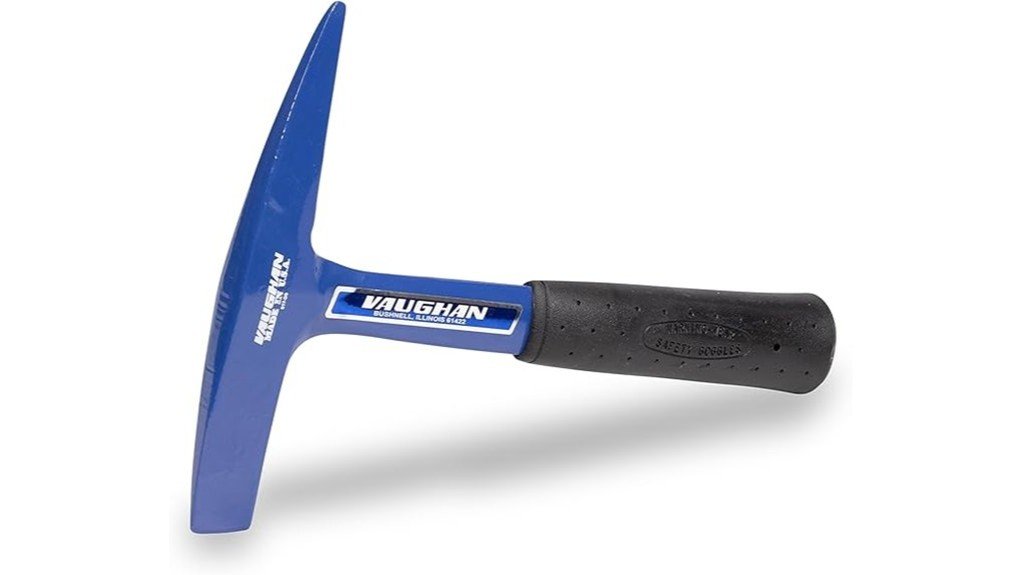
Removing stubborn welding slag is easier when you have a tool that gives you both a narrow point and a chisel-style edge without feeling like an oversized demolition hammer. The VAUGHAN RWC14 Chipping Welding Hammer is a solid-steel, 14 oz head-weight tool built specifically for weld cleanup and light chipping work. Its main strengths are the durable steel construction, tapered point, beveled blade, and cushioned grip. The tradeoff is that its solid-steel design is more substantial than the inexpensive spring-handle chipping hammers many beginners start with.
Quick Verdict
Rating: 8.7/10
Best For: Stick and flux-core welders who want a durable solid-steel slag-removal tool.
Bottom Line: The RWC14 combines a pointed chipping end, beveled blade, solid-steel construction, and cushioned grip in a straightforward welding tool. It is a strong choice for regular shop use, but buyers wanting the lightest possible chipping hammer may prefer a simpler design.
| Specification | Detail |
|---|---|
| Brand | VAUGHAN |
| Model | RWC14 / 17930 |
| Product Type | Welder’s chipping hammer |
| Head Weight | 14 oz |
| Overall Length | About 13 inches |
| Construction | Steel head and solid steel handle |
| Working Ends | Beveled chipping blade and tapered point |
| Grip | Cushioned, slip-resistant grip |
| Finish | Rust-resistant powder-coated finish |
| Replaceable Handle | No |
| Non-Sparking | No |
| Country of Origin | USA |
Key Takeaways
- The RWC14 uses a 14 oz steel head with a solid steel handle for a substantial, durable feel.
- A beveled chipping blade handles broader slag deposits while the opposite tapered point reaches smaller areas.
- The cushioned, slip-resistant grip helps isolate your hand from some of the impact associated with repeated chipping.
- A rust-resistant powder-coated finish gives the steel added protection during normal shop storage.
- It is intended for welding slag, buildup, and similar chipping work rather than use as a non-sparking safety tool.
What Is the VAUGHAN RWC14?
The VAUGHAN RWC14 is a purpose-built welder’s chipping hammer. Instead of giving you two conventional hammer faces, it combines a chisel-style blade with a tapered point so you can attack slag from different angles after welding.
Its steel construction separates it from basic spring-handle chipping hammers. You get a 14 oz head, a steel handle, a protective powder-coated finish, and a cushioned grip. The design is simple, but each part serves a clear purpose during weld cleanup.
This tool makes the most sense when you regularly use welding processes that leave slag, including stick welding and flux-core applications where mechanical cleanup is often part of the job.
Who Should Buy It?
Best For
- Stick and flux-core welders who regularly remove slag.
- Fabricators who prefer a solid-steel hand tool over a spring-handle design.
- Shop and garage users who want both a pointed end and chisel-style blade.
Skip If
- You want an ultralight chipping hammer for occasional cleanup.
- Your work area specifically requires non-sparking tools.
- You prefer a replaceable wood or separate handle system.
Before You Buy: The RWC14 is a conventional steel striking tool and is not classified as non-sparking. If your workplace requires non-sparking tools because of flammable materials or a controlled environment, choose equipment specifically approved for that application.
Specialized Design and Functionality
The main advantage of the RWC14 is its two-ended working design. One side provides a chipping blade with a back bevel for attacking slag and buildup across a broader area. The opposite side tapers to a point, giving you better access to narrow spots and stubborn deposits.
This combination is useful because welding slag does not always break away evenly. A wide edge can lift larger sections, while a point can concentrate force on a smaller spot before you switch back to the blade.
The hammer can also handle light material-removal duties around fabrication work, but its primary purpose remains weld cleanup. You should not treat it as a substitute for a cold chisel, pry bar, sledge, or demolition hammer when the job requires heavier force.
Durable Construction and Materials
VAUGHAN builds the RWC14 around steel rather than a lightweight tubular or spring handle. The head and handle are designed as a durable assembly, and the handle is not listed as replaceable. That gives the tool a solid feel, but it also means you are buying it as a complete striking tool rather than a hammer intended for periodic handle replacement.
The working portion is made for repeated contact with weld slag and metal surfaces. A rust-resistant powder-coated finish adds protection to exposed steel, which is useful in garages and fabrication shops where tools may encounter dust, moisture, and metal debris.
The finish does not make the hammer maintenance-free. Cleaning off welding residue and storing it in a dry location will still help preserve the grip, finish, and working edges.
Comfort and Usability Features
A solid-steel chipping hammer transfers impact differently from a lightweight spring-handle design, so the grip matters. The RWC14 uses a cushioned, slip-resistant grip intended to improve control and reduce the harsh feel of repeated impacts.
The 14 oz head gives you enough mass to chip slag without turning the hammer into a heavy striking tool. You still control the force, and harder swings are not always better. Properly formed slag will often release with controlled taps rather than maximum impact.
Pro Tip: Start weld cleanup with controlled taps along the edge of the slag instead of immediately striking as hard as possible. Once an edge lifts, work progressively along the bead and use the pointed end only where you need concentrated force.
How It Performs in Real Use
Stick Welding Cleanup
Stick welding is where a dedicated chipping hammer earns its place in your tool kit. You can use the blade to work along longer sections of slag and switch to the point when residue remains around starts, stops, corners, or irregular bead areas.
Flux-Core Welding
Self-shielded flux-core wire also leaves slag that needs to be removed before inspection, finishing, or additional passes. The RWC14 gives you a compact hand tool for breaking that layer before following with a wire brush when needed.
Fabrication and Bench Work
For general fabrication, the pointed and blade ends can help remove small areas of adhered material or buildup. The solid-steel construction feels appropriate for a shop environment where the hammer may see regular contact with steel parts and work surfaces.
Repeated Shop Use
For regular welding work, the cushioned grip is more important than it may seem during a quick test. Repeated chipping can transmit vibration into your hand, so a secure grip and controlled technique are preferable to excessive striking force.
How to Use It Correctly
- Allow the weld area to reach a safe working condition. Follow your welding procedure and workplace safety requirements before cleanup.
- Wear appropriate eye protection. Slag fragments can break free suddenly when struck.
- Start with the blade. Use controlled taps to lift larger sections of slag along the weld.
- Switch to the pointed end when needed. The narrow tip is better for concentrated deposits and tighter areas.
- Finish with a suitable brush. A chipping hammer removes larger deposits, while brushing can clear remaining loose residue.
- Inspect the hammer periodically. Stop using it if you notice serious damage to the working ends, grip, or steel structure.
Safety and Maintenance
Chipping slag can send sharp particles away from the workpiece, so eye protection is essential. Standard welding PPE and your workplace procedures should remain in place during cleanup. Keep other people clear of the direction in which debris may travel.
Do not use the RWC14 where a non-sparking striking tool is required. It is a steel hammer, and product specifications identify it as non-sparking: no.
For maintenance, remove dirt and loose welding debris before storage. Keep the hammer dry, inspect the grip for damage, and check the blade and point for unusual deformation. Avoid modifying or grinding the working ends unless you understand how the change may affect the tool.
Pros and Cons
Pros
- 14 oz head provides useful striking mass without becoming a large demolition tool.
- Separate chipping blade and tapered point cover different slag-removal situations.
- Steel construction is suited to regular shop use.
- Cushioned, slip-resistant grip improves control during repeated chipping.
- Powder-coated finish adds rust resistance to the steel tool.
Cons
- Solid-steel construction may feel heavier than basic spring-handle alternatives.
- The handle is not designed as a replaceable component.
- It is not a non-sparking tool for specialized hazardous environments.
Is It Worth the Price?
The VAUGHAN RWC14 fits best in the mid-range to premium side of simple manual chipping hammers. You are paying for solid-steel construction, a cushioned grip, two useful working ends, and a design aimed at repeated welding cleanup rather than the lowest possible purchase price.
It offers the most value if you regularly perform stick or flux-core welding and want a chipping hammer that can remain part of your main tool kit. If you weld only occasionally and need to remove a small amount of slag a few times per year, a cheaper basic chipping hammer may be enough.
How It Compares to Alternatives
The Estwing E3-WC is the closest premium-style alternative. It also uses a 14 oz head and one-piece American steel construction, but Estwing emphasizes its molded Shock Reduction Grip and an approximately 11-inch overall length. It is worth comparing if vibration control and a compact one-piece design are priorities.
The Lincoln Electric KH530 is a simpler straight-head chipping hammer aimed directly at slag removal. It can make more sense when you want a basic, lower-cost welding accessory. The VAUGHAN RWC14 is better suited to buyers specifically attracted to a substantial solid-steel tool and its combination of blade and tapered point.
Frequently Asked Questions
What does the VAUGHAN RWC14 weigh?
The published specification is a 14 oz head weight. That is more precise than describing the entire assembled hammer as weighing exactly 14 ounces.
Is the RWC14 good for removing welding slag?
Yes. Slag removal is one of its primary jobs. The chipping blade handles broader deposits, while the tapered point helps you concentrate force on smaller or stubborn areas.
Can you use it with stick and flux-core welding?
The hammer is useful with welding processes that leave removable slag, including common stick and self-shielded flux-core applications. Your exact cleanup procedure should still follow the welding process and consumable manufacturer’s guidance.
Is the VAUGHAN RWC14 a non-sparking hammer?
No. Product specifications identify it as a conventional steel tool rather than a non-sparking hammer. Do not substitute it for a purpose-approved non-sparking tool where your workplace requires one.
Can the handle be replaced?
The RWC14 is listed with a steel handle that is not replaceable. If you specifically want a hammer that lets you replace a worn or damaged handle separately, this design may not be the best fit.
How should you maintain the chipping hammer?
Brush away debris after use, keep the hammer dry, and inspect the point, blade, grip, and steel structure periodically. The powder-coated finish provides rust resistance, but clean and dry storage is still the best routine for protecting a steel hand tool.
The Bottom Line
The VAUGHAN RWC14 Chipping Welding Hammer is a strong fit for welders who want a substantial solid-steel tool for routine slag removal. Its best features are the 14 oz head, separate blade and tapered point, cushioned grip, and rust-resistant finish, while its main drawbacks are the non-replaceable steel handle and the fact that it is not a non-sparking tool.
For regular stick or flux-core cleanup, it is easy to recommend. For occasional hobby use where minimum weight or minimum cost matters more than solid-steel construction, a simpler alternative may make more sense.