Disclosure: As an Amazon Associate, we earn from qualifying purchases. If you click a link on this page and make a purchase, we may receive a small commission at no extra cost to you.
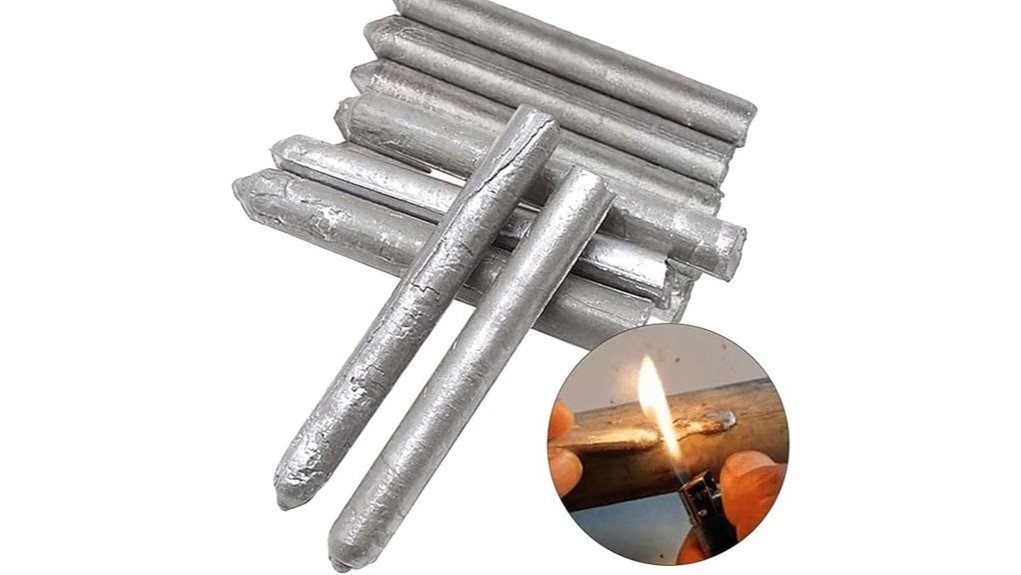
Thin metal repairs can be frustrating because too much heat may warp the part, while too little preparation can leave a weak joint. The Low Temperature Universal Welding Rod is marketed as a simple, low-heat filler rod for small DIY repairs on several metals. Its compact 1 mm by 78 mm format may help with controlled application, but the listing does not provide the process data, alloy details, or strength testing you would want for critical work. This review explains where the rods may be useful, which claims need caution, and who should choose a more established welding or brazing product.
Quick Verdict
Rating: 6/10, recommended with caveats
Best For: DIYers practicing low-heat repairs on clean scrap metal, decorative pieces, and other non-structural parts.
Bottom Line: The short, slim rods are easy to store and may reduce heat input on small jobs. However, the unknown brand, limited technical documentation, inconsistent seller information, and reports of brittle rods make them a poor choice for pressure, structural, safety-critical, or long-term repairs.
Before You Buy: Do not treat these rods as a substitute for a qualified MIG, TIG, stick-welding, or certified brazing procedure. Avoid structural parts, pressurized tanks or pipes, fuel systems, vehicle safety components, electrical conductors, food-contact items, and potable-water repairs unless a qualified professional approves the exact filler and process.
| Specification | Detail |
|---|---|
| Product name | Low Temperature Universal Welding Rod |
| Brand | Not clearly identified in the available listing data |
| Amazon ASIN | B0CRV5MJ5G |
| Product type | Seller-marketed low-temperature metal repair or filler rod |
| Article-listed rod diameter | 1 mm |
| Rod length | 78 mm, about 3.07 inches |
| Seller-reported pack options | 6, 12, or 18 rods, depending on the selected variation |
| Seller-claimed metal compatibility | Aluminum, copper, iron, and stainless steel |
| Best use | Practice, hobby work, and light non-structural repairs after a scrap test |
| Important limitation | No verified alloy specification, melting range, joint-strength data, certification, or warranty information was available |
What Is the Low Temperature Universal Welding Rod?
The Low Temperature Universal Welding Rod is a short filler rod sold for low-heat metal repair. The available product data identifies a 78 mm length, while the source article lists a 1 mm diameter. Seller descriptions claim compatibility with aluminum, copper, iron, and stainless steel, but they do not clearly identify the alloy, flux system, melting range, or a tested joint-strength rating.
That lack of technical detail matters. A product can melt and bridge a gap without producing a joint that matches the strength, corrosion resistance, or service life of the base metal. You should view these rods as an inexpensive practice or repair consumable, not as proof that one rod can safely replace the correct filler for every metal.
Who Should Buy It?
Best For
- DIYers who want an inexpensive consumable for practice on clean scrap metal.
- Hobby users repairing decorative, lightly loaded, or temporary metal items.
- Buyers who can test the exact base metal and joint design before using the rods on a finished piece.
Skip If
- You need a structural, pressure-rated, leak-critical, electrical, automotive-safety, or code-compliant joint.
- You need a known alloy, published melting range, certified procedure, or documented tensile strength.
- You expect one filler rod to bond every listed metal with the same preparation and heat source.
Low-Temperature Performance and Heat Control
The main appeal is lower heat input than conventional fusion welding. On thin pieces, gradual heating may reduce the chance of immediate burn-through or severe warping. The 1 mm profile also gives you a small amount of filler at a time, which can make practice joints easier to control than a thick rod.
Low heat does not automatically mean low risk or high strength. Thin aluminum spreads heat quickly, stainless steel can discolor and distort, and coated metals may release hazardous fumes. Joint quality still depends on the exact filler alloy, surface condition, fit-up, heat control, and whether the filler is compatible with the base metal.
The listing does not provide a verified melting temperature. Do not rely on broad claims such as “just use a lighter” unless the package instructions for your selected variation clearly state the required heat source and method.
Material Compatibility and Real Limits
Aluminum
Aluminum is the most reasonable material for a scrap test because many low-temperature repair rods are marketed for it. Remove dirt and oxide from the test area, support the work firmly, and make a sample joint before touching the finished part. A shiny bead is not enough, so bend or break the cooled sample to see whether the filler bonded or only sat on the surface.
Copper, Iron, and Stainless Steel
The seller also lists copper, iron, and stainless steel. These metals have different oxide layers, thermal behavior, and filler requirements, so compatibility should not be assumed from the word “universal.” Test each metal separately and expect results to vary. For a permanent repair, use a filler and process specified for the exact base metal.
PVC and Other Plastics
The source article included PVC in the compatibility list, but the available product information is inconsistent on plastic use. A metal filler rod is not a substitute for a matched plastic-welding rod, solvent cement, or a manufacturer-approved pipe repair. This revised review does not recommend the product for PVC.
Build Quality, Size, and Packaging
At 78 mm long, each rod is compact enough for a small toolbox or repair pouch. The article-listed 1 mm diameter supports precise filler placement, but the thin profile can also make the rods easier to bend or break during shipping and handling.
Seller information mentions multiple pack sizes, including 6, 12, and 18 rods, while some mirrored listings show a single 12-piece variation. Check the selected quantity before ordering. Also inspect the package when it arrives, because a short or brittle rod may still be usable for tiny joints but may be harder to feed smoothly.
How It Performs in Real Use
For Practice on Thin Aluminum
The small rod size is most useful when you are learning how a low-temperature filler behaves. Practice on offcuts of the same alloy and thickness as the planned repair. A successful sample should show wetting along the joint, resist light bending, and remain attached after cooling.
For Decorative or Lightly Loaded Repairs
The rods may suit ornaments, trim, craft parts, small tabs, or other pieces that do not support people, pressure, or valuable equipment. Keep the joint simple and accessible so you can inspect it later. Do not hide a questionable bond under paint before testing it.
For Dissimilar-Metal Experiments
The “universal” claim may attract buyers working with two different metals. Dissimilar metals can be difficult to join and may corrode at the joint, especially outdoors or around moisture. Use a sample assembly first, and choose a documented brazing or soldering alloy when durability matters.
For Emergency or Temporary Repairs
A compact pack can be convenient for temporary workshop use, but it should not encourage unsafe field repairs. Do not use an unverified filler on a cracked vehicle bracket, fuel container, pressure vessel, load-bearing frame, ladder, railing, electrical connection, or plumbing system that could cause injury or water damage if it fails.
How to Use It More Safely
- Confirm the base material. Remove paint only after checking what coating and metal are present. Avoid plated, galvanized, lead-painted, cadmium-coated, or unknown scrap unless you understand the fume hazard.
- Read the selected package instructions. The required heat source and technique may differ by variation. Do not guess from a generic marketplace video.
- Clean and fit the joint. Remove oil, dirt, and loose oxide. A close-fitting joint usually gives filler more surface area than a wide unsupported gap.
- Clamp the work securely. Keep hands away from the heated zone and place the work on a noncombustible surface.
- Heat gradually. Avoid overheating the rod or base metal. Stop if coatings smoke, the metal slumps, or the filler balls up without wetting the surface.
- Let the joint cool naturally. Do not handle it with bare hands or load it while hot.
- Test the sample. Inspect, bend, tap, or pull a scrap joint before deciding whether the result is suitable for the final non-critical project.
Pro Tip: Buy the smallest pack first and test it on the exact metal thickness you plan to repair. If the filler beads up, flakes off, cracks during a simple bend test, or needs excessive heat, switch to a known alloy and process instead of adding more filler.
Safety, Ventilation, and Project Limits
Wear appropriate eye protection, heat-resistant gloves, long sleeves, and closed-toe footwear. Keep a suitable fire extinguisher nearby, remove flammable materials, and ventilate the work area so fumes do not collect in your breathing zone. OSHA guidance for welding, brazing, and soldering calls for suitable eye protection and ventilation where fumes or gases may be present. See the OSHA welding, cutting, and brazing requirements for general workplace safety context.
Never heat a sealed container, tank, pipe, aerosol can, fuel component, or vessel that held a flammable or unknown substance. Do not use these rods on food-contact equipment, cookware, drinking-water systems, medical devices, or electrical conductors without verified alloy and safety documentation. When failure could injure someone or cause property damage, use a qualified welder, brazer, plumber, electrician, or repair technician.
Pros and Cons
Pros
- Compact 78 mm length is easy to store and carry.
- Article-listed 1 mm diameter allows small amounts of filler to be applied at a time.
- Lower-heat positioning may help limit distortion during careful practice on thin stock.
- Multiple pack sizes may let you try a small quantity before buying more.
- Suitable as an inexpensive practice consumable for non-critical hobby work.
Cons
- No clearly verified brand, alloy composition, melting range, strength data, certification, or warranty.
- “Universal” compatibility is too broad to guarantee equal results on aluminum, copper, iron, and stainless steel.
- Thin rods may arrive bent or broken, and brittle joints are a concern for loaded or vibrating parts.
Is It Worth the Price?
This is a budget-oriented consumable, so its value depends more on your project risk than on the number of rods in the pack. It may be worth considering if you want to practice low-heat filler application on scrap or complete a small decorative repair and you accept that the seller provides limited technical documentation.
It is not the best fit when you need repeatable joint strength, corrosion resistance, pressure integrity, electrical performance, or a documented service temperature. In those cases, spending more on a known brazing alloy, aluminum repair rod, solder, or welding process is the better value because you can match the consumable to the base metal and application.
How It Compares to Alternatives
For aluminum-only work, a branded aluminum brazing rod with a published alloy, melting range, and usage instructions is easier to evaluate. For steel or stainless steel, MIG or TIG welding with the correct wire or filler rod offers a more established path when the joint must carry load. Copper plumbing and electrical work require application-specific solders or brazing alloys rather than a generic “universal” rod.
The Low Temperature Universal Welding Rod makes the most sense when compact size and low-cost experimentation matter more than certified performance. It should not be selected simply because one listing claims compatibility with several unrelated materials.
Frequently Asked Questions
Are these true welding rods?
They are marketed as welding rods, but the listing does not provide enough process or alloy data to show that they create a fusion weld comparable to MIG, TIG, or stick welding. Treat the result as a low-temperature repair joint unless the seller provides verified technical documentation.
Can I use them on aluminum?
Aluminum is included in the seller’s compatibility claims. Test the rod on clean scrap of the same alloy and thickness first, then inspect and bend the cooled sample before using it on a non-critical finished part.
Can I use them on stainless steel or iron?
The seller lists both metals, but the same filler may not wet or bond to each surface equally. Use a documented filler for any permanent, loaded, corrosion-sensitive, or high-temperature steel repair.
Will these rods repair PVC pipe?
This review does not recommend them for PVC. Use the pipe manufacturer’s approved solvent cement, coupling, replacement method, or a matched plastic-welding process instead.
Can a lighter provide enough heat?
Some marketplace descriptions make that claim, but the exact melting range and required heat source were not verified. Follow the instructions supplied with your selected variation and do not improvise on a critical part.
What safety gear should I wear?
Use suitable eye protection, heat-resistant gloves, protective clothing, and closed-toe footwear. Work on a noncombustible surface with adequate ventilation and keep ignition sources away from flammable materials.
How should I store the rods?
Keep them dry, separated from chemicals, and protected from bending in a rigid container. Label the container so the rods are not confused with a known welding, brazing, or soldering alloy.
Who should skip this product?
Skip it if the repair supports weight, contains pressure, carries fuel or electricity, touches food or drinking water, or could injure someone if it fails. Choose a specified consumable and qualified process for those jobs.
The Bottom Line
The Low Temperature Universal Welding Rod is a cautious recommendation for low-cost practice and light, non-structural hobby repairs. Its compact size and low-heat positioning are useful, but the unknown alloy, unclear brand, broad compatibility claims, and missing strength data make it unsuitable for critical work. Buy it only if you can test the exact material first and accept that a documented alternative may be the safer long-term choice.
Ready to Buy?
Check the selected pack size, seller details, and current product information before you decide.